US Bank Stocks Rise Following US-Iran Two-Week Ceasefire Agreement
Written by Emily J. Thompson, Senior Investment Analyst
Updated: 1 day ago
0mins


Source: moomoo
US-Iran Agreement: The United States and Iran have reached an agreement to implement a two-week ceasefire.
Impact on US Banks: Following the agreement, US banks are experiencing a climb in their shares.
Trade with 70% Backtested Accuracy
Stop guessing "Should I Buy GS?" and start using high-conviction signals backed by rigorous historical data.
Sign up today to access powerful investing tools and make smarter, data-driven decisions.
Analyst Views on GS
Wall Street analysts forecast GS stock price to rise
12 Analyst Rating
5 Buy
7 Hold
0 Sell
Moderate Buy
Current: 905.750

Low
604.00
Averages
951.45
High
1100
Current: 905.750
Low
604.00
Averages
951.45
High
1100
About GS
The Goldman Sachs Group, Inc. is a global financial institution that delivers a range of financial services to a large and diversified client base that includes corporations, financial institutions, governments and individuals. Its segments include Global Banking & Markets, Asset & Wealth Management and Platform Solutions. The Global Banking & Markets segment offers a range of services, including financing, advisory services, risk distribution, and hedging for its institutional and corporate clients. It facilitates client transactions and makes markets in fixed income, equity, currency and commodity products. The Asset & Wealth Management segment manages assets and offers investment products across all asset classes to a diverse set of clients. It also provides investing and wealth advisory solutions. The Platform Solutions segment includes consumer platforms, such as partnerships offering credit cards and point-of-sale financing, and transaction banking and other platform businesses.
About the author

Emily J. Thompson
Emily J. Thompson, a Chartered Financial Analyst (CFA) with 12 years in investment research, graduated with honors from the Wharton School. Specializing in industrial and technology stocks, she provides in-depth analysis for Intellectia’s earnings and market brief reports.
Goldman Sachs Set to Report Q1 Earnings Amid Bullish Sentiment

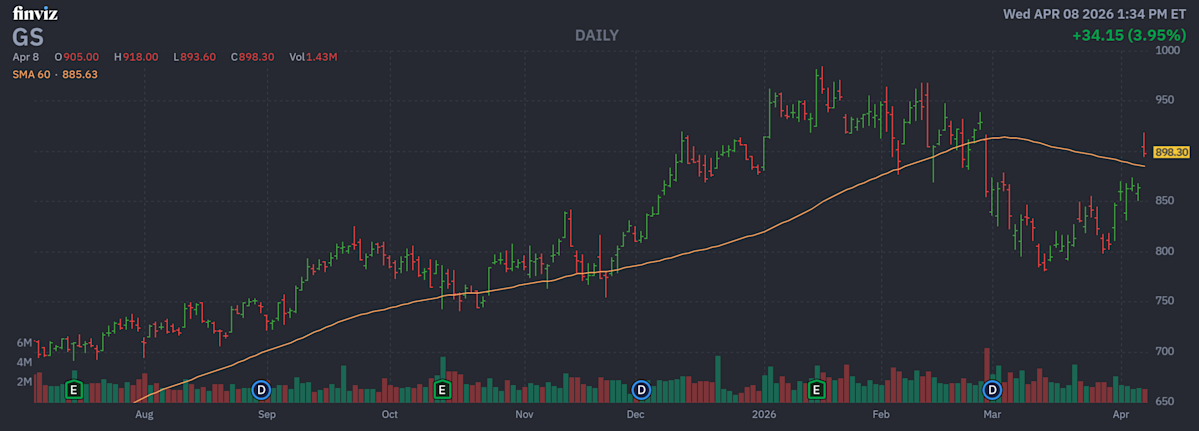
- Optimistic Earnings Outlook: Goldman Sachs is set to report its Q1 earnings before the market opens on April 13, with a bullish sentiment reflected in a 4.2% stock price increase to $900.69, as investors respond positively to easing geopolitical tensions.
- Strong Stock Performance: The stock has gained in six of the last seven trading sessions and is poised to close above its 60-day moving average for the first time since February, with a 94.8% increase over the past 12 months, indicating robust market performance despite a modest year-to-date gain.
- Post-Earnings Reaction Potential: Goldman has settled higher after six of its last eight earnings reports, including a 4.4% rise in January, and the options market is pricing in a 5.8% move, significantly higher than the 2.6% average over the past two years, suggesting strong expectations for the upcoming report.
- Analyst Rating Upside: Among the 26 analysts covering Goldman, 17 have a “hold” or worse rating, indicating potential for upgrades and price target hikes, with the current 12-month consensus target price at $934.54, only a 3.8% premium to the current stock levels.
See More
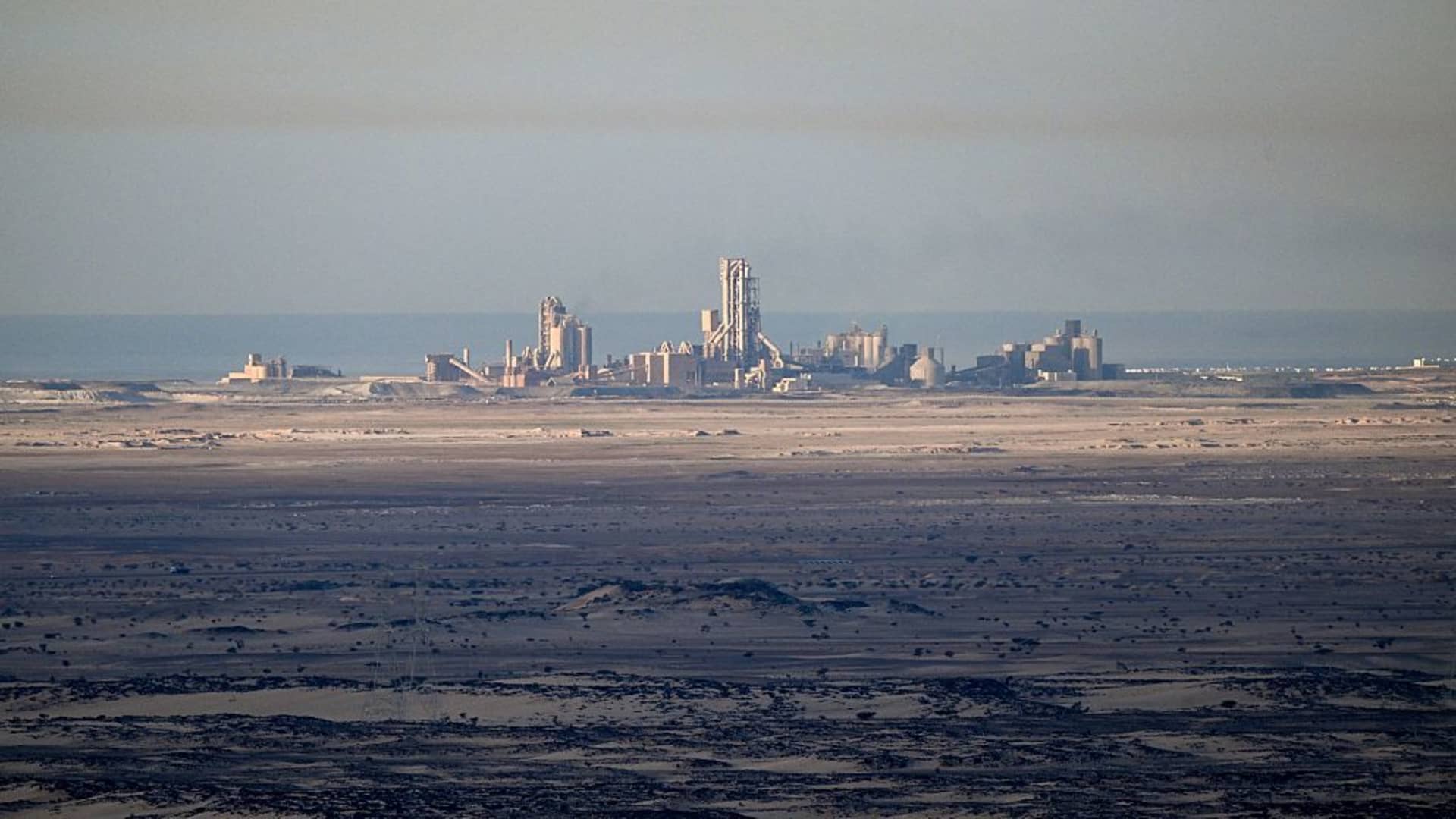
Fragile U.S.-Iran Ceasefire Tested Amid Oil Price Volatility


- Oil Price Fluctuations: Iran's attack on Saudi Arabia's Red Sea pipeline has cut throughput by 700,000 barrels per day, causing oil prices to hover below $100 per barrel, which exacerbates uncertainty in global markets.
- Ceasefire Negotiations Tension: U.S. and Iranian negotiators are set to meet in Pakistan, and despite heated rhetoric, there remains a willingness to maintain the ceasefire, which could impact future energy supply and price stability.
- Global Economic Impact: China's factory-gate prices have risen for the first time in over three years, indicating the war's disruption of global energy markets, potentially leading to increased inflationary pressures for the Federal Reserve.
- Political Landscape Attention: The British Prime Minister expressed frustration over energy price volatility, highlighting the influence of international politics on domestic economies, which underscores the far-reaching effects of global political dynamics on markets.
See More
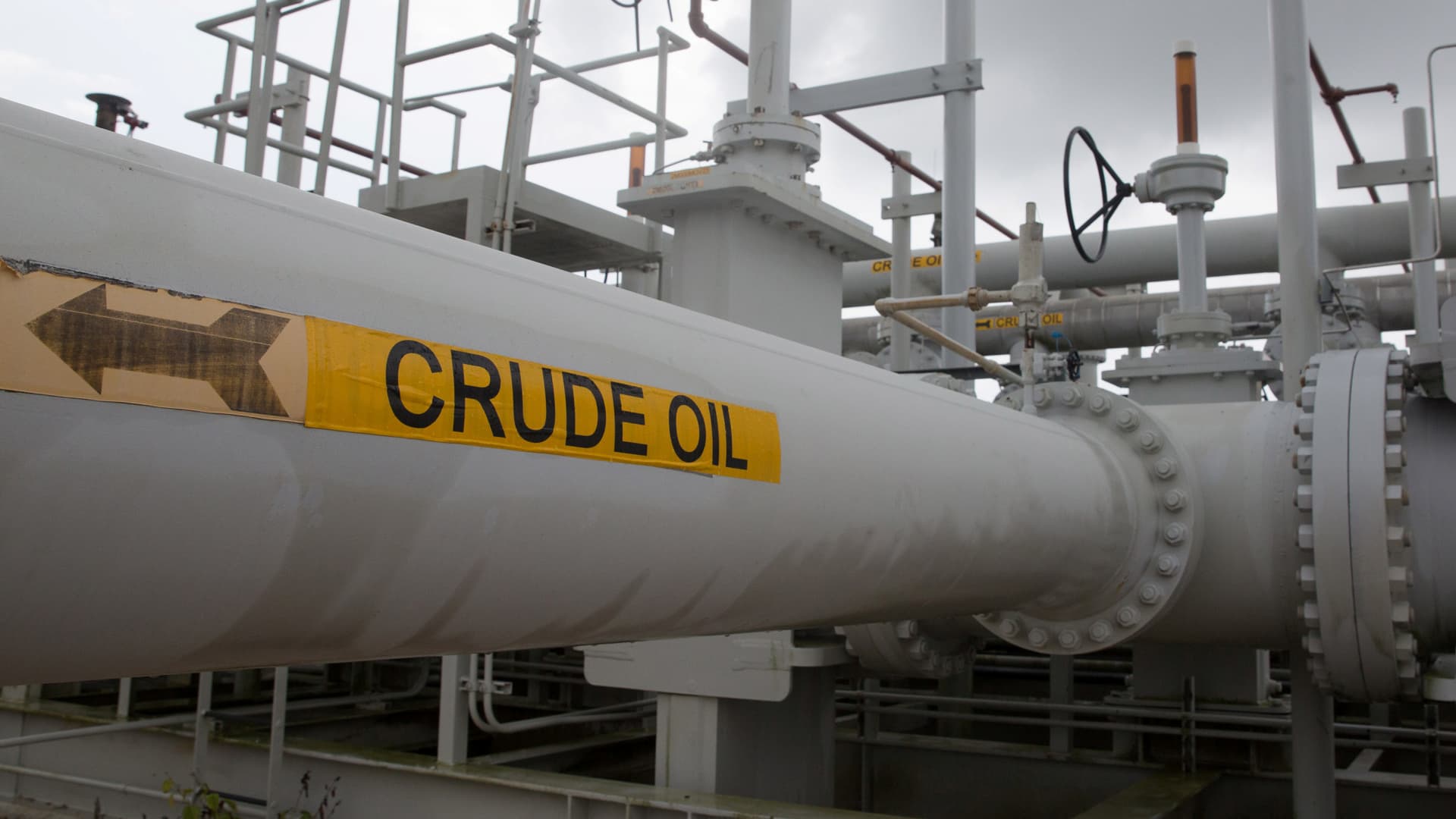
Oil Prices Rise Amid Tensions in Strait of Hormuz
- Oil Price Increase: Oil prices have risen as tensions in the Strait of Hormuz escalate, with West Texas Intermediate crude futures gaining 0.55% to $98.33 per barrel and Brent crude futures rising over 1% to $96.91 per barrel, reflecting market concerns over potential supply disruptions.
- Restricted Shipping Flows: Despite a two-week ceasefire agreement between the U.S. and Iran, shipping through the Strait of Hormuz remains severely restricted, impacting about 20% of global oil supply and creating a tense market atmosphere.
- Saudi Production Cuts: Attacks on Saudi Arabia's energy infrastructure have reduced its oil production capacity by approximately 600,000 barrels per day and cut flows through the East-West Pipeline by around 700,000 bpd, further exacerbating supply disruption risks.
- Uncertain Demand Outlook: With Gulf imports dropping below 2 million barrels per day, analysts suggest that buyers may need to rely on stockpiles and alternative supplies for at least another month, even as rising fuel prices begin to weigh on demand.
See More

Closure of Strait of Hormuz Triggers Global Energy Crisis
- Market Reaction: Oil prices surged above $100 per barrel due to the closure of the Strait of Hormuz, reflecting market concerns over tight energy supplies that could lead to a global economic slowdown.
- Transport Restrictions: The CEO of Abu Dhabi National Oil Co. confirmed that the Strait of Hormuz is not open to shipping, with traffic being restricted, which will further exacerbate international oil price volatility and impact the global energy supply chain.
- Geopolitical Tensions: Iran's plan to charge shipping companies cryptocurrency tolls for passage through the Strait could provoke strong international backlash, increasing the risk of regional conflict.
- Emergency Measures Escalate: Japan is reportedly considering releasing about 20 days' worth of oil reserves as early as May to address the global supply crisis, demonstrating the urgency and strategic responses of governments facing energy shortages.
See More

China's Factory-Gate Prices Rise for First Time in Three Years

- Consumer Price Index Change: In March 2026, China's Consumer Price Index (CPI) rose by 1% year-on-year, falling short of economists' forecast of 1.2%, indicating a moderation in inflation pressure that could impact consumer confidence and economic growth.
- Producer Prices Rise: The Producer Price Index (PPI) increased by 0.5% year-on-year, marking the end of the longest deflationary streak since September 2022, suggesting a resurgence in manufacturing cost pressures that may affect profit margins.
- Surge in Oil Prices: The Iran war has caused global energy market turmoil, with Brent crude prices rising 33% since February 28 to $96.7 per barrel, potentially leading to inflationary spillovers in China, although its strategic stockpiling provides some cushion.
- Economic Growth Forecast Adjustment: Morgan Stanley has cut its GDP growth forecast for China in 2026 by 10 basis points to 4.7%, warning that if oil prices continue to rise to $150 per barrel, real GDP could slow to 4.2%, highlighting the potential threat of energy prices to the economy.
See More
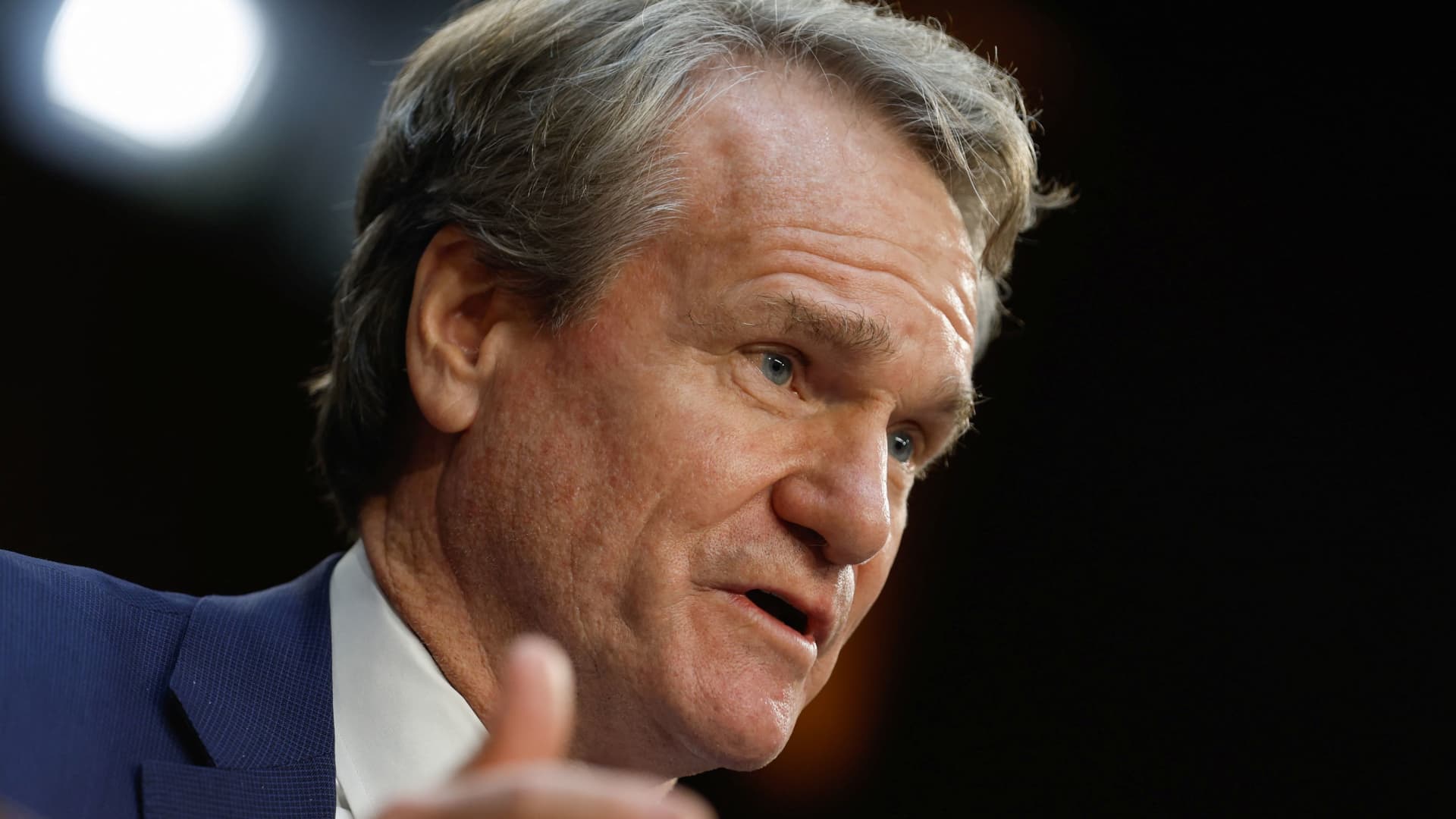
Bessent and Powell Conferred with Bank CEOs to Highlight Risks Associated with Anthropic's New AI Model - Source

- Warning from Bank CEOs: Bank CEOs are cautioning about the risks associated with Anthropic's latest AI model.
- Focus on AI Risks: The emphasis is on understanding and mitigating potential dangers posed by advanced AI technologies.
See More
Goldman Sachs Set to Report Q1 Earnings Amid Bullish Sentiment
- Optimistic Earnings Outlook: Goldman Sachs is set to report its Q1 earnings before the market opens on April 13, with a bullish sentiment reflected in a 4.2% stock price increase to $900.69, as investors respond positively to easing geopolitical tensions.
- Strong Stock Performance: The stock has gained in six of the last seven trading sessions and is poised to close above its 60-day moving average for the first time since February, with a 94.8% increase over the past 12 months, indicating robust market performance despite a modest year-to-date gain.
- Post-Earnings Reaction Potential: Goldman has settled higher after six of its last eight earnings reports, including a 4.4% rise in January, and the options market is pricing in a 5.8% move, significantly higher than the 2.6% average over the past two years, suggesting strong expectations for the upcoming report.
- Analyst Rating Upside: Among the 26 analysts covering Goldman, 17 have a “hold” or worse rating, indicating potential for upgrades and price target hikes, with the current 12-month consensus target price at $934.54, only a 3.8% premium to the current stock levels.
See More
Fragile U.S.-Iran Ceasefire Tested Amid Oil Price Volatility
- Oil Price Fluctuations: Iran's attack on Saudi Arabia's Red Sea pipeline has cut throughput by 700,000 barrels per day, causing oil prices to hover below $100 per barrel, which exacerbates uncertainty in global markets.
- Ceasefire Negotiations Tension: U.S. and Iranian negotiators are set to meet in Pakistan, and despite heated rhetoric, there remains a willingness to maintain the ceasefire, which could impact future energy supply and price stability.
- Global Economic Impact: China's factory-gate prices have risen for the first time in over three years, indicating the war's disruption of global energy markets, potentially leading to increased inflationary pressures for the Federal Reserve.
- Political Landscape Attention: The British Prime Minister expressed frustration over energy price volatility, highlighting the influence of international politics on domestic economies, which underscores the far-reaching effects of global political dynamics on markets.
See More
Oil Prices Rise Amid Tensions in Strait of Hormuz
- Oil Price Increase: Oil prices have risen as tensions in the Strait of Hormuz escalate, with West Texas Intermediate crude futures gaining 0.55% to $98.33 per barrel and Brent crude futures rising over 1% to $96.91 per barrel, reflecting market concerns over potential supply disruptions.
- Restricted Shipping Flows: Despite a two-week ceasefire agreement between the U.S. and Iran, shipping through the Strait of Hormuz remains severely restricted, impacting about 20% of global oil supply and creating a tense market atmosphere.
- Saudi Production Cuts: Attacks on Saudi Arabia's energy infrastructure have reduced its oil production capacity by approximately 600,000 barrels per day and cut flows through the East-West Pipeline by around 700,000 bpd, further exacerbating supply disruption risks.
- Uncertain Demand Outlook: With Gulf imports dropping below 2 million barrels per day, analysts suggest that buyers may need to rely on stockpiles and alternative supplies for at least another month, even as rising fuel prices begin to weigh on demand.
See More
Closure of Strait of Hormuz Triggers Global Energy Crisis
- Market Reaction: Oil prices surged above $100 per barrel due to the closure of the Strait of Hormuz, reflecting market concerns over tight energy supplies that could lead to a global economic slowdown.
- Transport Restrictions: The CEO of Abu Dhabi National Oil Co. confirmed that the Strait of Hormuz is not open to shipping, with traffic being restricted, which will further exacerbate international oil price volatility and impact the global energy supply chain.
- Geopolitical Tensions: Iran's plan to charge shipping companies cryptocurrency tolls for passage through the Strait could provoke strong international backlash, increasing the risk of regional conflict.
- Emergency Measures Escalate: Japan is reportedly considering releasing about 20 days' worth of oil reserves as early as May to address the global supply crisis, demonstrating the urgency and strategic responses of governments facing energy shortages.
See More
China's Factory-Gate Prices Rise for First Time in Three Years
- Consumer Price Index Change: In March 2026, China's Consumer Price Index (CPI) rose by 1% year-on-year, falling short of economists' forecast of 1.2%, indicating a moderation in inflation pressure that could impact consumer confidence and economic growth.
- Producer Prices Rise: The Producer Price Index (PPI) increased by 0.5% year-on-year, marking the end of the longest deflationary streak since September 2022, suggesting a resurgence in manufacturing cost pressures that may affect profit margins.
- Surge in Oil Prices: The Iran war has caused global energy market turmoil, with Brent crude prices rising 33% since February 28 to $96.7 per barrel, potentially leading to inflationary spillovers in China, although its strategic stockpiling provides some cushion.
- Economic Growth Forecast Adjustment: Morgan Stanley has cut its GDP growth forecast for China in 2026 by 10 basis points to 4.7%, warning that if oil prices continue to rise to $150 per barrel, real GDP could slow to 4.2%, highlighting the potential threat of energy prices to the economy.
See More
Bessent and Powell Conferred with Bank CEOs to Highlight Risks Associated with Anthropic's New AI Model - Source
- Warning from Bank CEOs: Bank CEOs are cautioning about the risks associated with Anthropic's latest AI model.
- Focus on AI Risks: The emphasis is on understanding and mitigating potential dangers posed by advanced AI technologies.
See More