Union at GM's Silao Plant in Mexico Suggests 10% Wage Hike - Union Reports
- Union Proposal: The union at GM Plant in Silao, Mexico, has proposed a 10% salary increase for workers.
- Negotiation Context: This proposal comes amid ongoing negotiations between the union and the management regarding worker compensation and benefits.
Trade with 70% Backtested Accuracy
Analyst Views on GM

About GM
About the author


GM Expands Heavy-Duty Pickup Production to Meet Demand

- Production Expansion: General Motors is adding an extra production day at its Flint, Michigan plant, expected to boost output by 1,100 heavy-duty pickups daily to meet rising market demand.
- Domestic Manufacturing Advantage: The production increase will focus on the Chevy Silverado and GMC Sierra models, aiming to circumvent tariffs on imports from Canada and Mexico, thereby enhancing market competitiveness.
- Employee Overtime Arrangement: Approximately 4,200 hourly workers at the Flint facility will be mandated into overtime to support the additional production day, directly impacting their work schedules and earnings.
- Sales Data Analysis: According to GM's data, sales of the Chevy Silverado and GMC Sierra heavy-duty trucks increased by 12.2% and 11.4% respectively in 2025, indicating strong market performance for heavy-duty models, despite fluctuations in light and medium-duty truck sales.

GM to Operate Michigan Heavy-Duty Truck Plant Six Days a Week Beginning in June - WSJ
New Truck Plant Announcement: A new heavy-duty truck plant is set to open in Michigan, marking a significant development in the automotive industry.
Operational Timeline: The plant is scheduled to begin operations in June, with plans to operate six days a week.

GM Plans to Increase Production of Heavy-Duty Trucks - WSJ
Heavy-Duty Truck Production: The article discusses the current state and trends in heavy-duty truck production, highlighting the industry's response to market demands.
Technological Advancements: It emphasizes the role of technological innovations in enhancing the efficiency and sustainability of heavy-duty trucks.
Market Challenges: The piece outlines various challenges faced by manufacturers, including supply chain issues and regulatory pressures.
Future Outlook: It concludes with insights into the future of heavy-duty truck production, focusing on potential growth areas and evolving consumer preferences.

Barclays Lowers GM Target Price to $105 from $110
- Barclays Adjusts Target Price: Barclays has lowered its target price for a specific stock from $110 to $105.
- Market Implications: This adjustment may reflect changes in market conditions or company performance expectations.

2026 Economic Outlook and Uber Developments


- GDP Growth Slowdown: The GDP growth rate for Q1 2026 is only 0.7%, significantly lower than the previous estimate of 1.4%, indicating a sluggish economic recovery that may dampen investor confidence and negatively impact stock market performance.
- Rising Inflation Pressure: With inflation exceeding 3% in January, combined with slowing GDP growth, concerns about stagflation may arise, leading to reduced consumer spending and threatening corporate profitability.
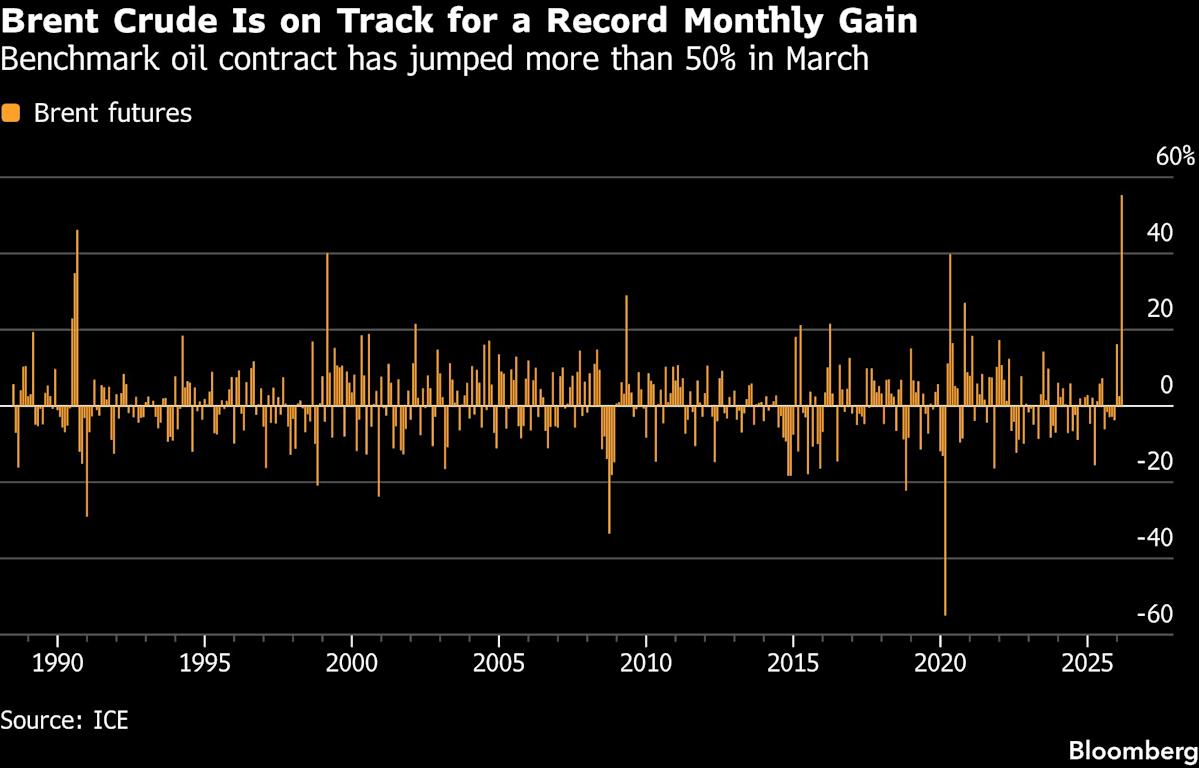
- Surge in Oil Prices: West Texas Intermediate crude oil prices have surged from $57 on January 2 to $93, even exceeding $100 at times, increasing consumer energy expenditure pressure and potentially suppressing spending in other areas.
- Uber's Autonomous Driving Partnerships: Uber has recently formed partnerships with several companies, including Waymo and Lucid, indicating its proactive positioning in the autonomous driving sector, which may lay the groundwork for future market share growth.

2026 Economic Outlook and Oil Price Fluctuations
- GDP Growth Slowdown: The GDP growth rate for Q1 2026 is only 0.7%, significantly lower than the previous estimate of 1.4%, indicating economic stagnation that may heighten investor concerns about future economic prospects.
- High Inflation Pressure: With inflation exceeding 3% in January, combined with low growth, market fears of stagflation are rising, which could negatively impact consumer spending and business investment decisions, further dragging down economic recovery.
- Surging Oil Prices Impact: As of the recording date, West Texas Intermediate crude oil prices have reached $93 per barrel, a significant increase from $57 on January 2, which may force consumers to cut back on other expenditures due to rising energy costs, affecting overall economic activity.
- Geopolitical Risks: The rise in oil prices is primarily driven by geopolitical conflicts rather than demand growth, particularly due to uncertainties surrounding Iran, which could lead to a more pessimistic economic outlook, necessitating close monitoring of related developments.
GM Expands Heavy-Duty Pickup Production to Meet Demand
- Production Expansion: General Motors is adding an extra production day at its Flint, Michigan plant, expected to boost output by 1,100 heavy-duty pickups daily to meet rising market demand.
- Domestic Manufacturing Advantage: The production increase will focus on the Chevy Silverado and GMC Sierra models, aiming to circumvent tariffs on imports from Canada and Mexico, thereby enhancing market competitiveness.
- Employee Overtime Arrangement: Approximately 4,200 hourly workers at the Flint facility will be mandated into overtime to support the additional production day, directly impacting their work schedules and earnings.
- Sales Data Analysis: According to GM's data, sales of the Chevy Silverado and GMC Sierra heavy-duty trucks increased by 12.2% and 11.4% respectively in 2025, indicating strong market performance for heavy-duty models, despite fluctuations in light and medium-duty truck sales.
GM to Operate Michigan Heavy-Duty Truck Plant Six Days a Week Beginning in June - WSJ
New Truck Plant Announcement: A new heavy-duty truck plant is set to open in Michigan, marking a significant development in the automotive industry.
Operational Timeline: The plant is scheduled to begin operations in June, with plans to operate six days a week.
GM Plans to Increase Production of Heavy-Duty Trucks - WSJ
Heavy-Duty Truck Production: The article discusses the current state and trends in heavy-duty truck production, highlighting the industry's response to market demands.
Technological Advancements: It emphasizes the role of technological innovations in enhancing the efficiency and sustainability of heavy-duty trucks.
Market Challenges: The piece outlines various challenges faced by manufacturers, including supply chain issues and regulatory pressures.
Future Outlook: It concludes with insights into the future of heavy-duty truck production, focusing on potential growth areas and evolving consumer preferences.
Barclays Lowers GM Target Price to $105 from $110
- Barclays Adjusts Target Price: Barclays has lowered its target price for a specific stock from $110 to $105.
- Market Implications: This adjustment may reflect changes in market conditions or company performance expectations.
2026 Economic Outlook and Uber Developments
- GDP Growth Slowdown: The GDP growth rate for Q1 2026 is only 0.7%, significantly lower than the previous estimate of 1.4%, indicating a sluggish economic recovery that may dampen investor confidence and negatively impact stock market performance.
- Rising Inflation Pressure: With inflation exceeding 3% in January, combined with slowing GDP growth, concerns about stagflation may arise, leading to reduced consumer spending and threatening corporate profitability.
- Surge in Oil Prices: West Texas Intermediate crude oil prices have surged from $57 on January 2 to $93, even exceeding $100 at times, increasing consumer energy expenditure pressure and potentially suppressing spending in other areas.
- Uber's Autonomous Driving Partnerships: Uber has recently formed partnerships with several companies, including Waymo and Lucid, indicating its proactive positioning in the autonomous driving sector, which may lay the groundwork for future market share growth.
2026 Economic Outlook and Oil Price Fluctuations
- GDP Growth Slowdown: The GDP growth rate for Q1 2026 is only 0.7%, significantly lower than the previous estimate of 1.4%, indicating economic stagnation that may heighten investor concerns about future economic prospects.
- High Inflation Pressure: With inflation exceeding 3% in January, combined with low growth, market fears of stagflation are rising, which could negatively impact consumer spending and business investment decisions, further dragging down economic recovery.
- Surging Oil Prices Impact: As of the recording date, West Texas Intermediate crude oil prices have reached $93 per barrel, a significant increase from $57 on January 2, which may force consumers to cut back on other expenditures due to rising energy costs, affecting overall economic activity.
- Geopolitical Risks: The rise in oil prices is primarily driven by geopolitical conflicts rather than demand growth, particularly due to uncertainties surrounding Iran, which could lead to a more pessimistic economic outlook, necessitating close monitoring of related developments.