Uber Acquires Additional Stake in Delivery Hero
Written by Emily J. Thompson, Senior Investment Analyst
Updated: 2 days ago
0mins
Should l Buy UBER?
Source: CNBC
- Stake Acquisition: Uber has agreed to purchase an additional 4.5% stake in German food delivery firm Delivery Hero for €20 per share, totaling approximately €270 million ($318 million), which, while below the Thursday closing price, represents a 22% premium over the one-month average share price.
- Prosus Divestment Commitment: Prosus now owns about 21% of Delivery Hero, down from approximately 27% when it announced its acquisition of Just Eat Takeaway.com last year, indicating its commitment to divest the necessary portion of its stake to comply with EU regulatory requirements for future mergers.
- Regulatory Environment Shift: Following scrutiny of Prosus's Just Eat deal, European regulators are reconsidering merger policies, potentially easing restrictions on large mergers to promote innovation and investment within the internal market.
- Market Competition Strategy: Prosus CEO Fabricio Bloisi has criticized Europe's merger policies, arguing that large mergers are essential for global competitiveness, and he emphasizes the need to change existing policies to support European firms' relevance in global markets.
Trade with 70% Backtested Accuracy
Stop guessing "Should I Buy UBER?" and start using high-conviction signals backed by rigorous historical data.
Sign up today to access powerful investing tools and make smarter, data-driven decisions.
Analyst Views on UBER
Wall Street analysts forecast UBER stock price to rise
32 Analyst Rating
28 Buy
3 Hold
1 Sell
Strong Buy
Current: 76.480

Low
72.00
Averages
107.10
High
150.00
Current: 76.480
Low
72.00
Averages
107.10
High
150.00
About UBER
Uber Technologies, Inc. operates a technology platform that uses network and technology to power movement from point A to point B. It develops and operates technology applications supporting a variety of offerings on its platform (platform(s)). Its segments include Mobility, Delivery and Freight. Mobility products connect consumers with drivers who provide rides in a variety of vehicles, such as cars, auto rickshaws, motorbikes, minibuses, or taxis. Delivery offerings allow consumers to search for and discover local restaurants, order a meal, and either pick-up at the restaurant or have the meal delivered. In certain markets, the Delivery segment provides offerings for grocery, alcohol, and convenience store delivery as well as select other goods. The Freight segment connects carriers with shippers on its platform, and gives carriers upfront, pricing and the ability to book a shipment. The Freight segment also includes transportation management and other logistics service offerings.
About the author

Emily J. Thompson
Emily J. Thompson, a Chartered Financial Analyst (CFA) with 12 years in investment research, graduated with honors from the Wharton School. Specializing in industrial and technology stocks, she provides in-depth analysis for Intellectia’s earnings and market brief reports.

Uber Acquires Additional Stake in Delivery Hero

- Acquisition Details: Uber announced it will purchase an additional 4.5% stake in Delivery Hero at €20 per share, totaling approximately €270 million ($318 million), which, while below Delivery Hero's Thursday closing price, represents a 22% premium over the one-month average share price.
- Regulatory Pressure Context: This transaction is part of Prosus's strategy to divest its Delivery Hero shares under EU regulatory pressure to facilitate its proposed €4.1 billion acquisition of Just Eat, highlighting the impact of regulatory environments on large merger deals.
- Prosus's Strategic Shift: Prosus has committed to selling the relevant portion of its Delivery Hero stake within the required timeframe, demonstrating its firm commitment to reducing its shareholding to meet regulatory demands while reflecting a strategic shift in its European market approach.
- Market Reaction Analysis: Although Uber's acquisition price is lower than Delivery Hero's recent stock price, the market's reaction to this deal could influence Uber's competitive position in the food delivery sector, especially in comparison to its rivals.
See More

Alphabet and Eli Lilly: Investment Opportunities for the Next Decade


- Diversified Growth for Google: Google enhances its search capabilities through AI, driving ad sales, and is expected to continue growth in cloud computing and streaming over the next decade, solidifying its market leadership.
- Self-Driving Business Potential: Google's Waymo operates in several U.S. cities with level 4 autonomy, and as self-driving cars gain traction over the next decade, it could significantly boost the company's revenue.
- Eli Lilly's Dominance in Weight Loss: Eli Lilly has made significant breakthroughs in the weight loss market and may accelerate drug development through AI drug discovery, potentially adding billions in revenue if successful.
- Transforming Drug Development Cycles: By shortening drug development times with AI, Eli Lilly could alter the typical pharmaceutical cycle, enhancing its competitiveness and long-term prospects in the market.
See More

Alphabet and Eli Lilly Show Bright Prospects Ahead
- Significant Investment Returns: An investment of $50,000 in either Alphabet or Eli Lilly since 2006 has grown to over $1 million, demonstrating their exceptional performance over the past two decades, with potential to continue outperforming the market in the future.
- AI-Driven Growth: Alphabet enhances its search capabilities through artificial intelligence, boosting user engagement and ad sales, and is expected to benefit from diversified businesses like cloud computing and YouTube over the next decade, solidifying its market leadership.
- Self-Driving Advantages: Alphabet's Waymo operates level 4 autonomous vehicles in several U.S. cities, and with partnerships like Uber and an established network, it is poised to capture significant market share in the self-driving car sector over the next ten years.
- Innovations in Drug Development: Eli Lilly's breakthroughs in the weight loss market and investments in AI drug discovery could significantly shorten drug development cycles, potentially generating billions in additional revenue and altering traditional pharmaceutical cycles.
See More

Tesla Faces Sales Challenges Amid New Growth Opportunities

- Sales Decline: Tesla's automotive sales have declined for the third consecutive year, resulting in a more than 15% drop in stock value since 2026, highlighting the severe challenges the company faces in an increasingly competitive EV market.
- Capital Market Advantage: Despite its sales struggles, Tesla maintains a market cap exceeding $1 trillion, enabling it to raise billions of dollars quickly, a capital access capability that few competitors can match.
- Robotaxi Market Potential: McKinsey predicts that the robotaxi market will reach global scale by 2030, and Tesla is heavily investing in autonomous driving technology to aim for a leading position in this potentially massive market.
- Production Line Restructuring: Tesla is retooling its production lines to achieve its Cybercab production target, aiming to produce one vehicle every 10 seconds, which will further enhance its competitiveness in the future autonomous driving market.
See More
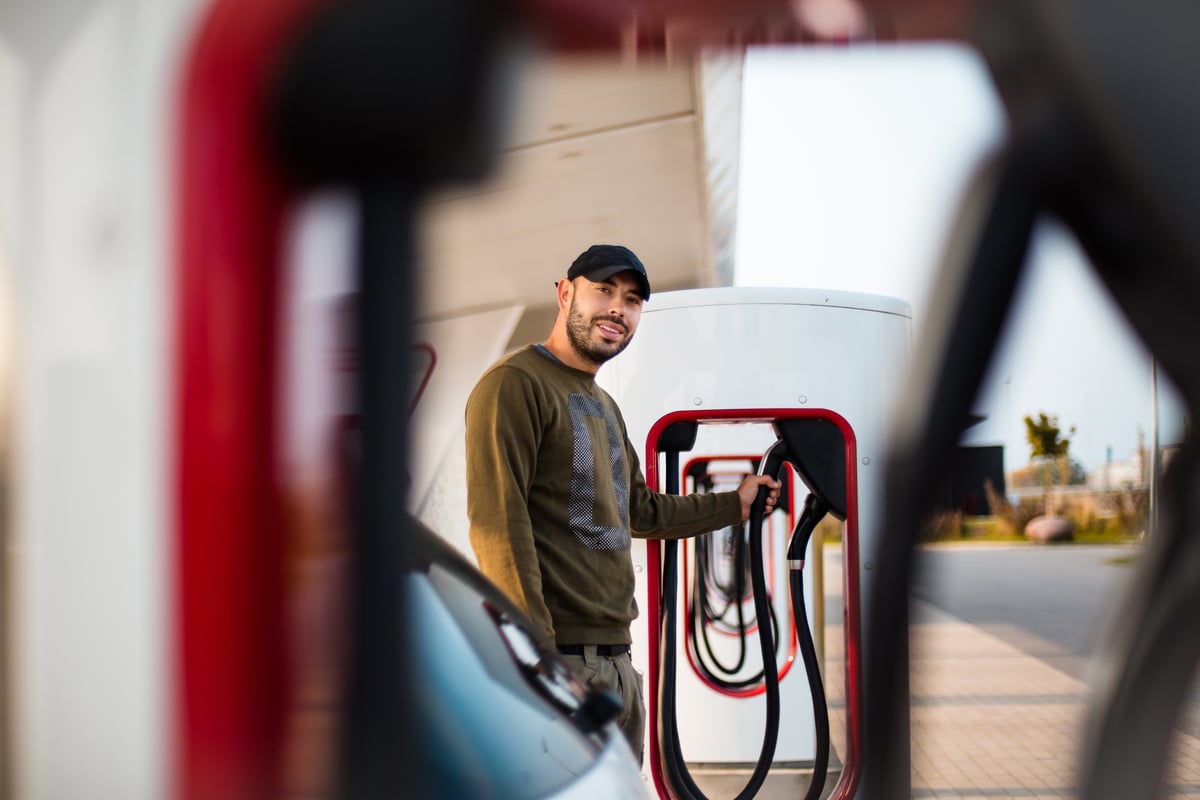
Tesla Faces Sales Decline but Robotaxi Opportunity Looms Large
- Stock Decline: Tesla's shares have lost over 15% since 2026, marking a third consecutive year of declining automotive sales amidst rising competition, yet the company maintains a market cap exceeding $1 trillion, highlighting its unique capital-raising capabilities.
- Robotaxi Market Potential: McKinsey predicts that the robotaxi market will reach global scale by 2030, potentially adding $1 trillion to Tesla's market cap, despite the current immaturity of self-driving technology, indicating a significant future opportunity.
- Production Line Overhaul: Tesla is retooling its production lines to achieve a target of producing one Cybercab every 10 seconds, reflecting substantial investments in autonomy and AI, aimed at seizing future market opportunities.
- Market Leadership: Cathie Wood of Ark Invest believes Tesla will command a leading share of the $5 trillion to $10 trillion global robotaxi market, further solidifying its leadership position in the electric vehicle sector.
See More
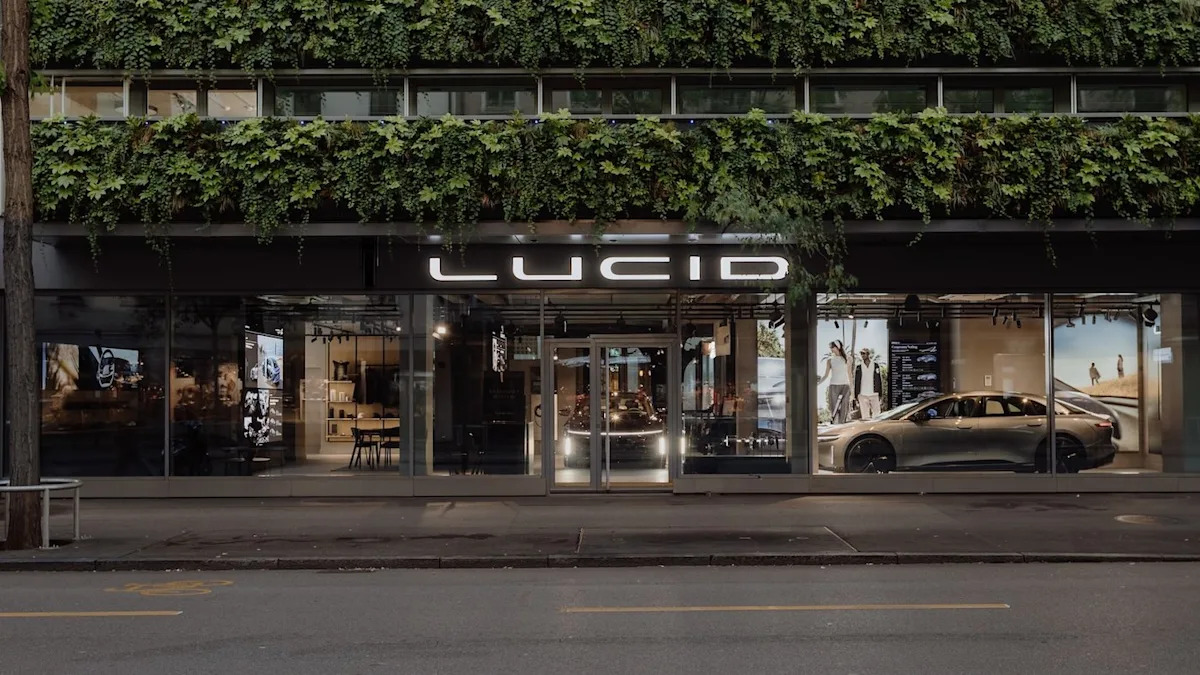
Lucid Group Secures $750 Million Funding and New CEO: Is a Comeback Possible?
- New CEO Appointment: Lucid Group has appointed Silvio Napoli as the new CEO, who previously led Schindler Group, and is expected to leverage his extensive manufacturing experience to enhance operational efficiency and address the company's annual losses of approximately $2.7 billion.
- Funding Injection: The company secured a total of $750 million, comprising $550 million from Saudi Arabia's Public Investment Fund (PIF) and $200 million from Uber, which will provide crucial financial support for upcoming model launches and strengthen its market competitiveness.
- Shareholder Dilution Risk: While the new funding is beneficial for growth, the $550 million preferred stock purchase by PIF will dilute existing shareholders' stakes, increasing uncertainty for investors and potentially impacting stock performance.
- Market Demand Challenges: With only 15,841 vehicles delivered in 2025, Lucid faces dual challenges of manufacturing efficiency and consumer demand; although the company is making efforts to improve its situation, it remains to be seen if it can achieve profitability in the short term.
See More
Uber Acquires Additional Stake in Delivery Hero
- Acquisition Details: Uber announced it will purchase an additional 4.5% stake in Delivery Hero at €20 per share, totaling approximately €270 million ($318 million), which, while below Delivery Hero's Thursday closing price, represents a 22% premium over the one-month average share price.
- Regulatory Pressure Context: This transaction is part of Prosus's strategy to divest its Delivery Hero shares under EU regulatory pressure to facilitate its proposed €4.1 billion acquisition of Just Eat, highlighting the impact of regulatory environments on large merger deals.
- Prosus's Strategic Shift: Prosus has committed to selling the relevant portion of its Delivery Hero stake within the required timeframe, demonstrating its firm commitment to reducing its shareholding to meet regulatory demands while reflecting a strategic shift in its European market approach.
- Market Reaction Analysis: Although Uber's acquisition price is lower than Delivery Hero's recent stock price, the market's reaction to this deal could influence Uber's competitive position in the food delivery sector, especially in comparison to its rivals.
See More
Alphabet and Eli Lilly: Investment Opportunities for the Next Decade
- Diversified Growth for Google: Google enhances its search capabilities through AI, driving ad sales, and is expected to continue growth in cloud computing and streaming over the next decade, solidifying its market leadership.
- Self-Driving Business Potential: Google's Waymo operates in several U.S. cities with level 4 autonomy, and as self-driving cars gain traction over the next decade, it could significantly boost the company's revenue.
- Eli Lilly's Dominance in Weight Loss: Eli Lilly has made significant breakthroughs in the weight loss market and may accelerate drug development through AI drug discovery, potentially adding billions in revenue if successful.
- Transforming Drug Development Cycles: By shortening drug development times with AI, Eli Lilly could alter the typical pharmaceutical cycle, enhancing its competitiveness and long-term prospects in the market.
See More
Alphabet and Eli Lilly Show Bright Prospects Ahead
- Significant Investment Returns: An investment of $50,000 in either Alphabet or Eli Lilly since 2006 has grown to over $1 million, demonstrating their exceptional performance over the past two decades, with potential to continue outperforming the market in the future.
- AI-Driven Growth: Alphabet enhances its search capabilities through artificial intelligence, boosting user engagement and ad sales, and is expected to benefit from diversified businesses like cloud computing and YouTube over the next decade, solidifying its market leadership.
- Self-Driving Advantages: Alphabet's Waymo operates level 4 autonomous vehicles in several U.S. cities, and with partnerships like Uber and an established network, it is poised to capture significant market share in the self-driving car sector over the next ten years.
- Innovations in Drug Development: Eli Lilly's breakthroughs in the weight loss market and investments in AI drug discovery could significantly shorten drug development cycles, potentially generating billions in additional revenue and altering traditional pharmaceutical cycles.
See More
Tesla Faces Sales Challenges Amid New Growth Opportunities
- Sales Decline: Tesla's automotive sales have declined for the third consecutive year, resulting in a more than 15% drop in stock value since 2026, highlighting the severe challenges the company faces in an increasingly competitive EV market.
- Capital Market Advantage: Despite its sales struggles, Tesla maintains a market cap exceeding $1 trillion, enabling it to raise billions of dollars quickly, a capital access capability that few competitors can match.
- Robotaxi Market Potential: McKinsey predicts that the robotaxi market will reach global scale by 2030, and Tesla is heavily investing in autonomous driving technology to aim for a leading position in this potentially massive market.
- Production Line Restructuring: Tesla is retooling its production lines to achieve its Cybercab production target, aiming to produce one vehicle every 10 seconds, which will further enhance its competitiveness in the future autonomous driving market.
See More
Tesla Faces Sales Decline but Robotaxi Opportunity Looms Large
- Stock Decline: Tesla's shares have lost over 15% since 2026, marking a third consecutive year of declining automotive sales amidst rising competition, yet the company maintains a market cap exceeding $1 trillion, highlighting its unique capital-raising capabilities.
- Robotaxi Market Potential: McKinsey predicts that the robotaxi market will reach global scale by 2030, potentially adding $1 trillion to Tesla's market cap, despite the current immaturity of self-driving technology, indicating a significant future opportunity.
- Production Line Overhaul: Tesla is retooling its production lines to achieve a target of producing one Cybercab every 10 seconds, reflecting substantial investments in autonomy and AI, aimed at seizing future market opportunities.
- Market Leadership: Cathie Wood of Ark Invest believes Tesla will command a leading share of the $5 trillion to $10 trillion global robotaxi market, further solidifying its leadership position in the electric vehicle sector.
See More
Lucid Group Secures $750 Million Funding and New CEO: Is a Comeback Possible?
- New CEO Appointment: Lucid Group has appointed Silvio Napoli as the new CEO, who previously led Schindler Group, and is expected to leverage his extensive manufacturing experience to enhance operational efficiency and address the company's annual losses of approximately $2.7 billion.
- Funding Injection: The company secured a total of $750 million, comprising $550 million from Saudi Arabia's Public Investment Fund (PIF) and $200 million from Uber, which will provide crucial financial support for upcoming model launches and strengthen its market competitiveness.
- Shareholder Dilution Risk: While the new funding is beneficial for growth, the $550 million preferred stock purchase by PIF will dilute existing shareholders' stakes, increasing uncertainty for investors and potentially impacting stock performance.
- Market Demand Challenges: With only 15,841 vehicles delivered in 2025, Lucid faces dual challenges of manufacturing efficiency and consumer demand; although the company is making efforts to improve its situation, it remains to be seen if it can achieve profitability in the short term.
See More