TSMC Shares Decline Despite Robust Revenue Increase Amid Investor Concerns Over Energy Risks
Written by Emily J. Thompson, Senior Investment Analyst
Updated: Mar 10 2026
0mins
Source: Barron's
- Revenue Report: TSMC reported a net revenue of 317.66 billion New Taiwan dollars ($9.98 billion) for February.
- Year-over-Year Growth: This figure represents a 22% increase compared to the same month last year.
- Month-over-Month Decline: However, it shows a 21% decrease from January's revenue.
- Financial Performance Context: The revenue fluctuations highlight the volatility in the semiconductor market.
Trade with 70% Backtested Accuracy
Stop guessing "Should I Buy TSM?" and start using high-conviction signals backed by rigorous historical data.
Sign up today to access powerful investing tools and make smarter, data-driven decisions.
Analyst Views on TSM
Wall Street analysts forecast TSM stock price to fall
8 Analyst Rating
7 Buy
1 Hold
0 Sell
Strong Buy
Current: 421.070

Low
63.24
Averages
313.46
High
390.00
Current: 421.070
Low
63.24
Averages
313.46
High
390.00
About TSM
Taiwan Semiconductor Manufacturing Co Ltd is a Taiwan-based integrated circuit foundry service provider. The Company is primarily engaged in integrated circuit manufacturing services. It offers advanced process technologies, specialised process solutions, advanced photomask and silicon stacking, and packaging-related technologies, while supporting a comprehensive design ecosystem. The Company's products serve diverse electronic sectors including artificial intelligence, high-performance computing, wired and wireless communications, automotive and industrial equipment, personal computing, information applications, consumer electronics, smart internet of things, and wearable devices.
About the author

Emily J. Thompson
Emily J. Thompson, a Chartered Financial Analyst (CFA) with 12 years in investment research, graduated with honors from the Wharton School. Specializing in industrial and technology stocks, she provides in-depth analysis for Intellectia’s earnings and market brief reports.

Harvard University Stock Portfolio 2026 Analysis

- Harvard's Holdings: As of the end of Q1, Harvard Management's investment in Taiwan Semiconductor (NYSE:TSM) reached $232,102,708, making it the university's largest holding, reflecting strong confidence in the company's future growth potential.
- Beneficiary of AI Revolution: TSMC is the world's leading semiconductor manufacturer, with 74% of its wafer revenue coming from advanced nodes of 7nm and below, establishing an unmatched position in the AI chip market due to its scale and technological superiority.
- Strong Financial Performance: TSMC's latest quarter saw a gross margin increase of 7.4 percentage points year-over-year, with an operating margin of 58.1%, showcasing its strong pricing power and efficient cost management, with full-year revenue growth expected to exceed 30%.
- Leading Technological Innovation: TSMC has commenced mass production of 2nm chips with initial yields of 70-80%, significantly ahead of competitors, and the N2 node's performance and energy efficiency improvements will further solidify its market leadership.
See More

Goldman Sachs Predicts Surge in AI Infrastructure Spending


- AI Infrastructure Spending Forecast: Goldman Sachs predicts that AI infrastructure spending could reach between $920 billion and $1.4 trillion in 2024, a significant increase from over $700 billion expected in 2023, indicating strong market demand and investment potential in AI technologies.
- Alphabet's Spending Advantage: Alphabet plans to invest between $180 billion and $190 billion in AI infrastructure in 2023, leveraging its proprietary tensor processing units (TPUs) to reduce costs, which enhances its competitive edge in AI model training and inference, likely driving rapid growth in its cloud business.
- TSMC's Market Monopoly: Taiwan Semiconductor Manufacturing Company (TSMC) holds a near-monopoly in advanced logic chip manufacturing, and as AI chip spending rises, it stands to benefit from chip designers' reliance on its manufacturing capabilities, with a 15% price increase expected for its 3nm chips, further boosting profitability.
- ASML's Critical Role: ASML is the only company globally providing extreme ultraviolet (EUV) lithography technology, essential for manufacturing advanced logic chips; as demand for AI infrastructure continues to grow, ASML's equipment demand is also on the rise, making it a stock to watch for investors.
See More

Alphabet's AI Infrastructure Spending Set to Surge
- AI Infrastructure Spending: Alphabet plans to increase its AI infrastructure spending to between $180 billion and $190 billion in 2023, with a significant rise expected by 2027, enhancing its competitive edge in the AI sector.
- TPU Cost Advantage: Alphabet's tensor processing units (TPUs) provide a significant cost advantage, allowing it to train its Gemini model at a lower cost than competitors, thereby improving returns from Google Cloud.
- TSMC's Market Position: With rising AI chip spending, Taiwan Semiconductor Manufacturing Company (TSMC) is set to benefit from a 15% price increase on its new 3nm chips, further solidifying its monopoly in advanced logic chip manufacturing.
- ASML's Critical Role: ASML, with its extreme ultraviolet (EUV) lithography technology, is essential for AI infrastructure development, and is expected to see robust demand from TSMC and major memory manufacturers, driving its stock price higher.
See More

SpaceX IPO Underwhelms Despite High Valuation

- IPO Performance: SpaceX's IPO was priced at $135 per share, closing at approximately $160 on its first day, reflecting a modest 19% increase, which contrasts sharply with historical IPOs that often double, indicating market caution regarding its future profitability.
- Market Valuation: On its debut, SpaceX achieved a market cap of $2.1 trillion, making it the seventh largest company globally, just behind Taiwan Semiconductor, highlighting its significant impact in the aerospace sector but raising concerns about its ongoing losses.
- Index Changes: Due to SpaceX's size and popularity, the Nasdaq-100 plans to include it in about 15 days, which will lead index funds to buy the stock, creating additional demand that may support its price in the near term.
- Business Outlook: While SpaceX's Starlink business is profitable, its substantial R&D investments in space exploration and AI keep it in the red, prompting investors to carefully assess its long-term profitability and associated market risks.
See More
SpaceX IPO Sparks Market Interest Amid Size Concerns

- Market Performance Analysis: SpaceX's IPO was priced at $135 per share, closing at approximately $160 on its first day, reflecting a 19% increase; while this performance is less impressive compared to historical IPOs, its market cap soared to $2.1 trillion, making it the sixth-largest company globally, indicating market confidence in its future.
- Index Inclusion Dynamics: With SpaceX's public listing, the Nasdaq-100 is expected to include it within 15 days, which will lead index funds to purchase the stock, thereby increasing demand and potentially driving up the share price, showcasing the market's capacity to absorb large IPOs.
- R&D Investment Pressure: Despite SpaceX's leadership in the space industry, its substantial R&D expenditures and investments in the AI product Grok suggest it may continue to operate at a loss in the short term, prompting investors to carefully assess its long-term profitability.
- Investor Risk Assessment: Although SpaceX boasts a market cap of $2.1 trillion, it is still viewed as a money-losing startup, making it more suitable for risk-averse investors to hold indirectly through diversified index funds, while aggressive growth investors should consider its potential as a long-term hold.
See More
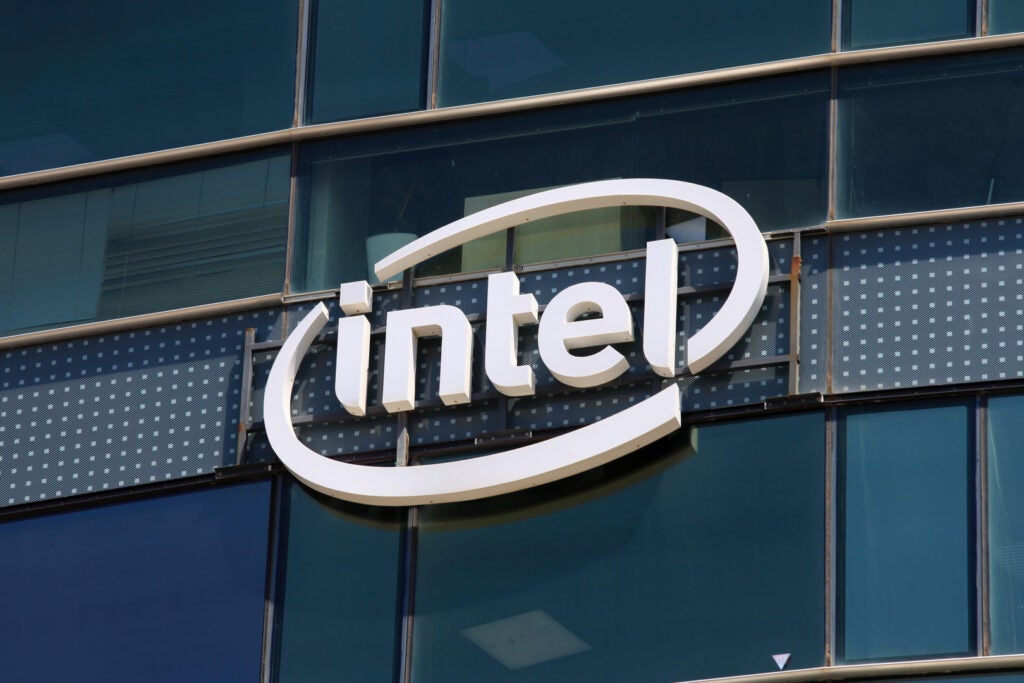
Bank of America Upgrades Intel to Buy Amid AI Shift


- Significant Rating Upgrade: On June 11, Bank of America's analyst Vivek Arya upgraded Intel from underperform to buy, raising the price target from $96 to $135, reflecting confidence in Intel's turnaround potential despite the stock having tripled in 2026.
- Optimistic Market Outlook: Bank of America projects that the server processor market will grow from $125 billion to $170 billion by 2030, with Intel expected to capture about 25% of this market share, indicating a significant increase in demand for central processors in the AI era.
- Data Center Revenue Growth: In Q1 2026, Intel's data center and AI revenue rose 22% year-over-year to approximately $5.1 billion, far exceeding the 1% growth in its PC chip business, showcasing the company's strong performance and shifting market demand in the AI sector.
- Foundry Business Risks: Intel is striving to become a formidable contract chipmaker, with external foundry revenue at just $174 million in Q1, and the overall foundry segment still losing billions; however, securing clients like Apple and MediaTek could provide a new growth engine if successful.
See More
Harvard University Stock Portfolio 2026 Analysis
- Harvard's Holdings: As of the end of Q1, Harvard Management's investment in Taiwan Semiconductor (NYSE:TSM) reached $232,102,708, making it the university's largest holding, reflecting strong confidence in the company's future growth potential.
- Beneficiary of AI Revolution: TSMC is the world's leading semiconductor manufacturer, with 74% of its wafer revenue coming from advanced nodes of 7nm and below, establishing an unmatched position in the AI chip market due to its scale and technological superiority.
- Strong Financial Performance: TSMC's latest quarter saw a gross margin increase of 7.4 percentage points year-over-year, with an operating margin of 58.1%, showcasing its strong pricing power and efficient cost management, with full-year revenue growth expected to exceed 30%.
- Leading Technological Innovation: TSMC has commenced mass production of 2nm chips with initial yields of 70-80%, significantly ahead of competitors, and the N2 node's performance and energy efficiency improvements will further solidify its market leadership.
See More
Goldman Sachs Predicts Surge in AI Infrastructure Spending
- AI Infrastructure Spending Forecast: Goldman Sachs predicts that AI infrastructure spending could reach between $920 billion and $1.4 trillion in 2024, a significant increase from over $700 billion expected in 2023, indicating strong market demand and investment potential in AI technologies.
- Alphabet's Spending Advantage: Alphabet plans to invest between $180 billion and $190 billion in AI infrastructure in 2023, leveraging its proprietary tensor processing units (TPUs) to reduce costs, which enhances its competitive edge in AI model training and inference, likely driving rapid growth in its cloud business.
- TSMC's Market Monopoly: Taiwan Semiconductor Manufacturing Company (TSMC) holds a near-monopoly in advanced logic chip manufacturing, and as AI chip spending rises, it stands to benefit from chip designers' reliance on its manufacturing capabilities, with a 15% price increase expected for its 3nm chips, further boosting profitability.
- ASML's Critical Role: ASML is the only company globally providing extreme ultraviolet (EUV) lithography technology, essential for manufacturing advanced logic chips; as demand for AI infrastructure continues to grow, ASML's equipment demand is also on the rise, making it a stock to watch for investors.
See More
Alphabet's AI Infrastructure Spending Set to Surge
- AI Infrastructure Spending: Alphabet plans to increase its AI infrastructure spending to between $180 billion and $190 billion in 2023, with a significant rise expected by 2027, enhancing its competitive edge in the AI sector.
- TPU Cost Advantage: Alphabet's tensor processing units (TPUs) provide a significant cost advantage, allowing it to train its Gemini model at a lower cost than competitors, thereby improving returns from Google Cloud.
- TSMC's Market Position: With rising AI chip spending, Taiwan Semiconductor Manufacturing Company (TSMC) is set to benefit from a 15% price increase on its new 3nm chips, further solidifying its monopoly in advanced logic chip manufacturing.
- ASML's Critical Role: ASML, with its extreme ultraviolet (EUV) lithography technology, is essential for AI infrastructure development, and is expected to see robust demand from TSMC and major memory manufacturers, driving its stock price higher.
See More
SpaceX IPO Underwhelms Despite High Valuation
- IPO Performance: SpaceX's IPO was priced at $135 per share, closing at approximately $160 on its first day, reflecting a modest 19% increase, which contrasts sharply with historical IPOs that often double, indicating market caution regarding its future profitability.
- Market Valuation: On its debut, SpaceX achieved a market cap of $2.1 trillion, making it the seventh largest company globally, just behind Taiwan Semiconductor, highlighting its significant impact in the aerospace sector but raising concerns about its ongoing losses.
- Index Changes: Due to SpaceX's size and popularity, the Nasdaq-100 plans to include it in about 15 days, which will lead index funds to buy the stock, creating additional demand that may support its price in the near term.
- Business Outlook: While SpaceX's Starlink business is profitable, its substantial R&D investments in space exploration and AI keep it in the red, prompting investors to carefully assess its long-term profitability and associated market risks.
See More
SpaceX IPO Sparks Market Interest Amid Size Concerns
- Market Performance Analysis: SpaceX's IPO was priced at $135 per share, closing at approximately $160 on its first day, reflecting a 19% increase; while this performance is less impressive compared to historical IPOs, its market cap soared to $2.1 trillion, making it the sixth-largest company globally, indicating market confidence in its future.
- Index Inclusion Dynamics: With SpaceX's public listing, the Nasdaq-100 is expected to include it within 15 days, which will lead index funds to purchase the stock, thereby increasing demand and potentially driving up the share price, showcasing the market's capacity to absorb large IPOs.
- R&D Investment Pressure: Despite SpaceX's leadership in the space industry, its substantial R&D expenditures and investments in the AI product Grok suggest it may continue to operate at a loss in the short term, prompting investors to carefully assess its long-term profitability.
- Investor Risk Assessment: Although SpaceX boasts a market cap of $2.1 trillion, it is still viewed as a money-losing startup, making it more suitable for risk-averse investors to hold indirectly through diversified index funds, while aggressive growth investors should consider its potential as a long-term hold.
See More
Bank of America Upgrades Intel to Buy Amid AI Shift
- Significant Rating Upgrade: On June 11, Bank of America's analyst Vivek Arya upgraded Intel from underperform to buy, raising the price target from $96 to $135, reflecting confidence in Intel's turnaround potential despite the stock having tripled in 2026.
- Optimistic Market Outlook: Bank of America projects that the server processor market will grow from $125 billion to $170 billion by 2030, with Intel expected to capture about 25% of this market share, indicating a significant increase in demand for central processors in the AI era.
- Data Center Revenue Growth: In Q1 2026, Intel's data center and AI revenue rose 22% year-over-year to approximately $5.1 billion, far exceeding the 1% growth in its PC chip business, showcasing the company's strong performance and shifting market demand in the AI sector.
- Foundry Business Risks: Intel is striving to become a formidable contract chipmaker, with external foundry revenue at just $174 million in Q1, and the overall foundry segment still losing billions; however, securing clients like Apple and MediaTek could provide a new growth engine if successful.
See More