Middle East Conflict Disrupts Energy Market
Written by Emily J. Thompson, Senior Investment Analyst
Updated: 44 minutes ago
0mins
Source: NASDAQ.COM
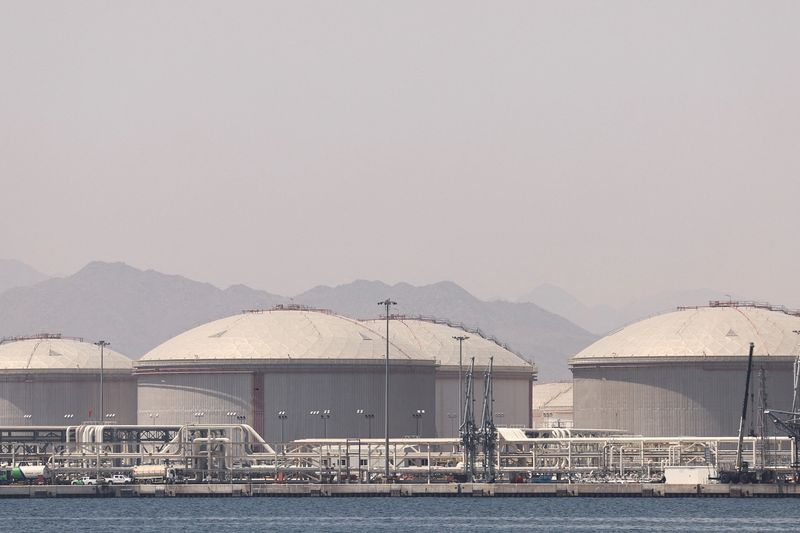
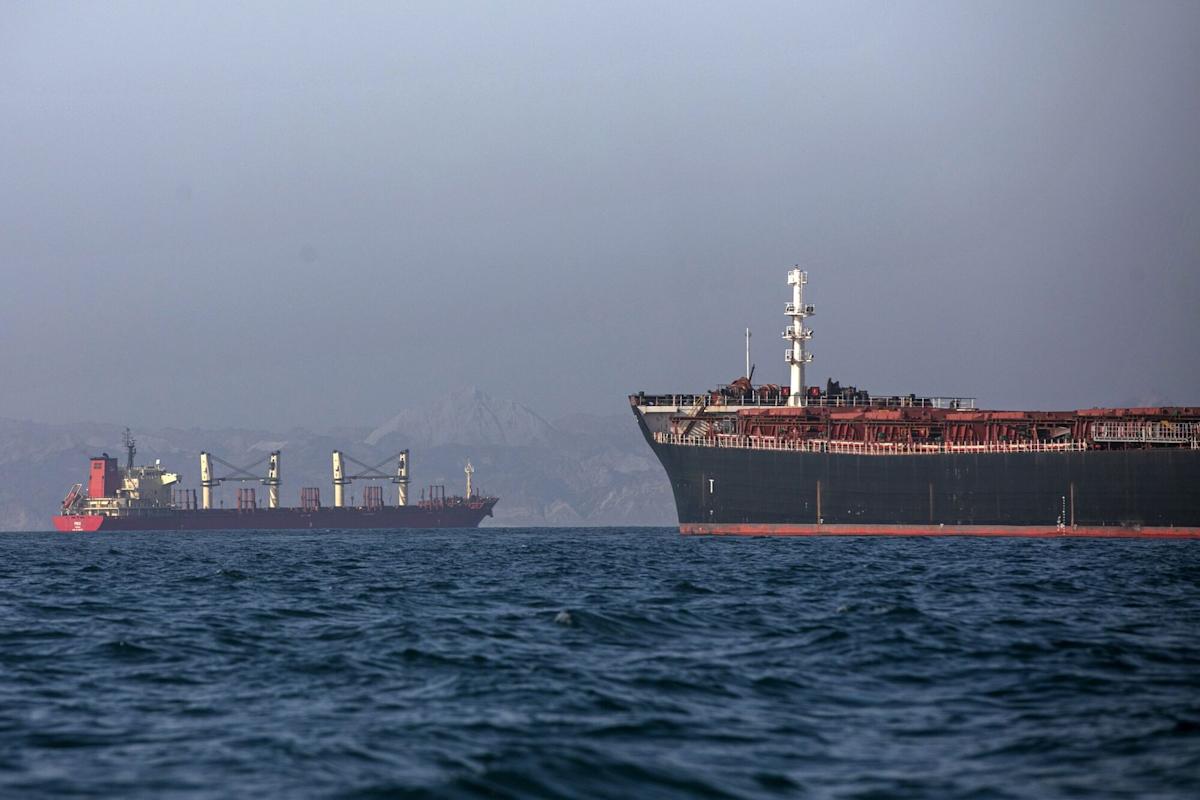
- Middle East Impact: The ongoing conflict in the Middle East has disrupted global energy supply, leading to rising oil and natural gas prices, which investors should heed, especially in light of CEO Mike Wirth's warnings.
- Supply Shortage Risks: Wirth emphasizes that even after the conflict ends, energy prices may not have peaked due to depleting reserve buffers, potentially resulting in gasoline shortages in certain markets.
- Diversification Advantage: Beyond oil and gas production, Chevron also engages in energy transportation and processing, and its strong balance sheet (with a debt-to-equity ratio of just 0.25x) allows it to support its business and dividends during industry downturns.
- Long-term Investment Strategy: Despite the current volatility in energy prices, long-term investors should focus on Chevron's ability to survive the full energy cycle and its consistent annual dividend increases, with a current yield of 3.7%, which is above market levels.
Trade with 70% Backtested Accuracy
Stop guessing "Should I Buy CVX?" and start using high-conviction signals backed by rigorous historical data.
Sign up today to access powerful investing tools and make smarter, data-driven decisions.
Analyst Views on CVX
Wall Street analysts forecast CVX stock price to fall
19 Analyst Rating
15 Buy
4 Hold
0 Sell
Strong Buy
Current: 191.010

Low
158.00
Averages
176.95
High
206.00
Current: 191.010
Low
158.00
Averages
176.95
High
206.00
About CVX
Chevron Corporation is an integrated energy company. The Company produces crude oil and natural gas; manufactures transportation fuels, lubricants, petrochemicals and additives; and develops technologies that enhance its business and industry. The Company’s segments include Upstream and Downstream. Upstream operations consist primarily of exploring for, developing, producing and transporting crude oil and natural gas; liquefaction, transportation and regasification associated with LNG; transporting crude oil by major international oil export pipelines; processing, transporting, storage and marketing of natural gas; carbon capture and storage; and a gas-to-liquids plant. Downstream operations consist primarily of the refining of crude oil into petroleum products; marketing crude oil, refined products, and lubricants; manufacturing and marketing of renewable fuels, and transporting of crude oil and refined products by pipeline, marine vessel, motor equipment and rail car.
About the author

Emily J. Thompson
Emily J. Thompson, a Chartered Financial Analyst (CFA) with 12 years in investment research, graduated with honors from the Wharton School. Specializing in industrial and technology stocks, she provides in-depth analysis for Intellectia’s earnings and market brief reports.

Chevron CEO Warns of Middle East Conflict's Impact on Energy Prices


- Supply Shortage Warning: The ongoing conflict in the Middle East has disrupted the global energy market, limiting oil and natural gas supply, which leads to rising prices; even after the conflict ends, it will take time for the market to normalize, potentially causing energy prices to continue to rise.
- Production Insight: With Chevron producing three million barrels of oil daily, CEO Wirth warns of potential gasoline shortages in certain markets, indicating that investors should pay attention to this looming issue.
- Diversified Business Advantage: Chevron's operations extend beyond oil and gas production to include energy transportation and processing, which helps mitigate the dramatic swings often seen in the energy sector, enhancing its resilience during industry downturns.
- Long-Term Investment Strategy: While energy prices may rise in the short term, long-term investors should focus on Chevron's stability and its history of consistent dividend increases, with a current dividend yield of 3.7%, making it an attractive option in the market.
See More

Middle East Conflict Disrupts Energy Market
- Middle East Impact: The ongoing conflict in the Middle East has disrupted global energy supply, leading to rising oil and natural gas prices, which investors should heed, especially in light of CEO Mike Wirth's warnings.
- Supply Shortage Risks: Wirth emphasizes that even after the conflict ends, energy prices may not have peaked due to depleting reserve buffers, potentially resulting in gasoline shortages in certain markets.
- Diversification Advantage: Beyond oil and gas production, Chevron also engages in energy transportation and processing, and its strong balance sheet (with a debt-to-equity ratio of just 0.25x) allows it to support its business and dividends during industry downturns.
- Long-term Investment Strategy: Despite the current volatility in energy prices, long-term investors should focus on Chevron's ability to survive the full energy cycle and its consistent annual dividend increases, with a current yield of 3.7%, which is above market levels.
See More

Global Oil Demand Growth Slowing Amid EV Adoption
- Demand Growth Slowdown: The International Energy Agency projects that global oil demand growth will decelerate due to rising electric vehicle adoption, improved fuel efficiency, and a slowing Chinese economy, yet oil prices remain above $90 per barrel, indicating a complex market and investment opportunities.
- Strong Cash Flow: Despite skepticism about the long-term outlook for the energy sector, major companies like Chevron and TotalEnergies continue to generate substantial cash flow at elevated oil prices, with Chevron enhancing its production capacity in Guyana through the acquisition of Hess, thereby strengthening its market position.
- Diversified Investment Strategy: TotalEnergies has aggressively expanded into liquefied natural gas, solar, and wind sectors while maintaining significant upstream oil investments, which is expected to become increasingly important as Europe reduces its reliance on Russian natural gas.
- Ongoing Shareholder Returns: Both Chevron and TotalEnergies are returning substantial capital to shareholders through dividends and buybacks, with Chevron's dividend yield around 3.6% and TotalEnergies' yield near 4.5%, demonstrating stability in an uncertain market environment.
See More

Global Oil Demand Growth Slows Amid Supply Constraints
- Demand Growth Slowing: The International Energy Agency projects that global oil demand growth will decelerate due to rising electric vehicle adoption, improved fuel efficiency, and a slowing Chinese economy, yet oil prices remain above $90 per barrel, indicating a complex market with investment opportunities.
- Chevron's Financial Strength: Chevron continues to generate massive free cash flow at elevated oil prices and has expanded its long-term production capacity through the acquisition of Hess, particularly in the rapidly growing Guyana oil field, enhancing its competitive position in the market.
- TotalEnergies' Diversification: TotalEnergies has aggressively expanded into liquefied natural gas, solar, and wind sectors, now operating one of the world's largest LNG portfolios, which is expected to benefit from Europe's shift away from reliance on Russian gas, further strengthening its market position.
- Ongoing Shareholder Returns: Despite pressures on global oil prices, both Chevron and TotalEnergies continue to return capital to shareholders through dividends and buybacks, with Chevron's dividend yield around 3.6% and TotalEnergies near 4.5%, reflecting their stable financial strategies.
See More
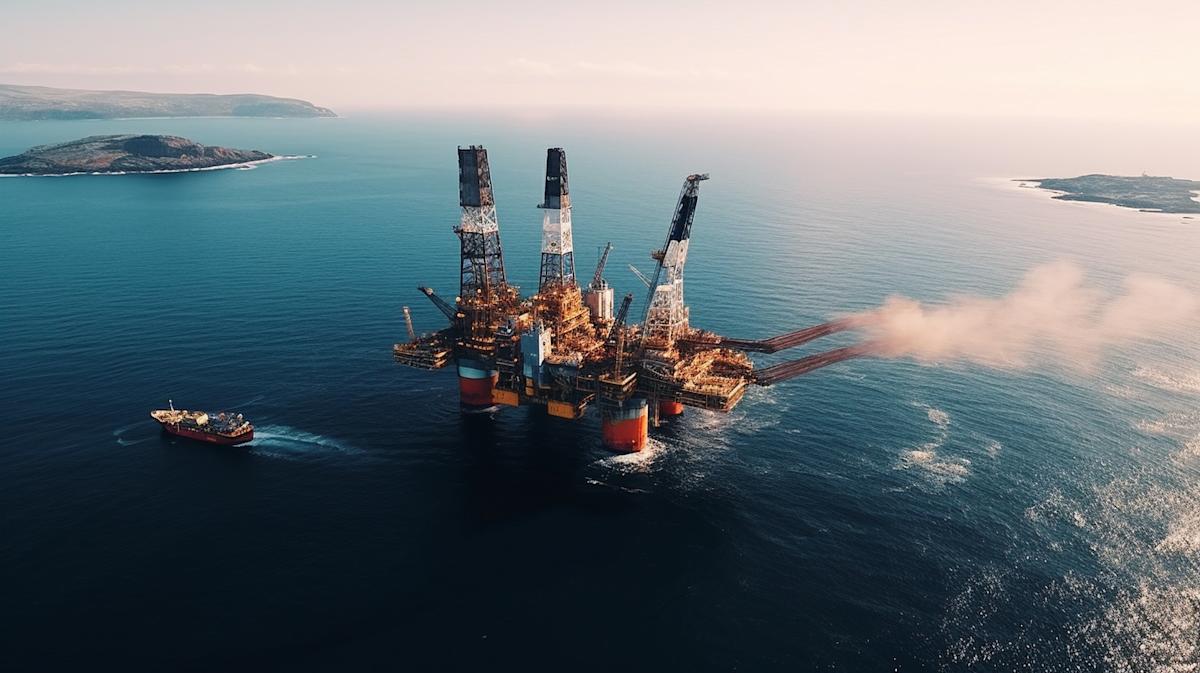
Exxon Mobil Shareholder Voting Recommendations

- Shareholder Voting Recommendations: Proxy advisory firms Glass Lewis and ISS have recommended that shareholders of Exxon Mobil (NYSE:XOM) and Chevron vote against certain board-related proposals, including Exxon’s redomicile to Texas, reflecting growing investor scrutiny on climate and human rights issues.
- Price Target Adjustment: Bernstein Research analyst Bob Brackett lowered Exxon Mobil's price target from $195 to $182 while maintaining an Outperform rating, indicating uncertainty in oil market scenarios but an expectation for a return to normalized conditions by mid-year.
- Market Position: Founded in 1870 and headquartered in Spring, Texas, Exxon Mobil is one of the world's largest integrated energy and chemical companies, involved in crude oil and natural gas exploration, refining, petrochemicals, fuels marketing, and specialty chemicals manufacturing.
- Investment Potential Analysis: While Exxon Mobil is recognized as a potential investment, analysts suggest that certain AI stocks may offer greater upside potential and lower downside risk, indicating a shift in market focus towards different investment opportunities.
See More

Occidental Petroleum Beats Q1 Earnings Estimates Significantly
- Earnings Beat: Occidental Petroleum reported Q1 earnings of $1.06 per share, significantly surpassing Wall Street's expectation of $0.59, although management acknowledged that better performance was possible, indicating potential in a high oil price environment.
- Oil Price Impact: With oil prices surging 85% in 2026, most of the increase occurred after March, resulting in Occidental only benefiting briefly from high prices in Q1, leading analysts to raise Q2 expectations to $1.58 per share.
- Hedging Challenges: Occidental's hedging strategy created headwinds in Q1, as it faced similar losses to Exxon and Chevron despite being less exposed to the Middle East, impacting short-term profitability.
- Strategic Restructuring: By selling its downstream business at the beginning of 2026, Occidental avoided the weak performance seen in refining operations, demonstrating effective strategic adjustments to optimize its business structure in a rising oil price environment.
See More
Chevron CEO Warns of Middle East Conflict's Impact on Energy Prices
- Supply Shortage Warning: The ongoing conflict in the Middle East has disrupted the global energy market, limiting oil and natural gas supply, which leads to rising prices; even after the conflict ends, it will take time for the market to normalize, potentially causing energy prices to continue to rise.
- Production Insight: With Chevron producing three million barrels of oil daily, CEO Wirth warns of potential gasoline shortages in certain markets, indicating that investors should pay attention to this looming issue.
- Diversified Business Advantage: Chevron's operations extend beyond oil and gas production to include energy transportation and processing, which helps mitigate the dramatic swings often seen in the energy sector, enhancing its resilience during industry downturns.
- Long-Term Investment Strategy: While energy prices may rise in the short term, long-term investors should focus on Chevron's stability and its history of consistent dividend increases, with a current dividend yield of 3.7%, making it an attractive option in the market.
See More
Middle East Conflict Disrupts Energy Market
- Middle East Impact: The ongoing conflict in the Middle East has disrupted global energy supply, leading to rising oil and natural gas prices, which investors should heed, especially in light of CEO Mike Wirth's warnings.
- Supply Shortage Risks: Wirth emphasizes that even after the conflict ends, energy prices may not have peaked due to depleting reserve buffers, potentially resulting in gasoline shortages in certain markets.
- Diversification Advantage: Beyond oil and gas production, Chevron also engages in energy transportation and processing, and its strong balance sheet (with a debt-to-equity ratio of just 0.25x) allows it to support its business and dividends during industry downturns.
- Long-term Investment Strategy: Despite the current volatility in energy prices, long-term investors should focus on Chevron's ability to survive the full energy cycle and its consistent annual dividend increases, with a current yield of 3.7%, which is above market levels.
See More
Global Oil Demand Growth Slowing Amid EV Adoption
- Demand Growth Slowdown: The International Energy Agency projects that global oil demand growth will decelerate due to rising electric vehicle adoption, improved fuel efficiency, and a slowing Chinese economy, yet oil prices remain above $90 per barrel, indicating a complex market and investment opportunities.
- Strong Cash Flow: Despite skepticism about the long-term outlook for the energy sector, major companies like Chevron and TotalEnergies continue to generate substantial cash flow at elevated oil prices, with Chevron enhancing its production capacity in Guyana through the acquisition of Hess, thereby strengthening its market position.
- Diversified Investment Strategy: TotalEnergies has aggressively expanded into liquefied natural gas, solar, and wind sectors while maintaining significant upstream oil investments, which is expected to become increasingly important as Europe reduces its reliance on Russian natural gas.
- Ongoing Shareholder Returns: Both Chevron and TotalEnergies are returning substantial capital to shareholders through dividends and buybacks, with Chevron's dividend yield around 3.6% and TotalEnergies' yield near 4.5%, demonstrating stability in an uncertain market environment.
See More
Global Oil Demand Growth Slows Amid Supply Constraints
- Demand Growth Slowing: The International Energy Agency projects that global oil demand growth will decelerate due to rising electric vehicle adoption, improved fuel efficiency, and a slowing Chinese economy, yet oil prices remain above $90 per barrel, indicating a complex market with investment opportunities.
- Chevron's Financial Strength: Chevron continues to generate massive free cash flow at elevated oil prices and has expanded its long-term production capacity through the acquisition of Hess, particularly in the rapidly growing Guyana oil field, enhancing its competitive position in the market.
- TotalEnergies' Diversification: TotalEnergies has aggressively expanded into liquefied natural gas, solar, and wind sectors, now operating one of the world's largest LNG portfolios, which is expected to benefit from Europe's shift away from reliance on Russian gas, further strengthening its market position.
- Ongoing Shareholder Returns: Despite pressures on global oil prices, both Chevron and TotalEnergies continue to return capital to shareholders through dividends and buybacks, with Chevron's dividend yield around 3.6% and TotalEnergies near 4.5%, reflecting their stable financial strategies.
See More
Exxon Mobil Shareholder Voting Recommendations
- Shareholder Voting Recommendations: Proxy advisory firms Glass Lewis and ISS have recommended that shareholders of Exxon Mobil (NYSE:XOM) and Chevron vote against certain board-related proposals, including Exxon’s redomicile to Texas, reflecting growing investor scrutiny on climate and human rights issues.
- Price Target Adjustment: Bernstein Research analyst Bob Brackett lowered Exxon Mobil's price target from $195 to $182 while maintaining an Outperform rating, indicating uncertainty in oil market scenarios but an expectation for a return to normalized conditions by mid-year.
- Market Position: Founded in 1870 and headquartered in Spring, Texas, Exxon Mobil is one of the world's largest integrated energy and chemical companies, involved in crude oil and natural gas exploration, refining, petrochemicals, fuels marketing, and specialty chemicals manufacturing.
- Investment Potential Analysis: While Exxon Mobil is recognized as a potential investment, analysts suggest that certain AI stocks may offer greater upside potential and lower downside risk, indicating a shift in market focus towards different investment opportunities.
See More
Occidental Petroleum Beats Q1 Earnings Estimates Significantly
- Earnings Beat: Occidental Petroleum reported Q1 earnings of $1.06 per share, significantly surpassing Wall Street's expectation of $0.59, although management acknowledged that better performance was possible, indicating potential in a high oil price environment.
- Oil Price Impact: With oil prices surging 85% in 2026, most of the increase occurred after March, resulting in Occidental only benefiting briefly from high prices in Q1, leading analysts to raise Q2 expectations to $1.58 per share.
- Hedging Challenges: Occidental's hedging strategy created headwinds in Q1, as it faced similar losses to Exxon and Chevron despite being less exposed to the Middle East, impacting short-term profitability.
- Strategic Restructuring: By selling its downstream business at the beginning of 2026, Occidental avoided the weak performance seen in refining operations, demonstrating effective strategic adjustments to optimize its business structure in a rising oil price environment.
See More