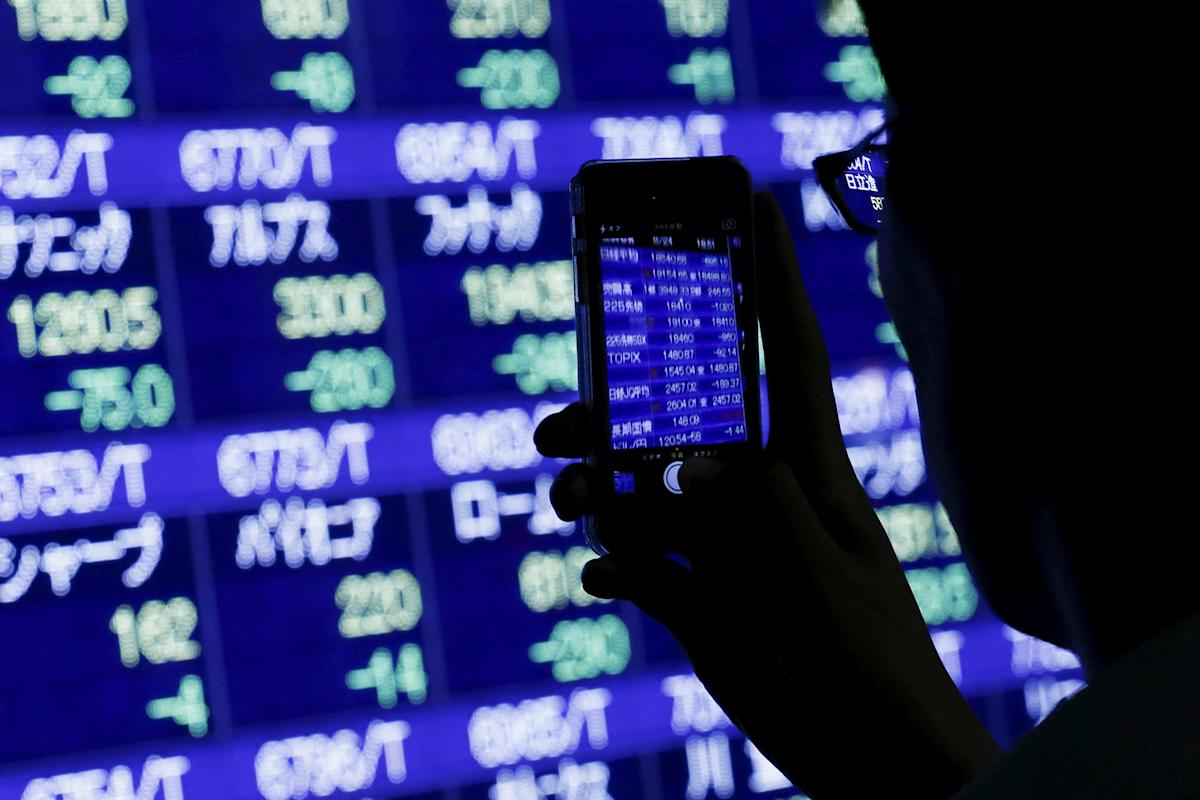
TSMC Reports 35% Revenue Growth in Q1
Written by Emily J. Thompson, Senior Investment Analyst
Updated: Apr 10 2026
0mins


Should l Buy TSM?
Source: CNBC
- TSMC's Strong Performance: TSMC reported a 35% year-over-year revenue increase in Q1, with March alone seeing a 45% surge, indicating robust demand in the semiconductor market that could help Nvidia's stock break free and join the ranks of memory stocks.
- Intel Price Target Raised: Melius Research raised Intel's price target from $58 to $75 while maintaining a buy rating, reflecting optimism about its partnerships with Elon Musk's Terafab project and Google, with CEO Lip-Bu Tan's leadership being widely acknowledged.
- UBS Downgrades ServiceNow: UBS downgraded ServiceNow from buy to hold, citing weakened confidence in its ability to withstand AI disruption, despite the stock already being down 41% year-to-date, indicating a significant shift in analyst sentiment.
- Southern Company Price Target Increased: Citi raised Southern Company's price target from $107 to $114, as analysts see growth potential amid the surge in demand for electricity driven by AI data centers, maintaining a buy rating and reflecting optimism in the utility sector.
Trade with 70% Backtested Accuracy
Stop guessing "Should I Buy TSM?" and start using high-conviction signals backed by rigorous historical data.
Sign up today to access powerful investing tools and make smarter, data-driven decisions.
Analyst Views on TSM
Wall Street analysts forecast TSM stock price to fall
8 Analyst Rating
7 Buy
1 Hold
0 Sell
Strong Buy
Current: 414.150

Low
63.24
Averages
313.46
High
390.00
Current: 414.150
Low
63.24
Averages
313.46
High
390.00
About TSM
Taiwan Semiconductor Manufacturing Co Ltd is a Taiwan-based integrated circuit foundry service provider. The Company is primarily engaged in integrated circuit manufacturing services. It offers advanced process technologies, specialised process solutions, advanced photomask and silicon stacking, and packaging-related technologies, while supporting a comprehensive design ecosystem. The Company's products serve diverse electronic sectors including artificial intelligence, high-performance computing, wired and wireless communications, automotive and industrial equipment, personal computing, information applications, consumer electronics, smart internet of things, and wearable devices.
About the author

Emily J. Thompson
Emily J. Thompson, a Chartered Financial Analyst (CFA) with 12 years in investment research, graduated with honors from the Wharton School. Specializing in industrial and technology stocks, she provides in-depth analysis for Intellectia’s earnings and market brief reports.
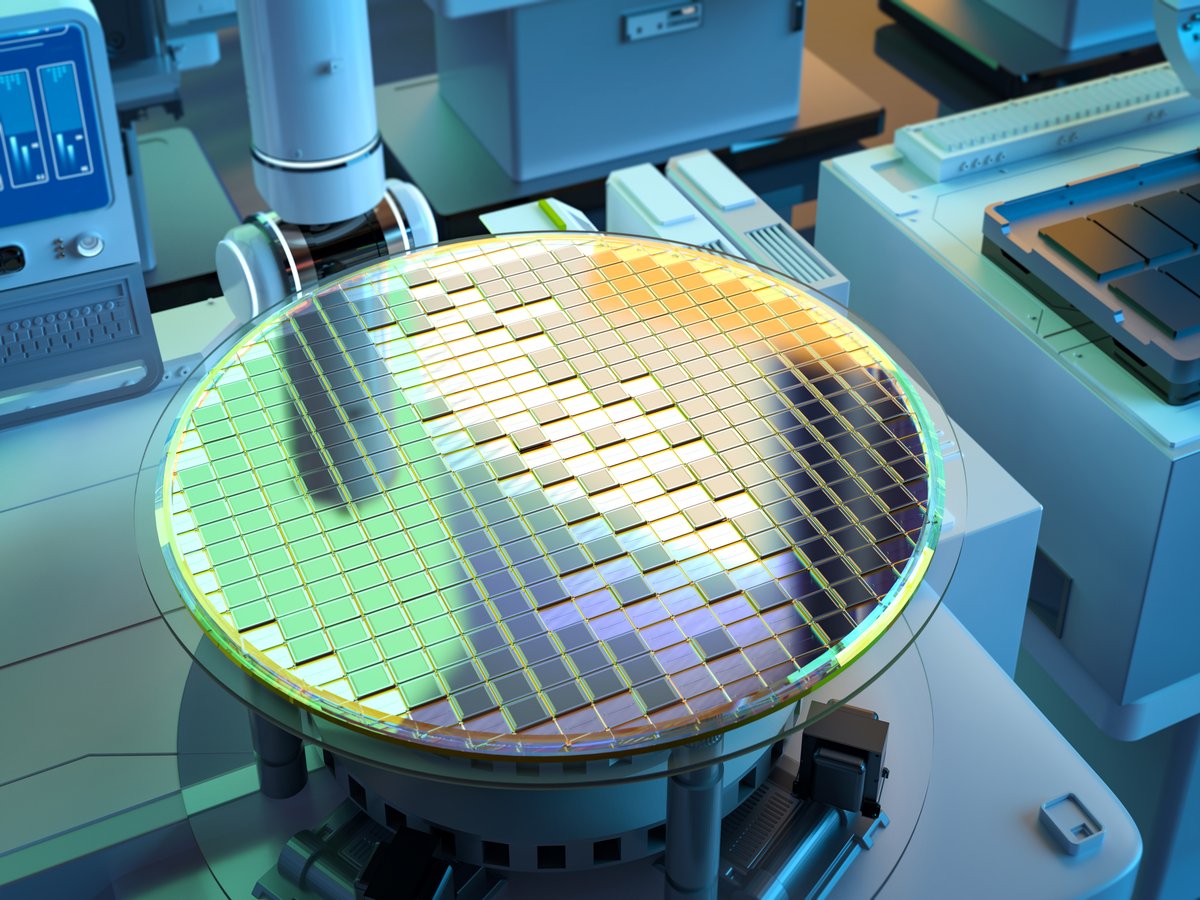
Taiwan Semiconductor: The Giant of the Semiconductor Industry

- Market Share Dominance: Taiwan Semiconductor controls 72% of the global pure foundry chip market, significantly outpacing its nearest competitor, Samsung, at 7%, which solidifies its leadership position in the AI hardware sector and further strengthens its market dominance.
- Strong Financial Performance: In 2025, Taiwan Semiconductor generated over $122 billion in revenue with a net profit margin of 44.5%, and its debt-to-equity ratio stands at a mere 0.2, showcasing its financial robustness in a capital-intensive industry.
- Quarterly Earnings Growth: In Q1 2026, Taiwan Semiconductor reported net revenue of $35.9 billion, a 40.6% increase year-over-year, with earnings per share (EPS) surging 58.3% and net profit margin rising to 50.5%, indicating a continued enhancement in profitability.
- Future Growth Outlook: Taiwan Semiconductor targets an operating margin of 56.5% to 58.5% for Q2 2026, with projected total revenue between $39 billion and $40.2 billion, and aims for a 30% revenue growth over 2025, reflecting strong growth potential.
See More

AI Companies' Strong Growth Fuels Market Confidence

- TSMC's Impressive Performance: Taiwan Semiconductor Manufacturing Company (TSMC) reported a 41% year-over-year revenue increase in Q1 2026, with gross margins rising to 66.2%, highlighting its strong growth in AI; the company projects a 35% revenue increase for Q2, solidifying its market leadership.
- Amazon's Cloud Services Surge: Amazon's Q1 results showed AWS achieving triple-digit revenue growth, with significant increases in customer spending on AI services, while its advertising business grew 24% year-over-year, indicating sustained competitiveness in the digital advertising market.
- Lemonade's Insurance Innovation: Lemonade's in-force premium rose 32% year-over-year, showcasing the appeal of its digital platform; despite ongoing losses, the company anticipates achieving positive EBITDA by year-end and net income next year, reflecting strong market potential.
- Market Confidence Rebounds: The strong performance of AI-related companies has boosted market confidence, with the S&P 500 rising 8%, as investors remain optimistic about the future growth prospects of these companies, particularly in technology and cloud computing investments.
See More

Taiwan Semiconductor Benefits from Massive Hyperscaler Spending
- TSMC Earnings Surge: In Q1 2026, Taiwan Semiconductor's revenue increased by 41% year-over-year, with gross margin rising to 66.2%, showcasing its strong growth in AI; the company projects a 35% revenue increase for Q2, further solidifying its market position.
- Amazon Cloud Services Growth: Amazon's Q1 report revealed triple-digit revenue growth in AWS, driven by customer demand for AI services, which is expected to continue attracting high-profile clients and enhancing its competitive edge in the cloud market.
- Lemonade Insurance Innovation: Lemonade's in-force premium grew by 32% year-over-year, with its digital platform and AI algorithms improving operational efficiency; despite ongoing losses, the company anticipates achieving positive EBITDA by year-end and net income next year, indicating significant market potential.
- Investment Opportunities Arise: Although TSMC was not listed among the best investment stocks by The Motley Fool, its ongoing growth in AI and rising market demand make it a focal point for investors, especially in the current market landscape.
See More

AI Companies' Strong Growth Fuels Market Confidence

- TSMC's Impressive Performance: Taiwan Semiconductor Manufacturing Company (TSMC) reported a 41% year-over-year revenue increase in Q1 2026, with gross margins rising to 66.2%, highlighting its strong growth in AI; the company projects a 35% revenue increase for Q2, solidifying its market leadership.
- Amazon's Cloud Strength: Amazon's Q1 results showed AWS achieving triple-digit revenue growth, particularly in AI services, with customer spending on core cloud services increasing, and advertising revenue up 24% year-over-year, showcasing its robust competitive position in cloud computing and advertising.
- Lemonade's Insurance Innovation: Lemonade's in-force premium grew by 32% year-over-year, and while still reporting losses, management anticipates positive EBITDA by year-end, indicating that its AI-driven business model is maturing and attracting investor interest.
- Market Investment Opportunities: With the rapid advancement of AI technology, companies like TSMC, Amazon, and Lemonade demonstrate strong long-term growth potential, presenting investors with opportunities to capitalize on this market wave, especially in the context of ongoing AI expansion.
See More

Taiwan Semiconductor Holds 72% Market Share with Continued Growth
- Market Dominance: Taiwan Semiconductor commands a 72% share of the pure foundry market, significantly outpacing its nearest competitor, Samsung, at 7%, which solidifies its critical role in global semiconductor production and ensures ongoing demand in the AI hardware sector.
- Strong Profitability: The company is projected to generate over $122 billion in revenue for 2025, with a net profit margin of 44.5%, demonstrating robust profitability in a capital-intensive industry, thereby reinforcing investor confidence.
- Impressive Quarterly Performance: In Q1 2026, Taiwan Semiconductor reported net revenue of $35.9 billion, a 40.6% increase year-over-year, with earnings per share (EPS) soaring by 58.3% and net profit margin rising to 50.5%, indicating strong business momentum.
- Optimistic Future Outlook: The company targets a 30% revenue growth for 2026 compared to 2025, with an operating margin goal of 56.5% to 58.5% for Q2, which is expected to further drive stock price appreciation and attract more investor interest.
See More
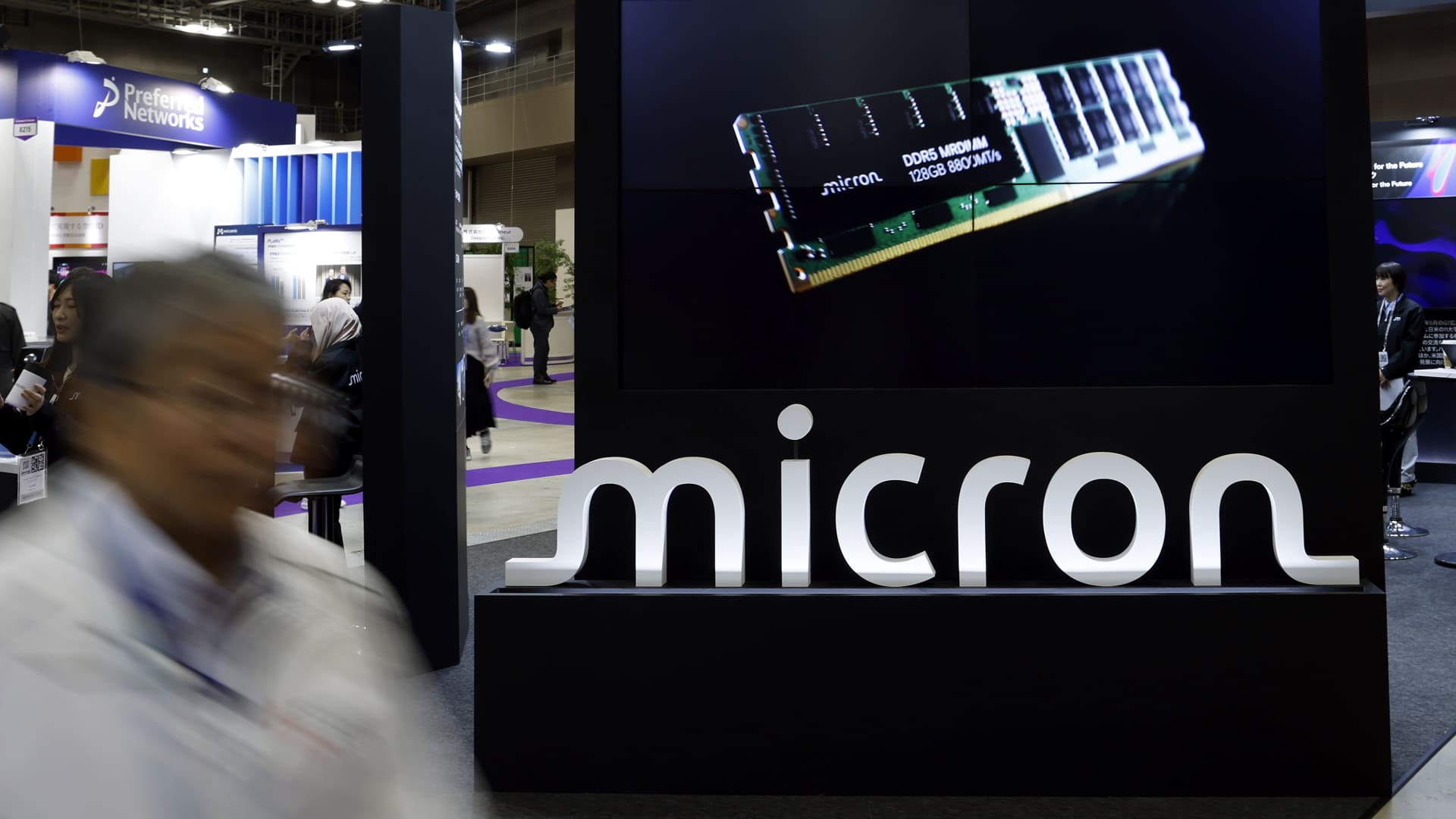
Roundhill Memory ETF DRAM Attracts Over $5 Billion in Investments

- Memory Supercycle: The Roundhill Memory ETF (DRAM) attracted over $5 billion in investments within a month, including $1.1 billion on Thursday alone, indicating strong market demand for memory stocks driven by surging AI computing needs.
- Core Holdings Performance: The ETF's core holdings feature leading memory manufacturers like SK Hynix, Micron, and Samsung, allowing investors to gain broad exposure to these high-growth companies, including those not listed on U.S. exchanges.
- Market Reaction: Micron's stock surged over 200 points in a week, climbing from $542 to $747, reflecting optimistic market expectations for memory product demand, with a price-to-earnings ratio of only 9 times projected earnings for the next 12 months, highlighting its appeal as a quality stock.
- Investment Opportunities: Despite waning interest in data center stocks, investors can still capitalize on potential gains in the memory and cooling sectors by purchasing instruments like the DRAM ETF, especially as major tech companies continue to invest heavily in data centers.
See More
Taiwan Semiconductor: The Giant of the Semiconductor Industry
- Market Share Dominance: Taiwan Semiconductor controls 72% of the global pure foundry chip market, significantly outpacing its nearest competitor, Samsung, at 7%, which solidifies its leadership position in the AI hardware sector and further strengthens its market dominance.
- Strong Financial Performance: In 2025, Taiwan Semiconductor generated over $122 billion in revenue with a net profit margin of 44.5%, and its debt-to-equity ratio stands at a mere 0.2, showcasing its financial robustness in a capital-intensive industry.
- Quarterly Earnings Growth: In Q1 2026, Taiwan Semiconductor reported net revenue of $35.9 billion, a 40.6% increase year-over-year, with earnings per share (EPS) surging 58.3% and net profit margin rising to 50.5%, indicating a continued enhancement in profitability.
- Future Growth Outlook: Taiwan Semiconductor targets an operating margin of 56.5% to 58.5% for Q2 2026, with projected total revenue between $39 billion and $40.2 billion, and aims for a 30% revenue growth over 2025, reflecting strong growth potential.
See More
AI Companies' Strong Growth Fuels Market Confidence
- TSMC's Impressive Performance: Taiwan Semiconductor Manufacturing Company (TSMC) reported a 41% year-over-year revenue increase in Q1 2026, with gross margins rising to 66.2%, highlighting its strong growth in AI; the company projects a 35% revenue increase for Q2, solidifying its market leadership.
- Amazon's Cloud Services Surge: Amazon's Q1 results showed AWS achieving triple-digit revenue growth, with significant increases in customer spending on AI services, while its advertising business grew 24% year-over-year, indicating sustained competitiveness in the digital advertising market.
- Lemonade's Insurance Innovation: Lemonade's in-force premium rose 32% year-over-year, showcasing the appeal of its digital platform; despite ongoing losses, the company anticipates achieving positive EBITDA by year-end and net income next year, reflecting strong market potential.
- Market Confidence Rebounds: The strong performance of AI-related companies has boosted market confidence, with the S&P 500 rising 8%, as investors remain optimistic about the future growth prospects of these companies, particularly in technology and cloud computing investments.
See More
Taiwan Semiconductor Benefits from Massive Hyperscaler Spending
- TSMC Earnings Surge: In Q1 2026, Taiwan Semiconductor's revenue increased by 41% year-over-year, with gross margin rising to 66.2%, showcasing its strong growth in AI; the company projects a 35% revenue increase for Q2, further solidifying its market position.
- Amazon Cloud Services Growth: Amazon's Q1 report revealed triple-digit revenue growth in AWS, driven by customer demand for AI services, which is expected to continue attracting high-profile clients and enhancing its competitive edge in the cloud market.
- Lemonade Insurance Innovation: Lemonade's in-force premium grew by 32% year-over-year, with its digital platform and AI algorithms improving operational efficiency; despite ongoing losses, the company anticipates achieving positive EBITDA by year-end and net income next year, indicating significant market potential.
- Investment Opportunities Arise: Although TSMC was not listed among the best investment stocks by The Motley Fool, its ongoing growth in AI and rising market demand make it a focal point for investors, especially in the current market landscape.
See More
AI Companies' Strong Growth Fuels Market Confidence
- TSMC's Impressive Performance: Taiwan Semiconductor Manufacturing Company (TSMC) reported a 41% year-over-year revenue increase in Q1 2026, with gross margins rising to 66.2%, highlighting its strong growth in AI; the company projects a 35% revenue increase for Q2, solidifying its market leadership.
- Amazon's Cloud Strength: Amazon's Q1 results showed AWS achieving triple-digit revenue growth, particularly in AI services, with customer spending on core cloud services increasing, and advertising revenue up 24% year-over-year, showcasing its robust competitive position in cloud computing and advertising.
- Lemonade's Insurance Innovation: Lemonade's in-force premium grew by 32% year-over-year, and while still reporting losses, management anticipates positive EBITDA by year-end, indicating that its AI-driven business model is maturing and attracting investor interest.
- Market Investment Opportunities: With the rapid advancement of AI technology, companies like TSMC, Amazon, and Lemonade demonstrate strong long-term growth potential, presenting investors with opportunities to capitalize on this market wave, especially in the context of ongoing AI expansion.
See More
Taiwan Semiconductor Holds 72% Market Share with Continued Growth
- Market Dominance: Taiwan Semiconductor commands a 72% share of the pure foundry market, significantly outpacing its nearest competitor, Samsung, at 7%, which solidifies its critical role in global semiconductor production and ensures ongoing demand in the AI hardware sector.
- Strong Profitability: The company is projected to generate over $122 billion in revenue for 2025, with a net profit margin of 44.5%, demonstrating robust profitability in a capital-intensive industry, thereby reinforcing investor confidence.
- Impressive Quarterly Performance: In Q1 2026, Taiwan Semiconductor reported net revenue of $35.9 billion, a 40.6% increase year-over-year, with earnings per share (EPS) soaring by 58.3% and net profit margin rising to 50.5%, indicating strong business momentum.
- Optimistic Future Outlook: The company targets a 30% revenue growth for 2026 compared to 2025, with an operating margin goal of 56.5% to 58.5% for Q2, which is expected to further drive stock price appreciation and attract more investor interest.
See More
Roundhill Memory ETF DRAM Attracts Over $5 Billion in Investments
- Memory Supercycle: The Roundhill Memory ETF (DRAM) attracted over $5 billion in investments within a month, including $1.1 billion on Thursday alone, indicating strong market demand for memory stocks driven by surging AI computing needs.
- Core Holdings Performance: The ETF's core holdings feature leading memory manufacturers like SK Hynix, Micron, and Samsung, allowing investors to gain broad exposure to these high-growth companies, including those not listed on U.S. exchanges.
- Market Reaction: Micron's stock surged over 200 points in a week, climbing from $542 to $747, reflecting optimistic market expectations for memory product demand, with a price-to-earnings ratio of only 9 times projected earnings for the next 12 months, highlighting its appeal as a quality stock.
- Investment Opportunities: Despite waning interest in data center stocks, investors can still capitalize on potential gains in the memory and cooling sectors by purchasing instruments like the DRAM ETF, especially as major tech companies continue to invest heavily in data centers.
See More