Trump Raises Global Tariffs, Causing Market Volatility
Written by Emily J. Thompson, Senior Investment Analyst
Updated: Feb 23 2026
0mins



Should l Buy WDAY?
Source: CNBC
- Market Reaction: Trump's announcement to raise global tariffs from 10% to 15% led to a market decline on Monday, with CrowdStrike's stock dropping over 9%, reflecting investor concerns about tariff policy uncertainty and tech stock valuations.
- Alphabet Upgrade: Wells Fargo upgraded Alphabet from hold to buy and raised its price target from $354 to $387, with a projected 60% revenue growth for Google Cloud in 2026, exceeding consensus by 11%, highlighting its leadership in AI capabilities.
- Home Depot Earnings Outlook: Home Depot is set to report earnings before the bell on Tuesday, with analysts predicting a slight decline in same-store sales, although the company’s 2026 guidance suggests flat to 2% growth, making it attractive during a rate-cut cycle according to Jim.
- Rapid Fire Recap: Other stocks mentioned in Monday's video include Workday, CBRE Group, VF Corp, and Domino's Pizza, indicating a focus on diversified investment opportunities.
Trade with 70% Backtested Accuracy
Stop guessing "Should I Buy WDAY?" and start using high-conviction signals backed by rigorous historical data.
Sign up today to access powerful investing tools and make smarter, data-driven decisions.
Analyst Views on WDAY
Wall Street analysts forecast WDAY stock price to rise
31 Analyst Rating
22 Buy
9 Hold
0 Sell
Moderate Buy
Current: 123.830

Low
235.00
Averages
275.19
High
325.00
Current: 123.830
Low
235.00
Averages
275.19
High
325.00
About WDAY
Workday, Inc. is a provider of an artificial intelligence (AI) platform to help organizations manage their people, money, and agents. The Company provides over 11,000 organizations with cloud solutions powered by AI to help solve business challenges, including supporting and empowering their workforce, managing their finances and spending in an ever-changing environment, and planning for the unexpected. It offers Financial Management, Spend Management, Human Capital Management (HCM), Planning, and Analytics applications. The Company sells its solutions worldwide primarily through direct sales. It also offers professional services, both directly and through its Workday Services Partners, to help customers deploy its solutions. It offers businesses flexible solutions to help them adapt to their industry-specific needs and respond to change. It serves various industries, including professional and business services, financial services, healthcare, education, government, and others.
About the author

Emily J. Thompson
Emily J. Thompson, a Chartered Financial Analyst (CFA) with 12 years in investment research, graduated with honors from the Wharton School. Specializing in industrial and technology stocks, she provides in-depth analysis for Intellectia’s earnings and market brief reports.

U.S. Stocks Decline Amid Soaring Oil Prices


- Oil Price Surge Impacts Markets: The S&P 500 index fell 0.41%, the Dow Jones Industrial Average dropped 0.31%, and the Nasdaq 100 index declined 0.66% as WTI crude oil prices surged over 5%, indicating market sensitivity to rising energy costs amid doubts about peace talks regarding the Iran war.
- Geopolitical Risks Escalate: Iran's closure of the Strait of Hormuz has raised market concerns, especially following U.S. Navy actions against Iranian tankers, which could exacerbate global oil and fuel shortages, further increasing market uncertainty.
- Earnings Season Continues: So far, 81% of the 48 S&P 500 companies that reported earnings have beaten estimates, with Q1 earnings projected to rise 12% year-over-year; however, excluding the tech sector, the growth is only 3%, indicating signs of overall economic weakness.
- Airline Stocks Under Pressure: Airline and cruise line stocks are broadly down due to rising oil prices, with Norwegian Cruise Line Holdings down over 5% and American Airlines Group down over 4%, reflecting the negative impact of high fuel costs on company profits.
See More
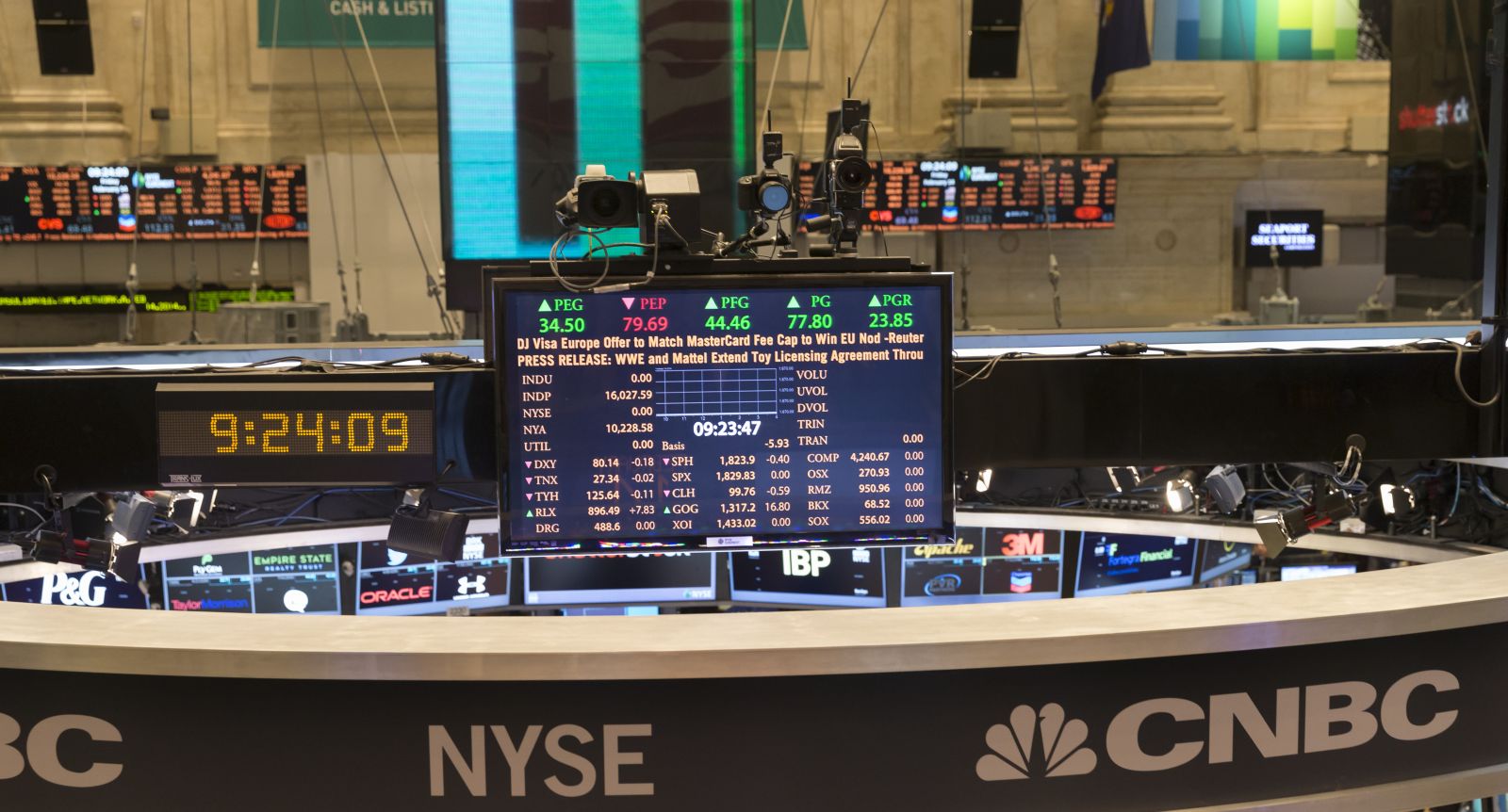
Oil Price Surge Leads to Market Decline
- Market Decline: The S&P 500 index fell by 0.21%, the Dow Jones Industrial Average by 0.04%, and the Nasdaq 100 by 0.24%, indicating investor concerns over rising oil prices that could impact corporate earnings and overall market confidence.
- Oil Price Surge: WTI crude oil prices increased by over 5% due to the closure of the Strait of Hormuz following the US's refusal to lift its naval blockade on Iranian vessels, which could exacerbate global oil and fuel shortages and raise operational costs for affected industries.
- Earnings Expectations: So far, 81% of the 48 S&P 500 companies that reported earnings have exceeded estimates, with Q1 earnings projected to rise by 12% year-over-year; however, excluding the tech sector, growth is only expected to be 3%, indicating signs of an overall economic slowdown.
- Airline and Chip Stocks Under Pressure: Airline stocks are down due to rising fuel costs, with Norwegian Cruise Line Holdings falling over 6%, while chipmakers like Intel are also down more than 2%, reflecting the negative impact of high oil prices across multiple sectors.
See More

US Stocks Dip Slightly as Chipmakers Weigh on Market


- Market Performance: The S&P 500 index fell by 0.15%, the Dow Jones Industrial Average decreased by 0.06%, and the Nasdaq 100 dropped by 0.21%, indicating a slight market pullback after reaching new highs, particularly pressured by weakness in chipmakers.
- Economic Data: Initial jobless claims in the US fell by 11,000 to 207,000, indicating a stronger labor market than the expected 213,000; additionally, the Philadelphia Fed business outlook unexpectedly rose by 8.6 to a 15-month high of 26.7, reflecting potential economic recovery.
- Oil Price Fluctuations: WTI crude oil prices increased by over 1% as the US naval blockade of the Strait of Hormuz enters its fourth day, which could exacerbate global oil and fuel shortages, impacting future energy market stability.
- Earnings Season: Q1 earnings for the S&P 500 are projected to rise by 12% year-over-year, but excluding the technology sector, the earnings growth is only 3%, the lowest in two years, indicating a cautious market outlook on profit growth.
See More

US Stocks Close: S&P 500 Hits All-Time High


- Market Performance: On Wednesday, the S&P 500 rose by 0.80% and the Nasdaq 100 by 1.40%, reaching all-time highs, reflecting investor optimism regarding a potential peace deal in the Middle East, which may boost market confidence.
- Economic Data: The April Empire Manufacturing Survey index increased by 11.2 to 11.0, surpassing expectations and indicating improved economic activity that could support the stock market, while the NAHB housing market index fell to a 7-month low, signaling weakness in the real estate sector.
- Interest Rate Dynamics: The 10-year Treasury yield rose to 4.276% as optimism over the US-Iran ceasefire eased safe-haven demand for Treasuries, potentially leading investors to reassess future rate policies amid mixed economic signals.
- Sector Volatility: Software stocks surged, with Atlassian up over 10%, while industrial stocks fell broadly due to concerns over US metals tariffs, exemplified by Carrier Global's decline of over 9%, highlighting significant sector divergence.
See More

US Stocks Show Mixed Movement Amid Optimism Over Middle East Peace Talks
- Market Performance: The S&P 500 Index rose by 0.36%, reaching a two-month high, while the Nasdaq 100 increased by 0.63%, marking a 2.5-month high, reflecting investor optimism surrounding potential peace talks in the Middle East.
- Economic Data: The April Empire Manufacturing Survey reported a rise of 11.2 in the general business conditions index to 11.0, surpassing expectations, indicating a robust manufacturing recovery; however, the April NAHB housing market index fell to 34, signaling weakness in the housing sector that could dampen investor confidence.
- Oil Price Fluctuations: WTI crude oil prices increased by over 1% due to the U.S. naval blockade in the Strait of Hormuz, which could exacerbate global oil and fuel shortages, impacting profitability in related sectors.
- Earnings Season: Q1 earnings for the S&P 500 are projected to grow by 12% year-over-year, but excluding the technology sector, growth is only expected to be around 3%, indicating a slowdown in overall earnings growth that may affect market sentiment.
See More

US Stocks Show Modest Gains Amid Optimism Over Middle East Peace Talks
- Market Performance: The S&P 500 index rose by 0.10% and the Nasdaq 100 by 0.15%, reflecting optimism surrounding potential peace talks in the Middle East, with the S&P 500 reaching a two-month high and the Nasdaq 100 a 2.5-month high.
- Supportive Economic Data: The April Empire manufacturing survey reported a rise of 11.2 in the general business conditions index to a five-month high of 11.0, surpassing expectations of 0.0, indicating a strong economic recovery that could further boost investor confidence.
- Impact of Rising Oil Prices: WTI crude oil prices increased by over 1% as the US implemented a naval blockade in the Strait of Hormuz, potentially exacerbating global oil and fuel shortages, which could affect market supply-demand dynamics and lead to stock volatility.
- Earnings Season Insights: Q1 earnings for the S&P 500 are projected to grow by 12% year-over-year, but excluding the technology sector, growth is only expected at 3%, indicating a lack of overall earnings momentum that may affect long-term investor confidence.
See More
U.S. Stocks Decline Amid Soaring Oil Prices
- Oil Price Surge Impacts Markets: The S&P 500 index fell 0.41%, the Dow Jones Industrial Average dropped 0.31%, and the Nasdaq 100 index declined 0.66% as WTI crude oil prices surged over 5%, indicating market sensitivity to rising energy costs amid doubts about peace talks regarding the Iran war.
- Geopolitical Risks Escalate: Iran's closure of the Strait of Hormuz has raised market concerns, especially following U.S. Navy actions against Iranian tankers, which could exacerbate global oil and fuel shortages, further increasing market uncertainty.
- Earnings Season Continues: So far, 81% of the 48 S&P 500 companies that reported earnings have beaten estimates, with Q1 earnings projected to rise 12% year-over-year; however, excluding the tech sector, the growth is only 3%, indicating signs of overall economic weakness.
- Airline Stocks Under Pressure: Airline and cruise line stocks are broadly down due to rising oil prices, with Norwegian Cruise Line Holdings down over 5% and American Airlines Group down over 4%, reflecting the negative impact of high fuel costs on company profits.
See More
Oil Price Surge Leads to Market Decline
- Market Decline: The S&P 500 index fell by 0.21%, the Dow Jones Industrial Average by 0.04%, and the Nasdaq 100 by 0.24%, indicating investor concerns over rising oil prices that could impact corporate earnings and overall market confidence.
- Oil Price Surge: WTI crude oil prices increased by over 5% due to the closure of the Strait of Hormuz following the US's refusal to lift its naval blockade on Iranian vessels, which could exacerbate global oil and fuel shortages and raise operational costs for affected industries.
- Earnings Expectations: So far, 81% of the 48 S&P 500 companies that reported earnings have exceeded estimates, with Q1 earnings projected to rise by 12% year-over-year; however, excluding the tech sector, growth is only expected to be 3%, indicating signs of an overall economic slowdown.
- Airline and Chip Stocks Under Pressure: Airline stocks are down due to rising fuel costs, with Norwegian Cruise Line Holdings falling over 6%, while chipmakers like Intel are also down more than 2%, reflecting the negative impact of high oil prices across multiple sectors.
See More
US Stocks Dip Slightly as Chipmakers Weigh on Market
- Market Performance: The S&P 500 index fell by 0.15%, the Dow Jones Industrial Average decreased by 0.06%, and the Nasdaq 100 dropped by 0.21%, indicating a slight market pullback after reaching new highs, particularly pressured by weakness in chipmakers.
- Economic Data: Initial jobless claims in the US fell by 11,000 to 207,000, indicating a stronger labor market than the expected 213,000; additionally, the Philadelphia Fed business outlook unexpectedly rose by 8.6 to a 15-month high of 26.7, reflecting potential economic recovery.
- Oil Price Fluctuations: WTI crude oil prices increased by over 1% as the US naval blockade of the Strait of Hormuz enters its fourth day, which could exacerbate global oil and fuel shortages, impacting future energy market stability.
- Earnings Season: Q1 earnings for the S&P 500 are projected to rise by 12% year-over-year, but excluding the technology sector, the earnings growth is only 3%, the lowest in two years, indicating a cautious market outlook on profit growth.
See More
US Stocks Close: S&P 500 Hits All-Time High
- Market Performance: On Wednesday, the S&P 500 rose by 0.80% and the Nasdaq 100 by 1.40%, reaching all-time highs, reflecting investor optimism regarding a potential peace deal in the Middle East, which may boost market confidence.
- Economic Data: The April Empire Manufacturing Survey index increased by 11.2 to 11.0, surpassing expectations and indicating improved economic activity that could support the stock market, while the NAHB housing market index fell to a 7-month low, signaling weakness in the real estate sector.
- Interest Rate Dynamics: The 10-year Treasury yield rose to 4.276% as optimism over the US-Iran ceasefire eased safe-haven demand for Treasuries, potentially leading investors to reassess future rate policies amid mixed economic signals.
- Sector Volatility: Software stocks surged, with Atlassian up over 10%, while industrial stocks fell broadly due to concerns over US metals tariffs, exemplified by Carrier Global's decline of over 9%, highlighting significant sector divergence.
See More
US Stocks Show Mixed Movement Amid Optimism Over Middle East Peace Talks
- Market Performance: The S&P 500 Index rose by 0.36%, reaching a two-month high, while the Nasdaq 100 increased by 0.63%, marking a 2.5-month high, reflecting investor optimism surrounding potential peace talks in the Middle East.
- Economic Data: The April Empire Manufacturing Survey reported a rise of 11.2 in the general business conditions index to 11.0, surpassing expectations, indicating a robust manufacturing recovery; however, the April NAHB housing market index fell to 34, signaling weakness in the housing sector that could dampen investor confidence.
- Oil Price Fluctuations: WTI crude oil prices increased by over 1% due to the U.S. naval blockade in the Strait of Hormuz, which could exacerbate global oil and fuel shortages, impacting profitability in related sectors.
- Earnings Season: Q1 earnings for the S&P 500 are projected to grow by 12% year-over-year, but excluding the technology sector, growth is only expected to be around 3%, indicating a slowdown in overall earnings growth that may affect market sentiment.
See More
US Stocks Show Modest Gains Amid Optimism Over Middle East Peace Talks
- Market Performance: The S&P 500 index rose by 0.10% and the Nasdaq 100 by 0.15%, reflecting optimism surrounding potential peace talks in the Middle East, with the S&P 500 reaching a two-month high and the Nasdaq 100 a 2.5-month high.
- Supportive Economic Data: The April Empire manufacturing survey reported a rise of 11.2 in the general business conditions index to a five-month high of 11.0, surpassing expectations of 0.0, indicating a strong economic recovery that could further boost investor confidence.
- Impact of Rising Oil Prices: WTI crude oil prices increased by over 1% as the US implemented a naval blockade in the Strait of Hormuz, potentially exacerbating global oil and fuel shortages, which could affect market supply-demand dynamics and lead to stock volatility.
- Earnings Season Insights: Q1 earnings for the S&P 500 are projected to grow by 12% year-over-year, but excluding the technology sector, growth is only expected at 3%, indicating a lack of overall earnings momentum that may affect long-term investor confidence.
See More