Trump Administration Increases Investments in Critical Minerals
Written by Emily J. Thompson, Senior Investment Analyst
Updated: Feb 07 2026
0mins


Source: CNBC
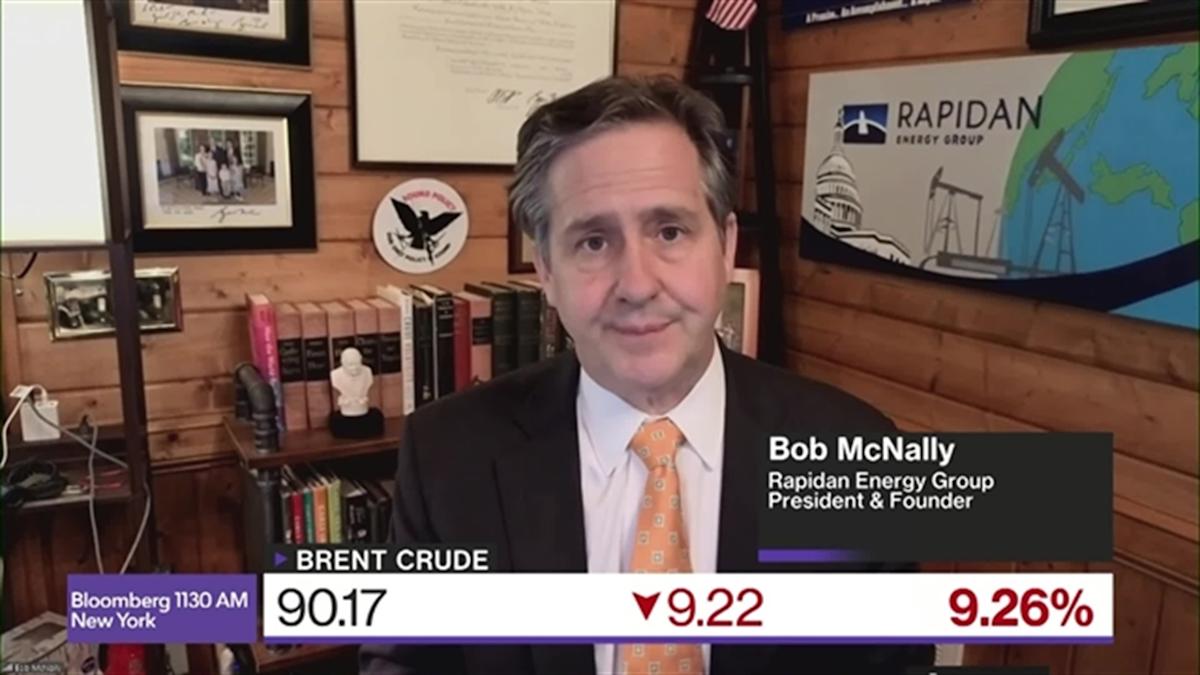
- Surge in Investments: The Trump administration has made unprecedented equity investments in at least 10 companies over the past year, including critical minerals and chipmakers, aiming to build a domestic supply chain and reduce reliance on China, indicating a proactive government role in economic strategy.
- U.S. Steel Golden Share: The administration secured a golden share in U.S. Steel as a condition for approving Nippon Steel's acquisition, granting the president veto power over key business decisions, which ensures stability and growth in the U.S. steel industry, reflecting direct government intervention in vital sectors.
- Strategic Deal with MP Materials: The Defense Department struck a landmark deal with MP Materials, investing $400 million in preferred stock with rights to purchase additional shares, positioning the Pentagon as the largest single shareholder and further solidifying U.S. dominance in the rare earth mining sector.
- L3Harris and Defense Partnership: L3Harris announced a proposed partnership with the U.S. government, where the Pentagon will invest $1 billion in its rocket motor business, with plans for an IPO in the second half of 2026, allowing the Pentagon's investment to convert into common equity, enhancing the capital base of the defense industry.
Trade with 70% Backtested Accuracy
Stop guessing "Should I Buy LMT?" and start using high-conviction signals backed by rigorous historical data.
Sign up today to access powerful investing tools and make smarter, data-driven decisions.
Analyst Views on LMT
Wall Street analysts forecast LMT stock price to fall
12 Analyst Rating
4 Buy
7 Hold
1 Sell
Hold
Current: 581.280

Low
430.00
Averages
535.50
High
605.00
Current: 581.280
Low
430.00
Averages
535.50
High
605.00
About LMT
Lockheed Martin Corporation is a global aerospace and defense company. The Company is engaged in the research, design, development, manufacture, integration and sustainment of advanced technology systems, products and services. Its segments include Aeronautics, Missiles and Fire Control (MFC), Rotary and Mission Systems (RMS) and Space. Aeronautics segment is engaged in the research, design, development, manufacture, integration, sustainment, support and upgrade of advanced military aircraft. MFC segment provides air and missile defense systems, manned and unmanned ground vehicles, energy management solutions, and others. RMS segment designs, manufactures, services and supports various military and commercial helicopters, surface ships, sea and land-based missile defense systems, and others. Its Space segment is engaged in the research and design, development, engineering and production of satellites, space transportation systems, and strategic, advanced strike, and defensive systems.
About the author

Emily J. Thompson
Emily J. Thompson, a Chartered Financial Analyst (CFA) with 12 years in investment research, graduated with honors from the Wharton School. Specializing in industrial and technology stocks, she provides in-depth analysis for Intellectia’s earnings and market brief reports.
Successful Launch of GPS III SV10 Satellite Enhances Navigation Resilience

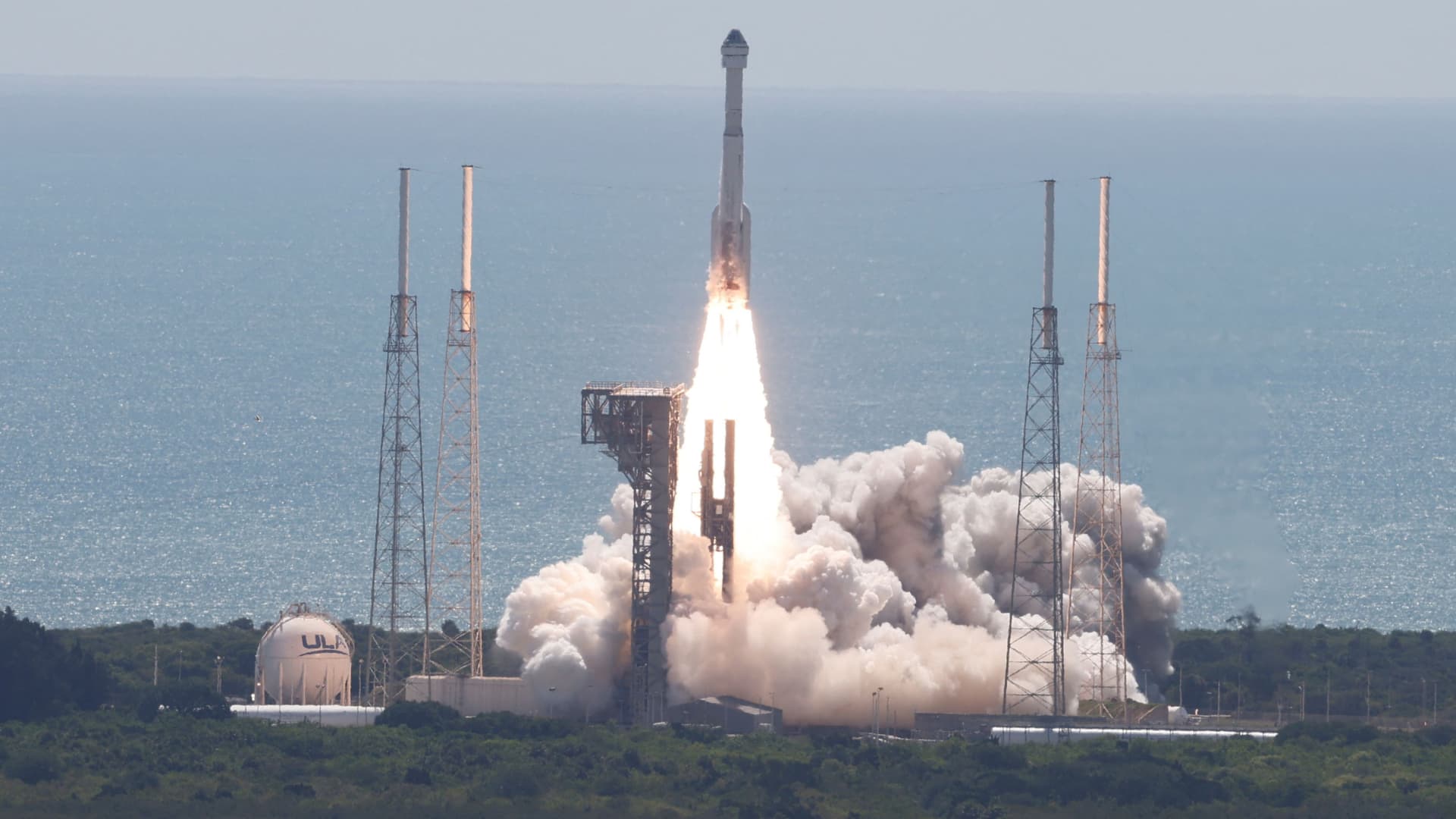
- Successful Satellite Launch: Lockheed Martin successfully launched the GPS III SV10 satellite on April 21, 2026, marking a significant milestone in enhancing the resilience and accuracy of the global positioning system to unprecedented levels.
- Optical Crosslink Demonstration: The SV10 satellite features an optical crosslink demonstration payload, enabling direct communication between satellites in space, thereby increasing on-orbit resiliency and ensuring the robust capabilities of the upcoming GPS IIIF series.
- Enhanced Anti-Jamming Capabilities: The GPS IIIF series will deliver over a 60-fold increase in anti-jamming performance, significantly improving military users' positioning, navigation, and timing capabilities in contested environments, thus maintaining an edge against evolving electronic warfare threats.
- Production of Next-Gen Satellites: Lockheed Martin is actively producing 12 GPS IIIF satellites at its Colorado facility, integrating augmented reality and digital twin technologies to accelerate satellite production, which is essential for maintaining reliable global coverage.
See More

Investors Show Increased Interest in Defense Stocks Amid War
- Increased Focus on Defense Stocks: During wartime, investors are showing heightened interest in defense stocks, reflecting a growing demand for security and stability, which is driving up the stock prices of related companies.
- AI and the Trillionaire Debate: The discussion around whether AI will create the world's first trillionaire is intensifying, indicating investors' focus on the future potential of the tech sector, which could spark a surge in investments in related technology companies.
- Emerging Company Spotlight: A report highlights a little-known company dubbed an 'Indispensable Monopoly' that provides critical technology needed by Nvidia and Intel, potentially positioning it as a key player in the market and attracting investor attention.
- Investment Recommendations and Returns: While Lockheed Martin is recommended, analysts note that it is not among the best stocks currently identified, emphasizing the presence of other potential stocks in the market that could influence investor decisions.
See More

Trump Extends Iran Ceasefire Deadline Amid Market Uncertainty


- Ceasefire Extension: President Trump has extended the Iran ceasefire deadline by two weeks, a move that may exacerbate uncertainty in the Middle East conflict as Tehran shows reluctance to engage in diplomatic efforts, potentially impacting global market sentiment.
- Tariff Policy Impact: Trump expressed hope that U.S. companies that have not sought refunds for his tariffs will adhere to a 'no take back' policy, despite the Supreme Court ruling the tariffs illegal; major firms like Apple and Amazon have yet to file for refunds, which could affect their future financial performance.
- Market Reaction: Following Trump's announcement of the ceasefire extension, U.S. stock index futures rose, despite a lower close on Tuesday, while crude oil prices increased, indicating market sensitivity to developments in the Middle East.
- Aviation Industry Outlook: United Airlines has slashed its 2026 earnings outlook due to supply chain issues stemming from the Middle East conflict, reflecting the direct impact of soaring fuel prices on the airline industry and potentially leading to broader industry adjustments.
See More

UBS Analysis: Impact of US-Iran Ceasefire on Stocks


- Ceasefire Impact Assessment: UBS analysts evaluated individual stocks' performance during the US-Iran ceasefire using three metrics, including exposure to Middle Eastern commodities, pricing power, and sensitivity to past supply shocks, providing investors with clear investment directions.
- Southwest Airlines Outlook: The stock of Southwest Airlines fell over 25% during the war, but UBS believes it will benefit if hostilities cease; prior to the conflict, analysts upgraded the stock to buy, anticipating that new initiatives would enhance profitability.
- Procter & Gamble Potential Winner: As of Monday, Procter & Gamble's stock was 14% below its pre-war level, despite gaining 17% in the first two months of the year, and UBS sees potential for recovery and increased market confidence if peace is achieved.
- UPS Growth Opportunities: UPS's stock rose 17% in the two months before the war but fell 18% during hostilities; UBS analysts noted that avoiding further conflict could benefit UPS due to its undervalued stock and potential earnings growth.
See More
U.S. Navy Plans to Equip Warships with Patriot Missiles

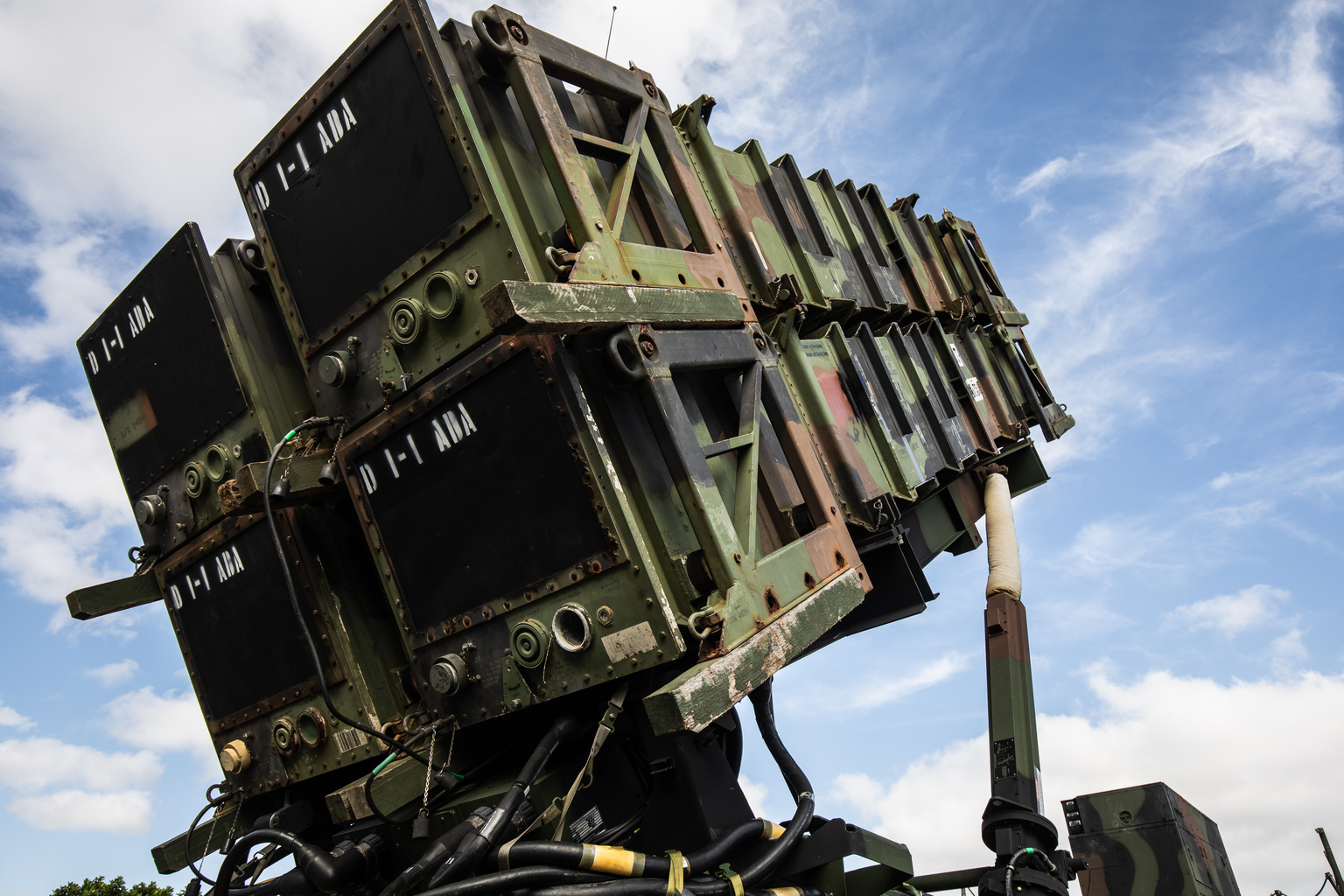
- Enhanced Defense Capability: The U.S. Navy's plan to equip warships with Patriot missile interceptors involves an initial contract worth approximately $93 million, with the total program potentially reaching $200 million, significantly bolstering naval defenses against drones and incoming missiles.
- Increased Budget Request: The Navy's fiscal 2027 budget request includes $1.7 billion for purchasing PAC-3 missiles, indicating a rising demand for missile defense systems amid geopolitical tensions, which is favorable for defense contractors like Lockheed Martin.
- Production Capacity Expansion: The Pentagon has awarded Lockheed a seven-year agreement to increase annual PAC-3 MSE output from 600 to 2,000 missiles by the end of 2030, reflecting strong demand for high-margin precision munitions.
- Inventory Expansion Strategy: The Navy projects a surge in Tomahawk missile purchases to 785 next year from just 55 this year, highlighting the Pentagon's rapid efforts to rebuild and expand missile inventories in response to modern conflict challenges.
See More
Lockheed Martin Secures Navy Patriot Missile Integration Contract
- Navy Missile Defense Upgrade: Lockheed Martin has secured a contract to integrate the Patriot missile into the U.S. Navy's Aegis combat system, marking the first deployment of this weapon at sea, significantly enhancing the missile defense capabilities of Navy destroyers.
- Countering Hypersonic Threats: This initiative addresses concerns over potential hypersonic weapons from China, as the PAC-3 MSE's agility and direct hit capability make it particularly lethal against high-speed maneuvering ballistic missiles.
- Production Capacity Surge: Under a deal with the Pentagon, production of the Patriot missile is set to triple over the next seven years, increasing from approximately 600 missiles annually to over 2,000, reflecting the surging demand for this advanced weapon system.
- Long-term Strategic Positioning: Lockheed Martin has pursued this integration for several years, and the signing of this contract represents a concrete step towards fielding Army interceptors on Navy surface ships, further solidifying the company's leadership in the missile defense market.
See More
Successful Launch of GPS III SV10 Satellite Enhances Navigation Resilience
- Successful Satellite Launch: Lockheed Martin successfully launched the GPS III SV10 satellite on April 21, 2026, marking a significant milestone in enhancing the resilience and accuracy of the global positioning system to unprecedented levels.
- Optical Crosslink Demonstration: The SV10 satellite features an optical crosslink demonstration payload, enabling direct communication between satellites in space, thereby increasing on-orbit resiliency and ensuring the robust capabilities of the upcoming GPS IIIF series.
- Enhanced Anti-Jamming Capabilities: The GPS IIIF series will deliver over a 60-fold increase in anti-jamming performance, significantly improving military users' positioning, navigation, and timing capabilities in contested environments, thus maintaining an edge against evolving electronic warfare threats.
- Production of Next-Gen Satellites: Lockheed Martin is actively producing 12 GPS IIIF satellites at its Colorado facility, integrating augmented reality and digital twin technologies to accelerate satellite production, which is essential for maintaining reliable global coverage.
See More
Investors Show Increased Interest in Defense Stocks Amid War
- Increased Focus on Defense Stocks: During wartime, investors are showing heightened interest in defense stocks, reflecting a growing demand for security and stability, which is driving up the stock prices of related companies.
- AI and the Trillionaire Debate: The discussion around whether AI will create the world's first trillionaire is intensifying, indicating investors' focus on the future potential of the tech sector, which could spark a surge in investments in related technology companies.
- Emerging Company Spotlight: A report highlights a little-known company dubbed an 'Indispensable Monopoly' that provides critical technology needed by Nvidia and Intel, potentially positioning it as a key player in the market and attracting investor attention.
- Investment Recommendations and Returns: While Lockheed Martin is recommended, analysts note that it is not among the best stocks currently identified, emphasizing the presence of other potential stocks in the market that could influence investor decisions.
See More
Trump Extends Iran Ceasefire Deadline Amid Market Uncertainty
- Ceasefire Extension: President Trump has extended the Iran ceasefire deadline by two weeks, a move that may exacerbate uncertainty in the Middle East conflict as Tehran shows reluctance to engage in diplomatic efforts, potentially impacting global market sentiment.
- Tariff Policy Impact: Trump expressed hope that U.S. companies that have not sought refunds for his tariffs will adhere to a 'no take back' policy, despite the Supreme Court ruling the tariffs illegal; major firms like Apple and Amazon have yet to file for refunds, which could affect their future financial performance.
- Market Reaction: Following Trump's announcement of the ceasefire extension, U.S. stock index futures rose, despite a lower close on Tuesday, while crude oil prices increased, indicating market sensitivity to developments in the Middle East.
- Aviation Industry Outlook: United Airlines has slashed its 2026 earnings outlook due to supply chain issues stemming from the Middle East conflict, reflecting the direct impact of soaring fuel prices on the airline industry and potentially leading to broader industry adjustments.
See More
UBS Analysis: Impact of US-Iran Ceasefire on Stocks
- Ceasefire Impact Assessment: UBS analysts evaluated individual stocks' performance during the US-Iran ceasefire using three metrics, including exposure to Middle Eastern commodities, pricing power, and sensitivity to past supply shocks, providing investors with clear investment directions.
- Southwest Airlines Outlook: The stock of Southwest Airlines fell over 25% during the war, but UBS believes it will benefit if hostilities cease; prior to the conflict, analysts upgraded the stock to buy, anticipating that new initiatives would enhance profitability.
- Procter & Gamble Potential Winner: As of Monday, Procter & Gamble's stock was 14% below its pre-war level, despite gaining 17% in the first two months of the year, and UBS sees potential for recovery and increased market confidence if peace is achieved.
- UPS Growth Opportunities: UPS's stock rose 17% in the two months before the war but fell 18% during hostilities; UBS analysts noted that avoiding further conflict could benefit UPS due to its undervalued stock and potential earnings growth.
See More
U.S. Navy Plans to Equip Warships with Patriot Missiles
- Enhanced Defense Capability: The U.S. Navy's plan to equip warships with Patriot missile interceptors involves an initial contract worth approximately $93 million, with the total program potentially reaching $200 million, significantly bolstering naval defenses against drones and incoming missiles.
- Increased Budget Request: The Navy's fiscal 2027 budget request includes $1.7 billion for purchasing PAC-3 missiles, indicating a rising demand for missile defense systems amid geopolitical tensions, which is favorable for defense contractors like Lockheed Martin.
- Production Capacity Expansion: The Pentagon has awarded Lockheed a seven-year agreement to increase annual PAC-3 MSE output from 600 to 2,000 missiles by the end of 2030, reflecting strong demand for high-margin precision munitions.
- Inventory Expansion Strategy: The Navy projects a surge in Tomahawk missile purchases to 785 next year from just 55 this year, highlighting the Pentagon's rapid efforts to rebuild and expand missile inventories in response to modern conflict challenges.
See More
Lockheed Martin Secures Navy Patriot Missile Integration Contract
- Navy Missile Defense Upgrade: Lockheed Martin has secured a contract to integrate the Patriot missile into the U.S. Navy's Aegis combat system, marking the first deployment of this weapon at sea, significantly enhancing the missile defense capabilities of Navy destroyers.
- Countering Hypersonic Threats: This initiative addresses concerns over potential hypersonic weapons from China, as the PAC-3 MSE's agility and direct hit capability make it particularly lethal against high-speed maneuvering ballistic missiles.
- Production Capacity Surge: Under a deal with the Pentagon, production of the Patriot missile is set to triple over the next seven years, increasing from approximately 600 missiles annually to over 2,000, reflecting the surging demand for this advanced weapon system.
- Long-term Strategic Positioning: Lockheed Martin has pursued this integration for several years, and the signing of this contract represents a concrete step towards fielding Army interceptors on Navy surface ships, further solidifying the company's leadership in the missile defense market.
See More