Travel Demand Rises Despite Fuel Prices—Should You Invest in Airline Stocks?

Airline Revenue Outlook: Major airlines, including Delta and American Airlines, have reported stronger-than-expected travel demand, leading to optimistic revenue forecasts for the first quarter despite recent challenges such as rising fuel costs and flight disruptions.
Stock Performance: Airline stocks have faced pressure due to increased oil prices and operational challenges, but analysts remain bullish on Delta's stock, with a majority rating it as a "Buy" based on solid demand projections.
Fuel Cost Concerns: Airlines are grappling with higher jet fuel costs, which are expected to impact earnings. Delta anticipates fuel prices to average around $3.00 per gallon, which is higher than previous estimates.
Market Sentiment: Despite the challenges, travel demand remains robust, and analysts suggest that the current dip in airline stocks may present buying opportunities for investors, as the sector is expected to recover and grow in the long term.
Trade with 70% Backtested Accuracy
Analyst Views on DAL

About DAL
About the author

American Airlines Rejects Merger Talks with United Airlines

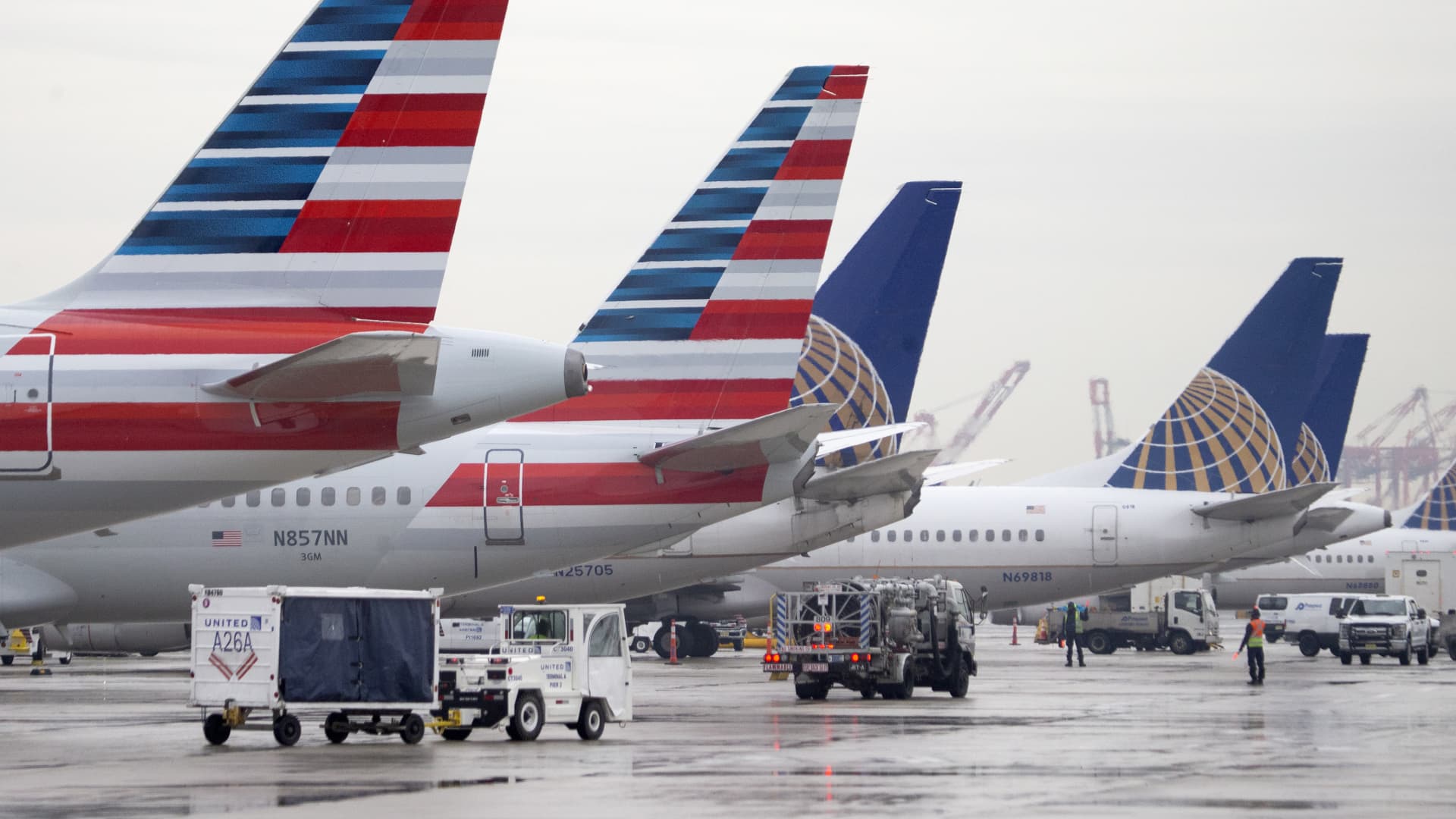
- Merger Talks Rejected: American Airlines issued a statement after market close last Friday, clearly stating it is not engaged in discussions with United Airlines regarding a merger, citing concerns that such a move would negatively impact competition and consumers, thus reflecting its commitment to antitrust principles.
- Stock Price Fluctuation: Following the merger speculation, American Airlines' stock fell nearly 3% in premarket trading, reversing gains made during Friday's market rally, indicating investor apprehension regarding the merger's implications.
- Market Share Impact: Should a merger occur, the combined entity would control approximately 40% of the domestic market share, raising significant concerns about potential monopolistic practices and likely triggering intense regulatory scrutiny.
- Industry Consolidation Outlook: While the Transportation Secretary noted there is room for mergers in the airline industry, he cautioned that any merger among major airlines would necessitate divesting certain assets to prevent adverse effects on pricing and competition in the long run.

Delta Air Lines Recognized Among Fastest Growing Dividend Stocks

- Dividend Growth Potential: Delta Air Lines has been recognized by Evercore ISI as one of the 10 fastest growing dividend stocks, indicating strong performance in dividend payments that is likely to attract more investor interest.
- Price Target Increase: Evercore ISI raised Delta's price target from $80 to $85 while reiterating an Outperform rating, reflecting optimistic expectations for the company's future performance.
- Sustainability Goal Adjustment: Delta removed its target of using 10% sustainable aviation fuel by 2030 from its sustainability page and rephrased its net-zero emissions goal for 2050 as an “aspiration,” indicating uncertainty in its climate objectives.
- Emission Data: Delta generated approximately 60 million tons of greenhouse gas emissions in 2024, nearly equivalent to the total emissions footprint of Ireland or Hungary, highlighting the challenges the airline industry faces in reducing emissions.

US Stocks Surge as Oil Prices Plunge Amid Peace Talks


- Market Rally: The S&P 500 rose 1.20% and the Nasdaq 100 increased by 1.29%, reaching all-time highs, reflecting investor optimism regarding US-Iran peace talks, which may enhance risk appetite in the markets.
- Oil Price Plunge: WTI crude prices fell over 11% to a five-week low after Iran announced the Strait of Hormuz is fully open, easing inflation concerns and causing the 10-year T-note yield to drop 7 basis points to 4.24%.
- Strong Earnings Season: The earnings season started robustly, with 81% of the 48 S&P 500 companies reporting Q1 earnings exceeding estimates, projecting a 12% year-over-year increase in earnings, providing strong support for the stock market.
- Airline Stocks Surge: Airline stocks surged as fuel costs decreased, with Alaska Air Group (ALK) rising over 10% and Royal Caribbean Cruises Ltd (RCL) up more than 7%, indicating market confidence in the recovery of the airline industry.

Anthropic's Rapid Growth and Apple's Foldable iPhone


- Anthropic Revenue Surge: Anthropic's annualized revenue skyrocketed from $9 billion at the end of 2025 to $30 billion by Q1 2026, indicating a remarkable tripling of business in just 90 days, which highlights a significant shift in enterprise demand for AI technologies.
- Google and Anthropic Partnership: Google has signed a new deal with Anthropic to provide TPU computing power, ensuring Anthropic's competitiveness on Google Cloud while bolstering Google's AI strategy, which could potentially impact Nvidia's market dominance.
- Apple's Foldable Phone Prospects: The anticipated launch of Apple's foldable phone has generated buzz, and while market demand remains uncertain, in China, foldable phones are seen as status symbols, which could drive sales and help Apple find new growth avenues in a mature smartphone market.
- Delta Airlines Strong Earnings: Delta Airlines reported that 85% of corporate clients expect to maintain or increase travel spending in Q2, and despite rising fuel costs, the airline's adjusted profit grew by over 40%, showcasing its robust performance and effective management in the airline industry.

Anthropic's Revenue Soars to $30 Billion Amid AI Boom
- Staggering Revenue Growth: Anthropic's annualized revenue rate skyrocketed from $9 billion at the end of 2025 to $30 billion by the first quarter of 2026, indicating a remarkable tripling of business in just 90 days, which underscores the immense potential of the AI market and the rapidly increasing demand for AI technologies across enterprises.
- Surge in Corporate Spending: As businesses move past the experimental phase and begin allocating substantial budgets to the Claude model, this trend is driving revenue growth for Anthropic, highlighting the shift of AI technology into a core strategic focus across various industries and solidifying Anthropic's market position.
- Deepening Google Partnership: Anthropic's new agreement with Google to utilize TPU chips not only provides Anthropic with significant computational power but also enhances Google's competitive edge in the AI space, demonstrating the strengthening strategic partnership between the two companies.
- Intensifying Market Competition: With the rising popularity of Claude, Google's AI strategy may pose a threat to Nvidia, indicating an intensifying competition in the AI hardware market, where a potential decrease in reliance on Nvidia hardware could emerge in the coming years.

US Stocks Rally as Oil Prices Plunge Amid Peace Talks
- Market Surge: The S&P 500 rose by 1.28% and the Nasdaq 100 reached an all-time high, reflecting investor optimism driven by peace talks between the US and Iran, which may enhance risk appetite and bolster overall market confidence.
- Oil Price Plunge: WTI crude oil prices fell over 13% to a five-week low after the Strait of Hormuz reopened, easing inflation concerns and causing the 10-year Treasury yield to drop by 8 basis points, further supporting the bond market.
- Earnings Growth Expectations: Q1 earnings for the S&P 500 are projected to increase by 12% year-over-year, although excluding the tech sector, growth is only 3%, indicating resilience in corporate performance amid economic recovery and providing market support.
- Airline Stocks Soar: With reduced fuel costs, Alaska Air Group and United Airlines surged by over 14% and 11%, respectively, demonstrating the positive impact of falling oil prices on the airline industry, which could enhance profitability for related companies.
American Airlines Rejects Merger Talks with United Airlines
- Merger Talks Rejected: American Airlines issued a statement after market close last Friday, clearly stating it is not engaged in discussions with United Airlines regarding a merger, citing concerns that such a move would negatively impact competition and consumers, thus reflecting its commitment to antitrust principles.
- Stock Price Fluctuation: Following the merger speculation, American Airlines' stock fell nearly 3% in premarket trading, reversing gains made during Friday's market rally, indicating investor apprehension regarding the merger's implications.
- Market Share Impact: Should a merger occur, the combined entity would control approximately 40% of the domestic market share, raising significant concerns about potential monopolistic practices and likely triggering intense regulatory scrutiny.
- Industry Consolidation Outlook: While the Transportation Secretary noted there is room for mergers in the airline industry, he cautioned that any merger among major airlines would necessitate divesting certain assets to prevent adverse effects on pricing and competition in the long run.
Delta Air Lines Recognized Among Fastest Growing Dividend Stocks
- Dividend Growth Potential: Delta Air Lines has been recognized by Evercore ISI as one of the 10 fastest growing dividend stocks, indicating strong performance in dividend payments that is likely to attract more investor interest.
- Price Target Increase: Evercore ISI raised Delta's price target from $80 to $85 while reiterating an Outperform rating, reflecting optimistic expectations for the company's future performance.
- Sustainability Goal Adjustment: Delta removed its target of using 10% sustainable aviation fuel by 2030 from its sustainability page and rephrased its net-zero emissions goal for 2050 as an “aspiration,” indicating uncertainty in its climate objectives.
- Emission Data: Delta generated approximately 60 million tons of greenhouse gas emissions in 2024, nearly equivalent to the total emissions footprint of Ireland or Hungary, highlighting the challenges the airline industry faces in reducing emissions.
US Stocks Surge as Oil Prices Plunge Amid Peace Talks
- Market Rally: The S&P 500 rose 1.20% and the Nasdaq 100 increased by 1.29%, reaching all-time highs, reflecting investor optimism regarding US-Iran peace talks, which may enhance risk appetite in the markets.
- Oil Price Plunge: WTI crude prices fell over 11% to a five-week low after Iran announced the Strait of Hormuz is fully open, easing inflation concerns and causing the 10-year T-note yield to drop 7 basis points to 4.24%.
- Strong Earnings Season: The earnings season started robustly, with 81% of the 48 S&P 500 companies reporting Q1 earnings exceeding estimates, projecting a 12% year-over-year increase in earnings, providing strong support for the stock market.
- Airline Stocks Surge: Airline stocks surged as fuel costs decreased, with Alaska Air Group (ALK) rising over 10% and Royal Caribbean Cruises Ltd (RCL) up more than 7%, indicating market confidence in the recovery of the airline industry.
Anthropic's Rapid Growth and Apple's Foldable iPhone
- Anthropic Revenue Surge: Anthropic's annualized revenue skyrocketed from $9 billion at the end of 2025 to $30 billion by Q1 2026, indicating a remarkable tripling of business in just 90 days, which highlights a significant shift in enterprise demand for AI technologies.
- Google and Anthropic Partnership: Google has signed a new deal with Anthropic to provide TPU computing power, ensuring Anthropic's competitiveness on Google Cloud while bolstering Google's AI strategy, which could potentially impact Nvidia's market dominance.
- Apple's Foldable Phone Prospects: The anticipated launch of Apple's foldable phone has generated buzz, and while market demand remains uncertain, in China, foldable phones are seen as status symbols, which could drive sales and help Apple find new growth avenues in a mature smartphone market.
- Delta Airlines Strong Earnings: Delta Airlines reported that 85% of corporate clients expect to maintain or increase travel spending in Q2, and despite rising fuel costs, the airline's adjusted profit grew by over 40%, showcasing its robust performance and effective management in the airline industry.
Anthropic's Revenue Soars to $30 Billion Amid AI Boom
- Staggering Revenue Growth: Anthropic's annualized revenue rate skyrocketed from $9 billion at the end of 2025 to $30 billion by the first quarter of 2026, indicating a remarkable tripling of business in just 90 days, which underscores the immense potential of the AI market and the rapidly increasing demand for AI technologies across enterprises.
- Surge in Corporate Spending: As businesses move past the experimental phase and begin allocating substantial budgets to the Claude model, this trend is driving revenue growth for Anthropic, highlighting the shift of AI technology into a core strategic focus across various industries and solidifying Anthropic's market position.
- Deepening Google Partnership: Anthropic's new agreement with Google to utilize TPU chips not only provides Anthropic with significant computational power but also enhances Google's competitive edge in the AI space, demonstrating the strengthening strategic partnership between the two companies.
- Intensifying Market Competition: With the rising popularity of Claude, Google's AI strategy may pose a threat to Nvidia, indicating an intensifying competition in the AI hardware market, where a potential decrease in reliance on Nvidia hardware could emerge in the coming years.
US Stocks Rally as Oil Prices Plunge Amid Peace Talks
- Market Surge: The S&P 500 rose by 1.28% and the Nasdaq 100 reached an all-time high, reflecting investor optimism driven by peace talks between the US and Iran, which may enhance risk appetite and bolster overall market confidence.
- Oil Price Plunge: WTI crude oil prices fell over 13% to a five-week low after the Strait of Hormuz reopened, easing inflation concerns and causing the 10-year Treasury yield to drop by 8 basis points, further supporting the bond market.
- Earnings Growth Expectations: Q1 earnings for the S&P 500 are projected to increase by 12% year-over-year, although excluding the tech sector, growth is only 3%, indicating resilience in corporate performance amid economic recovery and providing market support.
- Airline Stocks Soar: With reduced fuel costs, Alaska Air Group and United Airlines surged by over 14% and 11%, respectively, demonstrating the positive impact of falling oil prices on the airline industry, which could enhance profitability for related companies.