Time for Cloud ETFs on Earnings Strength & Promising Growth?
Written by Emily J. Thompson, Senior Investment Analyst
Updated: May 17 2024
0mins


Source: NASDAQ.COM
- Cloud Computing Market Growth: The global cloud computing market is projected to grow from $626.4 billion in 2023 to $1.27 trillion by 2028 at a CAGR of 15.1%, driven by remote work and e-commerce demands.
- Key Players in Cloud Computing: Microsoft, Google Cloud, and Amazon Web Services dominate the global cloud infrastructure market, collectively accounting for 67% of the $76 billion market in Q1 of 2024.
- Financial Performance of Cloud Leaders: Microsoft's Intelligent Cloud business generated $26.7 billion, AWS had revenues of over $25 billion, and Google Cloud reported sales of $9.6 billion in Q1 of 2024.
- Market Share and Growth Forecasts: AWS leads with a 31% market share, followed by Microsoft (25%) and Google (11%). Global end-user spending on public cloud services is expected to reach $678.8 billion in 2024.
- ETFs and Investment Opportunities: ETFs like Wisdomtree Cloud Computing Fund, Global X Cloud Computing ETF, and others have seen gains amid the cloud computing boom, offering investment opportunities in the sector.
Trade with 70% Backtested Accuracy
Stop guessing "Should I Buy BABA?" and start using high-conviction signals backed by rigorous historical data.
Sign up today to access powerful investing tools and make smarter, data-driven decisions.
Analyst Views on BABA
Wall Street analysts forecast BABA stock price to rise
15 Analyst Rating
15 Buy
0 Hold
0 Sell
Strong Buy
Current: 107.100

Low
180.00
Averages
203.09
High
230.00
Current: 107.100
Low
180.00
Averages
203.09
High
230.00
About BABA
Alibaba Group Holding Ltd is an investment holding company mainly engaged in the provision of technology infrastructure and marketing platforms. The Company operates its business through four segments. The Alibaba China E-commerce Group segment is mainly engaged in E-commerce business, including operating Tmall Supermarket and Tmall Global, providing customer management services, product sales, as well as logistics services. It also operates quick commerce business such as Taobao Instant Commerce and Ele.me, as well as the China commerce wholesale business through 1688.com. The Alibaba International Digital Commerce Group segment is mainly engaged in international commerce retail and wholesale business, operating platforms such as AliExpress, Trendyol, Lazada and Alibaba.com. The Cloud Intelligence Group segment mainly provides public and non-public cloud services. The Other segments primarily include the operations of Freshippo, Cainiao, Alibaba Health and other business.
About the author

Emily J. Thompson
Emily J. Thompson, a Chartered Financial Analyst (CFA) with 12 years in investment research, graduated with honors from the Wharton School. Specializing in industrial and technology stocks, she provides in-depth analysis for Intellectia’s earnings and market brief reports.

China Accelerates Electric Truck Exports Amid Rising Demand

- Surge in Electric Truck Orders: Chinese manufacturer Sany Heavy Industry has received an order for approximately 880 electric trucks, expected to be shipped by the end of June, reflecting urgent overseas demand driven by rising shipping and oil costs.
- Clear Policy Goals: China's Ministry of Transport has set a target for new energy heavy trucks to account for 40% of new truck sales by 2030, echoing the earlier push for new energy passenger vehicles, indicating strong governmental support for the electric truck market.
- Rapid Market Share Growth: Last year, electric trucks accounted for 25% of total truck sales in China, contributing to a doubling of global electric truck sales to over 400,000 units, showcasing the advantages of electric trucks in terms of operational cost and declining battery prices.
- Intensifying Global Competition: While automotive giants like Tesla and Mercedes-Benz are ramping up their electric truck offerings, Sany's highly automated production capabilities and global market presence position it as a leader in electric truck exports, likely to continue increasing China's market share in the global electric truck sector.
See More
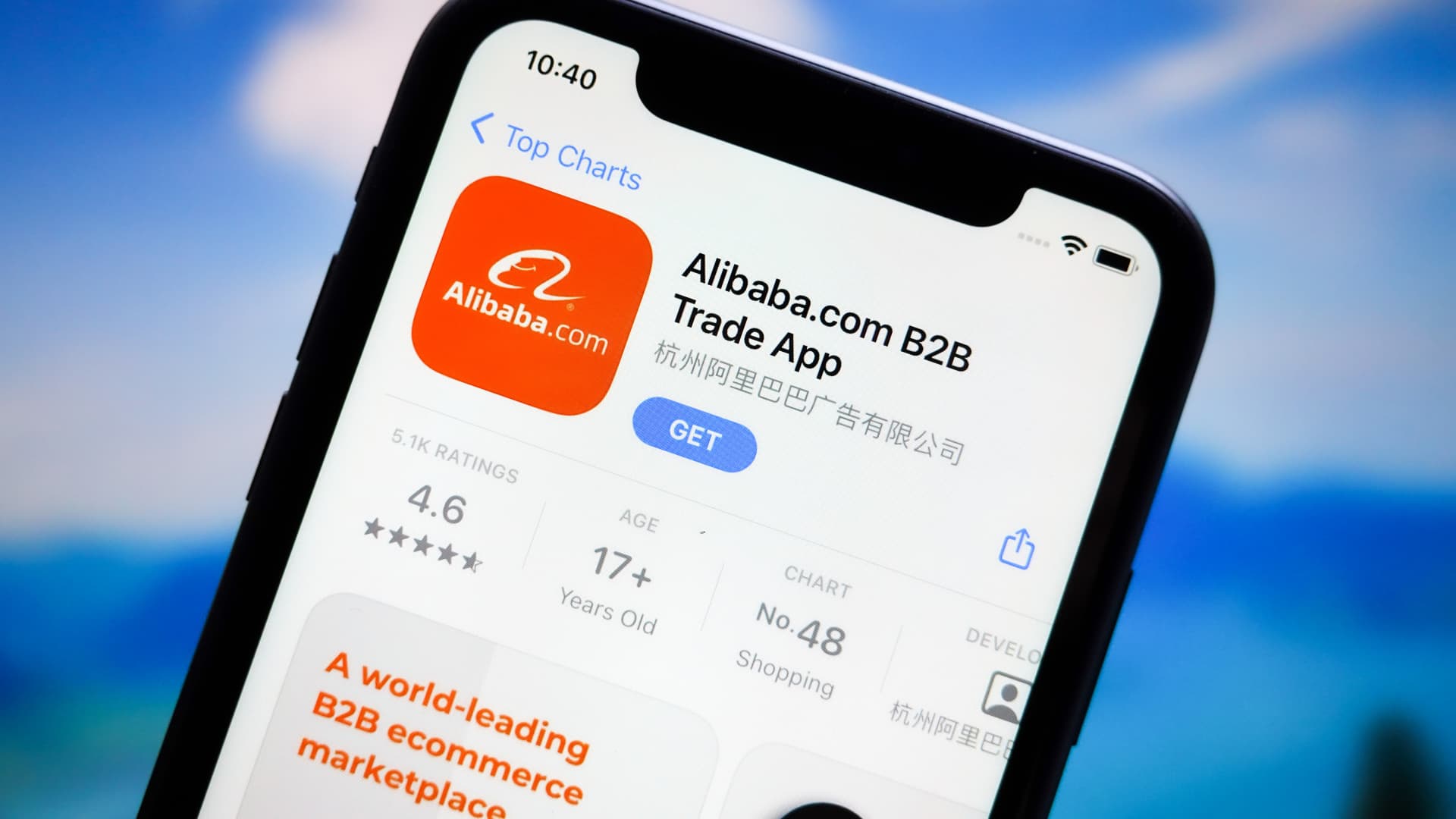
Tencent Tests Native AI Assistant Xiaowei in WeChat
- AI Assistant Testing: Tencent is testing its native AI assistant Xiaowei on a small scale within WeChat, allowing users to interact via text or voice, enhancing social functionalities and launching mini-programs, aimed at improving user experience and increasing engagement.
- Market Competition Strategy: This initiative is part of Tencent's strategy to challenge rivals like Alibaba in the fiercely competitive Chinese AI market, leveraging WeChat's 1.4 billion monthly active users to expand the use of its AI services and create new revenue streams.
- User Base Advantage: With over 1.4 billion users on WeChat and Weixin, Tencent has the opportunity to attract a large number of users to its AI services by integrating AI tools into this essential daily app, thereby enhancing market share and user activity.
- Technological Integration Outlook: Although Tencent has not disclosed specific capabilities or underlying AI models for Xiaowei, its plans for further AI integration indicate a strong focus on the potential of digital assistants, which could drive long-term growth in the AI sector.
See More

Tencent Tests AI Assistant in WeChat to Compete in AI Market
- AI Assistant Testing: Tencent is testing an AI assistant named 'Xiaowei' within WeChat on a small scale, allowing users to interact via text or voice, aiming to enhance user experience and strengthen its position in the competitive AI market.
- Large User Base: With over 1.4 billion monthly active users on WeChat and its Chinese version Weixin, Tencent aims to leverage this vast user base to attract more users to its services through the AI assistant, potentially opening new revenue streams.
- Intensified Market Competition: The AI assistant is part of Tencent's strategy to challenge rivals like Alibaba, DeepSeek, and Zhipu, reflecting the company's commitment to the AI sector, especially after hiring an OpenAI researcher as its chief AI scientist this year.
- Integration Potential: Although Tencent has not disclosed specific capabilities or underlying models for 'Xiaowei', the initiative to integrate AI tools may drive the development of more complex digital assistants, enhancing user efficiency across multiple applications and services.
See More

SpaceX Completes Historic IPO, Attracts Investor Interest


- Strong IPO Performance: SpaceX completed the world's largest IPO at $135 per share, opening at $150 and gaining 23% in its first week of trading, indicating robust market demand and investor confidence.
- Investment Risk Advisory: Despite the strong short-term performance, SpaceX's long-term profitability remains uncertain, particularly as its AI business incurred over $12 billion in capital expenditures last year, leading to a net loss, necessitating cautious risk assessment by investors.
- Technological Innovation Potential: SpaceX is developing reusable rocket technology, aiming to launch the Starship later this year, which could significantly reduce launch costs for clients like NASA while supporting its connectivity and AI businesses, enhancing overall operational efficiency.
- Historical Performance Reference: SpaceX's first-day gain of nearly 20% aligns with the average IPO return from 1990 to 2025, but historical data shows that 8 out of the 10 largest IPOs experienced stock price declines within 12 months, averaging a 12% drop, suggesting investors should prepare for potential volatility.
See More

SpaceX Achieves Historic Largest IPO

- IPO Performance: SpaceX completed its IPO at $135 per share, opening at $150 and gaining 23% in its first week of trading, indicating strong market demand and investor confidence, although this short-term surge may not be sustainable.
- Attractive Technology Potential: Amid the AI boom, SpaceX has drawn investor interest with its rocket launches, satellite connectivity, and AI technology, particularly the development of reusable rockets that could significantly reduce costs for clients like NASA, enhancing long-term profitability.
- High Investment Requirements: To achieve its goals, SpaceX must invest billions annually, with capital expenditures in AI exceeding $12 billion last year, resulting in a net loss, meaning investors must accept the risk of limited profitability.
- Historical Performance Reference: SpaceX's first-day gain of nearly 20% aligns with the average IPO return from 1990 to 2025, but historical data shows that 8 out of the 10 largest IPOs experienced stock price declines in the following 12 months, averaging a 12% drop, indicating potential volatility risks for SpaceX's future stock price.
See More

China Imposes New Trade Restrictions on US Entities


- Escalation of Trade Restrictions: The Chinese Ministry of Commerce has placed 10 American industrial suppliers, including rare earth miner MP Materials and drone maker Teal Drones, on its export control list, barring exports of dual-use items to these companies, thereby impacting their operations in China.
- Exclusion from Government Procurement: The Chinese Finance Ministry has excluded 46 U.S. companies, primarily defense contractors, from participating in government procurement projects, which could weaken their market opportunities, particularly in China's defense and technology sectors.
- Symbolic Countermeasures: While these countermeasures appear to be a response to the U.S., analysts note that many targeted companies have limited business exposure in China, suggesting that the actual impact may be minimal and aimed at maintaining stability in U.S.-China relations.
- Future Relationship Outlook: Experts believe that although the U.S. actions are largely symbolic, they demonstrate Washington's broad restrictions on sensitive Chinese technologies, which may affect future collaborations between other federal agencies and commercial partners with the listed companies.
See More
China Accelerates Electric Truck Exports Amid Rising Demand
- Surge in Electric Truck Orders: Chinese manufacturer Sany Heavy Industry has received an order for approximately 880 electric trucks, expected to be shipped by the end of June, reflecting urgent overseas demand driven by rising shipping and oil costs.
- Clear Policy Goals: China's Ministry of Transport has set a target for new energy heavy trucks to account for 40% of new truck sales by 2030, echoing the earlier push for new energy passenger vehicles, indicating strong governmental support for the electric truck market.
- Rapid Market Share Growth: Last year, electric trucks accounted for 25% of total truck sales in China, contributing to a doubling of global electric truck sales to over 400,000 units, showcasing the advantages of electric trucks in terms of operational cost and declining battery prices.
- Intensifying Global Competition: While automotive giants like Tesla and Mercedes-Benz are ramping up their electric truck offerings, Sany's highly automated production capabilities and global market presence position it as a leader in electric truck exports, likely to continue increasing China's market share in the global electric truck sector.
See More
Tencent Tests Native AI Assistant Xiaowei in WeChat
- AI Assistant Testing: Tencent is testing its native AI assistant Xiaowei on a small scale within WeChat, allowing users to interact via text or voice, enhancing social functionalities and launching mini-programs, aimed at improving user experience and increasing engagement.
- Market Competition Strategy: This initiative is part of Tencent's strategy to challenge rivals like Alibaba in the fiercely competitive Chinese AI market, leveraging WeChat's 1.4 billion monthly active users to expand the use of its AI services and create new revenue streams.
- User Base Advantage: With over 1.4 billion users on WeChat and Weixin, Tencent has the opportunity to attract a large number of users to its AI services by integrating AI tools into this essential daily app, thereby enhancing market share and user activity.
- Technological Integration Outlook: Although Tencent has not disclosed specific capabilities or underlying AI models for Xiaowei, its plans for further AI integration indicate a strong focus on the potential of digital assistants, which could drive long-term growth in the AI sector.
See More
Tencent Tests AI Assistant in WeChat to Compete in AI Market
- AI Assistant Testing: Tencent is testing an AI assistant named 'Xiaowei' within WeChat on a small scale, allowing users to interact via text or voice, aiming to enhance user experience and strengthen its position in the competitive AI market.
- Large User Base: With over 1.4 billion monthly active users on WeChat and its Chinese version Weixin, Tencent aims to leverage this vast user base to attract more users to its services through the AI assistant, potentially opening new revenue streams.
- Intensified Market Competition: The AI assistant is part of Tencent's strategy to challenge rivals like Alibaba, DeepSeek, and Zhipu, reflecting the company's commitment to the AI sector, especially after hiring an OpenAI researcher as its chief AI scientist this year.
- Integration Potential: Although Tencent has not disclosed specific capabilities or underlying models for 'Xiaowei', the initiative to integrate AI tools may drive the development of more complex digital assistants, enhancing user efficiency across multiple applications and services.
See More
SpaceX Completes Historic IPO, Attracts Investor Interest
- Strong IPO Performance: SpaceX completed the world's largest IPO at $135 per share, opening at $150 and gaining 23% in its first week of trading, indicating robust market demand and investor confidence.
- Investment Risk Advisory: Despite the strong short-term performance, SpaceX's long-term profitability remains uncertain, particularly as its AI business incurred over $12 billion in capital expenditures last year, leading to a net loss, necessitating cautious risk assessment by investors.
- Technological Innovation Potential: SpaceX is developing reusable rocket technology, aiming to launch the Starship later this year, which could significantly reduce launch costs for clients like NASA while supporting its connectivity and AI businesses, enhancing overall operational efficiency.
- Historical Performance Reference: SpaceX's first-day gain of nearly 20% aligns with the average IPO return from 1990 to 2025, but historical data shows that 8 out of the 10 largest IPOs experienced stock price declines within 12 months, averaging a 12% drop, suggesting investors should prepare for potential volatility.
See More
SpaceX Achieves Historic Largest IPO
- IPO Performance: SpaceX completed its IPO at $135 per share, opening at $150 and gaining 23% in its first week of trading, indicating strong market demand and investor confidence, although this short-term surge may not be sustainable.
- Attractive Technology Potential: Amid the AI boom, SpaceX has drawn investor interest with its rocket launches, satellite connectivity, and AI technology, particularly the development of reusable rockets that could significantly reduce costs for clients like NASA, enhancing long-term profitability.
- High Investment Requirements: To achieve its goals, SpaceX must invest billions annually, with capital expenditures in AI exceeding $12 billion last year, resulting in a net loss, meaning investors must accept the risk of limited profitability.
- Historical Performance Reference: SpaceX's first-day gain of nearly 20% aligns with the average IPO return from 1990 to 2025, but historical data shows that 8 out of the 10 largest IPOs experienced stock price declines in the following 12 months, averaging a 12% drop, indicating potential volatility risks for SpaceX's future stock price.
See More
China Imposes New Trade Restrictions on US Entities
- Escalation of Trade Restrictions: The Chinese Ministry of Commerce has placed 10 American industrial suppliers, including rare earth miner MP Materials and drone maker Teal Drones, on its export control list, barring exports of dual-use items to these companies, thereby impacting their operations in China.
- Exclusion from Government Procurement: The Chinese Finance Ministry has excluded 46 U.S. companies, primarily defense contractors, from participating in government procurement projects, which could weaken their market opportunities, particularly in China's defense and technology sectors.
- Symbolic Countermeasures: While these countermeasures appear to be a response to the U.S., analysts note that many targeted companies have limited business exposure in China, suggesting that the actual impact may be minimal and aimed at maintaining stability in U.S.-China relations.
- Future Relationship Outlook: Experts believe that although the U.S. actions are largely symbolic, they demonstrate Washington's broad restrictions on sensitive Chinese technologies, which may affect future collaborations between other federal agencies and commercial partners with the listed companies.
See More