Three Unexpected Earnings Surprises May Indicate a New Trend


Earnings Season Overview: More than 74% of S&P 500 companies reporting so far have exceeded analysts' EPS estimates, while 73% have surpassed revenue expectations, indicating a generally positive earnings season despite flat aggregate growth rates.
Applied Materials Performance: Applied Materials (AMAT) has shown strong results, with shares rising 12% after reporting fiscal Q1 2026 results that beat expectations by 7%, driven by robust guidance and equipment demand.
Rivian's Challenges: Rivian Automotive (RIVN) faced a 25% decline in year-over-year revenue growth due to the expiration of EV tax credits, although sales figures still exceeded expectations, and the company narrowed its losses.
Market Recommendations: Analysts have identified five stocks that they recommend buying now, suggesting these companies are well-positioned for future growth despite broader market trends.
Trade with 70% Backtested Accuracy
Analyst Views on RIVN

About RIVN
About the author


Lucid Group Stock Rises 5.33% Following Uber's $500M Investment

- Uber Investment Impact: Uber confirmed a $500 million investment in Lucid Group, acquiring an 11.5% stake and committing to purchase 35,000 Lucid vehicles designed for its upcoming global robotaxi service, significantly enhancing Lucid's market position and sales potential.
- Surge in Trading Volume: Lucid Group's trading volume reached 46.9 million shares, approximately 379% above its three-month average, indicating strong investor interest in the company's future developments, particularly under the new CEO's leadership.
- Stock Performance: Lucid's stock rose 5.33% to $7.11, despite a 93% decline since its IPO in 2020, reflecting market optimism regarding its partnership with Uber.
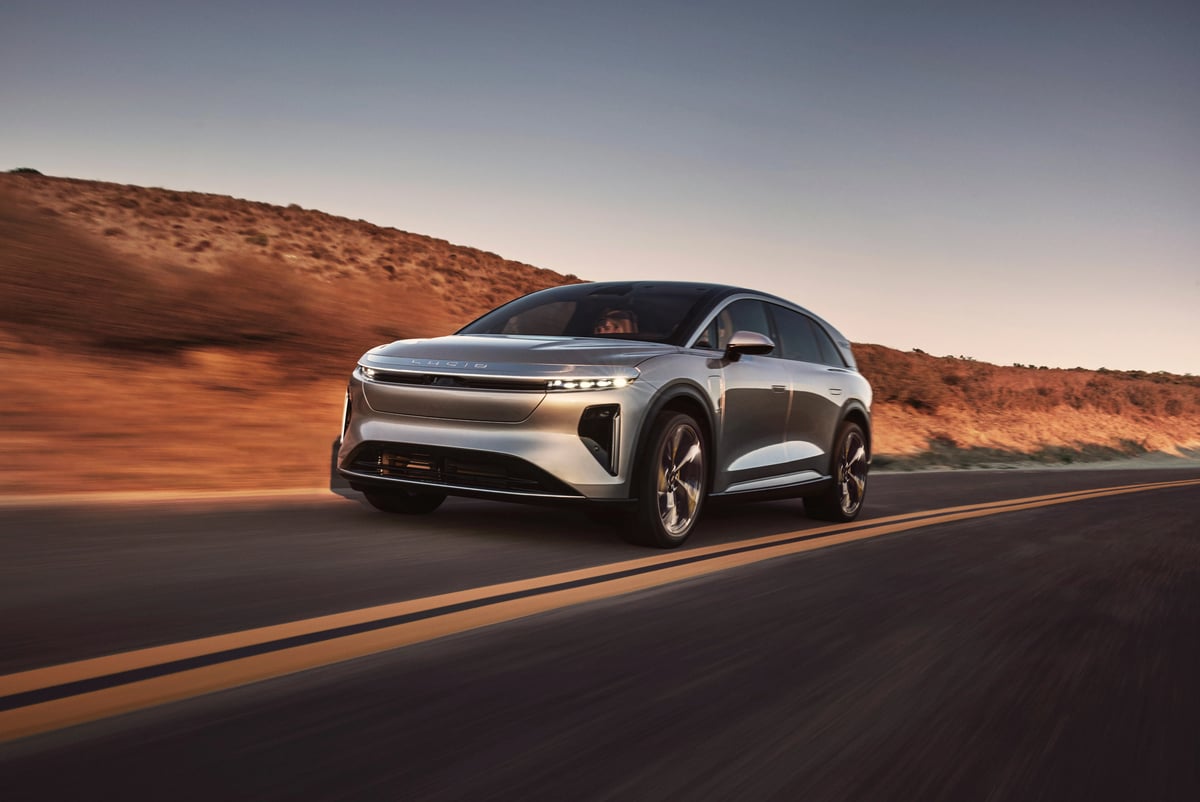
- CEO Transition Impact: The appointment of new CEO Silvio Napoli has drawn market attention, with investors eager to see if he can drive EV sales through the launch of the new Gravity SUV, which will likely influence Lucid's future stock price trajectory.
Lucid Appoints New CEO and Secures $1.05 Billion in Funding
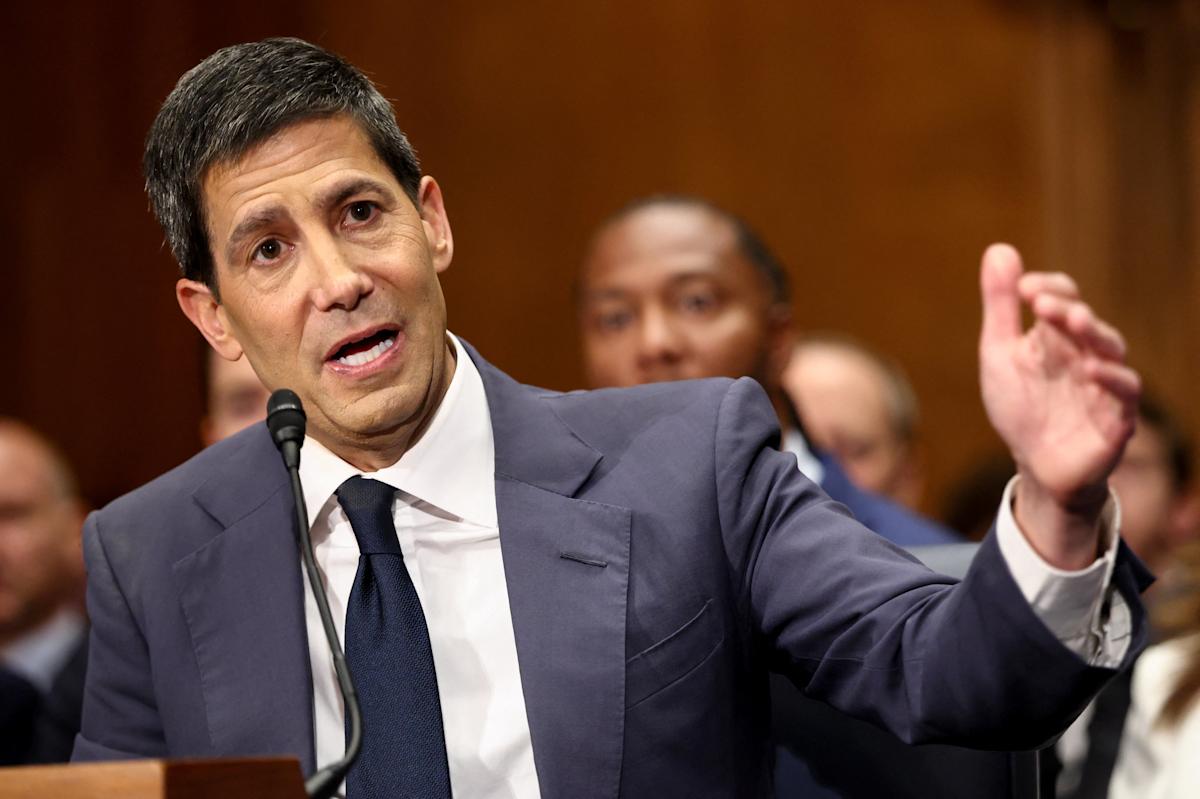
- New CEO Appointment: Lucid has appointed Silvio Napoli as its new CEO, whose extensive experience in industrial manufacturing, despite lacking automotive roots, is expected to enhance the company's cost discipline and operational scaling, laying a foundation for future growth.
- Funding Developments: Ayar Third Investment Company has agreed to purchase $550 million of convertible preferred stock, while Uber Technologies will increase its investment in Lucid to $500 million, providing crucial support for Lucid's expansion and operations.
- Public Offering Pricing: Lucid has priced a public offering of common stock expected to raise $300 million in gross proceeds, which will further bolster the company's liquidity, although cash flow pressures remain a concern.
- Cash Flow Challenges: Despite achieving eight consecutive quarters of record deliveries in 2025, Lucid faced a negative cash flow of $1.25 billion in Q4, leading analysts to predict that the company's cash runway could be exhausted by 2027 without additional capital raises.

Rivian Invests Heavily in AI and New Models

- Market Potential: Rivian's market cap is around $21 billion, and if it could reach Tesla's nearly $1.2 trillion valuation, there would be over 5,000% potential upside, indicating significant long-term growth prospects.
- Accelerated AI Investment: Rivian is ramping up its investments in AI and autonomous driving technology, and while it cannot match Tesla's spending, its first AI Day impressed analysts, suggesting the company is making strides to catch up with industry leaders.
- New Model Launch: Rivian plans to launch its first R2 SUV priced under $50,000 this year, which is expected to expand its production infrastructure and generate more driving data for AI models, thereby increasing brand visibility and market share.
- Strategic Shift: By prioritizing AI and autonomy, Rivian has shelved its 2027 profitability targets, demonstrating strong confidence in future technology investments, and if successful, it could emerge as the next Tesla.
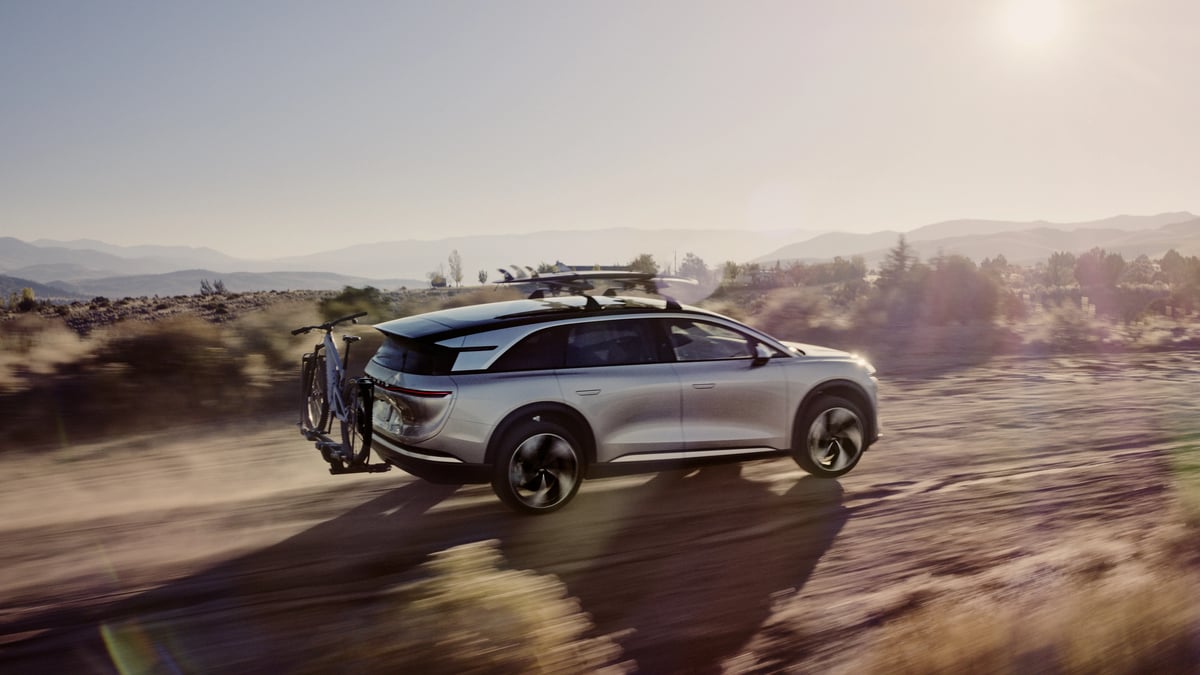
Lucid Motors Faces Funding and Profitability Challenges
- Funding Situation: Lucid recently raised $1.05 billion through an agreement with Ayar Third Investment Company, a Saudi Public Investment Fund affiliate, including $550 million in convertible preferred stock, yet the stock has dropped over 20% since the announcement.
- Cash Flow Issues: Despite ending 2025 with approximately $1 billion in cash and $4.6 billion in liquidity, the fourth-quarter cash burn reached $1.25 billion, indicating a fragile financial position that may necessitate further capital raises to sustain operations.
- Production Challenges: Lucid faced a supplier disruption during the launch of its Gravity SUV, causing delivery delays; although the company reaffirmed its production guidance of 25,000 to 27,000 vehicles for 2023, this challenge could undermine market confidence.
- Shareholder Dilution Risk: Compared to rival Rivian, Lucid is diluting shareholders at a faster rate while making less progress on gross profitability, raising investor concerns about its ability to achieve profitability, especially with the need for additional funding looming.
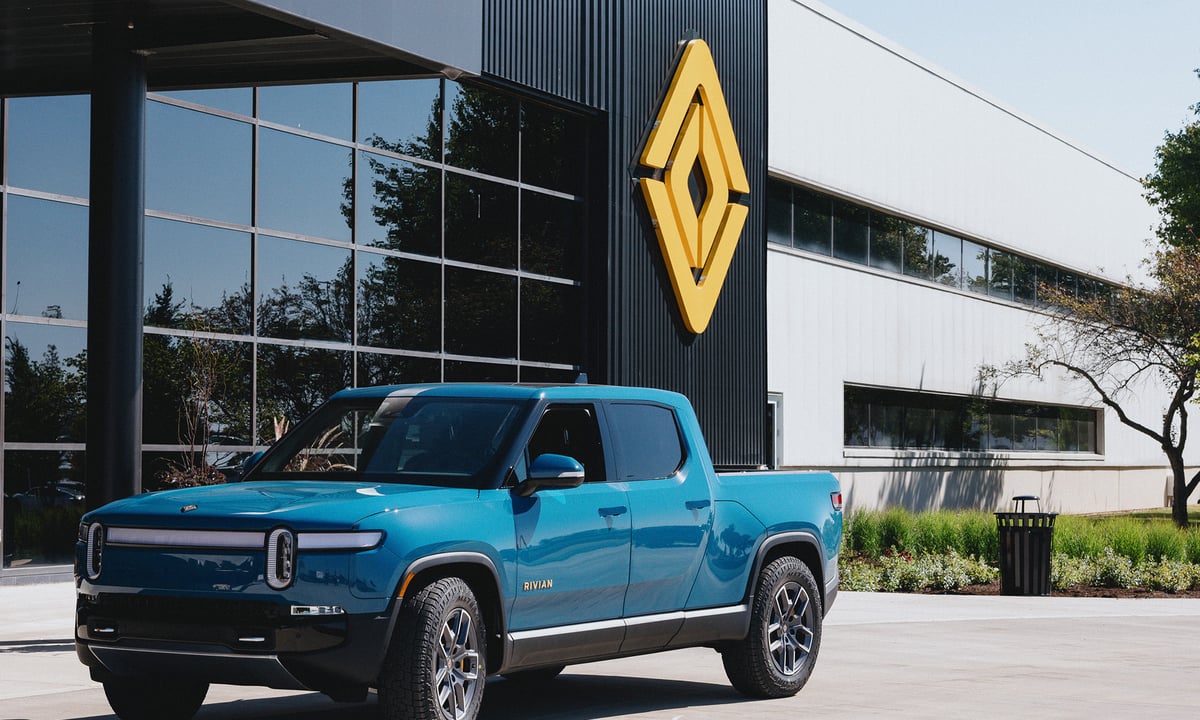
Rivian Could Deliver 1,000% Return Potential
- Growth Potential Analysis: Rivian's market cap stands at $21 billion with a current stock price of $17.15, and while its sales base pales in comparison to Tesla's, the company has invested billions in scaling production of its luxury models, R1T and R1S, demonstrating its growth capability.
- Strategic Turning Point: Rivian plans to begin deliveries of its first affordable SUV, the R2, in 2026, which, if successful, could serve as its equivalent to Tesla's Model Y, significantly boosting revenue and profitability metrics.
- AI Investment Strategy: Rivian is ramping up investments in artificial intelligence, intending to integrate it into production processes and self-driving technology; while results are yet to materialize, a $1.25 billion investment deal with Uber highlights its technology-driven market potential.
- Market Competition Outlook: Despite Tesla facing declining sales, Rivian is seizing the opportunity to enter the robotaxi market through its partnership with Uber, which is expected to provide substantial growth potential for its stock, attracting the attention of long-term investors.
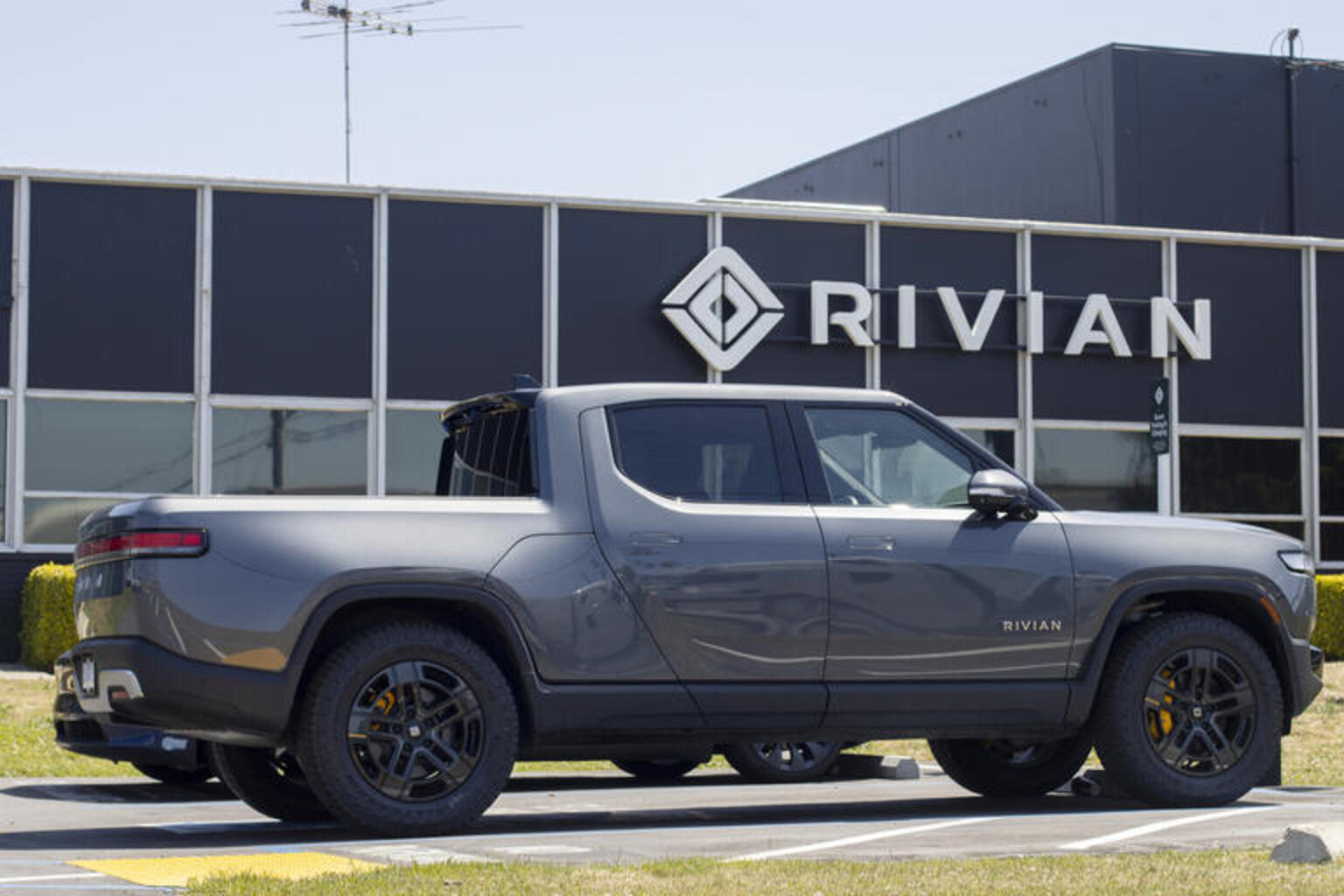
Rivian Automotive Considers Licensing Electrical Architecture and Autonomous Software
- Competitive Market Pressure: Rivian CEO RJ Scaringe emphasized that without high levels of autonomy and software-defined vehicles, the company risks losing market share, indicating a pressing need for technological innovation to maintain competitiveness.
- Cost Reduction Potential: UBS analyst Joseph Spak noted that if legacy automakers could share a common software platform, it would lower EV manufacturing costs and reduce capital intensity, potentially leading to a more homogenized industry that tests brand positioning capabilities.
- Platformization Trend: Analysts foresee an automotive industry evolving similarly to the smartphone market, with Rivian potentially filling the Android role while Tesla may take on the Apple role, indicating a fundamental shift in market dynamics.
- Collaboration and Challenges: Key questions arise regarding whether Rivian's desire to sell vehicles aligns with its ambition to become a foundational architecture/software platform, and how its partnership with Volkswagen will influence the licensing of its autonomous software.
Lucid Group Stock Rises 5.33% Following Uber's $500M Investment
- Uber Investment Impact: Uber confirmed a $500 million investment in Lucid Group, acquiring an 11.5% stake and committing to purchase 35,000 Lucid vehicles designed for its upcoming global robotaxi service, significantly enhancing Lucid's market position and sales potential.
- Surge in Trading Volume: Lucid Group's trading volume reached 46.9 million shares, approximately 379% above its three-month average, indicating strong investor interest in the company's future developments, particularly under the new CEO's leadership.
- Stock Performance: Lucid's stock rose 5.33% to $7.11, despite a 93% decline since its IPO in 2020, reflecting market optimism regarding its partnership with Uber.
- CEO Transition Impact: The appointment of new CEO Silvio Napoli has drawn market attention, with investors eager to see if he can drive EV sales through the launch of the new Gravity SUV, which will likely influence Lucid's future stock price trajectory.
Lucid Appoints New CEO and Secures $1.05 Billion in Funding
- New CEO Appointment: Lucid has appointed Silvio Napoli as its new CEO, whose extensive experience in industrial manufacturing, despite lacking automotive roots, is expected to enhance the company's cost discipline and operational scaling, laying a foundation for future growth.
- Funding Developments: Ayar Third Investment Company has agreed to purchase $550 million of convertible preferred stock, while Uber Technologies will increase its investment in Lucid to $500 million, providing crucial support for Lucid's expansion and operations.
- Public Offering Pricing: Lucid has priced a public offering of common stock expected to raise $300 million in gross proceeds, which will further bolster the company's liquidity, although cash flow pressures remain a concern.
- Cash Flow Challenges: Despite achieving eight consecutive quarters of record deliveries in 2025, Lucid faced a negative cash flow of $1.25 billion in Q4, leading analysts to predict that the company's cash runway could be exhausted by 2027 without additional capital raises.
Rivian Invests Heavily in AI and New Models
- Market Potential: Rivian's market cap is around $21 billion, and if it could reach Tesla's nearly $1.2 trillion valuation, there would be over 5,000% potential upside, indicating significant long-term growth prospects.
- Accelerated AI Investment: Rivian is ramping up its investments in AI and autonomous driving technology, and while it cannot match Tesla's spending, its first AI Day impressed analysts, suggesting the company is making strides to catch up with industry leaders.
- New Model Launch: Rivian plans to launch its first R2 SUV priced under $50,000 this year, which is expected to expand its production infrastructure and generate more driving data for AI models, thereby increasing brand visibility and market share.
- Strategic Shift: By prioritizing AI and autonomy, Rivian has shelved its 2027 profitability targets, demonstrating strong confidence in future technology investments, and if successful, it could emerge as the next Tesla.
Lucid Motors Faces Funding and Profitability Challenges
- Funding Situation: Lucid recently raised $1.05 billion through an agreement with Ayar Third Investment Company, a Saudi Public Investment Fund affiliate, including $550 million in convertible preferred stock, yet the stock has dropped over 20% since the announcement.
- Cash Flow Issues: Despite ending 2025 with approximately $1 billion in cash and $4.6 billion in liquidity, the fourth-quarter cash burn reached $1.25 billion, indicating a fragile financial position that may necessitate further capital raises to sustain operations.
- Production Challenges: Lucid faced a supplier disruption during the launch of its Gravity SUV, causing delivery delays; although the company reaffirmed its production guidance of 25,000 to 27,000 vehicles for 2023, this challenge could undermine market confidence.
- Shareholder Dilution Risk: Compared to rival Rivian, Lucid is diluting shareholders at a faster rate while making less progress on gross profitability, raising investor concerns about its ability to achieve profitability, especially with the need for additional funding looming.
Rivian Could Deliver 1,000% Return Potential
- Growth Potential Analysis: Rivian's market cap stands at $21 billion with a current stock price of $17.15, and while its sales base pales in comparison to Tesla's, the company has invested billions in scaling production of its luxury models, R1T and R1S, demonstrating its growth capability.
- Strategic Turning Point: Rivian plans to begin deliveries of its first affordable SUV, the R2, in 2026, which, if successful, could serve as its equivalent to Tesla's Model Y, significantly boosting revenue and profitability metrics.
- AI Investment Strategy: Rivian is ramping up investments in artificial intelligence, intending to integrate it into production processes and self-driving technology; while results are yet to materialize, a $1.25 billion investment deal with Uber highlights its technology-driven market potential.
- Market Competition Outlook: Despite Tesla facing declining sales, Rivian is seizing the opportunity to enter the robotaxi market through its partnership with Uber, which is expected to provide substantial growth potential for its stock, attracting the attention of long-term investors.
Rivian Automotive Considers Licensing Electrical Architecture and Autonomous Software
- Competitive Market Pressure: Rivian CEO RJ Scaringe emphasized that without high levels of autonomy and software-defined vehicles, the company risks losing market share, indicating a pressing need for technological innovation to maintain competitiveness.
- Cost Reduction Potential: UBS analyst Joseph Spak noted that if legacy automakers could share a common software platform, it would lower EV manufacturing costs and reduce capital intensity, potentially leading to a more homogenized industry that tests brand positioning capabilities.
- Platformization Trend: Analysts foresee an automotive industry evolving similarly to the smartphone market, with Rivian potentially filling the Android role while Tesla may take on the Apple role, indicating a fundamental shift in market dynamics.
- Collaboration and Challenges: Key questions arise regarding whether Rivian's desire to sell vehicles aligns with its ambition to become a foundational architecture/software platform, and how its partnership with Volkswagen will influence the licensing of its autonomous software.