The Rise and Transformation of Physical AI
Written by Emily J. Thompson, Senior Investment Analyst
Updated: Feb 05 2026
0mins


Should l Buy AAPL?
Source: Benzinga
- Physical AI Transformation: Bank of America analyst Martyn Briggs highlights that the rise of Physical AI is underway, projected to drive a trillion-dollar market shift as value transitions from digital models to physical machines like robots, autonomous vehicles, and drones, marking a significant shift of intelligence from screens to machines.
- Humanoid Robot Production: Over 50 companies are developing humanoid robot platforms, with shipments expected to grow from tens of thousands today to millions annually over the next decade, driven by labor shortages and falling component costs, which will transform operations in manufacturing and logistics.
- Autonomous Driving Adoption: Robotaxis are operational in multiple cities, and advanced driver-assistance systems are set to achieve mass adoption in China by 2030, with hardware cost reductions significantly lowering ride-hailing and freight costs, thus transforming mobility into a software-defined, AI-driven platform.
- Investment Opportunities: Bank of America has highlighted 15 publicly traded companies exposed to Physical AI, including Nvidia, Tesla, and Qualcomm, which are leading in chips, robotics, mobility, and sensing, expected to spearhead this transformative wave.
Trade with 70% Backtested Accuracy
Stop guessing "Should I Buy AAPL?" and start using high-conviction signals backed by rigorous historical data.
Sign up today to access powerful investing tools and make smarter, data-driven decisions.
Analyst Views on AAPL
Wall Street analysts forecast AAPL stock price to rise
27 Analyst Rating
17 Buy
9 Hold
1 Sell
Moderate Buy
Current: 293.320

Low
239.00
Averages
306.89
High
350.00
Current: 293.320
Low
239.00
Averages
306.89
High
350.00
About AAPL
Apple Inc. designs, manufactures and markets smartphones, personal computers, tablets, wearables and accessories, and sells a variety of related services. Its product categories include iPhone, Mac, iPad, Wearables, Home and Accessories. Its services include advertising, AppleCare, cloud services, digital content, and payment services. The Company operates various platforms, including the App Store, that allow customers to discover and download applications and digital content, such as books, music, video, games and podcasts. It also offers digital content through subscription-based services, including Apple Arcade, Apple Fitness+, Apple Music, Apple News+, and Apple TV+. Its wearables include smartwatches, wireless headphones, and spatial computers. Its products include iPhone 16 Pro, iPhone 16, iPhone 15, iPhone 14, iPhone SE, MacBook Air, MacBook Pro, iMac, Mac mini, Mac Studio, Mac Pro, iPad Pro, iPad Air, AirPods, AirPods Pro, AirPods Max, Apple TV, Apple Vision Pro and others.
About the author

Emily J. Thompson
Emily J. Thompson, a Chartered Financial Analyst (CFA) with 12 years in investment research, graduated with honors from the Wharton School. Specializing in industrial and technology stocks, she provides in-depth analysis for Intellectia’s earnings and market brief reports.

Apple's CEO Transition and AI Strategy Outlook

- CEO Transition Impact: Apple has announced a CEO change set for September, with Tim Cook stepping down and John Ternus taking over, which may influence the company's strategic direction, particularly in AI decision-making.
- WWDC Conference Preview: At the WWDC event on June 8, Apple is expected to unveil significant AI advancements and new software tools, potentially fueling future growth, although market expectations for AI features are already high.
- Strong Financial Performance: Apple's latest quarterly results show a market cap of $4.3 trillion, and with the stock trading at 35 times its earnings, investor sentiment remains cautious regarding future growth, which may affect short-term investment decisions.
- Investor Sentiment Shift: Despite the slow progress in Apple's AI strategy, investor sentiment is gradually rising, reflecting market anticipation for the upcoming WWDC conference, which could influence short-term stock price fluctuations.
See More

Intel's Stock Surge Reshapes Market Position in the AI Era


- Significant Stock Recovery: Intel's stock has surged over 240% since its removal from the Dow, with a remarkable 377% increase since November 2024, now boasting a market cap exceeding $640 billion, making it the 15th largest component in the S&P 500, indicating a strong market rebound potential.
- Market Share Recovery: Through cost-cutting, restructuring, and new management, Intel has achieved growth in its data center and AI segments, particularly driven by increased demand for central processing units (CPUs), highlighting its increasingly vital role in the AI ecosystem.
- Upgraded Earnings Forecast: Analysts now project Intel's earnings per share to reach $1.53 in fiscal 2027, representing a 40.4% increase from 2026's average estimates, providing a clear runway for high-margin growth, although its valuation has significantly risen with a forward P/E ratio of 115.
- Intensifying Industry Competition: Despite Intel's strong recovery momentum, Nvidia's market cap remains eight times larger than Intel's, and its greater influence in the Dow underscores the need for Intel to continue enhancing its competitiveness to potentially reclaim a spot in the index.
See More

Sandisk's Earnings Surge Amidst NAND Flash Demand and Supply Shortage

- Revenue Surge: Sandisk's fiscal Q3 revenue skyrocketed by 350% year-over-year to $5.95 billion, significantly exceeding the consensus estimate of $4.7 billion, highlighting the robust demand for NAND flash amid supply shortages.
- Earnings Improvement: The company reported adjusted earnings of $23.41 per share, a remarkable turnaround from a loss of $0.30 per share in the prior year, surpassing analyst expectations of $14.50, indicating a rapid recovery in profitability.
- Long-Term Contracts: Sandisk signed three long-term supply agreements worth $42 billion last quarter, strengthening its revenue pipeline, and has already secured two new contracts this quarter, reflecting sustained customer demand for its products.
- Positive Market Outlook: NAND flash prices are projected to rise by 234% by 2026, while Sandisk anticipates current quarter revenues of $8 billion, well above the consensus estimate of $6.49 billion, indicating substantial growth potential in the future.
See More
US-China Trade Talks and Summit Agenda

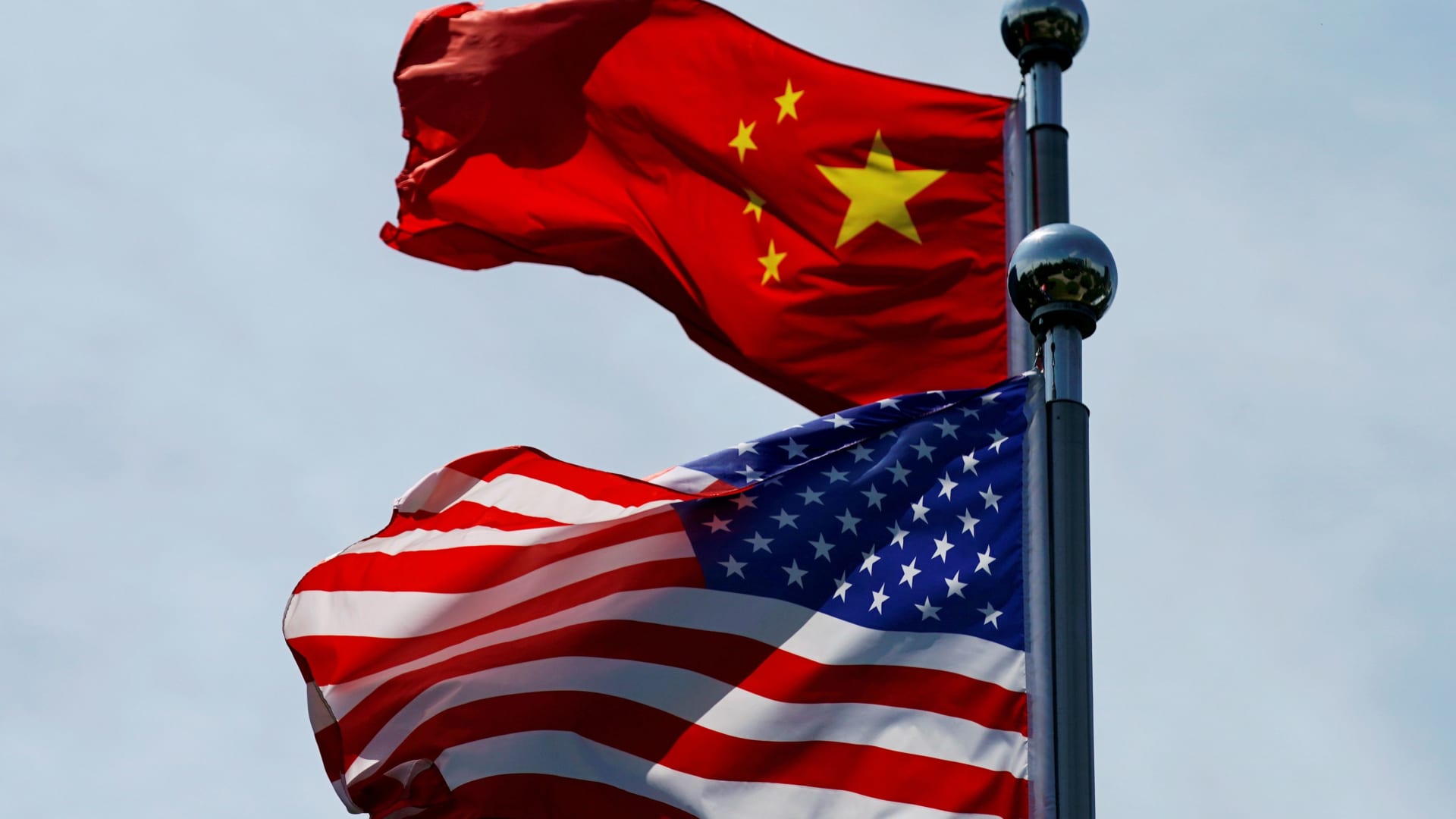
- US-China Trade Talks: US Treasury Secretary Scott Bessent is set to meet with Chinese Vice Premier He Lifeng in South Korea from Tuesday to Wednesday, aiming to pave the way for the upcoming Trump-Xi summit, highlighting the urgency and complexity of trade relations between the two nations.
- Summit Agenda: Trump is expected to arrive in Beijing on Wednesday evening, with a bilateral meeting with Xi scheduled for the following morning, followed by a tour of the Temple of Heaven and a state banquet, underscoring the importance both leaders place on strengthening bilateral ties.
- Key Issues: The summit will focus on the Iran-Hormuz crisis, with analysts suggesting that it is more about preventing escalation of tensions rather than establishing deep cooperation mechanisms, which is crucial for global economic stability.
- Future Outlook: Xi is anticipated to visit the US later this year, and the outcomes of this week's meeting will lay the groundwork for future high-level exchanges between the two countries, particularly in trade and geopolitical interactions that will continue to attract global attention.
See More
Trump's Meeting with Xi Jinping Faces Diminished Expectations

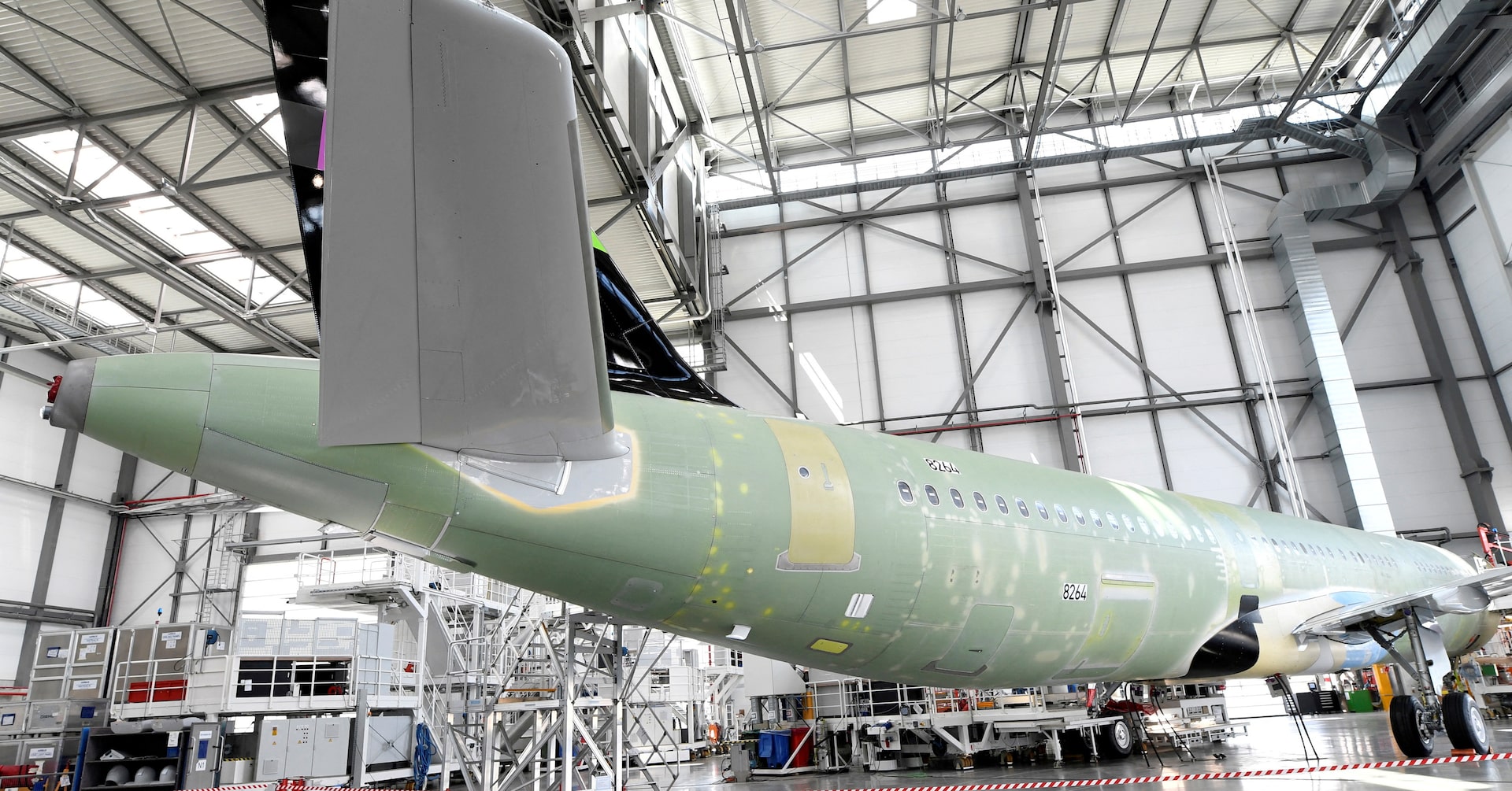
- Narrowed Trade Goals: Trump's upcoming meeting with Xi Jinping on May 14-15 focuses on limited deals concerning soybeans, beef, and Boeing jets, indicating that his aggressive trade stance has not yielded substantial results, which may negatively impact his support ahead of the midterm elections.
- Increased Economic Pressure: Since their last meeting, China has intensified economic pressure on the U.S., while Trump is preoccupied with court rulings against his tariffs, revealing his passive position in negotiations and potentially diminishing U.S. influence in the global economy.
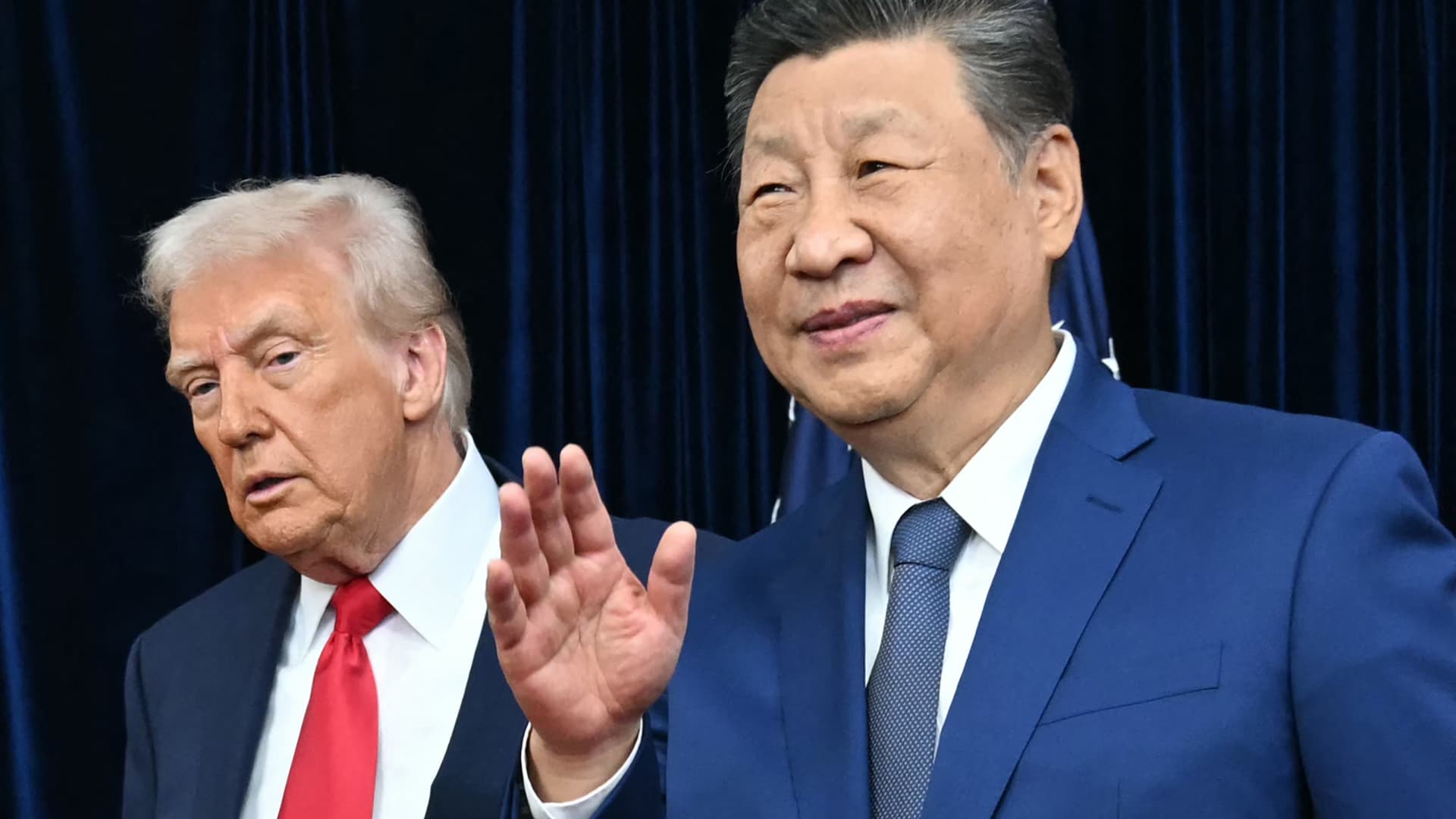
- Grand Meeting Format: The summit will take place at the Great Hall of the People, with Trump accompanied by business leaders including Tesla's Elon Musk and Apple's Tim Cook, although the smaller delegation compared to 2017 reflects a decline in Trump's international clout.
- Uncertain Future Relations: Trump aims to leverage this meeting to seek cooperation with China on the Iran issue, but analysts suggest the likely outcome may be a
See More
Trump Acknowledges Weak Iran Ceasefire, Oil Prices Surge
- Ceasefire Situation Deteriorating: Trump acknowledged that the Iran ceasefire is 'on life support,' indicating a potential escalation in tensions despite his previous claims that Washington 'has all the cards' in the conflict.
- Oil Prices React Swiftly: Brent crude futures surged nearly 3% to over $104 per barrel, while U.S. West Texas Intermediate futures also climbed 3% to close at $98.07 per barrel, reflecting the market's sensitivity to Middle Eastern developments.
- Uncertain Market Outlook: Saudi Aramco's CEO warned that even if the Strait of Hormuz opens today, it would take months for the market to rebalance, and if delayed, normalization could extend into 2027, highlighting the long-term impact of the conflict on oil flows.
- High-Profile Executives Attending Summit: As Trump prepares to meet with Chinese President Xi Jinping, a delegation including CEOs from Tesla, Apple, and BlackRock is expected to attend, indicating that the summit will cover broader topics, including Iran and rare earth metal cooperation.
See More
Apple's CEO Transition and AI Strategy Outlook
- CEO Transition Impact: Apple has announced a CEO change set for September, with Tim Cook stepping down and John Ternus taking over, which may influence the company's strategic direction, particularly in AI decision-making.
- WWDC Conference Preview: At the WWDC event on June 8, Apple is expected to unveil significant AI advancements and new software tools, potentially fueling future growth, although market expectations for AI features are already high.
- Strong Financial Performance: Apple's latest quarterly results show a market cap of $4.3 trillion, and with the stock trading at 35 times its earnings, investor sentiment remains cautious regarding future growth, which may affect short-term investment decisions.
- Investor Sentiment Shift: Despite the slow progress in Apple's AI strategy, investor sentiment is gradually rising, reflecting market anticipation for the upcoming WWDC conference, which could influence short-term stock price fluctuations.
See More
Intel's Stock Surge Reshapes Market Position in the AI Era
- Significant Stock Recovery: Intel's stock has surged over 240% since its removal from the Dow, with a remarkable 377% increase since November 2024, now boasting a market cap exceeding $640 billion, making it the 15th largest component in the S&P 500, indicating a strong market rebound potential.
- Market Share Recovery: Through cost-cutting, restructuring, and new management, Intel has achieved growth in its data center and AI segments, particularly driven by increased demand for central processing units (CPUs), highlighting its increasingly vital role in the AI ecosystem.
- Upgraded Earnings Forecast: Analysts now project Intel's earnings per share to reach $1.53 in fiscal 2027, representing a 40.4% increase from 2026's average estimates, providing a clear runway for high-margin growth, although its valuation has significantly risen with a forward P/E ratio of 115.
- Intensifying Industry Competition: Despite Intel's strong recovery momentum, Nvidia's market cap remains eight times larger than Intel's, and its greater influence in the Dow underscores the need for Intel to continue enhancing its competitiveness to potentially reclaim a spot in the index.
See More
Sandisk's Earnings Surge Amidst NAND Flash Demand and Supply Shortage
- Revenue Surge: Sandisk's fiscal Q3 revenue skyrocketed by 350% year-over-year to $5.95 billion, significantly exceeding the consensus estimate of $4.7 billion, highlighting the robust demand for NAND flash amid supply shortages.
- Earnings Improvement: The company reported adjusted earnings of $23.41 per share, a remarkable turnaround from a loss of $0.30 per share in the prior year, surpassing analyst expectations of $14.50, indicating a rapid recovery in profitability.
- Long-Term Contracts: Sandisk signed three long-term supply agreements worth $42 billion last quarter, strengthening its revenue pipeline, and has already secured two new contracts this quarter, reflecting sustained customer demand for its products.
- Positive Market Outlook: NAND flash prices are projected to rise by 234% by 2026, while Sandisk anticipates current quarter revenues of $8 billion, well above the consensus estimate of $6.49 billion, indicating substantial growth potential in the future.
See More
US-China Trade Talks and Summit Agenda
- US-China Trade Talks: US Treasury Secretary Scott Bessent is set to meet with Chinese Vice Premier He Lifeng in South Korea from Tuesday to Wednesday, aiming to pave the way for the upcoming Trump-Xi summit, highlighting the urgency and complexity of trade relations between the two nations.
- Summit Agenda: Trump is expected to arrive in Beijing on Wednesday evening, with a bilateral meeting with Xi scheduled for the following morning, followed by a tour of the Temple of Heaven and a state banquet, underscoring the importance both leaders place on strengthening bilateral ties.
- Key Issues: The summit will focus on the Iran-Hormuz crisis, with analysts suggesting that it is more about preventing escalation of tensions rather than establishing deep cooperation mechanisms, which is crucial for global economic stability.
- Future Outlook: Xi is anticipated to visit the US later this year, and the outcomes of this week's meeting will lay the groundwork for future high-level exchanges between the two countries, particularly in trade and geopolitical interactions that will continue to attract global attention.
See More
Trump's Meeting with Xi Jinping Faces Diminished Expectations
- Narrowed Trade Goals: Trump's upcoming meeting with Xi Jinping on May 14-15 focuses on limited deals concerning soybeans, beef, and Boeing jets, indicating that his aggressive trade stance has not yielded substantial results, which may negatively impact his support ahead of the midterm elections.
- Increased Economic Pressure: Since their last meeting, China has intensified economic pressure on the U.S., while Trump is preoccupied with court rulings against his tariffs, revealing his passive position in negotiations and potentially diminishing U.S. influence in the global economy.
- Grand Meeting Format: The summit will take place at the Great Hall of the People, with Trump accompanied by business leaders including Tesla's Elon Musk and Apple's Tim Cook, although the smaller delegation compared to 2017 reflects a decline in Trump's international clout.
- Uncertain Future Relations: Trump aims to leverage this meeting to seek cooperation with China on the Iran issue, but analysts suggest the likely outcome may be a
See More
Trump Acknowledges Weak Iran Ceasefire, Oil Prices Surge
- Ceasefire Situation Deteriorating: Trump acknowledged that the Iran ceasefire is 'on life support,' indicating a potential escalation in tensions despite his previous claims that Washington 'has all the cards' in the conflict.
- Oil Prices React Swiftly: Brent crude futures surged nearly 3% to over $104 per barrel, while U.S. West Texas Intermediate futures also climbed 3% to close at $98.07 per barrel, reflecting the market's sensitivity to Middle Eastern developments.
- Uncertain Market Outlook: Saudi Aramco's CEO warned that even if the Strait of Hormuz opens today, it would take months for the market to rebalance, and if delayed, normalization could extend into 2027, highlighting the long-term impact of the conflict on oil flows.
- High-Profile Executives Attending Summit: As Trump prepares to meet with Chinese President Xi Jinping, a delegation including CEOs from Tesla, Apple, and BlackRock is expected to attend, indicating that the summit will cover broader topics, including Iran and rare earth metal cooperation.
See More