Tesla Faces Sales Challenges Amid New Growth Opportunities
Written by Emily J. Thompson, Senior Investment Analyst
Updated: 1 hour ago
0mins
Should l Buy TSLA?
Source: NASDAQ.COM
- Sales Decline: Tesla's automotive sales have declined for the third consecutive year, resulting in a more than 15% drop in stock value since 2026, highlighting the severe challenges the company faces in an increasingly competitive EV market.
- Capital Market Advantage: Despite its sales struggles, Tesla maintains a market cap exceeding $1 trillion, enabling it to raise billions of dollars quickly, a capital access capability that few competitors can match.
- Robotaxi Market Potential: McKinsey predicts that the robotaxi market will reach global scale by 2030, and Tesla is heavily investing in autonomous driving technology to aim for a leading position in this potentially massive market.
- Production Line Restructuring: Tesla is retooling its production lines to achieve its Cybercab production target, aiming to produce one vehicle every 10 seconds, which will further enhance its competitiveness in the future autonomous driving market.
Trade with 70% Backtested Accuracy
Stop guessing "Should I Buy TSLA?" and start using high-conviction signals backed by rigorous historical data.
Sign up today to access powerful investing tools and make smarter, data-driven decisions.
Analyst Views on TSLA
Wall Street analysts forecast TSLA stock price to rise
30 Analyst Rating
12 Buy
11 Hold
7 Sell
Hold
Current: 388.900

Low
25.28
Averages
401.93
High
600.00
Current: 388.900
Low
25.28
Averages
401.93
High
600.00
About TSLA
Tesla, Inc. designs, develops, manufactures, sells and leases high-performance fully electric vehicles and energy generation and storage systems, and offers services related to its products. Its segments include automotive, and energy generation and storage. The automotive segment includes the design, development, manufacturing, sales and leasing of high-performance fully electric vehicles, and sales of automotive regulatory credits. It also includes sales of used vehicles, non-warranty maintenance services and collisions, part sales, paid supercharging, insurance services revenue and retail merchandise sales. The energy generation and storage segment include the design, manufacture, installation, sales and leasing of solar energy generation and energy storage products and related services and sales of solar energy systems incentives. Its consumer vehicles include the Model 3, Y, S, X and Cybertruck. Its lithium-ion battery energy storage products include Powerwall and Megapack.
About the author

Emily J. Thompson
Emily J. Thompson, a Chartered Financial Analyst (CFA) with 12 years in investment research, graduated with honors from the Wharton School. Specializing in industrial and technology stocks, she provides in-depth analysis for Intellectia’s earnings and market brief reports.
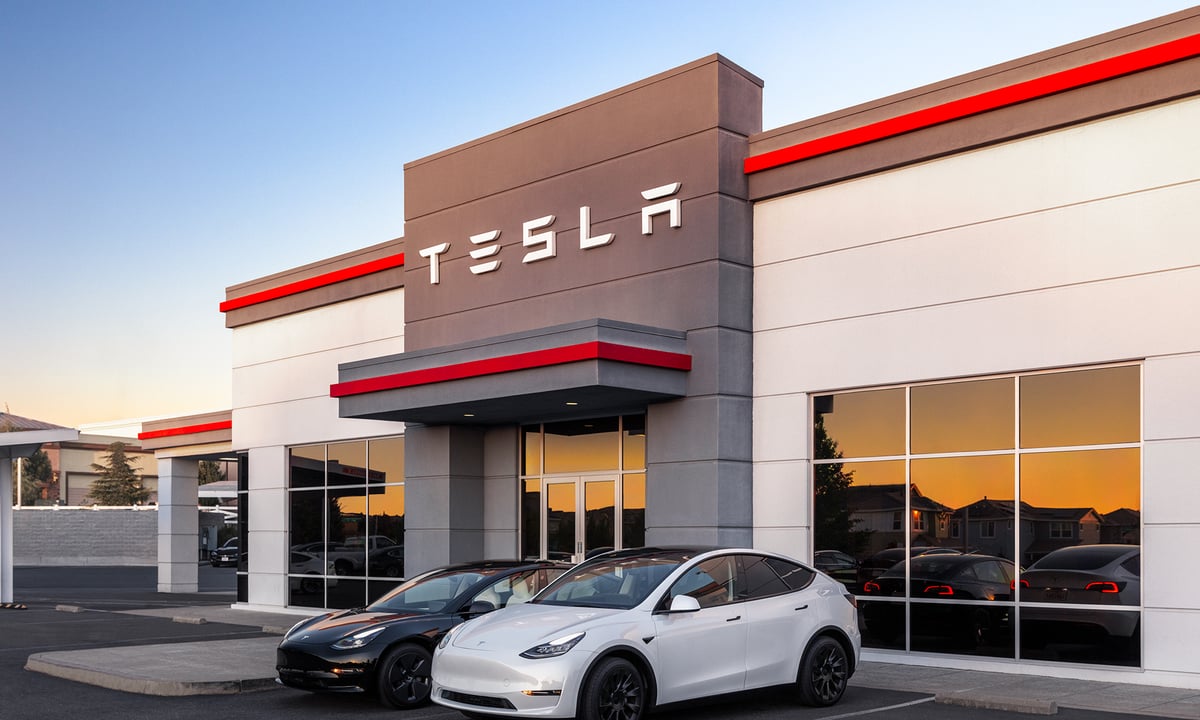
Tesla's Q1 2026 Earnings Preview and Key Focus Areas

- Production and Delivery Data: In Q1 2026, Tesla produced 408,386 vehicles and delivered 358,023, marking the lowest delivery figures in a year and falling short of Wall Street estimates, indicating potential inventory issues that could pressure free cash flow.
- Robotaxi Progress: Tesla's robotaxi fleet is currently operating in Austin and San Francisco, but the planned expansion into seven new cities may be delayed due to safety culture concerns, which could impact future revenue streams significantly.
- Humanoid Robot Production Outlook: Analysts predict Tesla will produce only 5,000 Optimus robots by 2027 and 30,000 by 2030, despite Musk's ambition of reaching one million annually, creating uncertainty in market expectations regarding these initiatives.
- Market Reaction and Risks: Tesla's stock valuation has decreased from nearly 300 times forward earnings to about 191 times, still higher than peers, and investors are cautious about the rollout of robotaxis; any delays could lead to market disappointment and negatively affect stock performance.
See More

Tesla Reportedly Developing All-New Electric SUV Amid Robotaxi Focus
- New Electric SUV Development: Tesla is reportedly developing an all-new, smaller, and more affordable electric SUV, which is expected to be priced significantly lower than the entry-level Model 3 at $34,000, thereby attracting a broader consumer base and enhancing market competitiveness.
- Shift in Production Location: Sources indicate that the SUV may be produced in China, a strategy that would allow Tesla to leverage advancements in electric vehicle technology in the region, further strengthening its competitive edge in the global market.
- Market Adaptability: The new model is designed to be adaptable for both human driving and autonomous driving, suggesting that Tesla may adopt a flexible strategy in the future autonomous vehicle market to meet evolving consumer demands.
- Increased Competitive Pressure: While Tesla has ambitious plans for autonomous driving and robotics, the aging of its traditional vehicle lineup and intense competition from Chinese EV manufacturers may compel Tesla to refocus on its automotive business to maintain its market leadership.
See More

Tesla Faces Sales Challenges Amid New Growth Opportunities

- Sales Decline: Tesla's automotive sales have declined for the third consecutive year, resulting in a more than 15% drop in stock value since 2026, highlighting the severe challenges the company faces in an increasingly competitive EV market.
- Capital Market Advantage: Despite its sales struggles, Tesla maintains a market cap exceeding $1 trillion, enabling it to raise billions of dollars quickly, a capital access capability that few competitors can match.
- Robotaxi Market Potential: McKinsey predicts that the robotaxi market will reach global scale by 2030, and Tesla is heavily investing in autonomous driving technology to aim for a leading position in this potentially massive market.
- Production Line Restructuring: Tesla is retooling its production lines to achieve its Cybercab production target, aiming to produce one vehicle every 10 seconds, which will further enhance its competitiveness in the future autonomous driving market.
See More
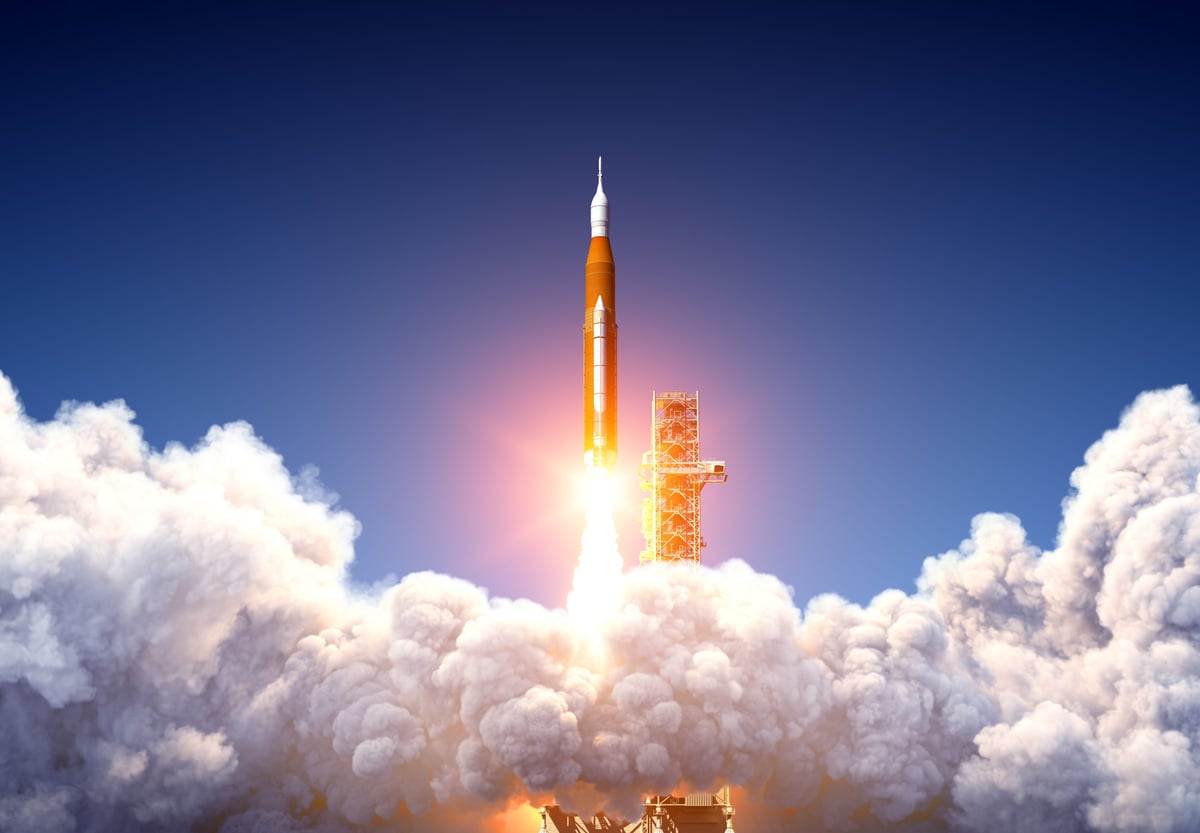
The Future Prospects of Space-Based Data Centers

- Technological Advancements: The concept of space-based data centers has shifted from impractical to ideal due to advancements in technology, particularly as terrestrial data centers generate excessive heat that requires efficient cooling, which the cold environment of space can provide.
- Solar Power Advantage: Space data centers can utilize solar energy as a continuous power source, addressing the electricity demands of terrestrial AI data centers, indicating significant sustainability benefits for this technology.
- Decreasing Launch Costs: Since 2010, SpaceX's Falcon 9 rocket has reduced launch costs to $2,600 per kilogram, with Falcon Heavy further lowering it to $1,500, and projections suggest costs could drop below $1,000, establishing a solid economic foundation for space data centers.
- Significant Market Potential: Although the realization of space data centers is still a few years away, companies like Rocket Lab are preparing reusable medium-lift rockets capable of launching 13,000 kilograms into orbit, attracting investor interest in this promising market.
See More
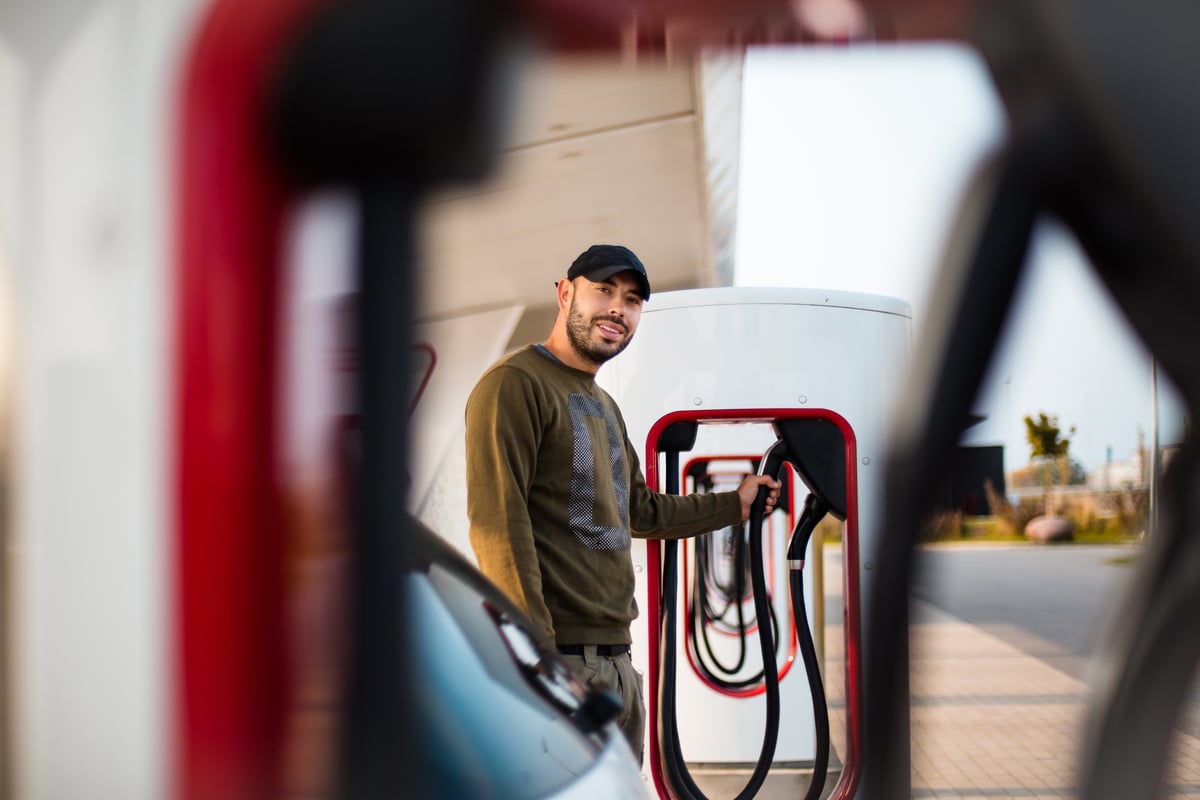
Tesla Faces Sales Decline but Robotaxi Opportunity Looms Large
- Stock Decline: Tesla's shares have lost over 15% since 2026, marking a third consecutive year of declining automotive sales amidst rising competition, yet the company maintains a market cap exceeding $1 trillion, highlighting its unique capital-raising capabilities.
- Robotaxi Market Potential: McKinsey predicts that the robotaxi market will reach global scale by 2030, potentially adding $1 trillion to Tesla's market cap, despite the current immaturity of self-driving technology, indicating a significant future opportunity.
- Production Line Overhaul: Tesla is retooling its production lines to achieve a target of producing one Cybercab every 10 seconds, reflecting substantial investments in autonomy and AI, aimed at seizing future market opportunities.
- Market Leadership: Cathie Wood of Ark Invest believes Tesla will command a leading share of the $5 trillion to $10 trillion global robotaxi market, further solidifying its leadership position in the electric vehicle sector.
See More

The Future Outlook of Space-Based Data Centers
- Cost Reduction Trend: Since 2010, SpaceX's Falcon 9 rocket has reduced launch costs from $5,400 per kilogram to $2,600, and further down to $1,500 in 2018, with expectations of dropping below $1,000, making the establishment of space-based data centers increasingly feasible.
- Technology Readiness: AST SpaceMobile has successfully provided broadband internet connectivity from satellites to ordinary mobile phones, demonstrating the maturity of space communication technology, which lays a reliable communication foundation for future space data center operations.
- Significant Environmental Benefits: Space data centers powered by solar energy avoid the high heat and environmental impact generated by terrestrial data centers, showcasing a more eco-friendly operational model that aligns with global sustainability demands.
- Huge Market Potential: As launch costs decrease and technology advances, the concept of space data centers is gradually becoming a reality, attracting attention from industry leaders including Elon Musk and Jeff Bezos, indicating an increase in future investment opportunities.
See More
Tesla's Q1 2026 Earnings Preview and Key Focus Areas
- Production and Delivery Data: In Q1 2026, Tesla produced 408,386 vehicles and delivered 358,023, marking the lowest delivery figures in a year and falling short of Wall Street estimates, indicating potential inventory issues that could pressure free cash flow.
- Robotaxi Progress: Tesla's robotaxi fleet is currently operating in Austin and San Francisco, but the planned expansion into seven new cities may be delayed due to safety culture concerns, which could impact future revenue streams significantly.
- Humanoid Robot Production Outlook: Analysts predict Tesla will produce only 5,000 Optimus robots by 2027 and 30,000 by 2030, despite Musk's ambition of reaching one million annually, creating uncertainty in market expectations regarding these initiatives.
- Market Reaction and Risks: Tesla's stock valuation has decreased from nearly 300 times forward earnings to about 191 times, still higher than peers, and investors are cautious about the rollout of robotaxis; any delays could lead to market disappointment and negatively affect stock performance.
See More
Tesla Reportedly Developing All-New Electric SUV Amid Robotaxi Focus
- New Electric SUV Development: Tesla is reportedly developing an all-new, smaller, and more affordable electric SUV, which is expected to be priced significantly lower than the entry-level Model 3 at $34,000, thereby attracting a broader consumer base and enhancing market competitiveness.
- Shift in Production Location: Sources indicate that the SUV may be produced in China, a strategy that would allow Tesla to leverage advancements in electric vehicle technology in the region, further strengthening its competitive edge in the global market.
- Market Adaptability: The new model is designed to be adaptable for both human driving and autonomous driving, suggesting that Tesla may adopt a flexible strategy in the future autonomous vehicle market to meet evolving consumer demands.
- Increased Competitive Pressure: While Tesla has ambitious plans for autonomous driving and robotics, the aging of its traditional vehicle lineup and intense competition from Chinese EV manufacturers may compel Tesla to refocus on its automotive business to maintain its market leadership.
See More
Tesla Faces Sales Challenges Amid New Growth Opportunities
- Sales Decline: Tesla's automotive sales have declined for the third consecutive year, resulting in a more than 15% drop in stock value since 2026, highlighting the severe challenges the company faces in an increasingly competitive EV market.
- Capital Market Advantage: Despite its sales struggles, Tesla maintains a market cap exceeding $1 trillion, enabling it to raise billions of dollars quickly, a capital access capability that few competitors can match.
- Robotaxi Market Potential: McKinsey predicts that the robotaxi market will reach global scale by 2030, and Tesla is heavily investing in autonomous driving technology to aim for a leading position in this potentially massive market.
- Production Line Restructuring: Tesla is retooling its production lines to achieve its Cybercab production target, aiming to produce one vehicle every 10 seconds, which will further enhance its competitiveness in the future autonomous driving market.
See More
The Future Prospects of Space-Based Data Centers
- Technological Advancements: The concept of space-based data centers has shifted from impractical to ideal due to advancements in technology, particularly as terrestrial data centers generate excessive heat that requires efficient cooling, which the cold environment of space can provide.
- Solar Power Advantage: Space data centers can utilize solar energy as a continuous power source, addressing the electricity demands of terrestrial AI data centers, indicating significant sustainability benefits for this technology.
- Decreasing Launch Costs: Since 2010, SpaceX's Falcon 9 rocket has reduced launch costs to $2,600 per kilogram, with Falcon Heavy further lowering it to $1,500, and projections suggest costs could drop below $1,000, establishing a solid economic foundation for space data centers.
- Significant Market Potential: Although the realization of space data centers is still a few years away, companies like Rocket Lab are preparing reusable medium-lift rockets capable of launching 13,000 kilograms into orbit, attracting investor interest in this promising market.
See More
Tesla Faces Sales Decline but Robotaxi Opportunity Looms Large
- Stock Decline: Tesla's shares have lost over 15% since 2026, marking a third consecutive year of declining automotive sales amidst rising competition, yet the company maintains a market cap exceeding $1 trillion, highlighting its unique capital-raising capabilities.
- Robotaxi Market Potential: McKinsey predicts that the robotaxi market will reach global scale by 2030, potentially adding $1 trillion to Tesla's market cap, despite the current immaturity of self-driving technology, indicating a significant future opportunity.
- Production Line Overhaul: Tesla is retooling its production lines to achieve a target of producing one Cybercab every 10 seconds, reflecting substantial investments in autonomy and AI, aimed at seizing future market opportunities.
- Market Leadership: Cathie Wood of Ark Invest believes Tesla will command a leading share of the $5 trillion to $10 trillion global robotaxi market, further solidifying its leadership position in the electric vehicle sector.
See More
The Future Outlook of Space-Based Data Centers
- Cost Reduction Trend: Since 2010, SpaceX's Falcon 9 rocket has reduced launch costs from $5,400 per kilogram to $2,600, and further down to $1,500 in 2018, with expectations of dropping below $1,000, making the establishment of space-based data centers increasingly feasible.
- Technology Readiness: AST SpaceMobile has successfully provided broadband internet connectivity from satellites to ordinary mobile phones, demonstrating the maturity of space communication technology, which lays a reliable communication foundation for future space data center operations.
- Significant Environmental Benefits: Space data centers powered by solar energy avoid the high heat and environmental impact generated by terrestrial data centers, showcasing a more eco-friendly operational model that aligns with global sustainability demands.
- Huge Market Potential: As launch costs decrease and technology advances, the concept of space data centers is gradually becoming a reality, attracting attention from industry leaders including Elon Musk and Jeff Bezos, indicating an increase in future investment opportunities.
See More