KLA's Position According to Analysts

Analyst Ratings Overview: In the last three months, 11 analysts have provided ratings for KLA, with a mix of bullish, somewhat bullish, indifferent, and no bearish sentiments. The average 12-month price target has risen to $1025.27, reflecting a 17.34% increase from the previous target.
Recent Analyst Actions: Several analysts have raised their ratings and price targets for KLA, with notable increases from firms like UBS, Barclays, and Stifel, indicating a positive shift in market sentiment towards the company.
KLA's Financial Performance: KLA demonstrates strong financial health with a market capitalization that exceeds industry standards, a revenue growth rate of 23.59%, and impressive net margins of 37.89%, although it faces challenges with a higher-than-average debt-to-equity ratio of 1.3.
Importance of Analyst Ratings: Analyst ratings are crucial for investors, as they provide insights based on comprehensive research and market analysis, helping to inform strategic investment decisions despite the inherent risks of human error in forecasts.
Trade with 70% Backtested Accuracy
Analyst Views on KLAC

About KLAC
About the author


Mixed Close for US Stocks as Nasdaq Hits 7.75-Month Low Amid Middle East Tensions


- Divergent Market Performance: On Monday, the S&P 500 index fell by 0.39%, while the Nasdaq 100 hit a 7.75-month low, indicating market concerns over the Middle East situation, particularly exacerbated by a sell-off in chip stocks, which negatively impacted investor confidence.
- Declining Bond Yields: The 10-year T-note yield dropped by 8 basis points to 4.34%, reflecting market fears that the ongoing war in the Middle East could lead to fuel shortages, potentially suppressing expectations for Fed rate hikes and highlighting economic growth uncertainties.
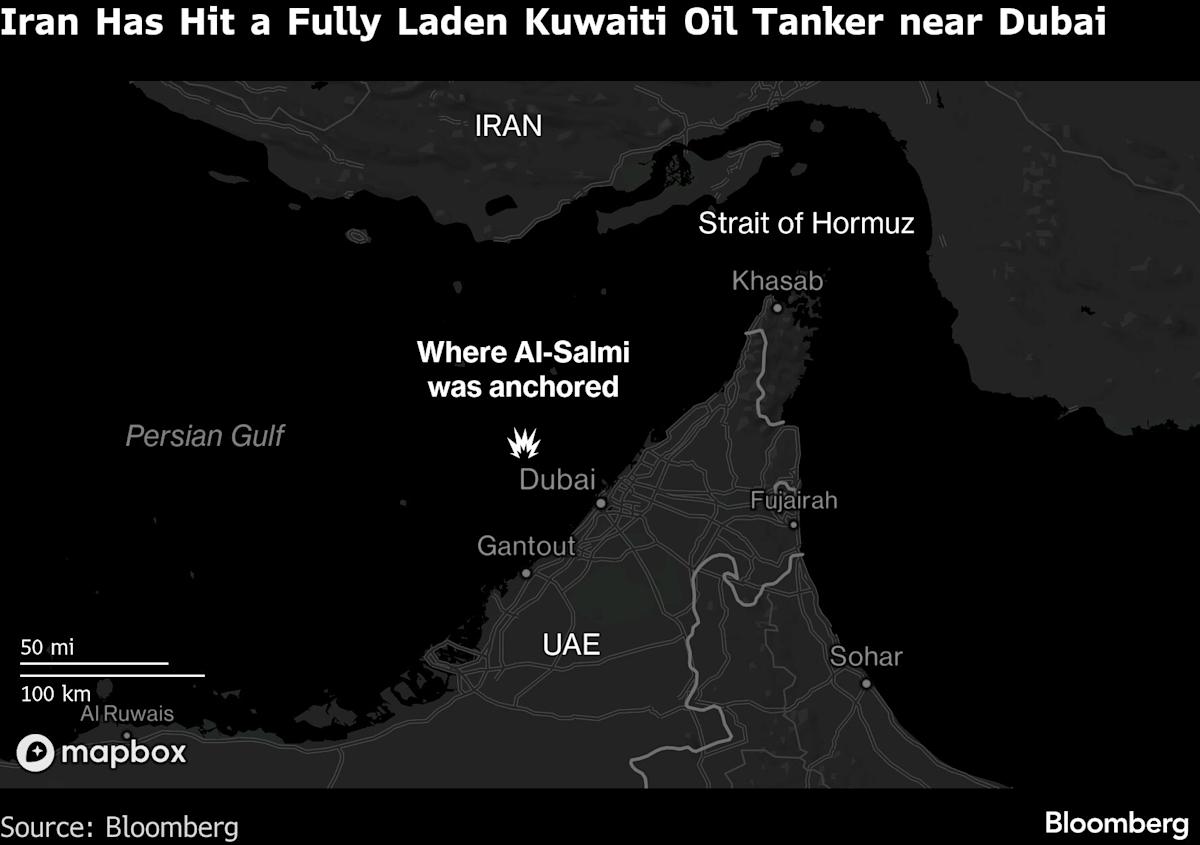
- Rising Crude Oil Prices: Crude oil prices surged over 3% to a three-week high due to Iranian attacks on the Strait of Hormuz, indicating severe threats to global energy supply chains, which could lead to soaring prices in the future and impact the global economy.
- Weak Manufacturing Activity: The Dallas Fed manufacturing activity survey fell to -0.2, below the expected 2.0, reflecting signs of economic slowdown that could influence corporate investment decisions and future economic growth.

US Stock Market Declines Amid Rising Oil Prices

- Oil Price Surge Impacts Markets: The S&P 500 Index fell by 0.75%, the Dow Jones Industrial Average by 0.21%, and the Nasdaq 100 by 1.18% as the market reacts to the first oil settlement exceeding $100 since 2022, highlighting concerns over rising energy costs amid ongoing supply chain risks.
- Uncertain Fed Policy Outlook: Federal Reserve Chair Jerome Powell noted that while the central bank is monitoring the surge in energy prices, its tools to address supply-side shocks are limited, with markets pricing in only a 3% chance of a 25 bp rate hike at the April meeting, indicating investor uncertainty about future monetary policy.
- Escalating Middle East Tensions: US and Israeli forces continue military operations in Iran, with the Pentagon preparing for weeks of ground operations as approximately 3,500 sailors and Marines arrive in the region, potentially exacerbating global energy supply issues.
- Positive Bond Market Reaction: The 10-year Treasury yield fell to 4.330% as speculation grows that the ongoing conflict in the Middle East may lead to fuel shortages, offsetting inflation fears and supporting Treasury prices amid declining inflation expectations.

Mixed U.S. Stock Indices Amid Rising Oil Prices
- Mixed Stock Performance: The S&P 500 Index fell by 0.29%, while the Dow Jones Industrial Average rose by 0.26%, and the Nasdaq 100 Index decreased by 0.67%, indicating a complex market reaction to Federal Reserve policies and international tensions.
- Rising Oil Prices: Crude oil prices surged over 2% to a three-week high due to disruptions in oil and gas flows through the Strait of Hormuz caused by the Iran conflict, which could negatively impact global economic growth.
- Weak Manufacturing Activity: The Dallas Fed manufacturing activity index dropped from -0.4 to -0.2, falling short of the expected increase to 2.0, suggesting challenges in economic recovery that may influence future policy decisions.
- Escalating International Tensions: U.S. and Israeli military actions against Iran have intensified, with 3,500 sailors and Marines deployed to the Middle East, potentially leading to further volatility in energy markets and impacting global supply chains.

US Stocks Rise as Oil Prices Hit Three-Week High
- Market Gains: The S&P 500 Index rose by 0.58%, the Dow Jones Industrial Average increased by 0.91%, and the Nasdaq 100 Index climbed by 0.30%, reflecting a positive market sentiment amid expectations that the Fed may keep interest rates unchanged.
- Declining Bond Yields: The 10-year Treasury note yield fell by 10 basis points to 4.33%, driven by concerns that the ongoing war in the Middle East could lead to a fuel shortage, potentially hindering global economic growth and influencing the Fed's future rate decisions.
- Rising Oil Prices: Crude oil prices surged over 2% to a three-week high due to Iranian attacks on shipping, raising fears that the closure of the Strait of Hormuz could disrupt global oil and gas supplies, which may lead to significant price increases.
- Manufacturing Activity Decline: The Dallas Fed's manufacturing activity survey dropped by 0.4 to -0.2, falling short of the expected increase to 2.0, indicating signs of economic slowdown that could impact future investment decisions.

US Stocks Plunge Amid Soaring Oil Prices

- Market Weakness: The S&P 500 index fell by 1.74%, the Dow Jones Industrial Average dropped by 1.01%, and the Nasdaq 100 hit a 6.5-month low, reflecting investor concerns about future economic prospects amid rising oil prices.
- Surging Oil Prices: WTI crude oil prices surged over 4% due to reports of potential military action against Iran by the Pentagon, which heightened inflation expectations and increased pressure on the stock market.
- Strong Labor Market Data: Initial jobless claims rose by 5,000 to 210,000, in line with expectations, while continuing claims fell by 32,000 to a 1.75-year low of 1.819 million, indicating labor market strength that could influence Federal Reserve policy.
- International Economic Impact: The OECD raised its G-20 inflation forecast for 2026 to 4.0%, reflecting the potential global economic impact of the Iran war, with increasing market concerns about escalating tensions in the Middle East that could disrupt global supply chains.

Apple Expands U.S. Manufacturing Partnerships with New Suppliers


- Increased Manufacturing Partnerships: Apple has announced the addition of new partners including Qnity Electronics, Cirrus Logic, Bosch, and TDK to its American Manufacturing Program, planning to invest $400 million by 2030, which enhances its supply chain localization and strengthens U.S. manufacturing competitiveness.
- Strategic Investment Commitment: Apple's commitment to invest $500 billion in 2025, with an additional $100 billion, underscores its long-term dedication to the U.S. market, aiming to mitigate supply chain risks and enhance brand image through localized production.
- Critical Component Supply: Qnity's involvement highlights its importance in the semiconductor supply chain, as Apple relies on its specialized chemicals and materials, ensuring a stronger partnership with TSMC and enhancing Apple's competitive edge in chip manufacturing.
- Enhanced Market Competitiveness: Qnity's stock remains cheaper compared to its main rival Entegris, trading at less than 32 times earnings estimates, indicating strong future earnings growth potential, with Apple's backing further solidifying its market position.
Mixed Close for US Stocks as Nasdaq Hits 7.75-Month Low Amid Middle East Tensions
- Divergent Market Performance: On Monday, the S&P 500 index fell by 0.39%, while the Nasdaq 100 hit a 7.75-month low, indicating market concerns over the Middle East situation, particularly exacerbated by a sell-off in chip stocks, which negatively impacted investor confidence.
- Declining Bond Yields: The 10-year T-note yield dropped by 8 basis points to 4.34%, reflecting market fears that the ongoing war in the Middle East could lead to fuel shortages, potentially suppressing expectations for Fed rate hikes and highlighting economic growth uncertainties.
- Rising Crude Oil Prices: Crude oil prices surged over 3% to a three-week high due to Iranian attacks on the Strait of Hormuz, indicating severe threats to global energy supply chains, which could lead to soaring prices in the future and impact the global economy.
- Weak Manufacturing Activity: The Dallas Fed manufacturing activity survey fell to -0.2, below the expected 2.0, reflecting signs of economic slowdown that could influence corporate investment decisions and future economic growth.
US Stock Market Declines Amid Rising Oil Prices
- Oil Price Surge Impacts Markets: The S&P 500 Index fell by 0.75%, the Dow Jones Industrial Average by 0.21%, and the Nasdaq 100 by 1.18% as the market reacts to the first oil settlement exceeding $100 since 2022, highlighting concerns over rising energy costs amid ongoing supply chain risks.
- Uncertain Fed Policy Outlook: Federal Reserve Chair Jerome Powell noted that while the central bank is monitoring the surge in energy prices, its tools to address supply-side shocks are limited, with markets pricing in only a 3% chance of a 25 bp rate hike at the April meeting, indicating investor uncertainty about future monetary policy.
- Escalating Middle East Tensions: US and Israeli forces continue military operations in Iran, with the Pentagon preparing for weeks of ground operations as approximately 3,500 sailors and Marines arrive in the region, potentially exacerbating global energy supply issues.
- Positive Bond Market Reaction: The 10-year Treasury yield fell to 4.330% as speculation grows that the ongoing conflict in the Middle East may lead to fuel shortages, offsetting inflation fears and supporting Treasury prices amid declining inflation expectations.
Mixed U.S. Stock Indices Amid Rising Oil Prices
- Mixed Stock Performance: The S&P 500 Index fell by 0.29%, while the Dow Jones Industrial Average rose by 0.26%, and the Nasdaq 100 Index decreased by 0.67%, indicating a complex market reaction to Federal Reserve policies and international tensions.
- Rising Oil Prices: Crude oil prices surged over 2% to a three-week high due to disruptions in oil and gas flows through the Strait of Hormuz caused by the Iran conflict, which could negatively impact global economic growth.
- Weak Manufacturing Activity: The Dallas Fed manufacturing activity index dropped from -0.4 to -0.2, falling short of the expected increase to 2.0, suggesting challenges in economic recovery that may influence future policy decisions.
- Escalating International Tensions: U.S. and Israeli military actions against Iran have intensified, with 3,500 sailors and Marines deployed to the Middle East, potentially leading to further volatility in energy markets and impacting global supply chains.
US Stocks Rise as Oil Prices Hit Three-Week High
- Market Gains: The S&P 500 Index rose by 0.58%, the Dow Jones Industrial Average increased by 0.91%, and the Nasdaq 100 Index climbed by 0.30%, reflecting a positive market sentiment amid expectations that the Fed may keep interest rates unchanged.
- Declining Bond Yields: The 10-year Treasury note yield fell by 10 basis points to 4.33%, driven by concerns that the ongoing war in the Middle East could lead to a fuel shortage, potentially hindering global economic growth and influencing the Fed's future rate decisions.
- Rising Oil Prices: Crude oil prices surged over 2% to a three-week high due to Iranian attacks on shipping, raising fears that the closure of the Strait of Hormuz could disrupt global oil and gas supplies, which may lead to significant price increases.
- Manufacturing Activity Decline: The Dallas Fed's manufacturing activity survey dropped by 0.4 to -0.2, falling short of the expected increase to 2.0, indicating signs of economic slowdown that could impact future investment decisions.
US Stocks Plunge Amid Soaring Oil Prices
- Market Weakness: The S&P 500 index fell by 1.74%, the Dow Jones Industrial Average dropped by 1.01%, and the Nasdaq 100 hit a 6.5-month low, reflecting investor concerns about future economic prospects amid rising oil prices.
- Surging Oil Prices: WTI crude oil prices surged over 4% due to reports of potential military action against Iran by the Pentagon, which heightened inflation expectations and increased pressure on the stock market.
- Strong Labor Market Data: Initial jobless claims rose by 5,000 to 210,000, in line with expectations, while continuing claims fell by 32,000 to a 1.75-year low of 1.819 million, indicating labor market strength that could influence Federal Reserve policy.
- International Economic Impact: The OECD raised its G-20 inflation forecast for 2026 to 4.0%, reflecting the potential global economic impact of the Iran war, with increasing market concerns about escalating tensions in the Middle East that could disrupt global supply chains.
Apple Expands U.S. Manufacturing Partnerships with New Suppliers
- Increased Manufacturing Partnerships: Apple has announced the addition of new partners including Qnity Electronics, Cirrus Logic, Bosch, and TDK to its American Manufacturing Program, planning to invest $400 million by 2030, which enhances its supply chain localization and strengthens U.S. manufacturing competitiveness.
- Strategic Investment Commitment: Apple's commitment to invest $500 billion in 2025, with an additional $100 billion, underscores its long-term dedication to the U.S. market, aiming to mitigate supply chain risks and enhance brand image through localized production.
- Critical Component Supply: Qnity's involvement highlights its importance in the semiconductor supply chain, as Apple relies on its specialized chemicals and materials, ensuring a stronger partnership with TSMC and enhancing Apple's competitive edge in chip manufacturing.
- Enhanced Market Competitiveness: Qnity's stock remains cheaper compared to its main rival Entegris, trading at less than 32 times earnings estimates, indicating strong future earnings growth potential, with Apple's backing further solidifying its market position.