Tech Stocks Surge as AMD Soars Nearly 9% Amid Market Optimism
Written by Emily J. Thompson, Senior Investment Analyst
Updated: 1 day ago
0mins
Should l Buy AAPL?
Source: seekingalpha
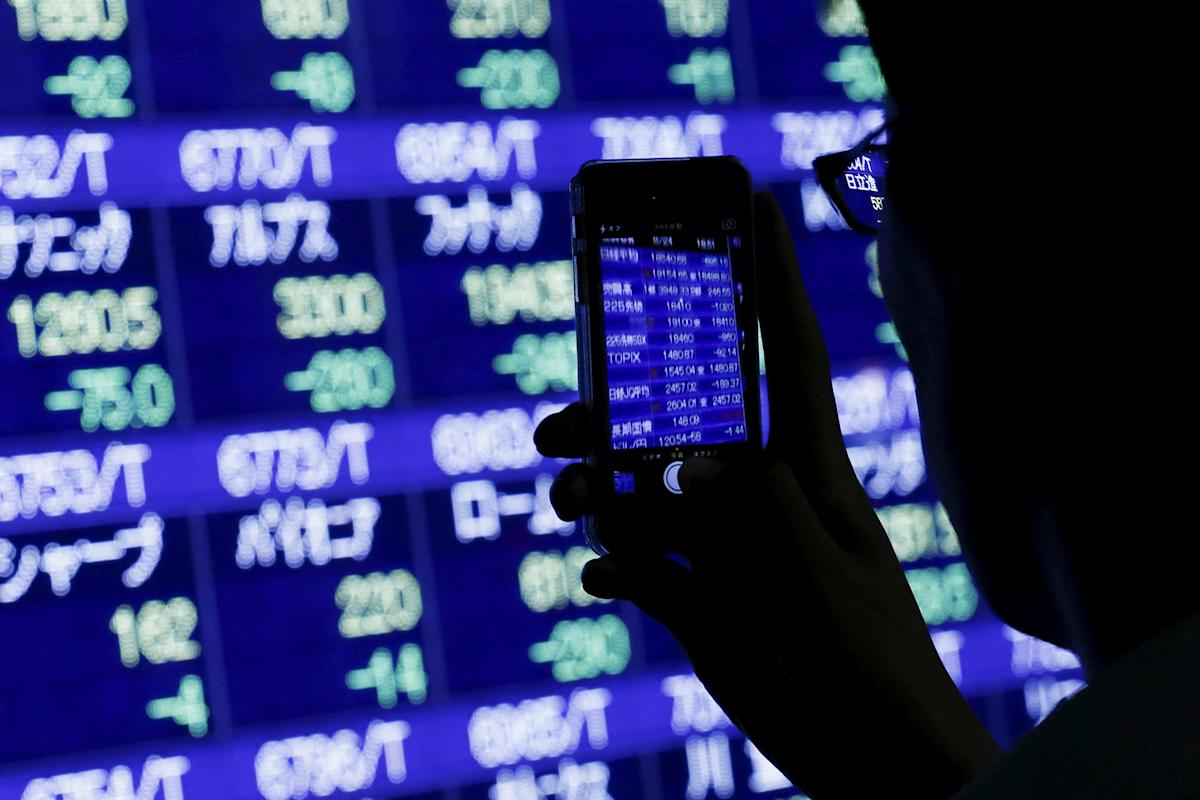
- Market Rebound: Tech stocks broadly rose as the U.S. anticipates a response from Iran regarding a proposal to end the war, with the Nasdaq Composite climbing approximately 1.4% and the S&P 500 increasing about 0.8%, indicating renewed investor confidence in the tech sector.
- AMD Stock Surge: Following strong praise from analysts for its quarterly results, AMD's stock soared nearly 9% on Friday after a 20% jump on Wednesday, marking a year-to-date increase of nearly 106%, showcasing its robust performance in the enterprise AI cloud market.
- Strong Performances from Nvidia and Qualcomm: Nvidia shares rose about 3%, while Qualcomm surged approximately 11%, with Qualcomm's stock up about 31% year-to-date, reflecting ongoing optimism in the market for these leading tech companies.
- Micron Technology's Significant Gain: Micron's stock jumped about 14% on Friday, with a year-to-date increase of around 155%, driven by high demand for memory chips, and an analyst upgrade to Buy from Hold further bolstered investor confidence.
Trade with 70% Backtested Accuracy
Stop guessing "Should I Buy AAPL?" and start using high-conviction signals backed by rigorous historical data.
Sign up today to access powerful investing tools and make smarter, data-driven decisions.
Analyst Views on AAPL
Wall Street analysts forecast AAPL stock price to rise
27 Analyst Rating
17 Buy
9 Hold
1 Sell
Moderate Buy
Current: 287.440

Low
239.00
Averages
306.89
High
350.00
Current: 287.440
Low
239.00
Averages
306.89
High
350.00
About AAPL
Apple Inc. designs, manufactures and markets smartphones, personal computers, tablets, wearables and accessories, and sells a variety of related services. Its product categories include iPhone, Mac, iPad, Wearables, Home and Accessories. Its services include advertising, AppleCare, cloud services, digital content, and payment services. The Company operates various platforms, including the App Store, that allow customers to discover and download applications and digital content, such as books, music, video, games and podcasts. It also offers digital content through subscription-based services, including Apple Arcade, Apple Fitness+, Apple Music, Apple News+, and Apple TV+. Its wearables include smartwatches, wireless headphones, and spatial computers. Its products include iPhone 16 Pro, iPhone 16, iPhone 15, iPhone 14, iPhone SE, MacBook Air, MacBook Pro, iMac, Mac mini, Mac Studio, Mac Pro, iPad Pro, iPad Air, AirPods, AirPods Pro, AirPods Max, Apple TV, Apple Vision Pro and others.
About the author

Emily J. Thompson
Emily J. Thompson, a Chartered Financial Analyst (CFA) with 12 years in investment research, graduated with honors from the Wharton School. Specializing in industrial and technology stocks, she provides in-depth analysis for Intellectia’s earnings and market brief reports.

Apple's Sales Surge and AI Relaunch Plans

- Significant Sales Growth: Apple reported a 17% year-over-year sales increase in Q2 2026, driven by a remarkable 22% rise in iPhone sales, indicating strong consumer preference and robust market demand for its products.
- AI Relaunch Plans: The company is set to relaunch an enhanced Siri in the coming months, although management did not specify the exact timing; this initiative aims to improve user experience and strengthen its competitive position in the smart assistant market, particularly through collaboration with Alphabet.
- Expanding User Base: With 2.5 billion active users, the revamped Siri is expected to further enhance user engagement and attract more customers to its devices, thereby driving long-term business growth.
- Market Reaction Expectations: The rollout of the new Siri is anticipated to positively impact Apple’s stock performance, reinforcing the company's leadership in the tech industry, despite analysts noting that Apple was not included in the current list of top investment stocks.
See More

Analysis of High-Yield Dividend ETF Investment

- ETF Overview: The Fidelity High Dividend ETF (FDVV) holds 112 stocks with a dividend yield of 2.8% and a low expense ratio of 0.15%, making it appealing for investors seeking steady income despite its limited diversification.
- Sector Concentration Risk: With 26.7% of its holdings in information technology and the top four holdings being major tech companies like Nvidia and Apple, which together account for about 20.5%, investors face significant sector concentration risks.
- Performance Comparison: Since its launch in 2016, FDVV has delivered an average annual return of 13.3%, but it has underperformed the S&P 500 by 44%, indicating a lack of competitive edge in the market that may deter potential investors.
- Investment Recommendations: For those looking to avoid volatility in tech stocks, exploring other more diversified low-cost index funds or value-oriented high-dividend ETFs may be more suitable to mitigate risks associated with sector concentration.
See More

Fidelity High Dividend ETF Underperforms S&P 500
- Long-Term Underperformance: Since its launch in September 2016, the Fidelity High Dividend ETF has delivered an average annual return of 13.3%, significantly lagging behind the S&P 500's 44% higher return, indicating a lack of competitiveness in the market.
- Tech Stock Concentration Risk: The fund's top four holdings, Nvidia, Apple, Microsoft, and Broadcom, account for 20.5% of its portfolio, exposing it to substantial risks during tech stock volatility, which may not suit investors seeking diversification.
- Fees vs. Returns: With a dividend yield of 2.8% and an expense ratio of 0.15%, the fund's low fees have not translated into attractive returns, resulting in a poor ranking among dividend ETFs.
- Investment Recommendations: Given the fund's performance, investors may prefer Nasdaq-100 ETFs or other high-dividend stock ETFs for better returns and risk management, avoiding excessive concentration in the tech sector.
See More

Analysis of Rising Memory Prices Impact on Apple

- Rising Memory Prices: Samsung reported a 90% increase in memory prices in Q1 2026, putting pressure on major tech companies like Meta, Alphabet, and Microsoft, which will likely lead to significant drag on their profits over the coming years.
- Apple's Margin Performance: Apple achieved a record gross margin of 49.3% last quarter, and despite the challenges posed by rising memory prices, its hardware gross margin improved, indicating strong performance in the premium market segment.
- Diverse Response Strategies: Apple may mitigate the short-term impact of higher component costs by either absorbing these costs or entering long-term supply contracts with memory chip manufacturers, which could enhance supplier confidence and potentially lead to higher overall gross profits in the future.
- Market Share Potential: Despite the rising memory prices, Apple has the opportunity to expand its market share by not raising prices, particularly in the high-demand Mac computer market, which could give it a competitive edge and maintain profitability.
See More

Soaring Memory Chip Prices Impact Apple
- Surge in Memory Demand: The demand for memory chips has outpaced supply, leading to a 90% price increase in Q1 2026, which will significantly pressure Apple's cost of sales and impact its profitability.
- Apple's Margin Dynamics: Apple's overall gross margin reached a record 49.3% last quarter, driven by high-margin service sales, although hardware margins improved despite the challenges posed by rising memory prices.
- Management's Outlook: CEO Tim Cook indicated that gross margins are expected to decline over the next few quarters due to memory pricing pressures, with management forecasting margins between 47.5% and 48.5%, reflecting anticipated cost challenges.
- Diverse Response Strategies: Apple may mitigate the impact of rising memory prices through long-term supplier contracts or consider raising prices on high-end devices, thereby maintaining market share and ensuring profitability remains robust amidst competitive pressures.
See More
Semiconductor Industry Faces Helium Supply Crisis


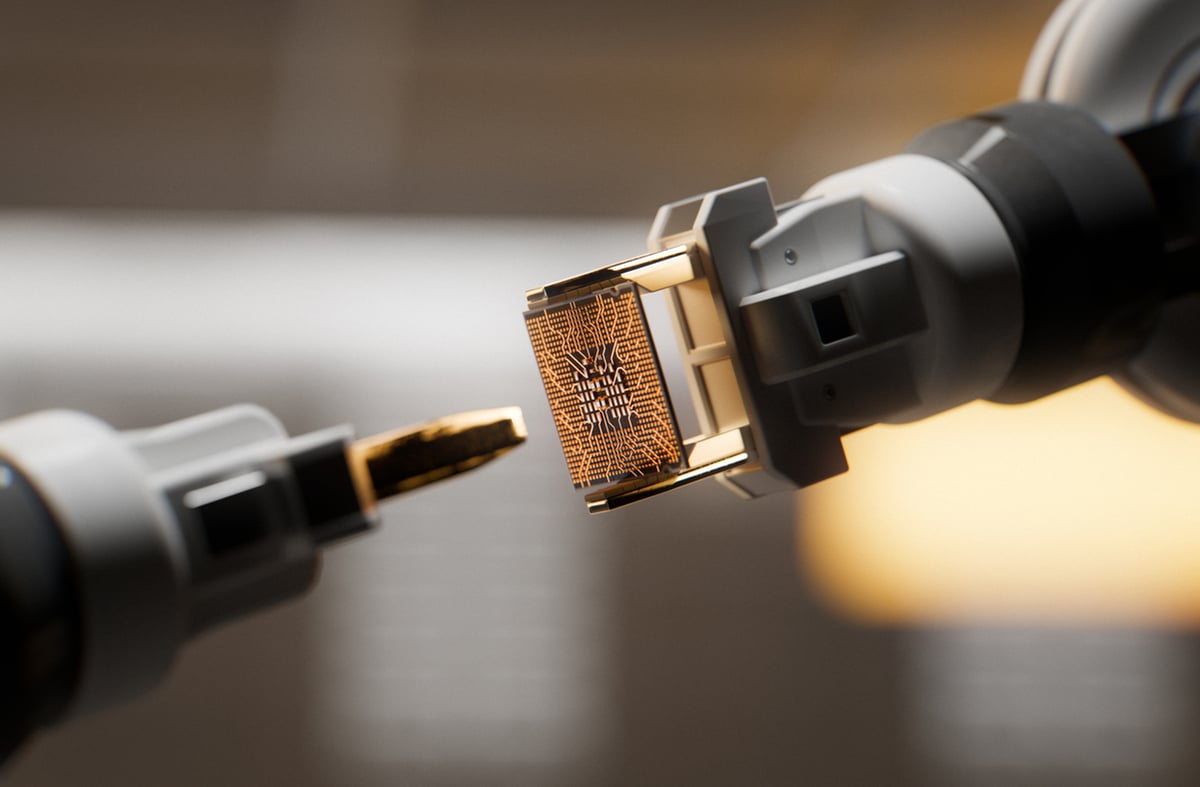
- Helium Supply Disruption: The Ras Laffan facility in Qatar, one of only two capable of producing semiconductor-grade helium, was impacted by Iranian drone strikes and may not be fully operational for months, posing a significant threat to chip manufacturers who rely on helium for critical processes.
- U.S. Chipmaker Advantage: U.S.-based semiconductor foundries primarily source helium from domestic and Algerian suppliers, and the recent supply chain disruption is expected to accelerate reshoring efforts, thereby strengthening their market position in the global semiconductor landscape.
- Intel's Turnaround: As the largest chip manufacturer in the U.S., Intel has begun high-volume production of its 18A process node at its Ocotillo campus in Arizona, which offers up to 15% better performance per watt and 30% improved chip density, positioning it to regain market share from competitors like TSMC.
- TSMC's Expansion Plans: TSMC has announced an increase in its total U.S. investment to $165 billion to fund new fabs in Arizona, and despite the helium crunch, its diversified supply chain and helium recycling systems provide a competitive edge over many rivals, particularly those in South Korea reliant on Qatari helium.
See More
Apple's Sales Surge and AI Relaunch Plans
- Significant Sales Growth: Apple reported a 17% year-over-year sales increase in Q2 2026, driven by a remarkable 22% rise in iPhone sales, indicating strong consumer preference and robust market demand for its products.
- AI Relaunch Plans: The company is set to relaunch an enhanced Siri in the coming months, although management did not specify the exact timing; this initiative aims to improve user experience and strengthen its competitive position in the smart assistant market, particularly through collaboration with Alphabet.
- Expanding User Base: With 2.5 billion active users, the revamped Siri is expected to further enhance user engagement and attract more customers to its devices, thereby driving long-term business growth.
- Market Reaction Expectations: The rollout of the new Siri is anticipated to positively impact Apple’s stock performance, reinforcing the company's leadership in the tech industry, despite analysts noting that Apple was not included in the current list of top investment stocks.
See More
Analysis of High-Yield Dividend ETF Investment
- ETF Overview: The Fidelity High Dividend ETF (FDVV) holds 112 stocks with a dividend yield of 2.8% and a low expense ratio of 0.15%, making it appealing for investors seeking steady income despite its limited diversification.
- Sector Concentration Risk: With 26.7% of its holdings in information technology and the top four holdings being major tech companies like Nvidia and Apple, which together account for about 20.5%, investors face significant sector concentration risks.
- Performance Comparison: Since its launch in 2016, FDVV has delivered an average annual return of 13.3%, but it has underperformed the S&P 500 by 44%, indicating a lack of competitive edge in the market that may deter potential investors.
- Investment Recommendations: For those looking to avoid volatility in tech stocks, exploring other more diversified low-cost index funds or value-oriented high-dividend ETFs may be more suitable to mitigate risks associated with sector concentration.
See More
Fidelity High Dividend ETF Underperforms S&P 500
- Long-Term Underperformance: Since its launch in September 2016, the Fidelity High Dividend ETF has delivered an average annual return of 13.3%, significantly lagging behind the S&P 500's 44% higher return, indicating a lack of competitiveness in the market.
- Tech Stock Concentration Risk: The fund's top four holdings, Nvidia, Apple, Microsoft, and Broadcom, account for 20.5% of its portfolio, exposing it to substantial risks during tech stock volatility, which may not suit investors seeking diversification.
- Fees vs. Returns: With a dividend yield of 2.8% and an expense ratio of 0.15%, the fund's low fees have not translated into attractive returns, resulting in a poor ranking among dividend ETFs.
- Investment Recommendations: Given the fund's performance, investors may prefer Nasdaq-100 ETFs or other high-dividend stock ETFs for better returns and risk management, avoiding excessive concentration in the tech sector.
See More
Analysis of Rising Memory Prices Impact on Apple
- Rising Memory Prices: Samsung reported a 90% increase in memory prices in Q1 2026, putting pressure on major tech companies like Meta, Alphabet, and Microsoft, which will likely lead to significant drag on their profits over the coming years.
- Apple's Margin Performance: Apple achieved a record gross margin of 49.3% last quarter, and despite the challenges posed by rising memory prices, its hardware gross margin improved, indicating strong performance in the premium market segment.
- Diverse Response Strategies: Apple may mitigate the short-term impact of higher component costs by either absorbing these costs or entering long-term supply contracts with memory chip manufacturers, which could enhance supplier confidence and potentially lead to higher overall gross profits in the future.
- Market Share Potential: Despite the rising memory prices, Apple has the opportunity to expand its market share by not raising prices, particularly in the high-demand Mac computer market, which could give it a competitive edge and maintain profitability.
See More
Soaring Memory Chip Prices Impact Apple
- Surge in Memory Demand: The demand for memory chips has outpaced supply, leading to a 90% price increase in Q1 2026, which will significantly pressure Apple's cost of sales and impact its profitability.
- Apple's Margin Dynamics: Apple's overall gross margin reached a record 49.3% last quarter, driven by high-margin service sales, although hardware margins improved despite the challenges posed by rising memory prices.
- Management's Outlook: CEO Tim Cook indicated that gross margins are expected to decline over the next few quarters due to memory pricing pressures, with management forecasting margins between 47.5% and 48.5%, reflecting anticipated cost challenges.
- Diverse Response Strategies: Apple may mitigate the impact of rising memory prices through long-term supplier contracts or consider raising prices on high-end devices, thereby maintaining market share and ensuring profitability remains robust amidst competitive pressures.
See More
Semiconductor Industry Faces Helium Supply Crisis
- Helium Supply Disruption: The Ras Laffan facility in Qatar, one of only two capable of producing semiconductor-grade helium, was impacted by Iranian drone strikes and may not be fully operational for months, posing a significant threat to chip manufacturers who rely on helium for critical processes.
- U.S. Chipmaker Advantage: U.S.-based semiconductor foundries primarily source helium from domestic and Algerian suppliers, and the recent supply chain disruption is expected to accelerate reshoring efforts, thereby strengthening their market position in the global semiconductor landscape.
- Intel's Turnaround: As the largest chip manufacturer in the U.S., Intel has begun high-volume production of its 18A process node at its Ocotillo campus in Arizona, which offers up to 15% better performance per watt and 30% improved chip density, positioning it to regain market share from competitors like TSMC.
- TSMC's Expansion Plans: TSMC has announced an increase in its total U.S. investment to $165 billion to fund new fabs in Arizona, and despite the helium crunch, its diversified supply chain and helium recycling systems provide a competitive edge over many rivals, particularly those in South Korea reliant on Qatari helium.
See More