Cameco's Bright Future in Uranium Supply Amid Global Energy Shift
Written by Emily J. Thompson, Senior Investment Analyst
Updated: May 10 2026
0mins
Source: Fool
- Global Nuclear Demand Surge: The crisis in the Strait of Hormuz has significantly increased global demand for nuclear energy, with 75 new reactors currently under construction and another 120 planned, which will drive a surge in uranium demand, positioning Cameco as a key beneficiary in the industry.
- Uranium Production Strength: Cameco accounted for 14% of global uranium production in 2025, with its Cigar Lake and McArthur River mines being the highest-grade uranium mines globally, ensuring the company's critical role in the uranium supply chain and further solidifying its market share.
- Strong Financial Performance: In the first quarter of 2026, Cameco achieved a 7% revenue increase and an impressive 88% rise in earnings per share (EPS), while its net profit margin improved from 16.9% to 18.39%, demonstrating ongoing enhancements in profitability and financial health.
- Strategic Supply Agreement: Cameco signed a $1.9 billion supply agreement with the Indian government to provide 22 million pounds of uranium ore concentrate between 2027 and 2035, which not only enhances its influence in international markets but also lays a solid foundation for future revenue growth.
Trade with 70% Backtested Accuracy
Stop guessing "Should I Buy CCJ?" and start using high-conviction signals backed by rigorous historical data.
Sign up today to access powerful investing tools and make smarter, data-driven decisions.
Analyst Views on CCJ
Wall Street analysts forecast CCJ stock price to fall
12 Analyst Rating
11 Buy
1 Hold
0 Sell
Strong Buy
Current: 108.890

Low
71.80
Averages
105.67
High
118.78
Current: 108.890
Low
71.80
Averages
105.67
High
118.78
About CCJ
Cameco Corporation is a provider of uranium fuel to generate baseload electricity around the globe. Its segments include uranium, fuel services and Westinghouse. The uranium segment involves the exploration for, mining, milling, purchase and sale of uranium concentrate. The fuel services segment involves the refining, conversion and fabrication of uranium concentrate and the purchase and sale of conversion services. The Westinghouse segment reflects its earnings from this equity-accounted investment. Westinghouse is a nuclear reactor technology original equipment manufacturer and a global provider of products and services to commercial utilities and government agencies. It provides outage and maintenance services, engineering support, instrumentation and controls equipment, plant modification, and components and parts to nuclear reactors. It has two operating mines, Cigar Lake and McArthur River as well as a mill at Key Lake. It also has ownership interests in Global Laser Enrichment.
About the author

Emily J. Thompson
Emily J. Thompson, a Chartered Financial Analyst (CFA) with 12 years in investment research, graduated with honors from the Wharton School. Specializing in industrial and technology stocks, she provides in-depth analysis for Intellectia’s earnings and market brief reports.

Cameco Secures $17.5 Billion Loan Commitment from U.S. DOE
- Loan Commitment: The U.S. Department of Energy has announced a loan commitment of up to CAD 17.5 billion for Cameco, aimed at revitalizing the nuclear reactor supply chain and accelerating the deployment of AP1000 reactors, which is expected to provide most of the financing for Westinghouse's nuclear projects in the U.S.
- Project Financing Structure: The loan will be implemented through a special purpose vehicle of Westinghouse, requiring both Westinghouse and its partners to provide approximately CAD 500 million in project equity each to ensure financial stability before accessing loan funds.
- Market Opportunities: Cameco CEO Tim Gitzel stated that the expansion of nuclear power is expected to create significant market opportunities for both Cameco and Westinghouse, particularly during the procurement and construction phases, further driving growth in Westinghouse's energy systems segment.
- Risk Factors: Although the loan commitment indicates DOE's intent, the projects must satisfy various technical, legal, and environmental conditions, and the uncertainty surrounding the finalization of agreements may impact the ultimate implementation of the loan.
See More
U.S. Nuclear Industry Receives Federal Funding Boost
- Government Funding Injection: The U.S. Department of Energy announced loans for five nuclear projects aimed at accelerating the manufacturing and delivery of reactors, which is expected to significantly alleviate the current global supply chain bottleneck, thereby revitalizing the nuclear industry.
- Westinghouse Leadership: The initiative centers on Westinghouse and its AP1000 reactor, with the company partnering with up to five utilities, each committing $500 million, ensuring smooth project execution and enhancing nuclear energy's market competitiveness.
- Potential Partners: Westinghouse has signed letters of intent with seven companies, although specific partners remain undisclosed; however, Cameco, GE Vernova, and Constellation Energy are considered strong candidates, further solidifying their positions in the nuclear market.
- Optimistic Industry Outlook: This funding support not only energizes the nuclear sector but also drives a shift in energy policy, with nuclear power expected to play a crucial role in meeting the stable energy demands of emerging technologies like artificial intelligence in the coming years.
See More
Trump Administration Pushes Nuclear Energy Projects with Westinghouse
- Nuclear Project Financing: The U.S. Department of Energy announced loans for five nuclear projects aimed at completing ten large reactors by 2030 using Westinghouse's AP1000 technology, significantly enhancing investment attractiveness in the U.S. nuclear sector.
- Supply Chain Bottleneck Resolution: The initiative aims to shorten manufacturing and delivery times for reactors, particularly amid current global supply chain bottlenecks, with government funding expected to accelerate the production of critical components, thereby improving overall project efficiency.
- Partner Selection: Westinghouse has signed letters of intent with seven energy companies, planning to ultimately partner with five, each required to invest $500 million in equity, which will facilitate the smooth advancement of nuclear projects and strengthen industry collaboration.
- Optimistic Industry Outlook: This financing not only aids the revival of the nuclear sector but also promotes the growth of related energy companies, especially as emerging technologies like artificial intelligence drive increasing demand for stable energy solutions, positioning nuclear energy as a vital component of renewable energy's future.
See More

Trump Administration Offers $17.5B Loans for Nuclear Reactor Projects
- Loan Support for Nuclear Construction: The Trump administration announced a conditional loan of $17.5 billion to finance the long-lead equipment necessary for constructing up to 10 Westinghouse Electric AP1000 nuclear reactors in the U.S., although final site decisions are yet to be made.
- Project Partnerships: Westinghouse is partnering with up to five eligible utilities or energy companies and has signed letters of intent with seven potential partners, indicating strong market interest and demand for the projects.
- Funding Requirements: Each project's partners are required to contribute approximately $1 billion in equity upfront to access the DoE loan funds, which may influence the financial planning and investment decisions of participating companies.
- Projected Costs: Despite the substantial loan amount, experts indicate that the total cost for the 10 AP1000 reactors could approach $200 billion, highlighting the relative insufficiency of government loans in the overall project financing landscape.
See More
Trump Administration Commits $17.5B for Nuclear Reactor Loans
- Loan Support for Nuclear Construction: The Trump administration has committed $17.5 billion in low-interest loans to support Westinghouse Electric's construction of up to 10 large nuclear reactors, which is expected to significantly advance the U.S. nuclear energy sector.
- Accelerated Construction Timeline: This financing package will enable eligible utility and energy companies to procure long-lead items early, thereby accelerating the construction and commercial operations of Westinghouse reactors by up to three years, with a goal of having 10 reactors built by 2030.
- Partnership Development: Companies receiving the loans must partner with Westinghouse and have potential sites for reactors, primarily at existing reactor or large power plant locations, which not only enhances the feasibility of nuclear projects but also promotes local economic development.
- Future Outlook: Westinghouse Electric's CEO indicated that new AP1000 reactors are expected to come online starting in 2035, and achieving this timeline could present new growth opportunities for the U.S. nuclear market while providing potential returns for investors.
See More
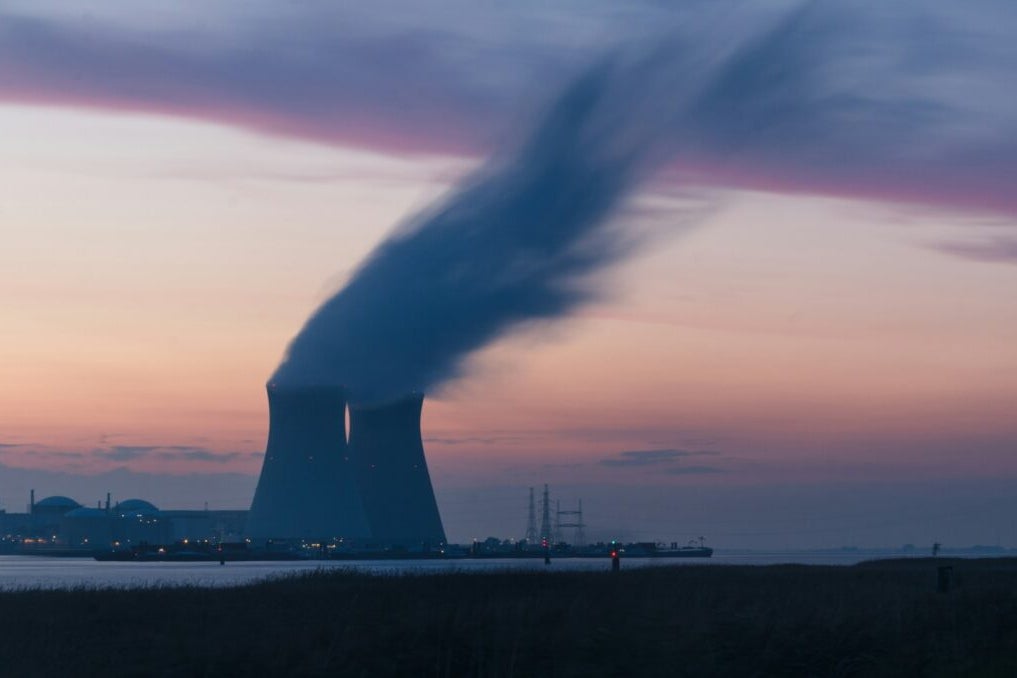
U.S. Energy Department Offers $17.5 Billion for Nuclear Reactors

- Loan Support for Nuclear Projects: The U.S. Energy Department announced a $17.5 billion loan to expedite the deployment of 10 large nuclear reactors nationwide, expected to reduce construction time by up to three years, significantly lowering costs and promoting nuclear energy development.
- Project Scale and Design: The loans will finance five projects, each constructing two Westinghouse AP1000 reactors capable of generating 1.1 gigawatts of electricity, enough to power over 800,000 homes, highlighting the importance of nuclear energy in meeting energy demands.
- Partnerships and Investment: Westinghouse will collaborate with up to five eligible utilities or energy companies, having signed letters of intent with seven potential partners, indicating strong market interest and investment willingness in nuclear projects.
- Tech Company Involvement: The Trump administration anticipates that major tech companies will sign long-term power purchase agreements to support reactor construction; although no new large plant agreements have been finalized, Microsoft and Google have backed other nuclear projects, reflecting the tech sector's demand for clean energy.
See More
Cameco Secures $17.5 Billion Loan Commitment from U.S. DOE
- Loan Commitment: The U.S. Department of Energy has announced a loan commitment of up to CAD 17.5 billion for Cameco, aimed at revitalizing the nuclear reactor supply chain and accelerating the deployment of AP1000 reactors, which is expected to provide most of the financing for Westinghouse's nuclear projects in the U.S.
- Project Financing Structure: The loan will be implemented through a special purpose vehicle of Westinghouse, requiring both Westinghouse and its partners to provide approximately CAD 500 million in project equity each to ensure financial stability before accessing loan funds.
- Market Opportunities: Cameco CEO Tim Gitzel stated that the expansion of nuclear power is expected to create significant market opportunities for both Cameco and Westinghouse, particularly during the procurement and construction phases, further driving growth in Westinghouse's energy systems segment.
- Risk Factors: Although the loan commitment indicates DOE's intent, the projects must satisfy various technical, legal, and environmental conditions, and the uncertainty surrounding the finalization of agreements may impact the ultimate implementation of the loan.
See More
U.S. Nuclear Industry Receives Federal Funding Boost
- Government Funding Injection: The U.S. Department of Energy announced loans for five nuclear projects aimed at accelerating the manufacturing and delivery of reactors, which is expected to significantly alleviate the current global supply chain bottleneck, thereby revitalizing the nuclear industry.
- Westinghouse Leadership: The initiative centers on Westinghouse and its AP1000 reactor, with the company partnering with up to five utilities, each committing $500 million, ensuring smooth project execution and enhancing nuclear energy's market competitiveness.
- Potential Partners: Westinghouse has signed letters of intent with seven companies, although specific partners remain undisclosed; however, Cameco, GE Vernova, and Constellation Energy are considered strong candidates, further solidifying their positions in the nuclear market.
- Optimistic Industry Outlook: This funding support not only energizes the nuclear sector but also drives a shift in energy policy, with nuclear power expected to play a crucial role in meeting the stable energy demands of emerging technologies like artificial intelligence in the coming years.
See More
Trump Administration Pushes Nuclear Energy Projects with Westinghouse
- Nuclear Project Financing: The U.S. Department of Energy announced loans for five nuclear projects aimed at completing ten large reactors by 2030 using Westinghouse's AP1000 technology, significantly enhancing investment attractiveness in the U.S. nuclear sector.
- Supply Chain Bottleneck Resolution: The initiative aims to shorten manufacturing and delivery times for reactors, particularly amid current global supply chain bottlenecks, with government funding expected to accelerate the production of critical components, thereby improving overall project efficiency.
- Partner Selection: Westinghouse has signed letters of intent with seven energy companies, planning to ultimately partner with five, each required to invest $500 million in equity, which will facilitate the smooth advancement of nuclear projects and strengthen industry collaboration.
- Optimistic Industry Outlook: This financing not only aids the revival of the nuclear sector but also promotes the growth of related energy companies, especially as emerging technologies like artificial intelligence drive increasing demand for stable energy solutions, positioning nuclear energy as a vital component of renewable energy's future.
See More
Trump Administration Offers $17.5B Loans for Nuclear Reactor Projects
- Loan Support for Nuclear Construction: The Trump administration announced a conditional loan of $17.5 billion to finance the long-lead equipment necessary for constructing up to 10 Westinghouse Electric AP1000 nuclear reactors in the U.S., although final site decisions are yet to be made.
- Project Partnerships: Westinghouse is partnering with up to five eligible utilities or energy companies and has signed letters of intent with seven potential partners, indicating strong market interest and demand for the projects.
- Funding Requirements: Each project's partners are required to contribute approximately $1 billion in equity upfront to access the DoE loan funds, which may influence the financial planning and investment decisions of participating companies.
- Projected Costs: Despite the substantial loan amount, experts indicate that the total cost for the 10 AP1000 reactors could approach $200 billion, highlighting the relative insufficiency of government loans in the overall project financing landscape.
See More
Trump Administration Commits $17.5B for Nuclear Reactor Loans
- Loan Support for Nuclear Construction: The Trump administration has committed $17.5 billion in low-interest loans to support Westinghouse Electric's construction of up to 10 large nuclear reactors, which is expected to significantly advance the U.S. nuclear energy sector.
- Accelerated Construction Timeline: This financing package will enable eligible utility and energy companies to procure long-lead items early, thereby accelerating the construction and commercial operations of Westinghouse reactors by up to three years, with a goal of having 10 reactors built by 2030.
- Partnership Development: Companies receiving the loans must partner with Westinghouse and have potential sites for reactors, primarily at existing reactor or large power plant locations, which not only enhances the feasibility of nuclear projects but also promotes local economic development.
- Future Outlook: Westinghouse Electric's CEO indicated that new AP1000 reactors are expected to come online starting in 2035, and achieving this timeline could present new growth opportunities for the U.S. nuclear market while providing potential returns for investors.
See More
U.S. Energy Department Offers $17.5 Billion for Nuclear Reactors
- Loan Support for Nuclear Projects: The U.S. Energy Department announced a $17.5 billion loan to expedite the deployment of 10 large nuclear reactors nationwide, expected to reduce construction time by up to three years, significantly lowering costs and promoting nuclear energy development.
- Project Scale and Design: The loans will finance five projects, each constructing two Westinghouse AP1000 reactors capable of generating 1.1 gigawatts of electricity, enough to power over 800,000 homes, highlighting the importance of nuclear energy in meeting energy demands.
- Partnerships and Investment: Westinghouse will collaborate with up to five eligible utilities or energy companies, having signed letters of intent with seven potential partners, indicating strong market interest and investment willingness in nuclear projects.
- Tech Company Involvement: The Trump administration anticipates that major tech companies will sign long-term power purchase agreements to support reactor construction; although no new large plant agreements have been finalized, Microsoft and Google have backed other nuclear projects, reflecting the tech sector's demand for clean energy.
See More