Taiwan Semiconductor Controls 72% of Semiconductor Market
Written by Emily J. Thompson, Senior Investment Analyst
Updated: Mar 22 2026
0mins

Should l Buy TSM?
Source: NASDAQ.COM
- Market Dominance: As of Q3 2025, Taiwan Semiconductor holds a commanding 72% share of the pure foundry market, significantly outpacing its nearest competitor Samsung at 7%, which underscores its absolute dominance in the global semiconductor industry and ensures long-term profitability and market influence.
- Diverse Client Base: Taiwan Semiconductor manufactures chips for all major chip designers, including Apple and Nvidia, which diversifies its revenue streams and stabilizes its market position amid fluctuations, further solidifying its competitive edge.
- Massive Investment Expansion: The initial investment for its Arizona factory was $12 billion, which has ballooned to $165 billion for expansion, with production in the second factory expected by 2028, demonstrating its ongoing commitment to technology and capacity investment that enhances competitive barriers.
- Robust Financial Performance: In 2025, Taiwan Semiconductor generated $122.4 billion in revenue, a 35.9% increase year-over-year, with a net profit margin of 45%, and it anticipates a further 30% revenue growth in 2026, showcasing its strong growth potential and profitability in the semiconductor sector.
Trade with 70% Backtested Accuracy
Stop guessing "Should I Buy TSM?" and start using high-conviction signals backed by rigorous historical data.
Sign up today to access powerful investing tools and make smarter, data-driven decisions.
Analyst Views on TSM
Wall Street analysts forecast TSM stock price to fall
8 Analyst Rating
7 Buy
1 Hold
0 Sell
Strong Buy
Current: 387.440

Low
63.24
Averages
313.46
High
390.00
Current: 387.440
Low
63.24
Averages
313.46
High
390.00
About TSM
Taiwan Semiconductor Manufacturing Co Ltd is a Taiwan-based integrated circuit foundry service provider. The Company is primarily engaged in integrated circuit manufacturing services. It offers advanced process technologies, specialised process solutions, advanced photomask and silicon stacking, and packaging-related technologies, while supporting a comprehensive design ecosystem. The Company's products serve diverse electronic sectors including artificial intelligence, high-performance computing, wired and wireless communications, automotive and industrial equipment, personal computing, information applications, consumer electronics, smart internet of things, and wearable devices.
About the author

Emily J. Thompson
Emily J. Thompson, a Chartered Financial Analyst (CFA) with 12 years in investment research, graduated with honors from the Wharton School. Specializing in industrial and technology stocks, she provides in-depth analysis for Intellectia’s earnings and market brief reports.
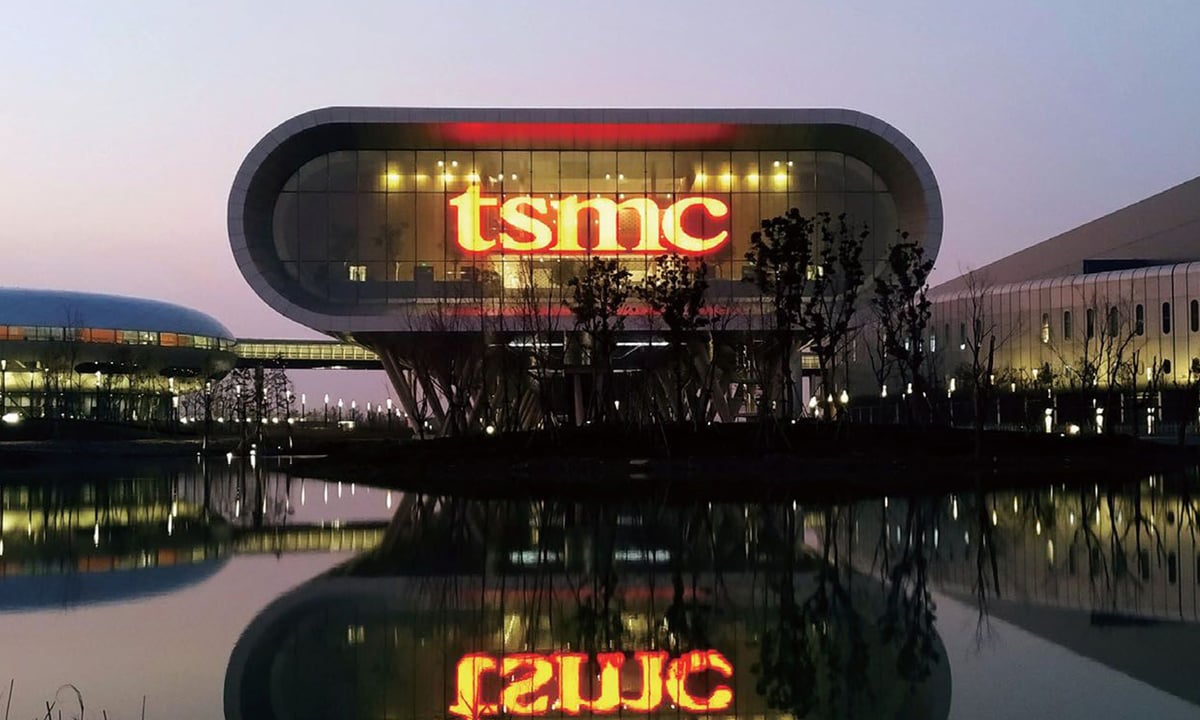
Taiwan Semiconductor Reports Strong Q1, Optimistic Market Outlook

- Strong Performance: Taiwan Semiconductor's Q1 revenue surged 40.6% year-over-year, exceeding expectations, with gross margin at 66.2% and operating margin at 58.1%, indicating robust performance in the AI chip market and solidifying its market leadership.
- High-Performance Computing Demand: Sales in the high-performance computing segment rose 20% quarter-over-quarter, accounting for 61% of total revenue, reflecting an 'insatiable demand' for energy-efficient computing, prompting the company to invest in capacity and technology to meet this demand.
- Future Outlook: Management anticipates a 32% year-over-year revenue increase in Q2, with improvements in gross and operating margins, showcasing a strong growth momentum that enhances investor confidence in the company's prospects.
- Global Expansion Plans: Taiwan Semiconductor is expanding its production capacity globally, including new facilities in Arizona, and while facing a potential 2%-3% gross margin dilution in the short term, management believes higher capital expenditures correlate with greater growth opportunities, leading to a positive market sentiment.
See More

TSMC Plans Advanced Chip Packaging Facility in Arizona by 2029
- Manufacturing Footprint Expansion: TSMC plans to open an advanced chip packaging facility in Arizona by 2029, aiming to broaden its U.S. manufacturing capabilities and reduce the need to ship chips back to Taiwan for packaging, thereby lowering supply chain costs.
- Technology Capability Development: Deputy COO Kevin Zhang confirmed that the facility will feature CoWoS and 3D-IC packaging capabilities, which are critical for high-performance and AI chips, particularly for customers like Nvidia and Apple.
- Construction Progress: TSMC has stated that construction has already begun, indicating that the company's expansion plans in Arizona are actively progressing, which is expected to significantly enhance its competitiveness in the U.S. market.
- Collaboration and Diversification: TSMC is collaborating with Amkor Technology to jointly introduce advanced packaging technologies in 2024, demonstrating the company's strategic intent to diversify its manufacturing footprint in response to evolving market demands.
See More

Taiwan Semiconductor: The Manufacturing Giant in the AI Market
- Market Dominance: Taiwan Semiconductor holds a 70% share of the global semiconductor market, and with its advanced 3nm and 4nm chip technologies, it is expected to continue benefiting from the rapid growth of AI technology, solidifying its market leadership.
- Strong Financial Performance: In Q1 2026, TSMC reported a 41% year-over-year increase in sales to $35 billion and a 58% rise in net income to $18.1 billion, demonstrating its robust profitability and sustained growth potential in AI chip manufacturing.
- Future Growth Expectations: The company's management anticipates a 30% increase in sales for 2026 compared to the previous year, indicating strong ongoing demand in the AI market that will further enhance its financial performance.
- Investment Confidence: Despite market uncertainties, TSMC's leading position in advanced processor manufacturing continues to attract sustained demand from tech giants like Amazon, Google, and Microsoft, suggesting stable growth in the coming years.
See More

Semiconductor Sector Achieves Record 16-Day Winning Streak


- Historic Winning Streak: The PHLX Semiconductor index has achieved a record 16 consecutive days of gains, reflecting strong market confidence in the semiconductor sector's resilience and growth potential.
- Leading Company Performance: Credo Technology and Astera Labs have surged by 115.8% and 93.5%, respectively, while Marvell Technology has risen nearly 80%, indicating a robust revival in AI-driven demand that is positively impacting the industry.
- Strong Earnings Support: Companies like Taiwan Semiconductor, Texas Instruments, and Broadcom have all reported earnings beats this quarter, further solidifying optimistic market expectations and encouraging investors to return to high-beta tech stocks.
- Geopolitical Risks: Despite the optimistic outlook, Deutsche Bank strategist highlights that the semiconductor sector faces geopolitical risks and heavy reliance on Taiwan for manufacturing, with recent Iran conflicts exposing vulnerabilities in the global helium supply chain critical for production processes.
See More
Stock Futures Dip Modestly After Record Highs; Texas Instruments Shines

- Texas Instruments Earnings Surge: Texas Instruments has eliminated the overhang on its industrial business, with its data center segment growing 90% year-over-year, and a strong second-quarter guide has led to a premarket share price increase of over 10%, reflecting market confidence in its growth trajectory.
- Honeywell's Disappointing Quarter: Honeywell reported a messy quarter, causing its shares to drop over 5% in premarket trading; however, the upcoming aerospace spin-off scheduled for June 29 keeps long-term investors optimistic about its future potential.
- ServiceNow Shares Plummet: Following a noisy earnings report, ServiceNow's shares fell nearly 14% in premarket trading, as the market expressed concerns over slowed growth and high AI costs, prompting KeyBanc and Jefferies to lower their price targets significantly.
- IBM Revenue Growth Deceleration: IBM's first-quarter revenue growth slowed to 9% from 12% in the previous quarter, raising investor concerns about its future prospects, leading to a premarket decline of over 7% in its stock price, as doubts linger about the effectiveness of its AI tools in maintaining revenue streams.
See More
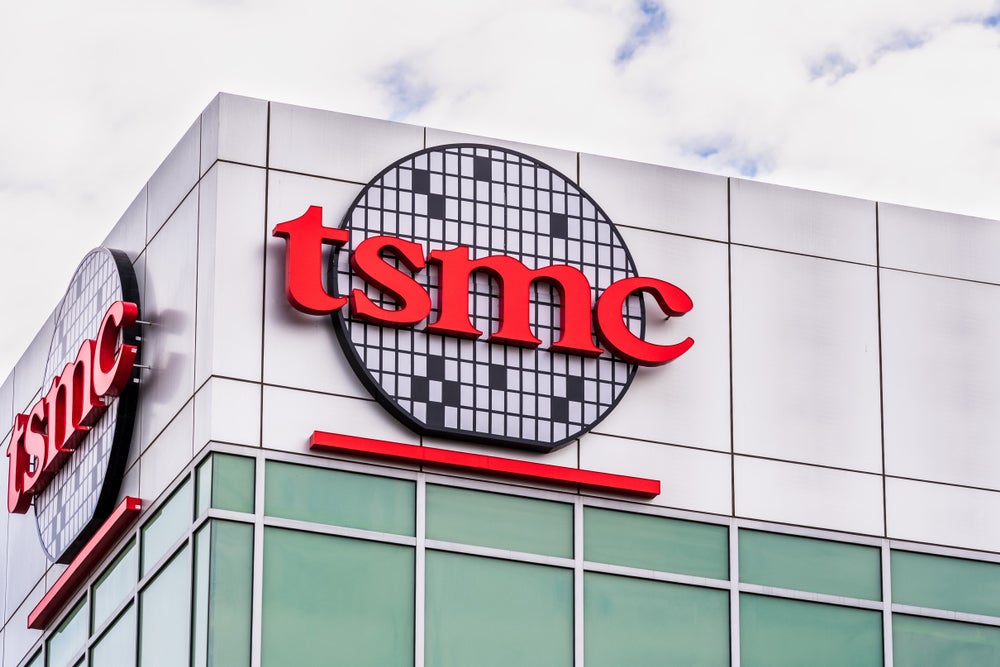
M31 Partners with TSMC to Successfully Tape Out EUSB2V2 on N2P Process, Enhancing Design IP Ecosystem
- Collaboration Announcement: M collaborates with TSMC to enhance the design of the PECO system.
- Advancement in Technology: The partnership aims to improve the EUV process, marking a significant step forward in semiconductor technology.
See More
Taiwan Semiconductor Reports Strong Q1, Optimistic Market Outlook
- Strong Performance: Taiwan Semiconductor's Q1 revenue surged 40.6% year-over-year, exceeding expectations, with gross margin at 66.2% and operating margin at 58.1%, indicating robust performance in the AI chip market and solidifying its market leadership.
- High-Performance Computing Demand: Sales in the high-performance computing segment rose 20% quarter-over-quarter, accounting for 61% of total revenue, reflecting an 'insatiable demand' for energy-efficient computing, prompting the company to invest in capacity and technology to meet this demand.
- Future Outlook: Management anticipates a 32% year-over-year revenue increase in Q2, with improvements in gross and operating margins, showcasing a strong growth momentum that enhances investor confidence in the company's prospects.
- Global Expansion Plans: Taiwan Semiconductor is expanding its production capacity globally, including new facilities in Arizona, and while facing a potential 2%-3% gross margin dilution in the short term, management believes higher capital expenditures correlate with greater growth opportunities, leading to a positive market sentiment.
See More
TSMC Plans Advanced Chip Packaging Facility in Arizona by 2029
- Manufacturing Footprint Expansion: TSMC plans to open an advanced chip packaging facility in Arizona by 2029, aiming to broaden its U.S. manufacturing capabilities and reduce the need to ship chips back to Taiwan for packaging, thereby lowering supply chain costs.
- Technology Capability Development: Deputy COO Kevin Zhang confirmed that the facility will feature CoWoS and 3D-IC packaging capabilities, which are critical for high-performance and AI chips, particularly for customers like Nvidia and Apple.
- Construction Progress: TSMC has stated that construction has already begun, indicating that the company's expansion plans in Arizona are actively progressing, which is expected to significantly enhance its competitiveness in the U.S. market.
- Collaboration and Diversification: TSMC is collaborating with Amkor Technology to jointly introduce advanced packaging technologies in 2024, demonstrating the company's strategic intent to diversify its manufacturing footprint in response to evolving market demands.
See More
Taiwan Semiconductor: The Manufacturing Giant in the AI Market
- Market Dominance: Taiwan Semiconductor holds a 70% share of the global semiconductor market, and with its advanced 3nm and 4nm chip technologies, it is expected to continue benefiting from the rapid growth of AI technology, solidifying its market leadership.
- Strong Financial Performance: In Q1 2026, TSMC reported a 41% year-over-year increase in sales to $35 billion and a 58% rise in net income to $18.1 billion, demonstrating its robust profitability and sustained growth potential in AI chip manufacturing.
- Future Growth Expectations: The company's management anticipates a 30% increase in sales for 2026 compared to the previous year, indicating strong ongoing demand in the AI market that will further enhance its financial performance.
- Investment Confidence: Despite market uncertainties, TSMC's leading position in advanced processor manufacturing continues to attract sustained demand from tech giants like Amazon, Google, and Microsoft, suggesting stable growth in the coming years.
See More
Semiconductor Sector Achieves Record 16-Day Winning Streak
- Historic Winning Streak: The PHLX Semiconductor index has achieved a record 16 consecutive days of gains, reflecting strong market confidence in the semiconductor sector's resilience and growth potential.
- Leading Company Performance: Credo Technology and Astera Labs have surged by 115.8% and 93.5%, respectively, while Marvell Technology has risen nearly 80%, indicating a robust revival in AI-driven demand that is positively impacting the industry.
- Strong Earnings Support: Companies like Taiwan Semiconductor, Texas Instruments, and Broadcom have all reported earnings beats this quarter, further solidifying optimistic market expectations and encouraging investors to return to high-beta tech stocks.
- Geopolitical Risks: Despite the optimistic outlook, Deutsche Bank strategist highlights that the semiconductor sector faces geopolitical risks and heavy reliance on Taiwan for manufacturing, with recent Iran conflicts exposing vulnerabilities in the global helium supply chain critical for production processes.
See More
Stock Futures Dip Modestly After Record Highs; Texas Instruments Shines
- Texas Instruments Earnings Surge: Texas Instruments has eliminated the overhang on its industrial business, with its data center segment growing 90% year-over-year, and a strong second-quarter guide has led to a premarket share price increase of over 10%, reflecting market confidence in its growth trajectory.
- Honeywell's Disappointing Quarter: Honeywell reported a messy quarter, causing its shares to drop over 5% in premarket trading; however, the upcoming aerospace spin-off scheduled for June 29 keeps long-term investors optimistic about its future potential.
- ServiceNow Shares Plummet: Following a noisy earnings report, ServiceNow's shares fell nearly 14% in premarket trading, as the market expressed concerns over slowed growth and high AI costs, prompting KeyBanc and Jefferies to lower their price targets significantly.
- IBM Revenue Growth Deceleration: IBM's first-quarter revenue growth slowed to 9% from 12% in the previous quarter, raising investor concerns about its future prospects, leading to a premarket decline of over 7% in its stock price, as doubts linger about the effectiveness of its AI tools in maintaining revenue streams.
See More
M31 Partners with TSMC to Successfully Tape Out EUSB2V2 on N2P Process, Enhancing Design IP Ecosystem
- Collaboration Announcement: M collaborates with TSMC to enhance the design of the PECO system.
- Advancement in Technology: The partnership aims to improve the EUV process, marking a significant step forward in semiconductor technology.
See More