Supreme Court Strikes Down Trump's Tariff Policy
Written by Emily J. Thompson, Senior Investment Analyst
Updated: Feb 20 2026
0mins

Should l Buy NKE?
Source: CNBC
- Tariff Policy Impact: The Supreme Court's ruling against Trump's tariff agenda is expected to reduce the average household cost burden to between $600 and $800 in 2026, down from $1,000 in 2025, alleviating economic pressure on consumers, particularly low-income households.
- Legal Authority Challenge: In a 6-3 decision, the Supreme Court ruled that the International Emergency Economic Powers Act (IEEPA) does not authorize the president to unilaterally impose tariffs, which limits presidential power over tariff policy and could lead to significant changes in future tariff regulations.
- Alternative Pathways Explored: The Trump administration may seek to impose tariffs through other legal avenues such as Section 122 of the 1974 Trade Act and Section 338 of the 1930 Smoot-Hawley Tariff Act, although these measures may face legal challenges and have lower tariff caps.
- Ongoing Consumer Impact: Despite the overturning of IEEPA tariffs, the average effective tariff rate in the U.S. remains at 9.1%, meaning consumers will still experience price increases when purchasing metal products, electronics, and vehicles, with low-income households bearing a heavier burden.
Trade with 70% Backtested Accuracy
Stop guessing "Should I Buy NKE?" and start using high-conviction signals backed by rigorous historical data.
Sign up today to access powerful investing tools and make smarter, data-driven decisions.
Analyst Views on NKE
Wall Street analysts forecast NKE stock price to rise
21 Analyst Rating
14 Buy
7 Hold
0 Sell
Moderate Buy
Current: 57.010

Low
62.00
Averages
76.11
High
110.00
Current: 57.010
Low
62.00
Averages
76.11
High
110.00
About NKE
NIKE, Inc. is engaged in the designing, marketing and distributing of athletic footwear, apparel, equipment and accessories and services for sports and fitness activities. The Company's operating segments include North America; Europe, Middle East & Africa (EMEA); Greater China; and Asia Pacific & Latin America (APLA). It sells a line of equipment and accessories under the NIKE Brand name, including bags, socks, sport balls, eyewear, timepieces, digital devices, bats, gloves, protective equipment and other equipment designed for sports activities. It also designs products specifically for the Jordan Brand and Converse. The Jordan Brand designs, distributes and licenses athletic and casual footwear, apparel and accessories predominantly focused on basketball performance and culture using the Jumpman trademark. The Company also designs, distributes and licenses casual sneakers, apparel and accessories under the Chuck Taylor, All Star, One Star, Star Chevron and Jack Purcell trademarks.
About the author

Emily J. Thompson
Emily J. Thompson, a Chartered Financial Analyst (CFA) with 12 years in investment research, graduated with honors from the Wharton School. Specializing in industrial and technology stocks, she provides in-depth analysis for Intellectia’s earnings and market brief reports.
Nike Secures $1 Billion Credit Line to Enhance Financial Flexibility
- Credit Line Expansion: On March 6, Nike entered a 364-day credit agreement with Bank of America, providing up to $1 billion in unsecured revolving credit, aimed at supporting working capital and general corporate purposes, which is expected to enhance the company's financial flexibility.
- Restructuring Plan Approved: In a filing dated February 27, Nike disclosed that management approved a restructuring plan expected to generate approximately $300 million in pre-tax charges for the nine months ended February 28, primarily related to employee severance costs, aimed at optimizing operational efficiency.
- Analyst Ratings Remain Positive: RBC Capital analyst Piral Dadhania reiterated an Outperform rating on Nike, maintaining a price target of $78, indicating market confidence in Nike's future performance despite current challenges.
- Earnings Outlook Declines: Nike's upcoming earnings report on March 31 is expected to show earnings per share dropping to 30 cents (down 44% year-over-year) and revenue estimates at $11.25 billion (down 0.2% year-over-year), reflecting the challenges the company faces in the market.
See More

Fabletics Launches First Denim Collection Amid Slowing Athleisure Market


- Market Trend Shift: Fabletics is launching its first denim collection, indicating a slowdown in the athleisure market, despite generating over $1 billion in revenue last year, as consumer demand for comfortable denim rises, reflecting a shift in market preferences.
- Product Diversification: The new collection features 11 styles and 7 washes, priced between $79.95 and $174.95, aimed at attracting consumers seeking comfort and style, particularly in a hybrid work environment.
- Customer Feedback Driven: The CEO of Fabletics noted that over a million customers expressed interest in denim products, which prompted the company to expand its product line, highlighting consumer loyalty and sensitivity to market demand.
- Future Growth Potential: While the sports apparel market is projected to grow only 2.3% by 2026, the denim market is expected to grow by 2.1%, suggesting that Fabletics' expansion strategy could help it capture a larger share in a competitive landscape.
See More
Nike Shares Decline for Six Consecutive Days Amid Restructuring Concerns
- Stock Decline: Nike (NKE) shares fell 2.07% to $55.80 in afternoon trading on Monday, marking six consecutive days of decline, reflecting market concerns about its future performance.
- Restructuring Costs Impact: The company plans to record approximately $300 million in pretax charges primarily for severance costs, aiming to realign expenses and improve efficiency, which may pressure profitability in the short term.
- International Market Challenges: Analysts have pointed out that despite continued revenue growth, weak demand and high inventory levels in China have significantly pressured profit margins, especially after distributor Pou Sheng International issued a profit warning.
- Analyst Rating Changes: According to Seeking Alpha's rating system, Nike is rated a Buy with a score of 2.87, but only receives a D+ in growth and momentum, indicating a cautious market outlook on its future growth potential.
See More

Nike Faces Weak Sales and Stock Decline Amid Mixed Global Performance
- Weak Sales Performance: Nike has experienced declining sales over the past year, particularly in Greater China where revenue fell 17% year-over-year, indicating that the brand's recovery efforts in the region are still in their infancy and may require more time for significant improvement.
- North American Growth: Despite overall weak performance, Nike's revenue in North America grew 9% year-over-year to $5.6 billion, with the running category seeing a 20% increase for the second consecutive quarter, demonstrating that the brand's innovation and new styles resonate well with consumers.
- Profitability Under Pressure: Nike's earnings per share fell 32% year-over-year, and with marketing expenses growing faster than revenue, the company's goal to improve operating profit margins back above 10% will take time, posing challenges to profitability in the short term.
- Valuation Risks: Even after the sell-off, Nike's stock is trading at a high forward price-to-earnings ratio of 39, and even with expected improvements next year, the forward P/E remains at 26, leading analysts to believe that the stock may continue to underperform until a significant rebound in international markets is announced.
See More
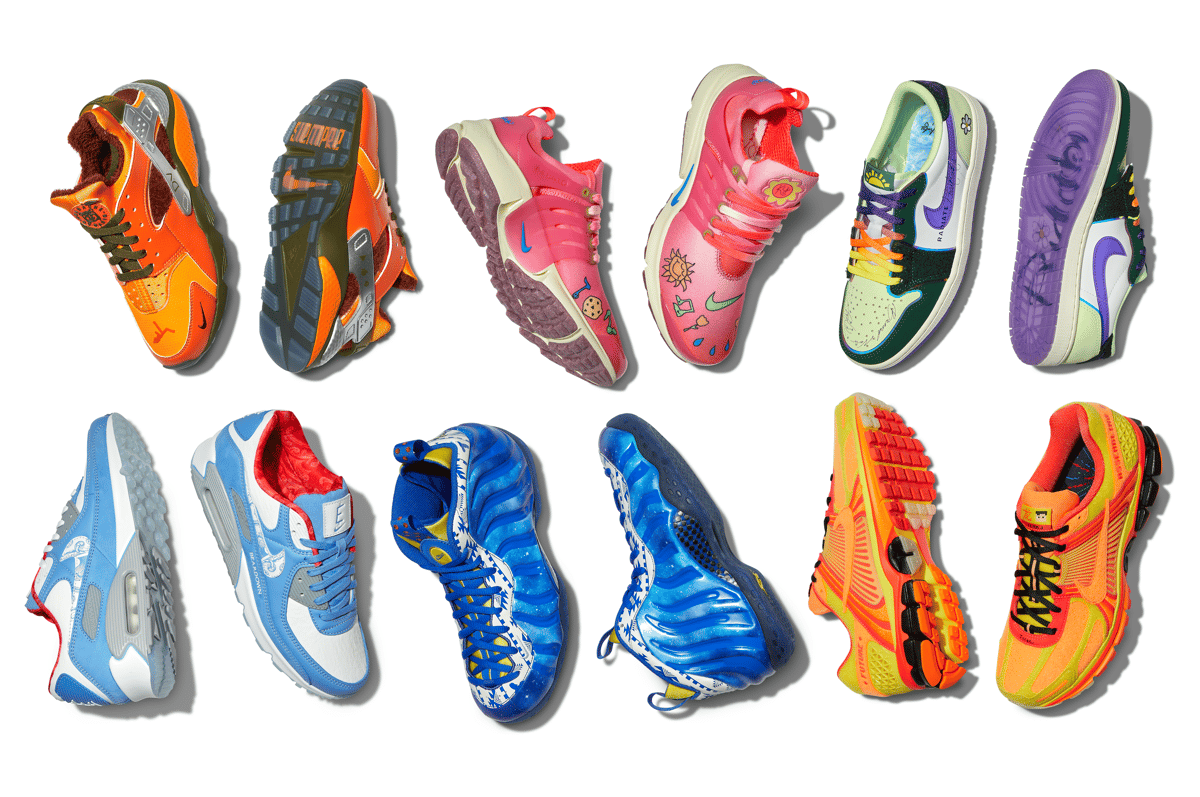
Nike's Earnings Report Shows Slow Recovery Progress
- North America Growth: Nike's revenue in North America grew 9% year-over-year to $5.6 billion, with the running category achieving a 20% increase for the second consecutive quarter, indicating that Nike's innovations and new styles resonate well with consumers, thereby enhancing its competitive edge in its core market.
- International Market Challenges: Despite strong performance in North America, revenue in Greater China fell 17% year-over-year, and total revenue outside North America declined by over 5%, reflecting an uneven recovery process globally that limited overall revenue growth to just 1%.
- Profitability Pressure: Nike's earnings per share dropped 32% year-over-year, with marketing expenses growing faster than revenue, complicating the goal of restoring operating profit margins above 10%, and management anticipates that this process will take time.
- Uncertain Stock Outlook: Currently, Nike's stock trades at a price-to-earnings ratio of 39, and despite future improvement expectations, significant performance enhancements are needed in the short term to drive stock price increases, with management indicating that the recovery is still in the 'middle innings' and may take another year or longer to see meaningful sales growth improvements.
See More

2026 FIFA World Cup to Boost Multiple Sectors

- Travel Sector Boost: The 2026 FIFA World Cup, hosted across 16 cities in the U.S., Canada, and Mexico, is expected to significantly increase consumer spending in the travel sector, with Marriott International and Hyatt Hotels poised to benefit the most due to their extensive presence in host cities, enhancing their market share.
- Sportswear Sales Surge: Nike and Adidas are projected to see a 3% to 4% increase in global sales during the World Cup, driven by heightened demand for jerseys, footwear, and fan merchandise, as these brands collectively dominate approximately 80% of the global football market, solidifying their leadership.
- Beverage Industry Advantage: Anheuser Busch Inbev, as a global tournament partner, will have exclusive beer rights in stadiums, positioning it as the biggest winner during the World Cup, while other beverage companies like Constellation Brands and Diageo are also expected to benefit from increased consumption.
- Increased Traffic in Dining and Entertainment: Restaurant chains such as Cava, Wingstop, and Starbucks are likely to see higher customer visits during the tournament, particularly during fan gatherings and tourism periods, while TKO Group's On Location business will benefit from the high demand for official VIP hospitality packages.
See More
Nike Secures $1 Billion Credit Line to Enhance Financial Flexibility
- Credit Line Expansion: On March 6, Nike entered a 364-day credit agreement with Bank of America, providing up to $1 billion in unsecured revolving credit, aimed at supporting working capital and general corporate purposes, which is expected to enhance the company's financial flexibility.
- Restructuring Plan Approved: In a filing dated February 27, Nike disclosed that management approved a restructuring plan expected to generate approximately $300 million in pre-tax charges for the nine months ended February 28, primarily related to employee severance costs, aimed at optimizing operational efficiency.
- Analyst Ratings Remain Positive: RBC Capital analyst Piral Dadhania reiterated an Outperform rating on Nike, maintaining a price target of $78, indicating market confidence in Nike's future performance despite current challenges.
- Earnings Outlook Declines: Nike's upcoming earnings report on March 31 is expected to show earnings per share dropping to 30 cents (down 44% year-over-year) and revenue estimates at $11.25 billion (down 0.2% year-over-year), reflecting the challenges the company faces in the market.
See More
Fabletics Launches First Denim Collection Amid Slowing Athleisure Market
- Market Trend Shift: Fabletics is launching its first denim collection, indicating a slowdown in the athleisure market, despite generating over $1 billion in revenue last year, as consumer demand for comfortable denim rises, reflecting a shift in market preferences.
- Product Diversification: The new collection features 11 styles and 7 washes, priced between $79.95 and $174.95, aimed at attracting consumers seeking comfort and style, particularly in a hybrid work environment.
- Customer Feedback Driven: The CEO of Fabletics noted that over a million customers expressed interest in denim products, which prompted the company to expand its product line, highlighting consumer loyalty and sensitivity to market demand.
- Future Growth Potential: While the sports apparel market is projected to grow only 2.3% by 2026, the denim market is expected to grow by 2.1%, suggesting that Fabletics' expansion strategy could help it capture a larger share in a competitive landscape.
See More
Nike Shares Decline for Six Consecutive Days Amid Restructuring Concerns
- Stock Decline: Nike (NKE) shares fell 2.07% to $55.80 in afternoon trading on Monday, marking six consecutive days of decline, reflecting market concerns about its future performance.
- Restructuring Costs Impact: The company plans to record approximately $300 million in pretax charges primarily for severance costs, aiming to realign expenses and improve efficiency, which may pressure profitability in the short term.
- International Market Challenges: Analysts have pointed out that despite continued revenue growth, weak demand and high inventory levels in China have significantly pressured profit margins, especially after distributor Pou Sheng International issued a profit warning.
- Analyst Rating Changes: According to Seeking Alpha's rating system, Nike is rated a Buy with a score of 2.87, but only receives a D+ in growth and momentum, indicating a cautious market outlook on its future growth potential.
See More
Nike Faces Weak Sales and Stock Decline Amid Mixed Global Performance
- Weak Sales Performance: Nike has experienced declining sales over the past year, particularly in Greater China where revenue fell 17% year-over-year, indicating that the brand's recovery efforts in the region are still in their infancy and may require more time for significant improvement.
- North American Growth: Despite overall weak performance, Nike's revenue in North America grew 9% year-over-year to $5.6 billion, with the running category seeing a 20% increase for the second consecutive quarter, demonstrating that the brand's innovation and new styles resonate well with consumers.
- Profitability Under Pressure: Nike's earnings per share fell 32% year-over-year, and with marketing expenses growing faster than revenue, the company's goal to improve operating profit margins back above 10% will take time, posing challenges to profitability in the short term.
- Valuation Risks: Even after the sell-off, Nike's stock is trading at a high forward price-to-earnings ratio of 39, and even with expected improvements next year, the forward P/E remains at 26, leading analysts to believe that the stock may continue to underperform until a significant rebound in international markets is announced.
See More
Nike's Earnings Report Shows Slow Recovery Progress
- North America Growth: Nike's revenue in North America grew 9% year-over-year to $5.6 billion, with the running category achieving a 20% increase for the second consecutive quarter, indicating that Nike's innovations and new styles resonate well with consumers, thereby enhancing its competitive edge in its core market.
- International Market Challenges: Despite strong performance in North America, revenue in Greater China fell 17% year-over-year, and total revenue outside North America declined by over 5%, reflecting an uneven recovery process globally that limited overall revenue growth to just 1%.
- Profitability Pressure: Nike's earnings per share dropped 32% year-over-year, with marketing expenses growing faster than revenue, complicating the goal of restoring operating profit margins above 10%, and management anticipates that this process will take time.
- Uncertain Stock Outlook: Currently, Nike's stock trades at a price-to-earnings ratio of 39, and despite future improvement expectations, significant performance enhancements are needed in the short term to drive stock price increases, with management indicating that the recovery is still in the 'middle innings' and may take another year or longer to see meaningful sales growth improvements.
See More
2026 FIFA World Cup to Boost Multiple Sectors
- Travel Sector Boost: The 2026 FIFA World Cup, hosted across 16 cities in the U.S., Canada, and Mexico, is expected to significantly increase consumer spending in the travel sector, with Marriott International and Hyatt Hotels poised to benefit the most due to their extensive presence in host cities, enhancing their market share.
- Sportswear Sales Surge: Nike and Adidas are projected to see a 3% to 4% increase in global sales during the World Cup, driven by heightened demand for jerseys, footwear, and fan merchandise, as these brands collectively dominate approximately 80% of the global football market, solidifying their leadership.
- Beverage Industry Advantage: Anheuser Busch Inbev, as a global tournament partner, will have exclusive beer rights in stadiums, positioning it as the biggest winner during the World Cup, while other beverage companies like Constellation Brands and Diageo are also expected to benefit from increased consumption.
- Increased Traffic in Dining and Entertainment: Restaurant chains such as Cava, Wingstop, and Starbucks are likely to see higher customer visits during the tournament, particularly during fan gatherings and tourism periods, while TKO Group's On Location business will benefit from the high demand for official VIP hospitality packages.
See More