Strategic Importance of Rebuilding the Rare Earth Supply Chain
Written by Emily J. Thompson, Senior Investment Analyst
Updated: Mar 20 2026
0mins

Should l Buy MSFT?
Source: PRnewswire
- Supply Chain Reconstruction: REalloys operates the only heavy rare-earth metallization capability in North America in Ohio, planning to build the largest heavy rare-earth metallization platform globally, capable of producing 600 tons of high-purity metals annually, significantly enhancing U.S. self-sufficiency in defense manufacturing.
- U.S. Rare Earth Project Financing: USA Rare Earth secured $1.6 billion in government and private capital to advance its heavy rare-earth mine in Texas, with annual production expected to scale from 1,200 tons to 5,000 tons, strengthening America's strategic position in the global rare earth market.
- Greenland Rare Earth Development: Critical Metals Corp.'s Tanbreez project in Greenland shows a TREO+Y grade of 0.44%, with plans for a $1.5 billion joint venture with a Saudi partner, targeting production by 2028 to fill gaps in the Western rare earth supply chain.
- Apple's Circular Economy: Apple's Material Recovery Lab in Texas uses Daisy robots to recover rare earth elements, achieving a 99% recovery rate by 2025, promoting the feasibility of a domestic rare earth circular economy and reducing reliance on Chinese sources.
Trade with 70% Backtested Accuracy
Stop guessing "Should I Buy MSFT?" and start using high-conviction signals backed by rigorous historical data.
Sign up today to access powerful investing tools and make smarter, data-driven decisions.
Analyst Views on MSFT
Wall Street analysts forecast MSFT stock price to rise
34 Analyst Rating
32 Buy
2 Hold
0 Sell
Strong Buy
Current: 356.770

Low
500.00
Averages
631.36
High
678.00
Current: 356.770
Low
500.00
Averages
631.36
High
678.00
About MSFT
Microsoft Corporation is a technology company that develops and supports software, services, devices, and solutions. Its Productivity and Business Processes segment consists of products and services in its portfolio of productivity, communication, and information services, spanning a variety of devices and platforms. It comprises Microsoft 365 Commercial products and cloud services; Microsoft 365 Consumer products and cloud services; LinkedIn, and Dynamics products and cloud services. The Intelligent Cloud segment consists of its public, private, and hybrid server products and cloud services. It comprises server products and cloud services, including Azure, and enterprise and partner services, including Enterprise Support Services. Its More Personal Computing segment primarily comprises Windows and Devices, including Windows OEM licensing; Gaming, including Xbox hardware and Xbox content; Search and news advertising, comprising Bing and Copilot, Microsoft News, and Microsoft Edge.
About the author

Emily J. Thompson
Emily J. Thompson, a Chartered Financial Analyst (CFA) with 12 years in investment research, graduated with honors from the Wharton School. Specializing in industrial and technology stocks, she provides in-depth analysis for Intellectia’s earnings and market brief reports.
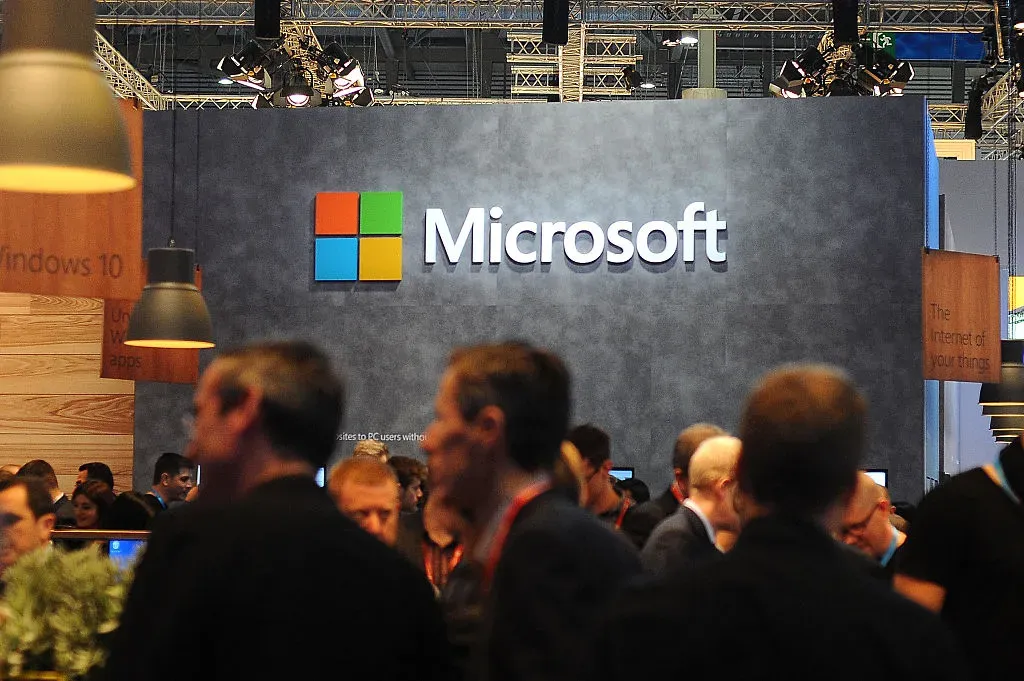
Microsoft Faces Worst Quarterly Performance Since 2008 Financial Crisis

- Poor Market Performance: Microsoft is on track for its worst quarterly performance since the 2008 financial crisis, with expectations of a sixth consecutive monthly decline, reflecting overall weakness in the tech sector as investors rotate into defensive industries.
- Investor Sentiment Rebounds: Despite challenges, sentiment for Microsoft on Stocktwits surged to ‘extremely bullish’ last week, with message volume increasing by 75%, indicating retail investors' confidence in its future performance, particularly in the AI and cloud computing sectors.
- Analyst Ratings Optimistic: Bank of America reinstated coverage on Microsoft with a ‘Buy’ rating and a $500 price target, about 40% above the current level, citing its leading position in AI cloud and enterprise software markets as a driver for sustained mid-double-digit growth.
- Valuation Attractiveness Increases: Microsoft's 12-month forward P/E ratio has fallen to its lowest level in nearly a decade, with an RSI of 22.26 indicating oversold conditions that may signal a rebound opportunity, although skepticism about its future remains prevalent in the market.
See More

Microsoft: A Safe AI Investment for Retirees
- Diversified Business Advantage: Microsoft showcases strong diversification through its gaming, cloud computing, office software, and devices, with multiple segments achieving double-digit growth in the most recent quarter, enhancing its competitive edge in the AI sector.
- Stable Revenue Structure: With 80% of revenue coming from services and other businesses, Microsoft's service sales rose by 21% despite only 1% growth in product sales, indicating a stable income source even during economic downturns, which boosts investor confidence.
- Attractive Valuation: Trading at a price-to-earnings ratio of only 22, in line with the S&P 500 average, and generating over $119 billion in profit over the past 12 months, Microsoft's stock presents an appealing option for risk-averse investors.
- Dividend Return: Offering a dividend yield of about 1%, Microsoft enhances its attractiveness as a long-term investment, particularly for retirees seeking stable cash flow alongside capital appreciation.
See More

AI Stock Pullback Presents Investment Opportunities

- Market Pullback: The S&P 500 has pulled back 7% year-to-date, with AI stocks like Microsoft and Palantir down 26% and nearly 20%, respectively, indicating a market reassessment of these high-valuation stocks that may dampen investor confidence in the short term.
- Investor Sentiment Shift: Despite the AI sector facing a reality check similar to the dot-com bubble of 2000, the strong demand for AI solutions suggests that this pullback could be short-lived, presenting a potential entry point for investors.
- Optimistic Earnings Projections: Analysts expect Nvidia to report earnings of $8.27 per share for the current fiscal year, a 74% increase year-over-year, while Microsoft's revenue growth is projected to exceed 16%, indicating that despite high valuations, future profit potential remains robust.
- Market Repricing Process: Many analysts believe the current price adjustments are more of a
See More

Market Dynamics of Artificial Intelligence Stocks
- Market Pullback Analysis: The S&P 500 has seen a 7% year-to-date decline as AI stocks are perceived as liabilities, with Microsoft down 26% from last year-end, indicating heightened investor concerns over high valuations that may lead to short-term market volatility.
- Optimistic Earnings Projections: Despite facing a price reset, analysts expect Nvidia to report earnings of $8.27 per share for the current fiscal year, a 74% increase year-over-year, suggesting that the market remains optimistic about the profitability of the AI sector, potentially attracting more investor interest.
- Improved Industry Fundamentals: Unlike the dot-com bubble of the late 1990s, current AI companies possess real cash flows and stronger fundamentals, allowing them to remain stable during adjustments and reducing investment risks.
- Emerging Investment Opportunities: Although enthusiasm for AI stocks has waned, the long-term outlook remains positive as the market gains a clearer understanding of these companies' profit potential, presenting savvy investors with opportunities to identify undervalued investments.
See More

Opportunity Amid AI Stock Pullback

- Market Pullback Impact: The S&P 500 has pulled back 7% year-to-date, with AI stocks like Microsoft and Palantir down 26% and nearly 20% respectively, indicating investor concerns over high valuations that may lead to a portfolio reassessment.
- Investor Sentiment Shift: Despite the AI sector undergoing a reality check akin to the 2000 dot-com bubble, the strong demand for AI solutions suggests that this pullback could represent a short-term opportunity rather than a long-term crisis.
- Optimistic Earnings Projections: Analysts forecast Nvidia's earnings per share to reach $8.27 for the current fiscal year, a 74% increase, while Microsoft's revenue growth is expected to exceed 16%, indicating that despite high current valuations, future profit potential remains strong.
- Market Adjustment Signals: The current price
See More

Microsoft Shares Slightly Up as AI Investment Outlook Draws Attention

- Stock Performance: Microsoft closed at $358.96 on Monday, up 0.61%, as investor sentiment improved due to AI product updates and Copilot expansion, despite its weak year-to-date performance.
- Surge in Trading Volume: The trading volume reached 41 million shares, nearly 16% above the three-month average of 35.3 million shares, indicating strong institutional demand that may support the stock price.
- Impact of AI Investment: As AI-driven spending continues to rise, Microsoft faces pressure on cloud margins, although the rollout of Copilot supports long-term demand; however, the scale of investment limits near-term earnings growth.
- Market Context: The stability of Microsoft's stock amidst broader tech weakness reflects market concerns about its ability to convert future AI revenues, even as analysts note it is not currently among the top investment picks.
See More
Microsoft Faces Worst Quarterly Performance Since 2008 Financial Crisis
- Poor Market Performance: Microsoft is on track for its worst quarterly performance since the 2008 financial crisis, with expectations of a sixth consecutive monthly decline, reflecting overall weakness in the tech sector as investors rotate into defensive industries.
- Investor Sentiment Rebounds: Despite challenges, sentiment for Microsoft on Stocktwits surged to ‘extremely bullish’ last week, with message volume increasing by 75%, indicating retail investors' confidence in its future performance, particularly in the AI and cloud computing sectors.
- Analyst Ratings Optimistic: Bank of America reinstated coverage on Microsoft with a ‘Buy’ rating and a $500 price target, about 40% above the current level, citing its leading position in AI cloud and enterprise software markets as a driver for sustained mid-double-digit growth.
- Valuation Attractiveness Increases: Microsoft's 12-month forward P/E ratio has fallen to its lowest level in nearly a decade, with an RSI of 22.26 indicating oversold conditions that may signal a rebound opportunity, although skepticism about its future remains prevalent in the market.
See More
Microsoft: A Safe AI Investment for Retirees
- Diversified Business Advantage: Microsoft showcases strong diversification through its gaming, cloud computing, office software, and devices, with multiple segments achieving double-digit growth in the most recent quarter, enhancing its competitive edge in the AI sector.
- Stable Revenue Structure: With 80% of revenue coming from services and other businesses, Microsoft's service sales rose by 21% despite only 1% growth in product sales, indicating a stable income source even during economic downturns, which boosts investor confidence.
- Attractive Valuation: Trading at a price-to-earnings ratio of only 22, in line with the S&P 500 average, and generating over $119 billion in profit over the past 12 months, Microsoft's stock presents an appealing option for risk-averse investors.
- Dividend Return: Offering a dividend yield of about 1%, Microsoft enhances its attractiveness as a long-term investment, particularly for retirees seeking stable cash flow alongside capital appreciation.
See More
AI Stock Pullback Presents Investment Opportunities
- Market Pullback: The S&P 500 has pulled back 7% year-to-date, with AI stocks like Microsoft and Palantir down 26% and nearly 20%, respectively, indicating a market reassessment of these high-valuation stocks that may dampen investor confidence in the short term.
- Investor Sentiment Shift: Despite the AI sector facing a reality check similar to the dot-com bubble of 2000, the strong demand for AI solutions suggests that this pullback could be short-lived, presenting a potential entry point for investors.
- Optimistic Earnings Projections: Analysts expect Nvidia to report earnings of $8.27 per share for the current fiscal year, a 74% increase year-over-year, while Microsoft's revenue growth is projected to exceed 16%, indicating that despite high valuations, future profit potential remains robust.
- Market Repricing Process: Many analysts believe the current price adjustments are more of a
See More
Market Dynamics of Artificial Intelligence Stocks
- Market Pullback Analysis: The S&P 500 has seen a 7% year-to-date decline as AI stocks are perceived as liabilities, with Microsoft down 26% from last year-end, indicating heightened investor concerns over high valuations that may lead to short-term market volatility.
- Optimistic Earnings Projections: Despite facing a price reset, analysts expect Nvidia to report earnings of $8.27 per share for the current fiscal year, a 74% increase year-over-year, suggesting that the market remains optimistic about the profitability of the AI sector, potentially attracting more investor interest.
- Improved Industry Fundamentals: Unlike the dot-com bubble of the late 1990s, current AI companies possess real cash flows and stronger fundamentals, allowing them to remain stable during adjustments and reducing investment risks.
- Emerging Investment Opportunities: Although enthusiasm for AI stocks has waned, the long-term outlook remains positive as the market gains a clearer understanding of these companies' profit potential, presenting savvy investors with opportunities to identify undervalued investments.
See More
Opportunity Amid AI Stock Pullback
- Market Pullback Impact: The S&P 500 has pulled back 7% year-to-date, with AI stocks like Microsoft and Palantir down 26% and nearly 20% respectively, indicating investor concerns over high valuations that may lead to a portfolio reassessment.
- Investor Sentiment Shift: Despite the AI sector undergoing a reality check akin to the 2000 dot-com bubble, the strong demand for AI solutions suggests that this pullback could represent a short-term opportunity rather than a long-term crisis.
- Optimistic Earnings Projections: Analysts forecast Nvidia's earnings per share to reach $8.27 for the current fiscal year, a 74% increase, while Microsoft's revenue growth is expected to exceed 16%, indicating that despite high current valuations, future profit potential remains strong.
- Market Adjustment Signals: The current price
See More
Microsoft Shares Slightly Up as AI Investment Outlook Draws Attention
- Stock Performance: Microsoft closed at $358.96 on Monday, up 0.61%, as investor sentiment improved due to AI product updates and Copilot expansion, despite its weak year-to-date performance.
- Surge in Trading Volume: The trading volume reached 41 million shares, nearly 16% above the three-month average of 35.3 million shares, indicating strong institutional demand that may support the stock price.
- Impact of AI Investment: As AI-driven spending continues to rise, Microsoft faces pressure on cloud margins, although the rollout of Copilot supports long-term demand; however, the scale of investment limits near-term earnings growth.
- Market Context: The stability of Microsoft's stock amidst broader tech weakness reflects market concerns about its ability to convert future AI revenues, even as analysts note it is not currently among the top investment picks.
See More