Stocks Decline Amid Middle East Conflict and Mixed Economic Data
Written by Emily J. Thompson, Senior Investment Analyst
Updated: Mar 07 2026
0mins


Source: CNBC
- Escalating Middle East Conflict: The U.S. and Israel's bombing of Iran has pressured global stocks, with the S&P 500 dropping 2% last week, while oil prices surged to $90 per barrel, marking a 35% weekly gain, the largest since 1983, indicating potential economic repercussions.
- Mixed Economic Data: Although the ADP report indicated a rise of 63,000 private sector jobs in February, surpassing expectations, the subsequent nonfarm payroll report revealed an increase in the unemployment rate to 4.4%, highlighting emerging job losses due to AI and creating uncertainty about the economic outlook.
- Earnings Impact: Broadcom exceeded earnings expectations, resulting in a 3.4% stock increase, while Corning's shares fell nearly 7% following comments from Broadcom's CEO that dampened optimism about fiber-optic technology, reflecting market volatility in tech sectors.
- Investment Strategy Adjustments: Amid market fluctuations, the investment club increased its position in Cardinal Health and exited BlackRock entirely due to rising private credit concerns, demonstrating a proactive approach to navigating the current market landscape.
Trade with 70% Backtested Accuracy
Stop guessing "Should I Buy MCK?" and start using high-conviction signals backed by rigorous historical data.
Sign up today to access powerful investing tools and make smarter, data-driven decisions.
Analyst Views on MCK
Wall Street analysts forecast MCK stock price to rise
14 Analyst Rating
12 Buy
2 Hold
0 Sell
Strong Buy
Current: 866.380

Low
880.00
Averages
942.83
High
1000.00
Current: 866.380
Low
880.00
Averages
942.83
High
1000.00
About MCK
McKesson Corporation is a diversified healthcare services company, which focuses on advancing health outcomes for patients everywhere. Its U.S. Pharmaceutical segment distributes branded, generic, specialty, biosimilar and over-the-counter pharmaceutical drugs, and other healthcare-related products in the United States (U.S.). The Prescription Technology Solutions (RxTS) segment helps solve medication access, affordability and adherence challenges for patients by working across healthcare to connect patients, pharmacies, pharmacy benefit managers, health plans, and biopharma companies. The Medical-Surgical Solutions provides medical-surgical supply distribution, logistics, and other services to healthcare providers, including physician offices, hospital reference labs, and home healthcare agencies. The International segment provides distribution and services to wholesale, institutional, and retail customers in Canada and Norway. It also offers oncology and specialty solutions.
About the author

Emily J. Thompson
Emily J. Thompson, a Chartered Financial Analyst (CFA) with 12 years in investment research, graduated with honors from the Wharton School. Specializing in industrial and technology stocks, she provides in-depth analysis for Intellectia’s earnings and market brief reports.

McKesson Partners with Apollo Funds for MMS Stake Sale

- Strategic Milestone: McKesson Corporation announced a deal with Apollo Funds to sell a minority stake in its Medical-Surgical Solutions (MMS) business, marking a significant milestone in its separation strategy in preparation for a planned initial public offering (IPO).
- Significant Investment: Apollo Funds will invest $1.25 billion in convertible preferred equity of MMS to acquire approximately 13% minority interest, valuing MMS at around $13 billion, reflecting strong market confidence in the business.
- Positive Market Reaction: This transaction not only provides McKesson with financial support but also strengthens its market position in the healthcare sector, expected to drive future growth and enhance investor confidence.
- Future Development Potential: By partnering with Apollo Funds, McKesson can accelerate the independent growth of MMS, further optimizing its business structure and laying a solid foundation for the upcoming IPO to attract more investor interest.
See More

Apollo Funds to Invest $1.25 Billion for 13% Minority Stake in McKesson Corp's MMS
- Investment Announcement: MCKESSON CORP has announced a significant investment of $1.25 billion.
- Focus on Minority Interest: The investment is aimed at acquiring a 13% minority interest in a company referred to as MMS.
See More
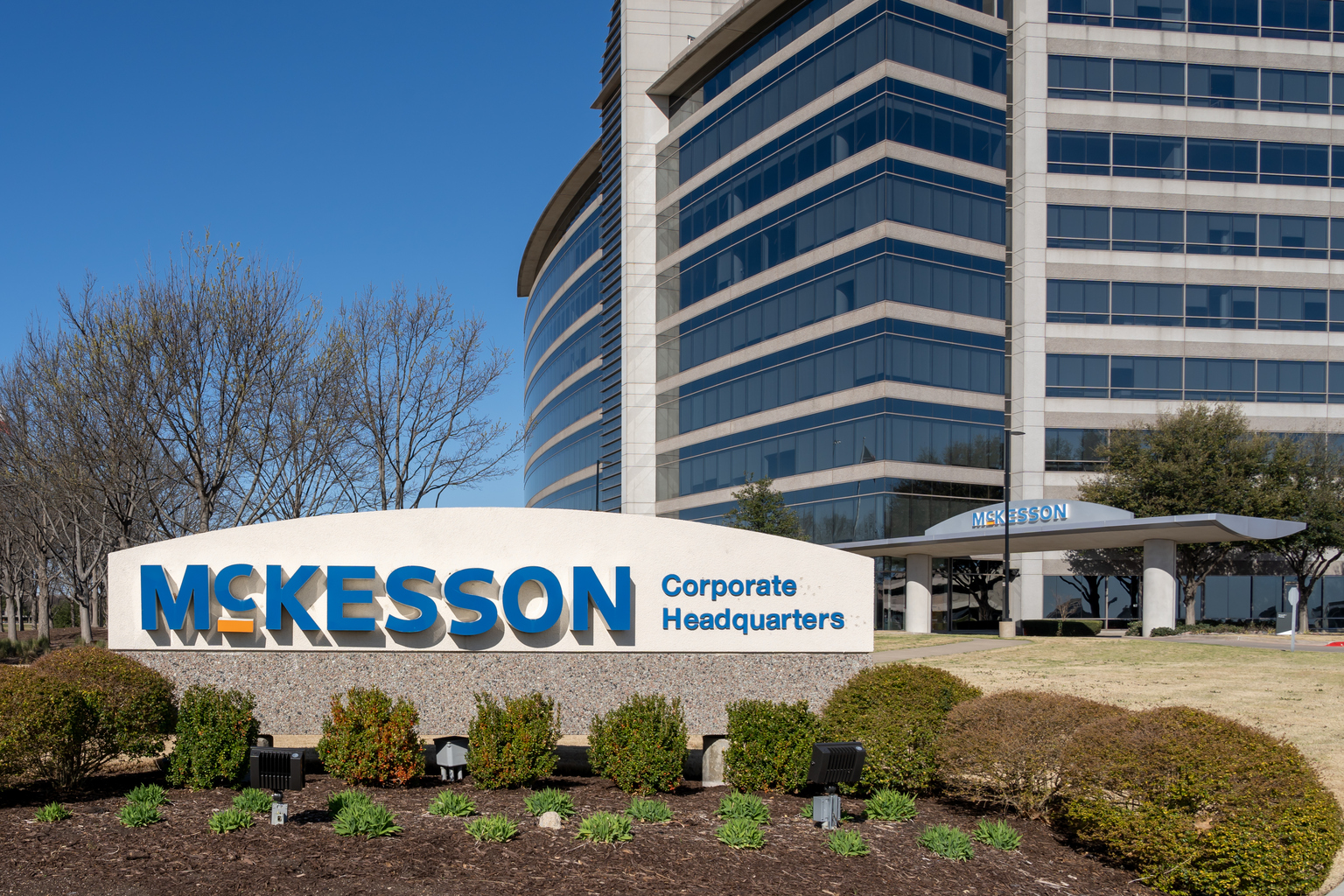
Apollo to Acquire 13% Stake in McKesson's Medical-Surgical Solutions

- Investment Scale: Apollo Global Management's affiliated funds are set to invest $1.25 billion in convertible preferred equity in McKesson's Medical-Surgical Solutions unit, valuing it at approximately $13 billion, reflecting strong confidence in the healthcare sector.
- Strategic Milestone: McKesson CEO Brian Tyler stated that this transaction marks a key milestone in the company's planned separation of the Medical-Surgical Solutions unit, potentially laying the groundwork for future independent operations.
- Market Reaction: Following the announcement, Apollo's stock fell 1.66% to $122.55 in pre-market trading, while McKesson's stock rose 0.30% to $869.00, indicating a cautious market response to the deal.
- Industry Outlook: This investment not only strengthens Apollo's positioning in the healthcare sector but may also provide McKesson with additional capital support, thereby driving further expansion in the medical solutions market.
See More

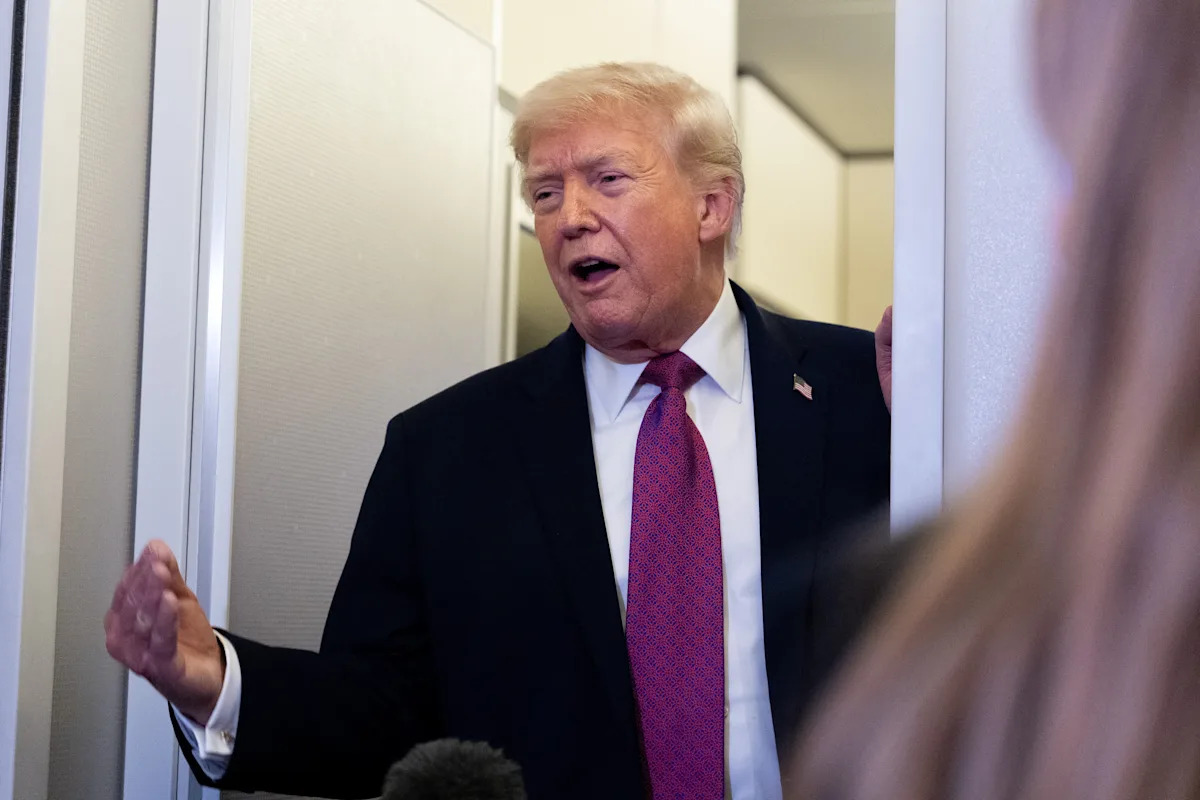
Trump Announces U.S.-Iran Ceasefire Agreement

- Market Surge: Following Trump's announcement of a two-week ceasefire between the U.S. and Iran, stocks soared, with S&P 500 futures rising sharply, reflecting market optimism about the potential end of the conflict.
- Crude Price Plunge: The ceasefire led to an 18% drop in West Texas Intermediate futures to around $92 per barrel, while Brent oil fell 16.7%, alleviating inflationary pressures and potentially boosting consumer spending.
- Airline Stocks Rally: Lower crude prices resulted in significant gains for airlines, with United Airlines up over 12% and Delta Air Lines rising about 11%, indicating that reduced fuel costs could enhance profitability and stimulate travel demand.
- Tech Stocks Strengthen: Stocks like Sandisk and On Semiconductor, identified by JPMorgan as inversely correlated with WTI, saw premarket gains of 9% and 5% respectively, suggesting renewed investor confidence in technology amid the positive market sentiment.
See More

McKesson Reports Strong Q3 Fiscal 2026 Results Driven by Specialty Growth


- Core Business Growth: McKesson achieved an 11% revenue growth and a 13% operating profit growth in Q3, primarily driven by broad momentum in oncology, multispecialty, and pharmaceutical distribution, showcasing the company's strong competitiveness in high-growth healthcare sectors.
- Specialty Drug Boost: Revenues from GLP-1 therapies rose 26% year-over-year to $14 billion, indicating the company's significant advantage in distributing high-cost, complex therapies, which enhances margins and market share.
- Acquisition-Driven Profitability: The oncology and multispecialty segment saw a 57% operating profit growth, supported by acquisitions like PRISM Vision and Florida Cancer Specialists, reinforcing McKesson's strategic position in high-margin service platforms.
- Medical-Surgical Segment Challenges: The Medical-Surgical segment reported only 1% revenue growth and a 10% decline in operating profit, reflecting its sensitivity to external factors, which may limit overall growth potential and impact consolidated performance.
See More

Stocks Decline as Oil Prices Surge Following Iran's Attack

- Oil Price Surge Impact: Stocks fell as Brent crude briefly hit $119 per barrel following Iran's attack on a key LNG facility in Qatar, causing the S&P 500 to slip below its 200-day moving average for the first time since last May, raising concerns among long-term investors.
- Eli Lilly Drug Study Update: Eli Lilly reported that its Phase 3 study of retatrutide for type 2 diabetes showed superior weight loss compared to Mounjaro over 40 weeks, yet the stock remained stagnant as investors are more focused on the anticipated approval of its new GLP-1 pill next month.
- Nvidia Stock Analysis: Jim Cramer reiterated his
See More
McKesson Partners with Apollo Funds for MMS Stake Sale
- Strategic Milestone: McKesson Corporation announced a deal with Apollo Funds to sell a minority stake in its Medical-Surgical Solutions (MMS) business, marking a significant milestone in its separation strategy in preparation for a planned initial public offering (IPO).
- Significant Investment: Apollo Funds will invest $1.25 billion in convertible preferred equity of MMS to acquire approximately 13% minority interest, valuing MMS at around $13 billion, reflecting strong market confidence in the business.
- Positive Market Reaction: This transaction not only provides McKesson with financial support but also strengthens its market position in the healthcare sector, expected to drive future growth and enhance investor confidence.
- Future Development Potential: By partnering with Apollo Funds, McKesson can accelerate the independent growth of MMS, further optimizing its business structure and laying a solid foundation for the upcoming IPO to attract more investor interest.
See More
Apollo Funds to Invest $1.25 Billion for 13% Minority Stake in McKesson Corp's MMS
- Investment Announcement: MCKESSON CORP has announced a significant investment of $1.25 billion.
- Focus on Minority Interest: The investment is aimed at acquiring a 13% minority interest in a company referred to as MMS.
See More
Apollo to Acquire 13% Stake in McKesson's Medical-Surgical Solutions
- Investment Scale: Apollo Global Management's affiliated funds are set to invest $1.25 billion in convertible preferred equity in McKesson's Medical-Surgical Solutions unit, valuing it at approximately $13 billion, reflecting strong confidence in the healthcare sector.
- Strategic Milestone: McKesson CEO Brian Tyler stated that this transaction marks a key milestone in the company's planned separation of the Medical-Surgical Solutions unit, potentially laying the groundwork for future independent operations.
- Market Reaction: Following the announcement, Apollo's stock fell 1.66% to $122.55 in pre-market trading, while McKesson's stock rose 0.30% to $869.00, indicating a cautious market response to the deal.
- Industry Outlook: This investment not only strengthens Apollo's positioning in the healthcare sector but may also provide McKesson with additional capital support, thereby driving further expansion in the medical solutions market.
See More
Trump Announces U.S.-Iran Ceasefire Agreement
- Market Surge: Following Trump's announcement of a two-week ceasefire between the U.S. and Iran, stocks soared, with S&P 500 futures rising sharply, reflecting market optimism about the potential end of the conflict.
- Crude Price Plunge: The ceasefire led to an 18% drop in West Texas Intermediate futures to around $92 per barrel, while Brent oil fell 16.7%, alleviating inflationary pressures and potentially boosting consumer spending.
- Airline Stocks Rally: Lower crude prices resulted in significant gains for airlines, with United Airlines up over 12% and Delta Air Lines rising about 11%, indicating that reduced fuel costs could enhance profitability and stimulate travel demand.
- Tech Stocks Strengthen: Stocks like Sandisk and On Semiconductor, identified by JPMorgan as inversely correlated with WTI, saw premarket gains of 9% and 5% respectively, suggesting renewed investor confidence in technology amid the positive market sentiment.
See More
McKesson Reports Strong Q3 Fiscal 2026 Results Driven by Specialty Growth
- Core Business Growth: McKesson achieved an 11% revenue growth and a 13% operating profit growth in Q3, primarily driven by broad momentum in oncology, multispecialty, and pharmaceutical distribution, showcasing the company's strong competitiveness in high-growth healthcare sectors.
- Specialty Drug Boost: Revenues from GLP-1 therapies rose 26% year-over-year to $14 billion, indicating the company's significant advantage in distributing high-cost, complex therapies, which enhances margins and market share.
- Acquisition-Driven Profitability: The oncology and multispecialty segment saw a 57% operating profit growth, supported by acquisitions like PRISM Vision and Florida Cancer Specialists, reinforcing McKesson's strategic position in high-margin service platforms.
- Medical-Surgical Segment Challenges: The Medical-Surgical segment reported only 1% revenue growth and a 10% decline in operating profit, reflecting its sensitivity to external factors, which may limit overall growth potential and impact consolidated performance.
See More
Stocks Decline as Oil Prices Surge Following Iran's Attack
- Oil Price Surge Impact: Stocks fell as Brent crude briefly hit $119 per barrel following Iran's attack on a key LNG facility in Qatar, causing the S&P 500 to slip below its 200-day moving average for the first time since last May, raising concerns among long-term investors.
- Eli Lilly Drug Study Update: Eli Lilly reported that its Phase 3 study of retatrutide for type 2 diabetes showed superior weight loss compared to Mounjaro over 40 weeks, yet the stock remained stagnant as investors are more focused on the anticipated approval of its new GLP-1 pill next month.
- Nvidia Stock Analysis: Jim Cramer reiterated his
See More