Stock Market Update: Dow and S&P 500 Futures Rise as Wall Street Anticipates Nvidia Earnings—Attention on MongoDB, nCino, and Snowflake


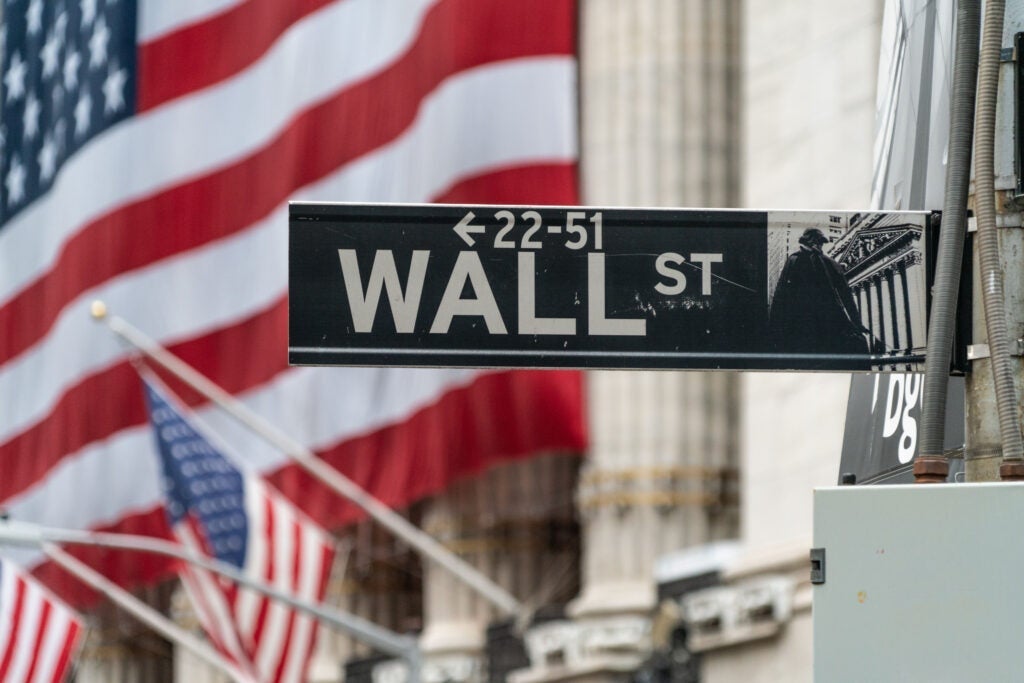
U.S. Stock Market Performance: U.S. stock futures showed slight gains, with major indices like the Dow Jones and S&P 500 reflecting positive investor sentiment ahead of Nvidia's earnings report.
Federal Reserve Developments: Federal Reserve Governor Lisa Cook plans to file a lawsuit against President Trump to prevent her dismissal, while markets anticipate a high likelihood of interest rate cuts in September.
Sector Performance Insights: The market saw broad-based gains on Tuesday, particularly in the Industrials and Financials sectors, although Consumer Staples lagged behind; durable goods orders fell less than expected.
Earnings Reports and Economic Indicators: Mixed results from recent retail earnings highlight consumer behavior influenced by tariffs, with discount retailers performing better than higher-end ones amid ongoing economic uncertainties.
Trade with 70% Backtested Accuracy
Analyst Views on NVDA

About NVDA
About the author


Nvidia Stock Price Potential Analysis

- Significant Performance Growth: Nvidia achieved record revenue of $68 billion in Q4 of fiscal 2026, representing a 73% year-over-year increase, with earnings per share (EPS) soaring to $1.76, up 98%, demonstrating the strong demand driven by AI and solidifying its market leadership.
- Market Share Advantage: Nvidia holds a dominant 92% share in the data center GPU market, and with its leadership in AI and cloud computing, the company anticipates continued revenue growth, projecting first-quarter revenue of $78 billion, a 77% year-over-year increase, which will further enhance its competitive edge.
- Analyst Outlook: Tigress Financial analyst Ivan Feinseth reiterated a strong buy rating on Nvidia, raising the 12-month price target to $360, forecasting the company will generate $406 billion in revenue and $201 billion in operating profit over the next year, reflecting strong market confidence in its growth prospects.
- Investor Confidence Rebound: Despite concerns about an AI bubble shaking some investors, 90% of retail investors plan to maintain or increase their AI holdings, indicating long-term optimism for Nvidia, with the current stock price being relatively undervalued, presenting a buying opportunity for seasoned investors.

Nvidia Stock Positioned for Potential Doubling
- Strong Market Demand: Nvidia's GPUs have become the primary hardware for training AI models, with revenue projected to grow by 70% to over $360 billion by fiscal 2027, indicating robust market demand and future growth potential in the AI sector.
- Profitability Surge: With a profit margin exceeding 50%, Nvidia is expected to become the most profitable company globally by year-end, surpassing Alphabet, showcasing its profitability and market leadership in a high-demand environment.
- Valuation Rebound Potential: Currently trading at a price-to-earnings ratio of about 22 times, significantly lower than the historical range of 40 to 50 times, if market sentiment improves, a return to a 45 times valuation could double the stock price, reflecting its reasonable valuation potential.
- Long-term Investment Confidence: Despite cautious market sentiment regarding the AI sector, hyperscalers are likely to continue investing in infrastructure, believing the risk of underinvestment is greater, suggesting that by 2026, market sentiment may recover, further driving Nvidia's stock price upward.

Autopilot's Portfolio Transformation and Market Trends

- Customer Asset Distribution: Approximately 40% to 45% of Autopilot's customer assets are invested in funds tracking politicians, indicating a strong public interest in congressional trading activities and reflecting a demand for political transparency in the market.
- Investment Strategy Shift: Originally launched as the Iris investing app, the company pivoted due to changing user demands during the pandemic, with Josephs noting that users preferred to follow successful investors rather than friends, which propelled the development of Autopilot technology.
- Attraction of Political Trading: The public's fascination with congressional trading stems from the shock of its legality and potential conflicts of interest, with Josephs suggesting that this phenomenon encourages more participation, highlighting a desire for political transparency.
- Portfolio Diversification: In addition to political tracking portfolios, Autopilot offers 15% meme portfolios and 40% user-created portfolios, showcasing users' demand for diverse investment strategies, particularly with AI-driven portfolios gaining significant attention.

Burry Accuses Nvidia of Mafia-like Behavior in AI Chip Market

- Antitrust Allegations: Burry accuses Nvidia of mafia-like behavior in the AI chip market, suggesting that the company may face antitrust scrutiny, indicating increasing regulatory attention on its market dominance.
- Data Center Project Dispute: Burry highlights a controversy involving a data center project linked to OpenAI, where Oracle borrowed heavily for land and hardware, but OpenAI withdrew support due to concerns over outdated chips, revealing risks associated with Nvidia's technology reliance.
- Blocking Competitors: Burry claims Nvidia paid approximately $150 million to prevent AMD from securing a contract tied to the data center buildout, an action viewed as leveraging market power to suppress competition, potentially triggering broader antitrust investigations.
- Shifting Regulatory Landscape: Burry notes that the U.S. Justice Department has been investigating Nvidia for nearly two years, although he expresses skepticism about the current administration's willingness to act, reflecting increasing regulatory pressures facing the AI infrastructure sector.

Nvidia Forms Strategic Partnership with Thinking Machines Lab
- Strategic Investment: Nvidia has announced a significant investment in Thinking Machines Lab, founded by Mira Murati, aiming to enhance the customizability and general capabilities of AI systems through a multi-year strategic partnership, further solidifying its leadership in the AI sector.
- Technology Deployment: As part of the collaboration, Thinking Machines Lab has agreed to deploy at least one gigawatt of Nvidia's Vera Rubin systems, which are expected to ship in the second half of the year, showcasing Nvidia's ongoing innovation in high-performance computing.
- Product Launch: Thinking Machines Lab released its first product, Tinker, in October, which is an API that allows researchers and developers to fine-tune AI models, marking a significant advancement in AI application development.
- Funding Background: The startup raised $2 billion in July, indicating strong market confidence in its AI technology, while also providing robust support for Nvidia's investment, helping it maintain a competitive edge in the rapidly evolving AI market.

Archer Aviation: Potential of eVTOL Technology in Urban Mobility


- Massive Market Opportunity: According to Precedence Research, the global eVTOL market is currently valued at approximately $5 billion, with projections soaring to $216 billion by 2035, reflecting an astounding annual growth rate of 52%, highlighting Archer's significant potential in urban transportation.
- Strategic Partnerships: Archer has formed strategic alliances with AI leaders Palantir and Nvidia, underscoring the immense interest from major companies in next-generation aviation technology, which could provide robust support for its future growth.
- Significant Investment Risks: With a market capitalization of $4.6 billion, Archer would need to capture 20% of the eVTOL market to turn a $10,000 investment into $100,000, facing intense competition both domestically and internationally, particularly in China.
- High Execution Risks: Archer spent nearly $80 million on equipment and $126 million on acquisitions last year without recognizing any sales, indicating uncertainty in its market position, which necessitates cautious consideration from investors.
Nvidia Stock Price Potential Analysis
- Significant Performance Growth: Nvidia achieved record revenue of $68 billion in Q4 of fiscal 2026, representing a 73% year-over-year increase, with earnings per share (EPS) soaring to $1.76, up 98%, demonstrating the strong demand driven by AI and solidifying its market leadership.
- Market Share Advantage: Nvidia holds a dominant 92% share in the data center GPU market, and with its leadership in AI and cloud computing, the company anticipates continued revenue growth, projecting first-quarter revenue of $78 billion, a 77% year-over-year increase, which will further enhance its competitive edge.
- Analyst Outlook: Tigress Financial analyst Ivan Feinseth reiterated a strong buy rating on Nvidia, raising the 12-month price target to $360, forecasting the company will generate $406 billion in revenue and $201 billion in operating profit over the next year, reflecting strong market confidence in its growth prospects.
- Investor Confidence Rebound: Despite concerns about an AI bubble shaking some investors, 90% of retail investors plan to maintain or increase their AI holdings, indicating long-term optimism for Nvidia, with the current stock price being relatively undervalued, presenting a buying opportunity for seasoned investors.
Nvidia Stock Positioned for Potential Doubling
- Strong Market Demand: Nvidia's GPUs have become the primary hardware for training AI models, with revenue projected to grow by 70% to over $360 billion by fiscal 2027, indicating robust market demand and future growth potential in the AI sector.
- Profitability Surge: With a profit margin exceeding 50%, Nvidia is expected to become the most profitable company globally by year-end, surpassing Alphabet, showcasing its profitability and market leadership in a high-demand environment.
- Valuation Rebound Potential: Currently trading at a price-to-earnings ratio of about 22 times, significantly lower than the historical range of 40 to 50 times, if market sentiment improves, a return to a 45 times valuation could double the stock price, reflecting its reasonable valuation potential.
- Long-term Investment Confidence: Despite cautious market sentiment regarding the AI sector, hyperscalers are likely to continue investing in infrastructure, believing the risk of underinvestment is greater, suggesting that by 2026, market sentiment may recover, further driving Nvidia's stock price upward.
Autopilot's Portfolio Transformation and Market Trends
- Customer Asset Distribution: Approximately 40% to 45% of Autopilot's customer assets are invested in funds tracking politicians, indicating a strong public interest in congressional trading activities and reflecting a demand for political transparency in the market.
- Investment Strategy Shift: Originally launched as the Iris investing app, the company pivoted due to changing user demands during the pandemic, with Josephs noting that users preferred to follow successful investors rather than friends, which propelled the development of Autopilot technology.
- Attraction of Political Trading: The public's fascination with congressional trading stems from the shock of its legality and potential conflicts of interest, with Josephs suggesting that this phenomenon encourages more participation, highlighting a desire for political transparency.
- Portfolio Diversification: In addition to political tracking portfolios, Autopilot offers 15% meme portfolios and 40% user-created portfolios, showcasing users' demand for diverse investment strategies, particularly with AI-driven portfolios gaining significant attention.
Burry Accuses Nvidia of Mafia-like Behavior in AI Chip Market
- Antitrust Allegations: Burry accuses Nvidia of mafia-like behavior in the AI chip market, suggesting that the company may face antitrust scrutiny, indicating increasing regulatory attention on its market dominance.
- Data Center Project Dispute: Burry highlights a controversy involving a data center project linked to OpenAI, where Oracle borrowed heavily for land and hardware, but OpenAI withdrew support due to concerns over outdated chips, revealing risks associated with Nvidia's technology reliance.
- Blocking Competitors: Burry claims Nvidia paid approximately $150 million to prevent AMD from securing a contract tied to the data center buildout, an action viewed as leveraging market power to suppress competition, potentially triggering broader antitrust investigations.
- Shifting Regulatory Landscape: Burry notes that the U.S. Justice Department has been investigating Nvidia for nearly two years, although he expresses skepticism about the current administration's willingness to act, reflecting increasing regulatory pressures facing the AI infrastructure sector.
Nvidia Forms Strategic Partnership with Thinking Machines Lab
- Strategic Investment: Nvidia has announced a significant investment in Thinking Machines Lab, founded by Mira Murati, aiming to enhance the customizability and general capabilities of AI systems through a multi-year strategic partnership, further solidifying its leadership in the AI sector.
- Technology Deployment: As part of the collaboration, Thinking Machines Lab has agreed to deploy at least one gigawatt of Nvidia's Vera Rubin systems, which are expected to ship in the second half of the year, showcasing Nvidia's ongoing innovation in high-performance computing.
- Product Launch: Thinking Machines Lab released its first product, Tinker, in October, which is an API that allows researchers and developers to fine-tune AI models, marking a significant advancement in AI application development.
- Funding Background: The startup raised $2 billion in July, indicating strong market confidence in its AI technology, while also providing robust support for Nvidia's investment, helping it maintain a competitive edge in the rapidly evolving AI market.
Archer Aviation: Potential of eVTOL Technology in Urban Mobility
- Massive Market Opportunity: According to Precedence Research, the global eVTOL market is currently valued at approximately $5 billion, with projections soaring to $216 billion by 2035, reflecting an astounding annual growth rate of 52%, highlighting Archer's significant potential in urban transportation.
- Strategic Partnerships: Archer has formed strategic alliances with AI leaders Palantir and Nvidia, underscoring the immense interest from major companies in next-generation aviation technology, which could provide robust support for its future growth.
- Significant Investment Risks: With a market capitalization of $4.6 billion, Archer would need to capture 20% of the eVTOL market to turn a $10,000 investment into $100,000, facing intense competition both domestically and internationally, particularly in China.
- High Execution Risks: Archer spent nearly $80 million on equipment and $126 million on acquisitions last year without recognizing any sales, indicating uncertainty in its market position, which necessitates cautious consideration from investors.