SK HYNIX BEGINS MANUFACTURING SOCAMM2 CHIPS COMPATIBLE WITH NVIDIA'S VERA RUBIN CHIPS
- Production Announcement: SK Hynix has started the production of SOC (System on Chip) AMM2 chips.
- Compatibility: These chips are designed to be compatible with NVIDIA's Vera Rubin chips.
Trade with 70% Backtested Accuracy
Analyst Views on NVDA

About NVDA
About the author


VAST DATA: FINANCING COMPRISES PRIMARY AND SECONDARY CAPITAL, TOTALING NEARLY $1 BILLION IN TRANSACTION VALUE

Financing Overview: The total transaction value for financing, including both primary and secondary capital, amounts to approximately $1 billion.
Market Impact: This significant financial activity indicates a robust market environment, reflecting investor confidence and potential growth opportunities.
VAST DATA: FUNDING ROUND SAW CONTRIBUTIONS FROM CURRENT INVESTORS LIKE FIDELITY MANAGEMENT & RESEARCH COMPANY, NEA, AND NVIDIA
Funding Sources: The funding round includes participation from existing investors such as Fidelity Management & Research Company, NEA, and NVIDIA.
Investor Involvement: The involvement of established investors indicates confidence in the company's potential and growth prospects.

VAST DATA: DRIVE CAPITAL LEADS FUNDING ROUND, WITH ACCESS INDUSTRIES AS CO-LEAD
- Funding Overview: A funding round has been led by Drive Capital, focusing on significant investments in various industries.
- Co-Lead Participation: Access Industries is acting as a co-lead in this funding initiative, indicating strong interest and collaboration in the investment.
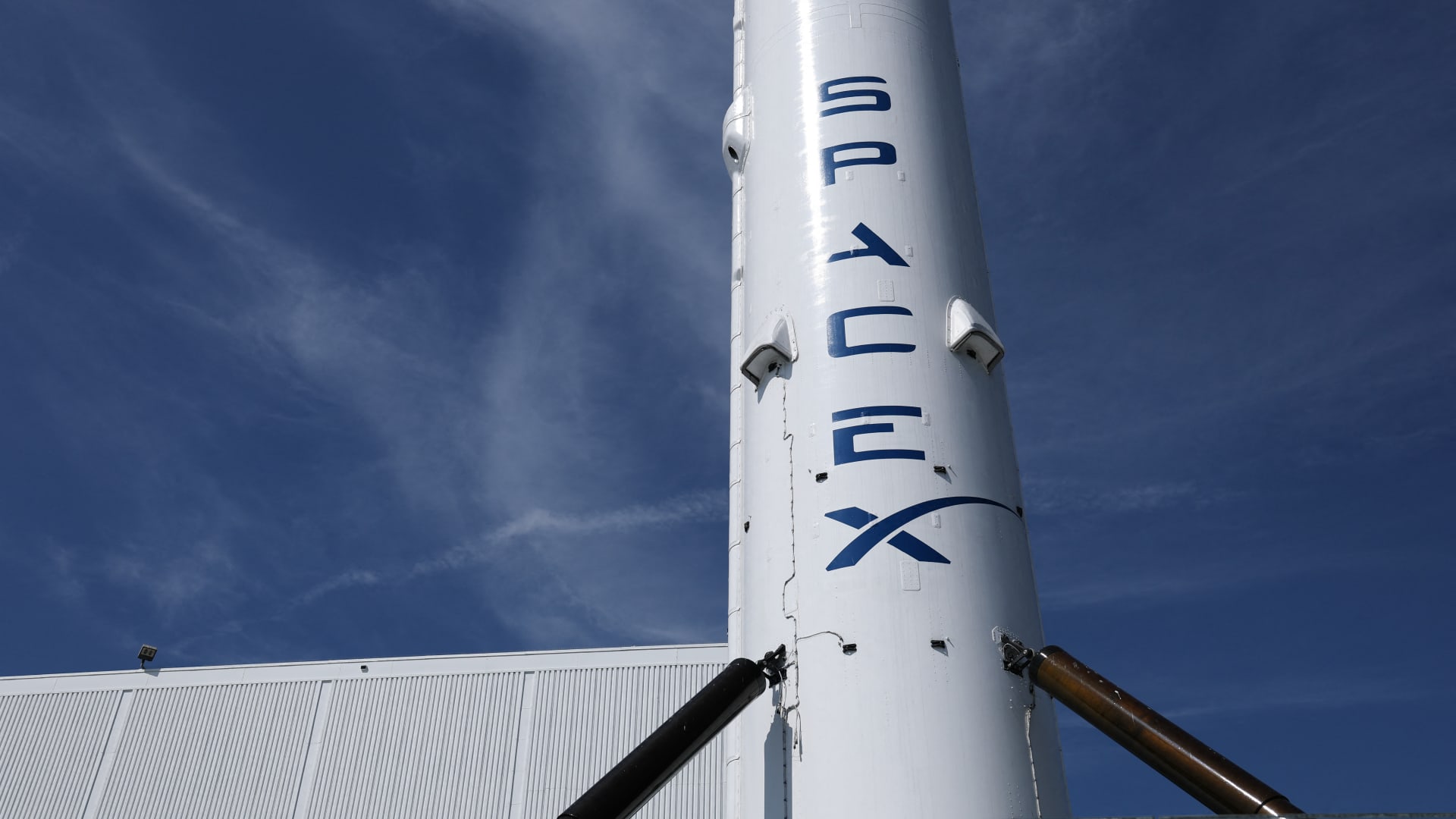
SpaceX to Acquire AI Startup Cursor for $60 Billion
- Acquisition Agreement: SpaceX has struck a deal with AI startup Cursor to acquire the company for $60 billion or pay $10 billion for collaborative work, indicating SpaceX's strategic expansion into the AI sector.
- Funding Plans: Cursor is in talks to raise $2 billion at a valuation exceeding $50 billion, with participation from investors like Andreessen Horowitz, Nvidia, and Thrive Capital, reflecting strong market interest and investment enthusiasm in AI technologies.
- Technical Collaboration: The partnership aims to develop the world's best coding and knowledge work AI, with Cursor's CEO highlighting this as a significant step in enhancing their AI model, Composer, which could transform software development practices.
- IPO Prospects: Elon Musk plans to take SpaceX public after merging it with his AI startup xAI, which is expected to be a record-setting IPO, further solidifying his leadership position in the tech industry.
AI Stocks Continue to Rally Amid Market Resilience

- Nvidia's Market Dominance: Nvidia (NVDA) achieved $216 billion in revenue for fiscal 2026, marking a 65% increase, and despite a P/E ratio of 41, it continues to demonstrate strong growth potential, encouraging investors to hold the stock to meet future demand.
- Broadcom's Strong Recovery: Broadcom (AVGO) has risen over 35% since late March, reporting more than $19 billion in revenue for Q1 of fiscal 2026, a 29% year-over-year increase, and enhancing its software business's recurring revenue through successful VMware integration.
- Google Cloud Growth: Alphabet (GOOGL) saw a 36% increase in cloud revenue in 2026, contributing to an overall revenue growth of 15% to nearly $403 billion, indicating the positive impact of AI technology on its revenue structure and potential for increased profitability in the future.
- Overall Market Resilience: Despite market uncertainties, the S&P 500 and Nasdaq Composite have reached new all-time highs, reflecting investor confidence in the AI sector, particularly for those employing dollar-cost averaging strategies who may see substantial returns.

AI Infrastructure Drives Market Surge

- Nvidia Demand Surge: Nvidia anticipates over $1 trillion in demand for its Blackwell and Rubin AI systems by 2027, indicating massive ongoing infrastructure investments, with analysts projecting a 15% to 20% upside in earnings for 2026 and 2027, suggesting significant financial growth ahead.
- TSMC Strong Performance: TSMC reported Q1 revenue of $35.9 billion, up 39% year-over-year, with advanced nodes accounting for 74% of wafer revenue and gross margin rising to 66.2%, reflecting robust demand from high-performance computing and AI workloads, positioning the company for sustained pricing power and growth.
- Datadog Market Opportunity: As AI infrastructure spending rises, Datadog's annual recurring revenue exceeds $1.5 billion, with a strong presence among AI customers, and the company expects to benefit from increased cross-selling within its customer base, highlighting significant long-term opportunities.
- AI Economy Expansion: The ongoing growth in AI spending drives demand for advanced chips and monitoring software, benefiting companies like Nvidia and TSMC, indicating the substantial long-term potential of the expanding AI economy.
VAST DATA: FINANCING COMPRISES PRIMARY AND SECONDARY CAPITAL, TOTALING NEARLY $1 BILLION IN TRANSACTION VALUE
Financing Overview: The total transaction value for financing, including both primary and secondary capital, amounts to approximately $1 billion.
Market Impact: This significant financial activity indicates a robust market environment, reflecting investor confidence and potential growth opportunities.
VAST DATA: FUNDING ROUND SAW CONTRIBUTIONS FROM CURRENT INVESTORS LIKE FIDELITY MANAGEMENT & RESEARCH COMPANY, NEA, AND NVIDIA
Funding Sources: The funding round includes participation from existing investors such as Fidelity Management & Research Company, NEA, and NVIDIA.
Investor Involvement: The involvement of established investors indicates confidence in the company's potential and growth prospects.
VAST DATA: DRIVE CAPITAL LEADS FUNDING ROUND, WITH ACCESS INDUSTRIES AS CO-LEAD
- Funding Overview: A funding round has been led by Drive Capital, focusing on significant investments in various industries.
- Co-Lead Participation: Access Industries is acting as a co-lead in this funding initiative, indicating strong interest and collaboration in the investment.
SpaceX to Acquire AI Startup Cursor for $60 Billion
- Acquisition Agreement: SpaceX has struck a deal with AI startup Cursor to acquire the company for $60 billion or pay $10 billion for collaborative work, indicating SpaceX's strategic expansion into the AI sector.
- Funding Plans: Cursor is in talks to raise $2 billion at a valuation exceeding $50 billion, with participation from investors like Andreessen Horowitz, Nvidia, and Thrive Capital, reflecting strong market interest and investment enthusiasm in AI technologies.
- Technical Collaboration: The partnership aims to develop the world's best coding and knowledge work AI, with Cursor's CEO highlighting this as a significant step in enhancing their AI model, Composer, which could transform software development practices.
- IPO Prospects: Elon Musk plans to take SpaceX public after merging it with his AI startup xAI, which is expected to be a record-setting IPO, further solidifying his leadership position in the tech industry.
AI Stocks Continue to Rally Amid Market Resilience
- Nvidia's Market Dominance: Nvidia (NVDA) achieved $216 billion in revenue for fiscal 2026, marking a 65% increase, and despite a P/E ratio of 41, it continues to demonstrate strong growth potential, encouraging investors to hold the stock to meet future demand.
- Broadcom's Strong Recovery: Broadcom (AVGO) has risen over 35% since late March, reporting more than $19 billion in revenue for Q1 of fiscal 2026, a 29% year-over-year increase, and enhancing its software business's recurring revenue through successful VMware integration.
- Google Cloud Growth: Alphabet (GOOGL) saw a 36% increase in cloud revenue in 2026, contributing to an overall revenue growth of 15% to nearly $403 billion, indicating the positive impact of AI technology on its revenue structure and potential for increased profitability in the future.
- Overall Market Resilience: Despite market uncertainties, the S&P 500 and Nasdaq Composite have reached new all-time highs, reflecting investor confidence in the AI sector, particularly for those employing dollar-cost averaging strategies who may see substantial returns.
AI Infrastructure Drives Market Surge
- Nvidia Demand Surge: Nvidia anticipates over $1 trillion in demand for its Blackwell and Rubin AI systems by 2027, indicating massive ongoing infrastructure investments, with analysts projecting a 15% to 20% upside in earnings for 2026 and 2027, suggesting significant financial growth ahead.
- TSMC Strong Performance: TSMC reported Q1 revenue of $35.9 billion, up 39% year-over-year, with advanced nodes accounting for 74% of wafer revenue and gross margin rising to 66.2%, reflecting robust demand from high-performance computing and AI workloads, positioning the company for sustained pricing power and growth.
- Datadog Market Opportunity: As AI infrastructure spending rises, Datadog's annual recurring revenue exceeds $1.5 billion, with a strong presence among AI customers, and the company expects to benefit from increased cross-selling within its customer base, highlighting significant long-term opportunities.
- AI Economy Expansion: The ongoing growth in AI spending drives demand for advanced chips and monitoring software, benefiting companies like Nvidia and TSMC, indicating the substantial long-term potential of the expanding AI economy.