Shell plc Announces Share Buyback Program Details
Written by Emily J. Thompson, Senior Investment Analyst
Updated: Apr 17 2026
0mins

Should l Buy SHEL?
Source: Yahoo Finance
- Share Buyback Volume: On April 17, 2026, Shell plc repurchased 856,258 shares at a highest price of £33.8750 and a lowest price of £31.7150, reflecting the company's confidence in its stock and aiming to enhance shareholder value.
- Diverse Trading Venues: The buyback occurred across multiple trading venues, including LSE, Chi-X, and BATS, ensuring liquidity and competitive pricing, thereby optimizing the cost of the repurchase.
- Background of Buyback Program: This share repurchase is part of the program announced on February 5, 2026, indicating the company's proactive measures to protect shareholder interests amid market volatility.
- Compliance Assurance: Shell's buyback program adheres to Chapter 9 of the UK Listing Rules and Market Abuse Regulation, ensuring all transactions comply with regulatory requirements, which enhances investor trust in corporate governance.
Trade with 70% Backtested Accuracy
Stop guessing "Should I Buy SHEL?" and start using high-conviction signals backed by rigorous historical data.
Sign up today to access powerful investing tools and make smarter, data-driven decisions.
Analyst Views on SHEL
Wall Street analysts forecast SHEL stock price to fall
10 Analyst Rating
5 Buy
5 Hold
0 Sell
Moderate Buy
Current: 84.240

Low
41.75
Averages
74.27
High
91.00
Current: 84.240
Low
41.75
Averages
74.27
High
91.00
About SHEL
Shell plc is an international energy company engaged in the principal aspects of the energy and petrochemical industries. The Company's segments include Integrated Gas, Upstream, Marketing, Chemicals and Products, Renewables and Energy Solutions, and Corporate. The Integrated Gas segment includes liquefied natural gas (LNG), conversion of natural gas into gas-to-liquids (GTL) fuels and other products. It includes natural gas and liquids exploration and extraction, and the operation of the upstream and midstream infrastructure. The Upstream segment includes exploration and extraction of crude oil, natural gas and natural gas liquids. It also markets and transports oil and gas and operates the infrastructure necessary to deliver them to the market. The Marketing segment comprises the Mobility, Lubricants, and Sectors & Decarbonization businesses. The Chemicals and Products segment includes chemicals manufacturing plants with their own marketing network, and refineries.
About the author

Emily J. Thompson
Emily J. Thompson, a Chartered Financial Analyst (CFA) with 12 years in investment research, graduated with honors from the Wharton School. Specializing in industrial and technology stocks, she provides in-depth analysis for Intellectia’s earnings and market brief reports.

Shell CEO Warns of Oil Supply/Demand Imbalance

- Global Oil Shortage: Shell CEO Wael Sawan warns of a current shortfall of 1 billion barrels of oil, a sentiment echoed by Halliburton CEO Jeffrey Miller, indicating that this shortage will exacerbate rising oil prices and impact global economic stability.
- Consensus Among Executives: CEOs from Chevron and ExxonMobil agree that it will take months to rectify the growing supply-demand imbalance, highlighting the profound effects of current geopolitical conflicts on the oil market, which necessitates cautious investor strategies.
- Dividend Performance Discrepancy: While Shell offers a dividend yield of 3.4%, Chevron and Exxon have a stronger track record of dividend growth at 3.9% and 2.8% respectively, making them more attractive for long-term investors seeking stability.
- Investment Strategy Recommendation: For long-term investors, Chevron is viewed as the most appealing option among integrated energy giants, particularly as oil prices are expected to decline, providing reliable dividend income and mitigating investment risks.
See More

Middle East Conflict Causes Global Oil Shortage
- Global Oil Shortage: The closure of the Strait of Hormuz due to the Middle East conflict has resulted in a shortage of 1 billion barrels of oil, with Shell CEO Wael Sawan and Halliburton CEO Jeffrey Miller sounding alarms about the ongoing supply/demand imbalance that is expected to last for months, impacting global energy market stability.
- Industry Response: CEOs of Chevron and ExxonMobil concur that it will take months to rectify the supply/demand imbalance once the conflict ends, indicating that the oil supply shortfall will worsen in the interim, potentially leading to increased volatility in oil prices.
- Investment Strategy: In the current high oil price environment, investors are advised to focus on integrated energy giants like Shell, Chevron, and Exxon, noting that while Shell cut its dividend in 2020, Chevron and Exxon have consistently increased theirs, demonstrating stronger financial stability.
- Dividend Yield Comparison: Currently, Chevron offers a dividend yield of 3.9%, Exxon at 2.8%, and Shell at 3.4%, making Chevron the most attractive option among integrated majors for long-term investors, especially as oil prices are expected to decline, providing reliable dividend income.
See More

Shell CEO Warns of Oil Supply/Demand Imbalance
- Global Oil Shortage: Shell CEO Wael Sawan warns that the world is currently short 1 billion barrels of oil, a sentiment echoed by Halliburton CEO Jeffrey Miller, indicating a growing supply crisis that threatens global energy market stability.
- Ongoing Conflict Impact: CEOs from Chevron and ExxonMobil agree that it will take months to rectify the supply/demand imbalance, suggesting that until the Middle East conflict is resolved, oil supply shortages will persist, potentially leading to increased price volatility.
- Dividend Performance Comparison: While Shell offers a 3.4% dividend yield, Chevron and Exxon have a stronger track record of dividend growth, with Chevron at 3.9% and Exxon at 2.8%, making them more attractive to investors, especially during periods of low oil prices.
- Investment Recommendations: Analysts suggest that given Chevron and Exxon's robust balance sheets and consistent dividend growth, long-term investors in the energy sector may prefer these companies over Shell, which faces greater investment risks.
See More
China Amasses World's Largest Crude Oil Stockpile

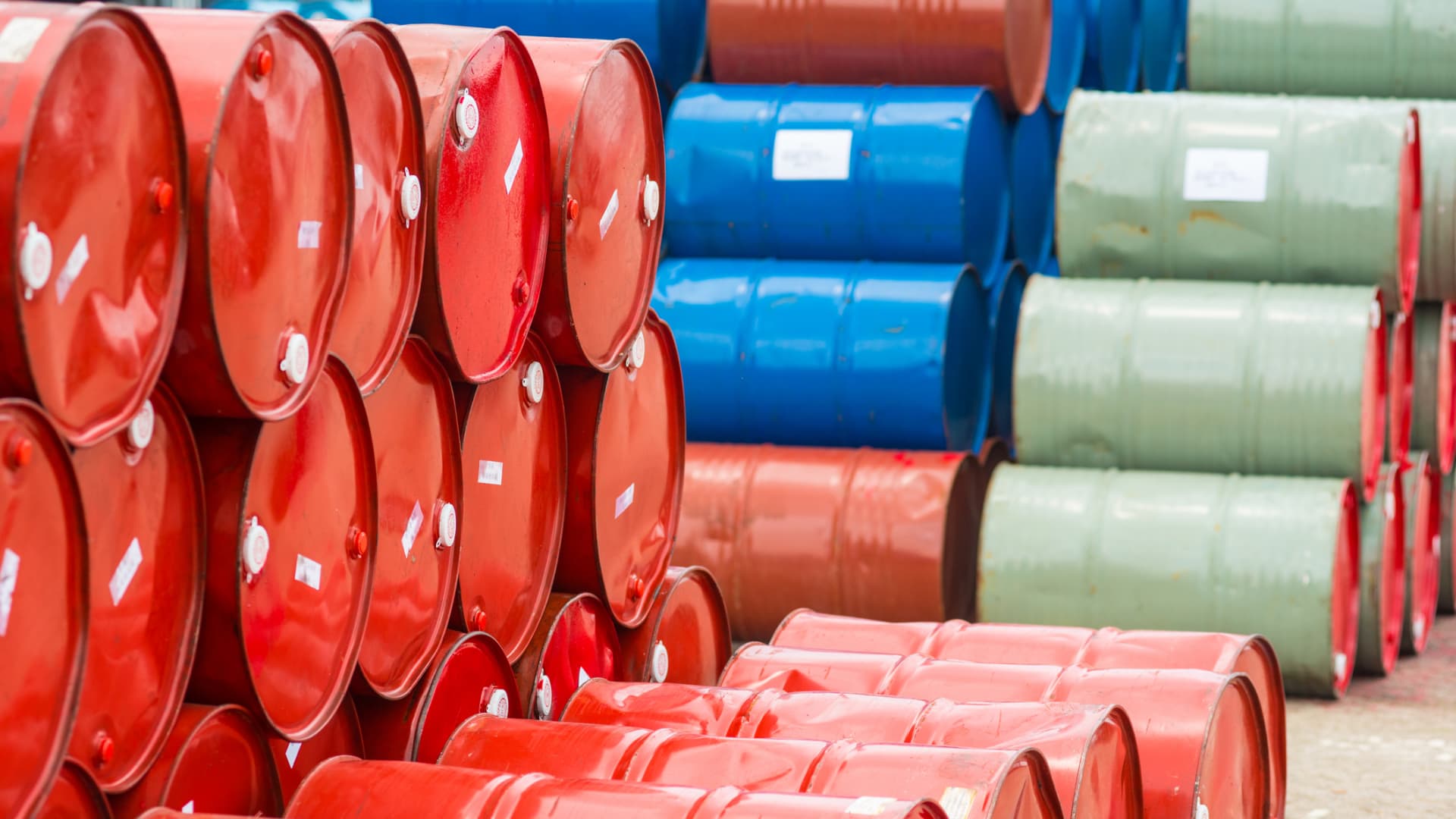
- Oil Reserve Scale: China added an average of 1.1 million barrels per day to its strategic reserves in 2025, bringing its total to approximately 360 million barrels by December 2025, closely approaching the U.S. reserves of nearly 414 million barrels, highlighting China's significant role in the global energy market.
- Impact on U.S. Relations: The increase in Chinese imports of Iranian crude could prompt the U.S. to impose a second round of sanctions on Sino-Iranian trade, escalating tensions between the two nations and potentially affecting the agenda of the upcoming high-level meeting.
- Market Dynamics Shift: According to Kpler, the completion of Middle Eastern cargo discharges has led to a rapid inventory drawdown, which may slow refining rates and further impact global oil price volatility, indicating a shift in market dynamics.
- Strategic Reserve Role: China's strategic petroleum reserves serve as a hedge against supply constraints and price volatility, particularly amid escalating tensions with the U.S. and sanctions, underscoring its strategic significance in global energy security.
See More

Iran War Reshapes Global Energy Landscape

- Energy Security Priority: The Iranian blockade of the Strait of Hormuz has resulted in a loss of nearly one billion barrels of oil, highlighting the fragility of the global energy system and prompting governments and companies to prioritize energy security, leading to increased investment in oil exploration and production.
- Supply Diversification Demand: The closure of the Strait has underscored Asian economies' dependence on Middle Eastern crude oil and LNG, prompting nations to reassess their energy security and seek diversified supplies to mitigate risks in the future.
- Inventory Rebuilding Plans: Due to war impacts, global oil inventories have been hit, and countries are expected to rebuild stockpiles above historical levels to ensure energy security, further driving demand for U.S. crude.
- African Investment Opportunities: Elevated oil prices will stimulate investments in offshore and deepwater opportunities in Africa, the Americas, and Asia, with SLB's CEO noting Africa as a key long-term investment area, anticipating a favorable shift in portfolio allocations towards the region.
See More
Iran War Causes Massive Global Oil Supply Shortage

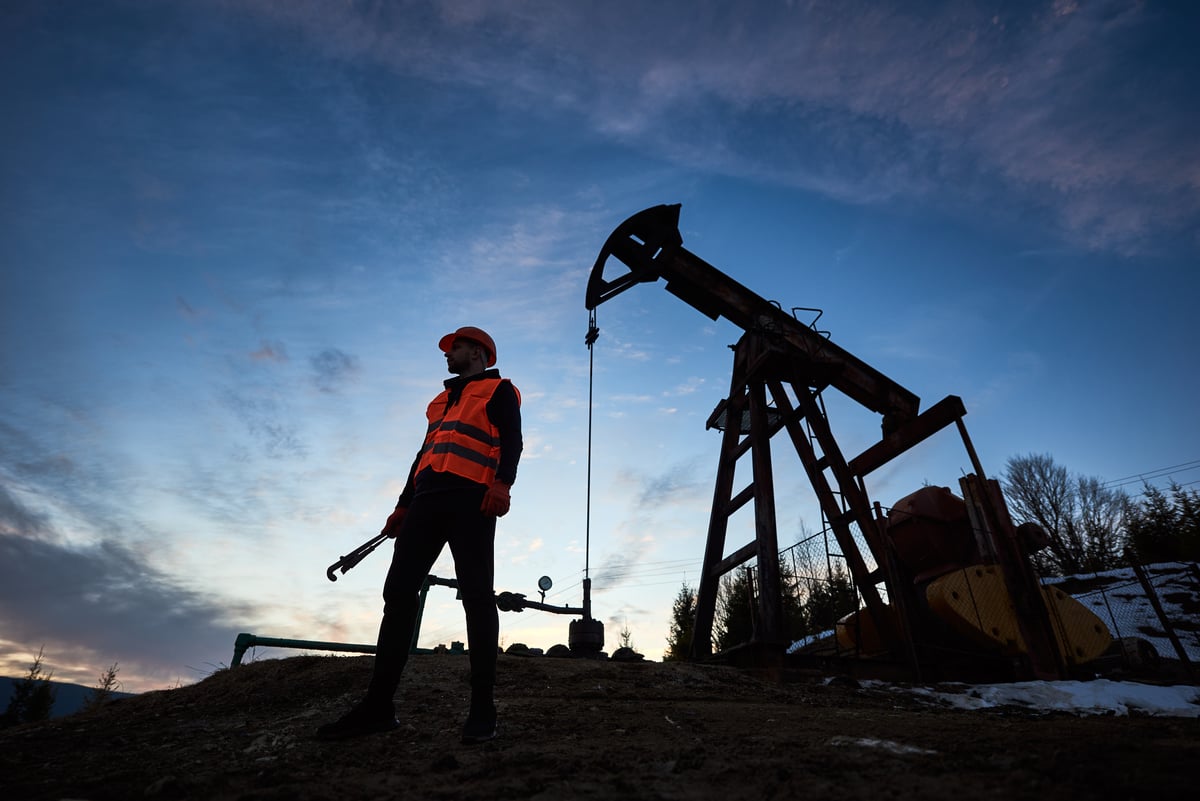
- Severe Supply Disruption: The closure of the Strait of Hormuz has led to a 57% drop in Persian Gulf oil production from pre-war levels, resulting in a nearly 1 billion barrel supply shortage that Shell's CEO warns is worsening daily, threatening global oil supply stability.
- Accelerated Inventory Drawdown: With global oil consumption at approximately 100 million barrels per day, the industry is currently depleting stockpiles at a record pace of 11 to 12 million barrels daily, highlighting the urgent demand for oil that may persist for several months.
- Long Road to Recovery: Even if the Strait of Hormuz reopens immediately, oil production in the Persian Gulf won't recover quickly, with S&P Global estimating that most wells may take up to seven months to restart, exacerbating the supply crunch.
- Investment Strategy Shift: Given the likelihood of sustained high oil prices, investors should consider reducing exposure to energy-intensive sectors while increasing allocations to oil stocks to prepare for potential fuel shortages and price hikes.
See More
Shell CEO Warns of Oil Supply/Demand Imbalance
- Global Oil Shortage: Shell CEO Wael Sawan warns of a current shortfall of 1 billion barrels of oil, a sentiment echoed by Halliburton CEO Jeffrey Miller, indicating that this shortage will exacerbate rising oil prices and impact global economic stability.
- Consensus Among Executives: CEOs from Chevron and ExxonMobil agree that it will take months to rectify the growing supply-demand imbalance, highlighting the profound effects of current geopolitical conflicts on the oil market, which necessitates cautious investor strategies.
- Dividend Performance Discrepancy: While Shell offers a dividend yield of 3.4%, Chevron and Exxon have a stronger track record of dividend growth at 3.9% and 2.8% respectively, making them more attractive for long-term investors seeking stability.
- Investment Strategy Recommendation: For long-term investors, Chevron is viewed as the most appealing option among integrated energy giants, particularly as oil prices are expected to decline, providing reliable dividend income and mitigating investment risks.
See More
Middle East Conflict Causes Global Oil Shortage
- Global Oil Shortage: The closure of the Strait of Hormuz due to the Middle East conflict has resulted in a shortage of 1 billion barrels of oil, with Shell CEO Wael Sawan and Halliburton CEO Jeffrey Miller sounding alarms about the ongoing supply/demand imbalance that is expected to last for months, impacting global energy market stability.
- Industry Response: CEOs of Chevron and ExxonMobil concur that it will take months to rectify the supply/demand imbalance once the conflict ends, indicating that the oil supply shortfall will worsen in the interim, potentially leading to increased volatility in oil prices.
- Investment Strategy: In the current high oil price environment, investors are advised to focus on integrated energy giants like Shell, Chevron, and Exxon, noting that while Shell cut its dividend in 2020, Chevron and Exxon have consistently increased theirs, demonstrating stronger financial stability.
- Dividend Yield Comparison: Currently, Chevron offers a dividend yield of 3.9%, Exxon at 2.8%, and Shell at 3.4%, making Chevron the most attractive option among integrated majors for long-term investors, especially as oil prices are expected to decline, providing reliable dividend income.
See More
Shell CEO Warns of Oil Supply/Demand Imbalance
- Global Oil Shortage: Shell CEO Wael Sawan warns that the world is currently short 1 billion barrels of oil, a sentiment echoed by Halliburton CEO Jeffrey Miller, indicating a growing supply crisis that threatens global energy market stability.
- Ongoing Conflict Impact: CEOs from Chevron and ExxonMobil agree that it will take months to rectify the supply/demand imbalance, suggesting that until the Middle East conflict is resolved, oil supply shortages will persist, potentially leading to increased price volatility.
- Dividend Performance Comparison: While Shell offers a 3.4% dividend yield, Chevron and Exxon have a stronger track record of dividend growth, with Chevron at 3.9% and Exxon at 2.8%, making them more attractive to investors, especially during periods of low oil prices.
- Investment Recommendations: Analysts suggest that given Chevron and Exxon's robust balance sheets and consistent dividend growth, long-term investors in the energy sector may prefer these companies over Shell, which faces greater investment risks.
See More
China Amasses World's Largest Crude Oil Stockpile
- Oil Reserve Scale: China added an average of 1.1 million barrels per day to its strategic reserves in 2025, bringing its total to approximately 360 million barrels by December 2025, closely approaching the U.S. reserves of nearly 414 million barrels, highlighting China's significant role in the global energy market.
- Impact on U.S. Relations: The increase in Chinese imports of Iranian crude could prompt the U.S. to impose a second round of sanctions on Sino-Iranian trade, escalating tensions between the two nations and potentially affecting the agenda of the upcoming high-level meeting.
- Market Dynamics Shift: According to Kpler, the completion of Middle Eastern cargo discharges has led to a rapid inventory drawdown, which may slow refining rates and further impact global oil price volatility, indicating a shift in market dynamics.
- Strategic Reserve Role: China's strategic petroleum reserves serve as a hedge against supply constraints and price volatility, particularly amid escalating tensions with the U.S. and sanctions, underscoring its strategic significance in global energy security.
See More
Iran War Reshapes Global Energy Landscape
- Energy Security Priority: The Iranian blockade of the Strait of Hormuz has resulted in a loss of nearly one billion barrels of oil, highlighting the fragility of the global energy system and prompting governments and companies to prioritize energy security, leading to increased investment in oil exploration and production.
- Supply Diversification Demand: The closure of the Strait has underscored Asian economies' dependence on Middle Eastern crude oil and LNG, prompting nations to reassess their energy security and seek diversified supplies to mitigate risks in the future.
- Inventory Rebuilding Plans: Due to war impacts, global oil inventories have been hit, and countries are expected to rebuild stockpiles above historical levels to ensure energy security, further driving demand for U.S. crude.
- African Investment Opportunities: Elevated oil prices will stimulate investments in offshore and deepwater opportunities in Africa, the Americas, and Asia, with SLB's CEO noting Africa as a key long-term investment area, anticipating a favorable shift in portfolio allocations towards the region.
See More
Iran War Causes Massive Global Oil Supply Shortage
- Severe Supply Disruption: The closure of the Strait of Hormuz has led to a 57% drop in Persian Gulf oil production from pre-war levels, resulting in a nearly 1 billion barrel supply shortage that Shell's CEO warns is worsening daily, threatening global oil supply stability.
- Accelerated Inventory Drawdown: With global oil consumption at approximately 100 million barrels per day, the industry is currently depleting stockpiles at a record pace of 11 to 12 million barrels daily, highlighting the urgent demand for oil that may persist for several months.
- Long Road to Recovery: Even if the Strait of Hormuz reopens immediately, oil production in the Persian Gulf won't recover quickly, with S&P Global estimating that most wells may take up to seven months to restart, exacerbating the supply crunch.
- Investment Strategy Shift: Given the likelihood of sustained high oil prices, investors should consider reducing exposure to energy-intensive sectors while increasing allocations to oil stocks to prepare for potential fuel shortages and price hikes.
See More