REGENXBIO Faces FDA Challenges for Gene Therapy Approval
Written by Emily J. Thompson, Senior Investment Analyst
Updated: Feb 10 2026
0mins
Should l Buy DNLI?
Source: Newsfilter
- FDA Response Letter Issued: REGENXBIO's shares fell after receiving a response letter from the FDA regarding its Hunter syndrome gene therapy, indicating regulatory concerns about trial design that could delay the approval timeline.
- Trial Design Concerns: The FDA's questioning of the trial design may impact the efficacy assessment of the therapy, negatively affecting REGENXBIO's market outlook and increasing uncertainty for investors.
- Approval Timeline Delayed: Due to the FDA's feedback, REGENXBIO may need to reevaluate its clinical trial plans, which will push back the originally scheduled approval timeline and affect the company's future revenue expectations.
- Negative Market Reaction: The stock price decline following the FDA's response letter reflects market concerns about REGENXBIO's future direction, potentially leading to decreased investor confidence and impacting its ability to raise funds.
Trade with 70% Backtested Accuracy
Stop guessing "Should I Buy DNLI?" and start using high-conviction signals backed by rigorous historical data.
Sign up today to access powerful investing tools and make smarter, data-driven decisions.
Analyst Views on DNLI
Wall Street analysts forecast DNLI stock price to rise
10 Analyst Rating
10 Buy
0 Hold
0 Sell
Strong Buy
Current: 18.160

Low
25.00
Averages
32.78
High
40.00
Current: 18.160
Low
25.00
Averages
32.78
High
40.00
About DNLI
Denali Therapeutics Inc. is a biopharmaceutical company. The Company is focused on developing a broad portfolio of product candidates engineered to cross the blood-brain barrier (BBB) for the treatment of neurodegenerative diseases and lysosomal storage diseases. It has developed a technology, called the TransportVehicle (TV), to address the BBB challenge. Its advanced TV-enabled program is tividenofusp alfa (DNL310, ETV:IDS) for the potential treatment of mucopolysaccharidosis II (MPS II or Hunter syndrome). Its TV-enabled clinical development portfolio also includes DNL126 (ETV:SGSH) for MPS IIIA (Sanfilippo syndrome) and DNL593 (PTV:PGRN) for frontotemporal dementia-granulin (FTD-GRN). Its small-molecule clinical development portfolio includes BIIB122/DNL151 (small molecule LRRK2 inhibitor) for Parkinson’s disease; and DNL343 (small molecule eIF2B activator) for amyotrophic lateral sclerosis (ALS). It is also exploring programs in oncology, inflammation, and other diseases.
About the author

Emily J. Thompson
Emily J. Thompson, a Chartered Financial Analyst (CFA) with 12 years in investment research, graduated with honors from the Wharton School. Specializing in industrial and technology stocks, she provides in-depth analysis for Intellectia’s earnings and market brief reports.

Biotech Landscape Update: Regulatory Approvals and Mergers

- Anavex Drug Withdrawal: Anavex Life Sciences Corp. (AVXL) withdrew its EU marketing application for Alzheimer's drug Blarcamesine after the EMA's CHMP indicated it could not issue a positive opinion, marking a significant setback for the company's lead candidate despite continued support from patient groups.
- Quoin FDA Alignment: Quoin Pharmaceuticals Ltd. (QNRX) received positive feedback from the FDA confirming that a single Phase 3 trial may suffice for U.S. approval of QRX003 for Netherton Syndrome, with plans to initiate Phase 3 in 2026 and potentially file an NDA in 2027.
- Corcept Drug Approval: Corcept Therapeutics Inc. (CORT) secured FDA approval for Lifyorli combined with nab-paclitaxel to treat platinum-resistant ovarian cancer, based on Phase 3 ROSELLA trial results involving 381 patients, marking the first FDA-approved selective glucocorticoid receptor antagonist.
- Merck Acquires Terns: Merck (MRK) announced a definitive agreement to acquire Terns Pharmaceuticals for $53.00 per share, totaling approximately $6.7 billion, which is expected to enhance Merck's presence in hematology, with the transaction anticipated to close in Q2 2026.
See More

Denali Therapeutics Secures FDA Accelerated Approval for Avlayah


- FDA Accelerated Approval: Denali Therapeutics has received FDA accelerated approval for Avlayah, a treatment for Hunter syndrome, significantly enhancing the company's competitive edge in the rare disease market.
- Market Potential Analysis: Analysts highlight Avlayah's strong launch potential, which could drive revenue growth for Denali, attracting a substantial patient base in the coming years and solidifying its position in the biopharmaceutical industry.
- Product Launch Strategy: Denali plans to ensure Avlayah's successful market entry through proactive marketing and partnerships with healthcare institutions, addressing the urgent demand for new therapies and enhancing the company's brand influence.
- Investor Confidence Boost: The FDA approval not only boosts investor confidence in Denali but may also attract additional funding, facilitating further investments in research and market expansion.
See More

Denali Receives FDA Accelerated Approval for AVLAYAH
- FDA Accelerated Approval: Denali Therapeutics announced that its drug AVLAYAH has received accelerated approval from the U.S. FDA, marking the first new treatment option for Hunter syndrome in nearly 20 years, representing a significant advancement in the field.
- Innovative Biologic: AVLAYAH is the first FDA-approved biologic engineered to cross the blood-brain barrier, directly targeting both the body and brain, showcasing its unique advantages in treating rare genetic disorders.
- Clinical Data Support: Phase 1/2 trial data indicated that AVLAYAH achieved a 91% reduction in cerebrospinal fluid heparan sulfate levels by week 24, with nearly all treated patients reaching biomarker levels comparable to healthy individuals, demonstrating its significant efficacy.
- Broad Market Potential: AVLAYAH will be available in the U.S. shortly after approval, and Denali has also received a Rare Pediatric Disease Priority Review Voucher, which is expected to enhance the company's market share in the rare disease sector.
See More
FDA Approves First Treatment for Hunter Syndrome in Nearly 20 Years
- First FDA-Approved Drug: Denali Therapeutics' AVLAYAH™ has received accelerated FDA approval, marking the first biologic specifically designed for Hunter syndrome in nearly 20 years, heralding a new era in treatment that is expected to significantly improve patient quality of life.
- Significant Clinical Trial Results: In the Phase 1/2 clinical trial, AVLAYAH demonstrated a 91% reduction in cerebrospinal fluid heparan sulfate levels by week 24, with 93% of patients achieving normal levels, indicating its potential to become a new standard of care for neurological symptoms.
- Innovative Treatment Platform: AVLAYAH leverages Denali's TransportVehicle™ platform to successfully cross the blood-brain barrier, providing systemic treatment and showcasing the technology's broad applicability in treating neurodegenerative diseases and other rare disorders.
- Patient Support Services: Denali will offer personalized support through a dedicated patient services program to assist patients and caregivers in accessing AVLAYAH treatment, further enhancing patient experience and adherence to therapy.
See More
Denali Therapeutics Receives FDA Approval for Avlayah™ (Tividenofusp Alfa-Eknm) to Treat Hunter Syndrome (MPS II)
FDA Approval Announcement: Denali Therapeutics has received U.S. FDA approval for its drug, Vlayah™ (tividenofuspalfa-eknm), aimed at treating Hunter Syndrome (MPS II).
Significance of Approval: This approval marks a significant advancement in the treatment options available for patients suffering from Hunter Syndrome, a rare genetic disorder.
See More
Denali Therapeutics Receives FDA Approval for New Drug
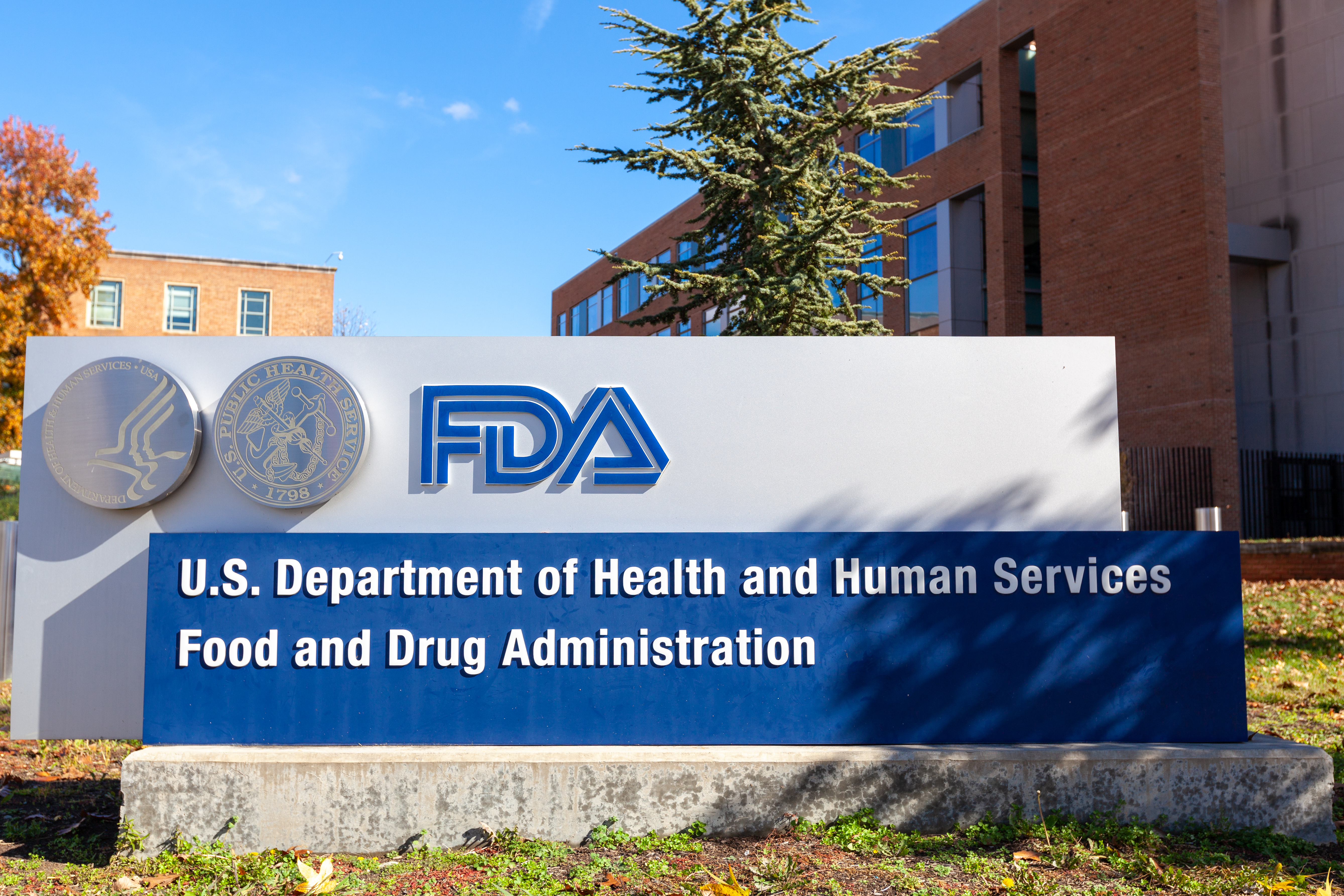
- FDA Approval: Denali Therapeutics' lead candidate, tividenofusp alfa, received FDA approval on March 24 as a treatment for Hunter syndrome, marking a significant breakthrough for the company in the rare disease sector.
- High Market Demand: Hunter syndrome represents a major unmet medical need, as existing enzyme replacement therapies fail to effectively address the neurological symptoms, making the approval of tividenofusp alfa a beacon of hope for patients.
- Funding Agreement: Denali secured $275 million in funding through an agreement with Royalty Pharma in exchange for a 9.25% royalty on global net sales of tividenofusp alfa, providing robust financial support for future R&D efforts.
- Accelerated Approval Outlook: Prior to FDA approval, Denali's Biologics License Application (DNL310) was under review, with a decision on potential accelerated approval expected on or before April 5, further enhancing market anticipation for the drug.
See More
Biotech Landscape Update: Regulatory Approvals and Mergers
- Anavex Drug Withdrawal: Anavex Life Sciences Corp. (AVXL) withdrew its EU marketing application for Alzheimer's drug Blarcamesine after the EMA's CHMP indicated it could not issue a positive opinion, marking a significant setback for the company's lead candidate despite continued support from patient groups.
- Quoin FDA Alignment: Quoin Pharmaceuticals Ltd. (QNRX) received positive feedback from the FDA confirming that a single Phase 3 trial may suffice for U.S. approval of QRX003 for Netherton Syndrome, with plans to initiate Phase 3 in 2026 and potentially file an NDA in 2027.
- Corcept Drug Approval: Corcept Therapeutics Inc. (CORT) secured FDA approval for Lifyorli combined with nab-paclitaxel to treat platinum-resistant ovarian cancer, based on Phase 3 ROSELLA trial results involving 381 patients, marking the first FDA-approved selective glucocorticoid receptor antagonist.
- Merck Acquires Terns: Merck (MRK) announced a definitive agreement to acquire Terns Pharmaceuticals for $53.00 per share, totaling approximately $6.7 billion, which is expected to enhance Merck's presence in hematology, with the transaction anticipated to close in Q2 2026.
See More
Denali Therapeutics Secures FDA Accelerated Approval for Avlayah
- FDA Accelerated Approval: Denali Therapeutics has received FDA accelerated approval for Avlayah, a treatment for Hunter syndrome, significantly enhancing the company's competitive edge in the rare disease market.
- Market Potential Analysis: Analysts highlight Avlayah's strong launch potential, which could drive revenue growth for Denali, attracting a substantial patient base in the coming years and solidifying its position in the biopharmaceutical industry.
- Product Launch Strategy: Denali plans to ensure Avlayah's successful market entry through proactive marketing and partnerships with healthcare institutions, addressing the urgent demand for new therapies and enhancing the company's brand influence.
- Investor Confidence Boost: The FDA approval not only boosts investor confidence in Denali but may also attract additional funding, facilitating further investments in research and market expansion.
See More
Denali Receives FDA Accelerated Approval for AVLAYAH
- FDA Accelerated Approval: Denali Therapeutics announced that its drug AVLAYAH has received accelerated approval from the U.S. FDA, marking the first new treatment option for Hunter syndrome in nearly 20 years, representing a significant advancement in the field.
- Innovative Biologic: AVLAYAH is the first FDA-approved biologic engineered to cross the blood-brain barrier, directly targeting both the body and brain, showcasing its unique advantages in treating rare genetic disorders.
- Clinical Data Support: Phase 1/2 trial data indicated that AVLAYAH achieved a 91% reduction in cerebrospinal fluid heparan sulfate levels by week 24, with nearly all treated patients reaching biomarker levels comparable to healthy individuals, demonstrating its significant efficacy.
- Broad Market Potential: AVLAYAH will be available in the U.S. shortly after approval, and Denali has also received a Rare Pediatric Disease Priority Review Voucher, which is expected to enhance the company's market share in the rare disease sector.
See More
FDA Approves First Treatment for Hunter Syndrome in Nearly 20 Years
- First FDA-Approved Drug: Denali Therapeutics' AVLAYAH™ has received accelerated FDA approval, marking the first biologic specifically designed for Hunter syndrome in nearly 20 years, heralding a new era in treatment that is expected to significantly improve patient quality of life.
- Significant Clinical Trial Results: In the Phase 1/2 clinical trial, AVLAYAH demonstrated a 91% reduction in cerebrospinal fluid heparan sulfate levels by week 24, with 93% of patients achieving normal levels, indicating its potential to become a new standard of care for neurological symptoms.
- Innovative Treatment Platform: AVLAYAH leverages Denali's TransportVehicle™ platform to successfully cross the blood-brain barrier, providing systemic treatment and showcasing the technology's broad applicability in treating neurodegenerative diseases and other rare disorders.
- Patient Support Services: Denali will offer personalized support through a dedicated patient services program to assist patients and caregivers in accessing AVLAYAH treatment, further enhancing patient experience and adherence to therapy.
See More
Denali Therapeutics Receives FDA Approval for Avlayah™ (Tividenofusp Alfa-Eknm) to Treat Hunter Syndrome (MPS II)
FDA Approval Announcement: Denali Therapeutics has received U.S. FDA approval for its drug, Vlayah™ (tividenofuspalfa-eknm), aimed at treating Hunter Syndrome (MPS II).
Significance of Approval: This approval marks a significant advancement in the treatment options available for patients suffering from Hunter Syndrome, a rare genetic disorder.
See More
Denali Therapeutics Receives FDA Approval for New Drug
- FDA Approval: Denali Therapeutics' lead candidate, tividenofusp alfa, received FDA approval on March 24 as a treatment for Hunter syndrome, marking a significant breakthrough for the company in the rare disease sector.
- High Market Demand: Hunter syndrome represents a major unmet medical need, as existing enzyme replacement therapies fail to effectively address the neurological symptoms, making the approval of tividenofusp alfa a beacon of hope for patients.
- Funding Agreement: Denali secured $275 million in funding through an agreement with Royalty Pharma in exchange for a 9.25% royalty on global net sales of tividenofusp alfa, providing robust financial support for future R&D efforts.
- Accelerated Approval Outlook: Prior to FDA approval, Denali's Biologics License Application (DNL310) was under review, with a decision on potential accelerated approval expected on or before April 5, further enhancing market anticipation for the drug.
See More