REalloys Secures Long-Term Supply Agreement for Heavy Rare Earths
Written by Emily J. Thompson, Senior Investment Analyst
Updated: May 28 2026
0mins


Source: Newsfilter
- Strategic Supply Agreement: REalloys has signed a 15-year offtake agreement with Critical Metals Corp, securing 15% of monthly production from the Tanbreez project in Greenland, further solidifying its heavy rare earth supply chain in North America.
- Market Demand Response: This agreement enables REalloys to rapidly scale its production of heavy rare earth metals and alloys in the U.S. ahead of the Pentagon's 2027 ban on Chinese-origin materials, addressing the growing defense demand.
- Technology Integration Plan: REalloys aims to establish the largest heavy rare earth metallization facility in North America in Ohio, expected to achieve production from rare earth oxides to high-purity metals through recycling and upstream supply agreements, enhancing overall supply chain traceability.
- Defense Supply Chain Assurance: As the U.S. depletes significant portions of its precision weapons inventory in Middle Eastern conflicts, REalloys' heavy rare earth materials will become central to Pentagon supply chain planning, helping reduce reliance on Chinese rare earth materials.
Trade with 70% Backtested Accuracy
Stop guessing "Should I Buy AAPL?" and start using high-conviction signals backed by rigorous historical data.
Sign up today to access powerful investing tools and make smarter, data-driven decisions.
Analyst Views on AAPL
Wall Street analysts forecast AAPL stock price to rise
27 Analyst Rating
17 Buy
9 Hold
1 Sell
Moderate Buy
Current: 298.010

Low
239.00
Averages
306.89
High
350.00
Current: 298.010
Low
239.00
Averages
306.89
High
350.00
About AAPL
Apple Inc. designs, manufactures and markets smartphones, personal computers, tablets, wearables and accessories, and sells a variety of related services. Its product categories include iPhone, Mac, iPad, Wearables, Home and Accessories. Its services include advertising, AppleCare, cloud services, digital content, and payment services. The Company operates various platforms, including the App Store, that allow customers to discover and download applications and digital content, such as books, music, video, games and podcasts. It also offers digital content through subscription-based services, including Apple Arcade, Apple Fitness+, Apple Music, Apple News+, and Apple TV+. Its wearables include smartwatches, wireless headphones, and spatial computers. Its products include iPhone 16 Pro, iPhone 16, iPhone 15, iPhone 14, iPhone SE, MacBook Air, MacBook Pro, iMac, Mac mini, Mac Studio, Mac Pro, iPad Pro, iPad Air, AirPods, AirPods Pro, AirPods Max, Apple TV, Apple Vision Pro and others.
About the author

Emily J. Thompson
Emily J. Thompson, a Chartered Financial Analyst (CFA) with 12 years in investment research, graduated with honors from the Wharton School. Specializing in industrial and technology stocks, she provides in-depth analysis for Intellectia’s earnings and market brief reports.
Apple Prioritizes Quality Over Quantity in Streaming Strategy

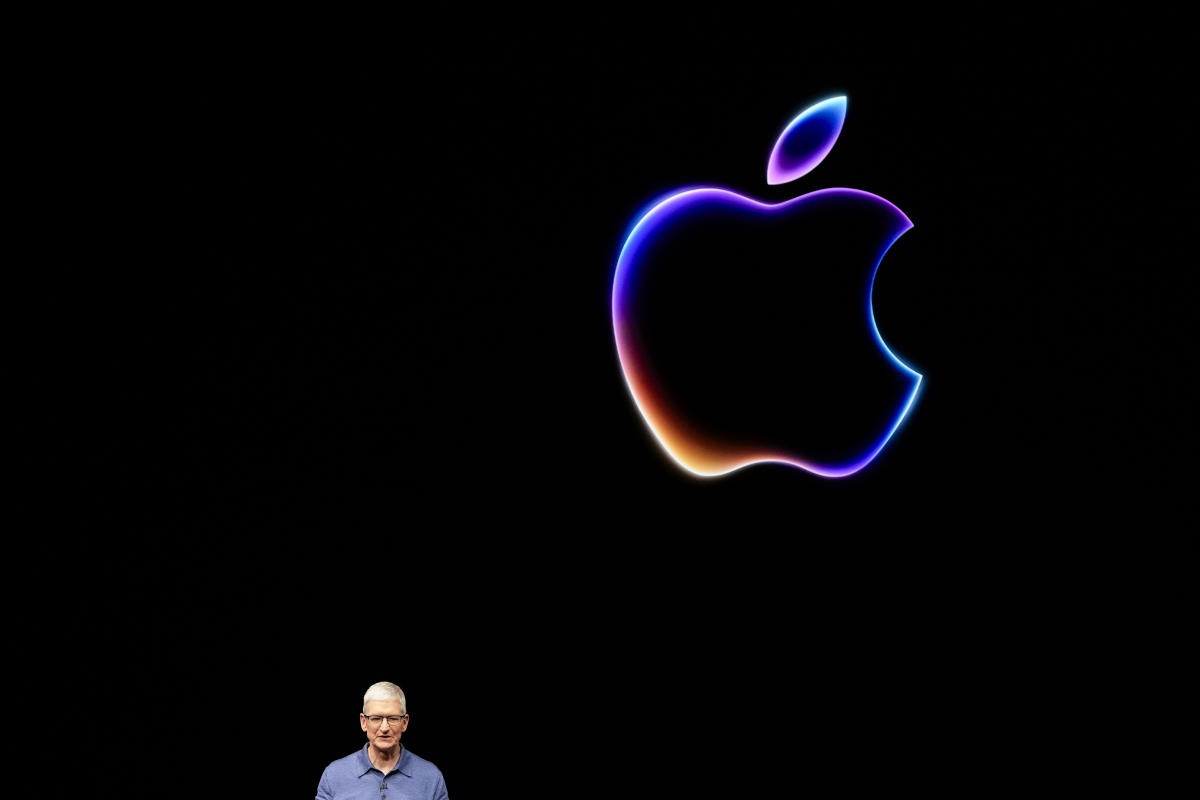
- Content Strategy Philosophy: Apple’s SVP of Services, Eddy Cue, stated at the Cannes Lions Festival that the company prioritizes quality over quantity in its content strategy, aiming to attract top creators and storytellers to build a premium platform.
- User Base Scale: Apple TV currently boasts over 45 million subscribers, providing a robust foundation for its content strategy, which starkly contrasts with the approaches of Netflix and Amazon Prime Video.
- Sequel Confirmation: Cue confirmed that a sequel to 'F1: The Movie' is in the works, stating, 'Everyone wants to see another one,' highlighting Apple’s ambition in film production, especially given the original's success.
- Box Office Performance: Released in 2025, 'F1: The Movie' became Apple’s biggest box office hit, generating $634 million in ticket sales, further solidifying Apple’s position in the entertainment industry.
See More

Wall Street Major Indexes Hit Record Highs


- Performance of the Magnificent Seven: Wall Street's 'Magnificent Seven', including Meta, Amazon, and Microsoft, have driven stock market gains with strong cash flow and market advantages, with Meta's future cash flow estimated at 9 times per share, indicating relative attractiveness.
- AI Investment Outlook: Meta and Amazon are ramping up investments in artificial intelligence, with Meta's social media platforms attracting an average of 3.56 billion daily users, enhancing its advertising pricing power, while Amazon's cloud services are expected to double operating cash flow between 2025 and 2028.
- Valuation Discrepancies: Despite Tesla and Apple's relatively high valuations at 80.74 and 27.42 times cash flow ratios, respectively, Meta and Amazon appear more attractive at 9 and 10.86 times, drawing increased investor interest.
- Advertising Revenue Growth: Meta is enhancing its advertising platform's click-through rates by integrating generative AI solutions, while Amazon's Prime subscriptions and advertising services are driving steady sales growth, showcasing strong performance in their respective sectors.
See More
AI-Driven Magnificent Seven Propel Market to New Heights
- Cash Flow Evaluation: With major Wall Street indexes reaching new highs, cash flow has emerged as a critical metric for assessing the value of the Magnificent Seven stocks, particularly as these companies aggressively reinvest their cash flow into high-growth initiatives.
- Meta's Advertising Edge: Despite Meta's shares stagnating since early 2025, its social media platforms attract an average of 3.56 billion daily users, granting it exceptional ad pricing power, especially after integrating generative AI, which has improved ad click-through rates.
- Amazon's Cloud Service Growth: By integrating generative AI and large language models into AWS, Amazon has accelerated sales in this high-margin segment, with projections indicating that AWS could more than double Amazon's operating cash flow between 2025 and 2028.
- Investment Recommendations: While Meta is not recommended as a top investment choice, analysts have identified 10 stocks currently viewed as potential high-return investments, which could yield significant profits in the coming years.
See More

Global Stock Markets Plunge, Led by Tech Sector Declines

- Tech Sector Sell-off: Global stocks experienced a significant sell-off on Tuesday, led by a 10% drop in South Korea's tech-heavy Kospi index, with major players SK Hynix and Samsung both losing over 12%, indicating growing concerns about the tech industry's outlook.
- European Market Declines: European shares also fell sharply, with the pan-European Stoxx 600 index shedding 1.2% in early trading, while the technology sector led the losses with a 3.2% decline, as STMicroelectronics and ASMI both dropped more than 7%, reflecting weakened investor confidence in tech stocks.
- Futures Down Ahead of Trading: Futures tied to the Nasdaq 100 index fell 2.7% ahead of Tuesday's regular trading session, highlighting market unease regarding major tech companies, particularly Nvidia, Apple, Alphabet, and Microsoft.
- Poor Semiconductor ETF Performance: In pre-market trading on Wall Street, the iShares Semiconductor ETF was down 5.9%, with individual chip stocks suffering significant losses, including Intel down 7.8%, Micron down 8.4%, and AMD down 6%, indicating a heightened pessimism towards the semiconductor sector.
See More

Global Stocks Plunge, Led by Tech Sector Losses
- Tech Sector Decline: Global stocks experienced a significant sell-off on Tuesday, primarily driven by losses in the tech sector, with South Korea's Kospi index closing down 10%, indicating growing market concerns about the technology industry.
- Chipmakers Hit Hard: Major tech players SK Hynix and Samsung both ended the session with losses exceeding 12%, which not only impacted the South Korean market but also undermined confidence in the global semiconductor sector.
- European Market Reaction: In Europe, the pan-European Stoxx 600 index fell 1.2% in early trading, with the technology sector leading the decline at 3.2%, as chipmakers like STMicroelectronics and ASMI saw their shares drop over 7%, reflecting widespread pessimism towards tech stocks.
- Nasdaq Futures Drop: Futures tied to New York's Nasdaq 100 index fell 2.7% ahead of regular trading, suggesting that investors are adopting a cautious stance regarding the future performance of tech giants such as Nvidia, Apple, Alphabet, and Microsoft.
See More

Long-Term Returns from Buffett's Investment Advice

- Buffett's Investment Achievements: Warren Buffett's tenure as CEO of Berkshire Hathaway from 1965 to 2025 saw the company grow into a $1 trillion conglomerate, delivering a compound annual return of 19.7%, meaning a $1,000 investment in 1965 would have grown to $48.4 million by 2025, showcasing his exceptional investment acumen and market insight.
- ETF Investment Recommendation: Buffett advises investors to buy ETFs that track the S&P 500, such as the Vanguard S&P 500 ETF (VOO), which boasts an extremely low expense ratio of just 0.03% and broad market coverage, helping average investors achieve long-term stable returns, particularly with a 12.9% annual return since his 2014 recommendation.
- Diversification Advantage of S&P 500: The S&P 500 index comprises 500 profitable companies across 11 economic sectors, ensuring a diversified and stable investment portfolio, with the information technology sector alone accounting for 38.6%, including giants like Nvidia and Apple with a combined market cap of $15.4 trillion, enhancing investment security and growth potential.
- Future Investment Opportunities: With the rise of emerging technologies like artificial intelligence, autonomous vehicles, and quantum computing, investing in the Vanguard S&P 500 ETF remains a wise choice, providing investors with high-growth opportunities while achieving solid risk diversification through hundreds of stocks, ensuring competitiveness in future markets.
See More
Apple Prioritizes Quality Over Quantity in Streaming Strategy
- Content Strategy Philosophy: Apple’s SVP of Services, Eddy Cue, stated at the Cannes Lions Festival that the company prioritizes quality over quantity in its content strategy, aiming to attract top creators and storytellers to build a premium platform.
- User Base Scale: Apple TV currently boasts over 45 million subscribers, providing a robust foundation for its content strategy, which starkly contrasts with the approaches of Netflix and Amazon Prime Video.
- Sequel Confirmation: Cue confirmed that a sequel to 'F1: The Movie' is in the works, stating, 'Everyone wants to see another one,' highlighting Apple’s ambition in film production, especially given the original's success.
- Box Office Performance: Released in 2025, 'F1: The Movie' became Apple’s biggest box office hit, generating $634 million in ticket sales, further solidifying Apple’s position in the entertainment industry.
See More
Wall Street Major Indexes Hit Record Highs
- Performance of the Magnificent Seven: Wall Street's 'Magnificent Seven', including Meta, Amazon, and Microsoft, have driven stock market gains with strong cash flow and market advantages, with Meta's future cash flow estimated at 9 times per share, indicating relative attractiveness.
- AI Investment Outlook: Meta and Amazon are ramping up investments in artificial intelligence, with Meta's social media platforms attracting an average of 3.56 billion daily users, enhancing its advertising pricing power, while Amazon's cloud services are expected to double operating cash flow between 2025 and 2028.
- Valuation Discrepancies: Despite Tesla and Apple's relatively high valuations at 80.74 and 27.42 times cash flow ratios, respectively, Meta and Amazon appear more attractive at 9 and 10.86 times, drawing increased investor interest.
- Advertising Revenue Growth: Meta is enhancing its advertising platform's click-through rates by integrating generative AI solutions, while Amazon's Prime subscriptions and advertising services are driving steady sales growth, showcasing strong performance in their respective sectors.
See More
AI-Driven Magnificent Seven Propel Market to New Heights
- Cash Flow Evaluation: With major Wall Street indexes reaching new highs, cash flow has emerged as a critical metric for assessing the value of the Magnificent Seven stocks, particularly as these companies aggressively reinvest their cash flow into high-growth initiatives.
- Meta's Advertising Edge: Despite Meta's shares stagnating since early 2025, its social media platforms attract an average of 3.56 billion daily users, granting it exceptional ad pricing power, especially after integrating generative AI, which has improved ad click-through rates.
- Amazon's Cloud Service Growth: By integrating generative AI and large language models into AWS, Amazon has accelerated sales in this high-margin segment, with projections indicating that AWS could more than double Amazon's operating cash flow between 2025 and 2028.
- Investment Recommendations: While Meta is not recommended as a top investment choice, analysts have identified 10 stocks currently viewed as potential high-return investments, which could yield significant profits in the coming years.
See More
Global Stock Markets Plunge, Led by Tech Sector Declines
- Tech Sector Sell-off: Global stocks experienced a significant sell-off on Tuesday, led by a 10% drop in South Korea's tech-heavy Kospi index, with major players SK Hynix and Samsung both losing over 12%, indicating growing concerns about the tech industry's outlook.
- European Market Declines: European shares also fell sharply, with the pan-European Stoxx 600 index shedding 1.2% in early trading, while the technology sector led the losses with a 3.2% decline, as STMicroelectronics and ASMI both dropped more than 7%, reflecting weakened investor confidence in tech stocks.
- Futures Down Ahead of Trading: Futures tied to the Nasdaq 100 index fell 2.7% ahead of Tuesday's regular trading session, highlighting market unease regarding major tech companies, particularly Nvidia, Apple, Alphabet, and Microsoft.
- Poor Semiconductor ETF Performance: In pre-market trading on Wall Street, the iShares Semiconductor ETF was down 5.9%, with individual chip stocks suffering significant losses, including Intel down 7.8%, Micron down 8.4%, and AMD down 6%, indicating a heightened pessimism towards the semiconductor sector.
See More
Global Stocks Plunge, Led by Tech Sector Losses
- Tech Sector Decline: Global stocks experienced a significant sell-off on Tuesday, primarily driven by losses in the tech sector, with South Korea's Kospi index closing down 10%, indicating growing market concerns about the technology industry.
- Chipmakers Hit Hard: Major tech players SK Hynix and Samsung both ended the session with losses exceeding 12%, which not only impacted the South Korean market but also undermined confidence in the global semiconductor sector.
- European Market Reaction: In Europe, the pan-European Stoxx 600 index fell 1.2% in early trading, with the technology sector leading the decline at 3.2%, as chipmakers like STMicroelectronics and ASMI saw their shares drop over 7%, reflecting widespread pessimism towards tech stocks.
- Nasdaq Futures Drop: Futures tied to New York's Nasdaq 100 index fell 2.7% ahead of regular trading, suggesting that investors are adopting a cautious stance regarding the future performance of tech giants such as Nvidia, Apple, Alphabet, and Microsoft.
See More
Long-Term Returns from Buffett's Investment Advice
- Buffett's Investment Achievements: Warren Buffett's tenure as CEO of Berkshire Hathaway from 1965 to 2025 saw the company grow into a $1 trillion conglomerate, delivering a compound annual return of 19.7%, meaning a $1,000 investment in 1965 would have grown to $48.4 million by 2025, showcasing his exceptional investment acumen and market insight.
- ETF Investment Recommendation: Buffett advises investors to buy ETFs that track the S&P 500, such as the Vanguard S&P 500 ETF (VOO), which boasts an extremely low expense ratio of just 0.03% and broad market coverage, helping average investors achieve long-term stable returns, particularly with a 12.9% annual return since his 2014 recommendation.
- Diversification Advantage of S&P 500: The S&P 500 index comprises 500 profitable companies across 11 economic sectors, ensuring a diversified and stable investment portfolio, with the information technology sector alone accounting for 38.6%, including giants like Nvidia and Apple with a combined market cap of $15.4 trillion, enhancing investment security and growth potential.
- Future Investment Opportunities: With the rise of emerging technologies like artificial intelligence, autonomous vehicles, and quantum computing, investing in the Vanguard S&P 500 ETF remains a wise choice, providing investors with high-growth opportunities while achieving solid risk diversification through hundreds of stocks, ensuring competitiveness in future markets.
See More