

QQEW's Underlying Holdings Imply 11% Gain Potential
Written by Emily J. Thompson, Senior Investment Analyst
Updated: May 16 2024
0mins


Source: NASDAQ.COM
- Analyst Target Price Comparison: ETFs' implied analyst target prices compared to current trading prices.
- Notable Upside Holdings: Three holdings in First Trust NASDAQ-100 Equal Weighted Index Fund ETF (QQEW) with significant upside potential: Walgreens Boots Alliance Inc, Dollar Tree Inc, and CrowdStrike Holdings Inc.
- Analyst Target Prices: Analyst targets for the mentioned holdings: WBA $22.86/share, DLTR $149.14/share, CRWD $389.85/share.
- Analyzing Analyst Targets: Discussion on whether analysts' targets are justified or overly optimistic, highlighting the need for further investor research.
- Additional Information: Mention of other topics like top stocks held by Jim Simons and institutional holders of GLAQ.
Trade with 70% Backtested Accuracy
Stop guessing "Should I Buy DLTR?" and start using high-conviction signals backed by rigorous historical data.
Sign up today to access powerful investing tools and make smarter, data-driven decisions.
Analyst Views on DLTR
Wall Street analysts forecast DLTR stock price to rise
19 Analyst Rating
8 Buy
6 Hold
5 Sell
Hold
Current: 121.460

Low
75.00
Averages
127.41
High
160.00
Current: 121.460
Low
75.00
Averages
127.41
High
160.00
About DLTR
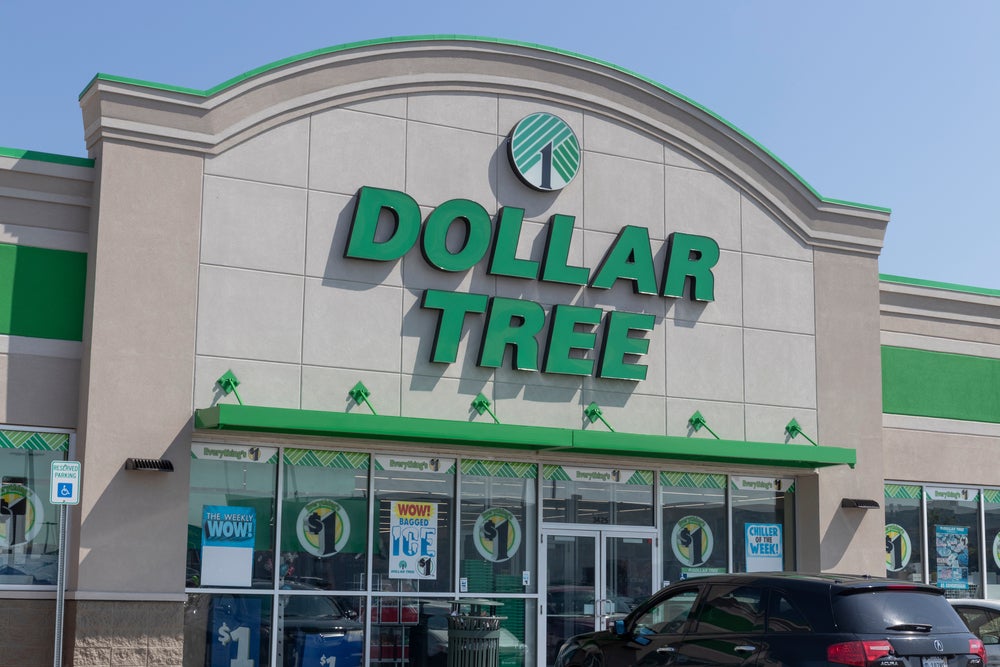
Dollar Tree, Inc. is an operator of retail discount stores operating under the brand names of Dollar Tree and Dollar Tree Canada. The Company operates approximately 9,000 stores across 48 states and the District of Columbia and approximately 275 stores across seven Canadian provinces. Its Dollar Tree segment is an operator of discount variety stores offering merchandise predominantly at the opening price point. The Dollar Tree segment includes its operations under the Dollar Tree and Dollar Tree Canada brands, 16 distribution centers in the United States and two distribution centers in Canada. The merchandise mix in its stores consists of consumable merchandise and discretionary merchandise, including variety merchandise and seasonal goods. Consumable merchandise includes everyday consumables, such as household paper and chemicals, food, candy, health and personal care products, and in most stores, frozen and refrigerated food.
About the author

Emily J. Thompson
Emily J. Thompson, a Chartered Financial Analyst (CFA) with 12 years in investment research, graduated with honors from the Wharton School. Specializing in industrial and technology stocks, she provides in-depth analysis for Intellectia’s earnings and market brief reports.
Analysis of Three Stocks Bearish on Wall Street


- Dollar Tree Sales Decline: Over the past three years, Dollar Tree has experienced an annual sales drop of 11.8%, indicating adverse consumer trends that have led to a shrinking market share and negatively impacted profitability.
- Home Bancshares Growth Struggles: Home Bancshares has only achieved an annual growth rate of 5.6% over the past two years, falling short of typical banking sector performance, which may hinder its future investment appeal.
- SentinelOne's Promising Outlook: SentinelOne has averaged 22.8% annual recurring revenue growth, reflecting strong customer confidence in its AI cybersecurity platform, with projected revenue growth of 19.4% over the next 12 months, indicating a solid growth trajectory.
- Market Reaction Analysis: While Dollar Tree and Home Bancshares face challenges, SentinelOne's robust performance may attract investor interest, suggesting that even in uncertain market conditions, there are potential stocks worth investing in.
See More
Dollar Tree Increases Share Repurchase Authorization to $2.5 Billion
- Repurchase Authorization Boost: Dollar Tree announced an increase in its share repurchase authorization to $2.5 billion, which not only reflects the company's confidence in its long-term growth but also reinforces its commitment to disciplined capital allocation.
- Historical Repurchase Context: Since the initial approval in July 2025, this authorization has no expiration date, allowing the company to repurchase shares in the open market or through private transactions, showcasing its flexible capital management strategy.
- Recent Repurchase Activity: In June 2026, Dollar Tree repurchased $500 million of common stock through a block trade with funds affiliated with Mantle Ridge LP, leaving approximately $700 million remaining under its existing authorization, further boosting market confidence in its stock.
- Positive Market Reaction: In pre-market trading on Nasdaq, Dollar Tree shares rose by 1.30% to $122.72, reflecting investor optimism regarding the company's repurchase plan.
See More

Dollar Tree Increases Share Repurchase Authorization to $2.5 Billion
- Repurchase Authorization Restored: Dollar Tree's board replenishes the company's share repurchase authorization to a total of $2.5 billion, ensuring sufficient funds for future buybacks after recent repurchases, reflecting confidence in the stock's future performance.
- Consistency in Repurchase Plan: The new authorization aligns with the $2.5 billion limit approved in July 2025, indicating the company's stability and continuity in capital management aimed at enhancing shareholder value.
- Recent Buyback Completion: Dollar Tree completed a $500 million stock repurchase in June 2026, further demonstrating the company's proactive approach to managing its capital structure amidst market fluctuations to address potential challenges.
- Stock Price Reaction: Following the announcement, Dollar Tree's stock traded marginally higher, up 1.3% during pre-market hours on Thursday, reflecting a positive market response to the company's repurchase plan, which may boost investor confidence.
See More
Dollar Tree Increases Share Repurchase Authorization to $2.5 Billion
- Repurchase Authorization Replenishment: Dollar Tree's Board has replenished its share repurchase authorization to an aggregate amount of $2.5 billion, consistent with the limit previously approved in July 2025, reflecting the company's confidence in its long-term growth prospects.
- Recent Buyback Activity: The company repurchased $500 million of its common stock in June 2026 as part of a block trade involving funds affiliated with Mantle Ridge LP, leaving approximately $700 million remaining under its existing authorization.
- Commitment to Capital Allocation: CEO Michel C. Creedon, Jr. stated that the replenishment of the repurchase authorization reinforces the company's commitment to disciplined capital allocation while continuing to invest in strategic initiatives that support sustainable growth.
- Market Operation Flexibility: The Board's authorization allows the company to repurchase shares of its common stock at any time under market conditions, with no expiration date on the authorization, enhancing the company's flexibility and responsiveness in capital markets.
See More

Costco Stock Price High but Optimistic Outlook Ahead

- Strong Membership Renewal Rate: Costco boasts a 92.2% renewal rate among its U.S. and Canadian members, which not only reflects customer loyalty but also contributes to a 10.7% increase in membership fee income, reaching $1.37 billion, showcasing its pricing power and profit potential in a competitive retail landscape.
- Analysts Generally Bullish: Wall Street holds an average buy rating on Costco, with a price target 14% above current levels, indicating strong market confidence in its future growth despite the seemingly high stock price, as short-sellers account for only 1.8% of shares, reflecting trust in its continued performance.
- Global Expansion Plans: Costco aims to add over 30 new warehouses annually, particularly accelerating growth in international markets like China, Spain, France, and Canada, indicating a strategic positioning that will enhance market share and revenue streams globally.
- Significant Returns from Tech Investments: Costco's technology upgrades have enabled same-day delivery for members, and AI-driven product pages have generated triple-digit traffic growth, which not only enhances customer experience but also lays a foundation for future business growth, demonstrating the success of its investments in technology.
See More

Biotech Stocks Surge Amid Positive Trials and Earnings


- Biotech Breakthrough: Kymera Therapeutics enrolled in a Phase 2b Broaden2 trial for its KT-621 drug aimed at treating atopic dermatitis, leading to a 17% stock surge, indicating potential market share growth in the therapeutic area.
- BlackBerry Earnings Beat: BlackBerry reported fiscal Q1 adjusted earnings of 4 cents per share on revenue of $152.9 million, exceeding analyst expectations, resulting in a 20% stock increase, reflecting a recovery in its software business and enhanced market confidence.
- Apple Price Hike: Apple announced price increases for MacBooks and iPads, causing its shares to drop nearly 5%, driven by rising memory and storage costs, which may impact consumer purchasing decisions and future sales.
- Hertz Stock Decline: Hertz Global's stock fell over 9% following a 37 million share secondary offering priced at $2.70 per share, with proceeds going to JPMorgan, potentially affecting market liquidity and investor confidence despite Hertz not receiving direct benefits.
See More
Analysis of Three Stocks Bearish on Wall Street
- Dollar Tree Sales Decline: Over the past three years, Dollar Tree has experienced an annual sales drop of 11.8%, indicating adverse consumer trends that have led to a shrinking market share and negatively impacted profitability.
- Home Bancshares Growth Struggles: Home Bancshares has only achieved an annual growth rate of 5.6% over the past two years, falling short of typical banking sector performance, which may hinder its future investment appeal.
- SentinelOne's Promising Outlook: SentinelOne has averaged 22.8% annual recurring revenue growth, reflecting strong customer confidence in its AI cybersecurity platform, with projected revenue growth of 19.4% over the next 12 months, indicating a solid growth trajectory.
- Market Reaction Analysis: While Dollar Tree and Home Bancshares face challenges, SentinelOne's robust performance may attract investor interest, suggesting that even in uncertain market conditions, there are potential stocks worth investing in.
See More
Dollar Tree Increases Share Repurchase Authorization to $2.5 Billion
- Repurchase Authorization Boost: Dollar Tree announced an increase in its share repurchase authorization to $2.5 billion, which not only reflects the company's confidence in its long-term growth but also reinforces its commitment to disciplined capital allocation.
- Historical Repurchase Context: Since the initial approval in July 2025, this authorization has no expiration date, allowing the company to repurchase shares in the open market or through private transactions, showcasing its flexible capital management strategy.
- Recent Repurchase Activity: In June 2026, Dollar Tree repurchased $500 million of common stock through a block trade with funds affiliated with Mantle Ridge LP, leaving approximately $700 million remaining under its existing authorization, further boosting market confidence in its stock.
- Positive Market Reaction: In pre-market trading on Nasdaq, Dollar Tree shares rose by 1.30% to $122.72, reflecting investor optimism regarding the company's repurchase plan.
See More
Dollar Tree Increases Share Repurchase Authorization to $2.5 Billion
- Repurchase Authorization Restored: Dollar Tree's board replenishes the company's share repurchase authorization to a total of $2.5 billion, ensuring sufficient funds for future buybacks after recent repurchases, reflecting confidence in the stock's future performance.
- Consistency in Repurchase Plan: The new authorization aligns with the $2.5 billion limit approved in July 2025, indicating the company's stability and continuity in capital management aimed at enhancing shareholder value.
- Recent Buyback Completion: Dollar Tree completed a $500 million stock repurchase in June 2026, further demonstrating the company's proactive approach to managing its capital structure amidst market fluctuations to address potential challenges.
- Stock Price Reaction: Following the announcement, Dollar Tree's stock traded marginally higher, up 1.3% during pre-market hours on Thursday, reflecting a positive market response to the company's repurchase plan, which may boost investor confidence.
See More
Dollar Tree Increases Share Repurchase Authorization to $2.5 Billion
- Repurchase Authorization Replenishment: Dollar Tree's Board has replenished its share repurchase authorization to an aggregate amount of $2.5 billion, consistent with the limit previously approved in July 2025, reflecting the company's confidence in its long-term growth prospects.
- Recent Buyback Activity: The company repurchased $500 million of its common stock in June 2026 as part of a block trade involving funds affiliated with Mantle Ridge LP, leaving approximately $700 million remaining under its existing authorization.
- Commitment to Capital Allocation: CEO Michel C. Creedon, Jr. stated that the replenishment of the repurchase authorization reinforces the company's commitment to disciplined capital allocation while continuing to invest in strategic initiatives that support sustainable growth.
- Market Operation Flexibility: The Board's authorization allows the company to repurchase shares of its common stock at any time under market conditions, with no expiration date on the authorization, enhancing the company's flexibility and responsiveness in capital markets.
See More
Costco Stock Price High but Optimistic Outlook Ahead
- Strong Membership Renewal Rate: Costco boasts a 92.2% renewal rate among its U.S. and Canadian members, which not only reflects customer loyalty but also contributes to a 10.7% increase in membership fee income, reaching $1.37 billion, showcasing its pricing power and profit potential in a competitive retail landscape.
- Analysts Generally Bullish: Wall Street holds an average buy rating on Costco, with a price target 14% above current levels, indicating strong market confidence in its future growth despite the seemingly high stock price, as short-sellers account for only 1.8% of shares, reflecting trust in its continued performance.
- Global Expansion Plans: Costco aims to add over 30 new warehouses annually, particularly accelerating growth in international markets like China, Spain, France, and Canada, indicating a strategic positioning that will enhance market share and revenue streams globally.
- Significant Returns from Tech Investments: Costco's technology upgrades have enabled same-day delivery for members, and AI-driven product pages have generated triple-digit traffic growth, which not only enhances customer experience but also lays a foundation for future business growth, demonstrating the success of its investments in technology.
See More
Biotech Stocks Surge Amid Positive Trials and Earnings
- Biotech Breakthrough: Kymera Therapeutics enrolled in a Phase 2b Broaden2 trial for its KT-621 drug aimed at treating atopic dermatitis, leading to a 17% stock surge, indicating potential market share growth in the therapeutic area.
- BlackBerry Earnings Beat: BlackBerry reported fiscal Q1 adjusted earnings of 4 cents per share on revenue of $152.9 million, exceeding analyst expectations, resulting in a 20% stock increase, reflecting a recovery in its software business and enhanced market confidence.
- Apple Price Hike: Apple announced price increases for MacBooks and iPads, causing its shares to drop nearly 5%, driven by rising memory and storage costs, which may impact consumer purchasing decisions and future sales.
- Hertz Stock Decline: Hertz Global's stock fell over 9% following a 37 million share secondary offering priced at $2.70 per share, with proceeds going to JPMorgan, potentially affecting market liquidity and investor confidence despite Hertz not receiving direct benefits.
See More





