Qatar LNG Production Halt Drives Surge in Thermal Coal Prices
Written by Emily J. Thompson, Senior Investment Analyst
Updated: Mar 03 2026
0mins

Source: seekingalpha
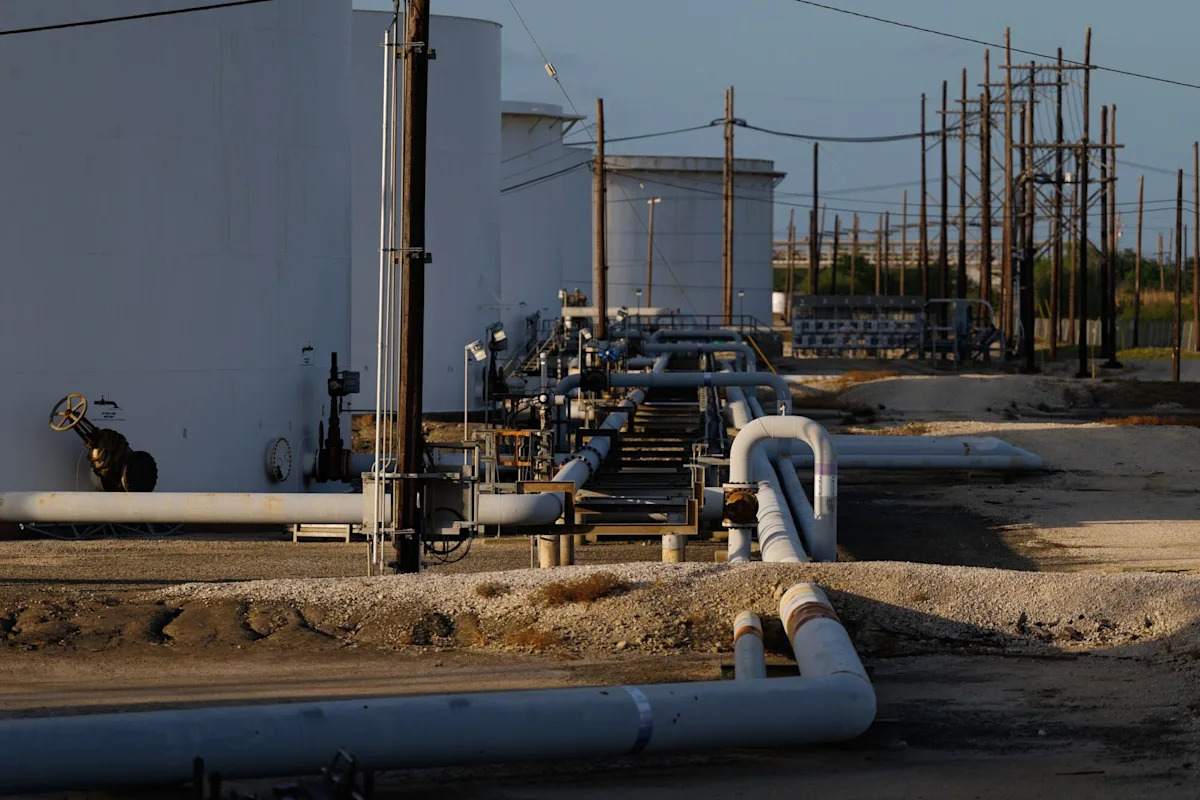
- Coal Price Surge: Thermal coal prices have jumped significantly due to Qatar's suspension of production at the world's largest LNG export hub following an Iranian drone strike, with Newcastle coal futures rising 8.6% to $128.70/ton, marking the highest price since December 2024.
- Supply Chain Strain: Qatar's Ras Laffan complex accounts for approximately 20% of global LNG supply and has never gone fully offline in its 30-year history, leading to urgent fuel-switching needs across the electricity sector as natural gas markets are severely impacted by the ongoing conflict in Iran.
- Increased Fuel Substitution: Countries like Pakistan, which relies almost entirely on Qatari LNG, along with India and Bangladesh, are likely to substitute coal for natural gas in their power plants as costs soar due to the war, highlighting the shift in energy sourcing strategies.
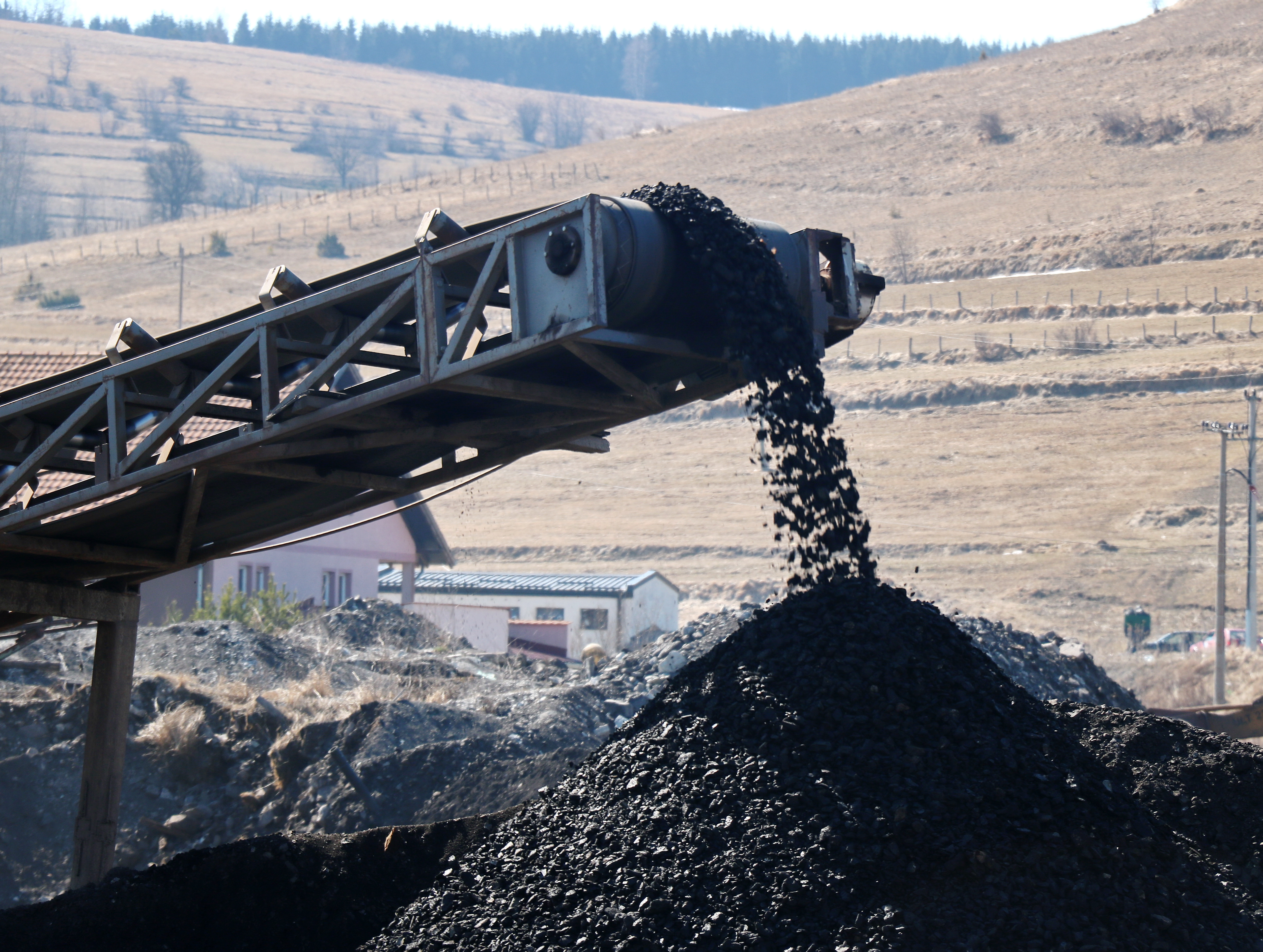
- Reliability of Coal: Despite its severe pollution issues, coal's reliability is viewed as a significant advantage in the current energy crisis, as it can be stored on-site in sufficient quantities to last for weeks or months, ensuring a stable power supply amidst fluctuating renewable energy availability.
Trade with 70% Backtested Accuracy
Stop guessing "Should I Buy BTU?" and start using high-conviction signals backed by rigorous historical data.
Sign up today to access powerful investing tools and make smarter, data-driven decisions.
Analyst Views on BTU
Wall Street analysts forecast BTU stock price to rise
3 Analyst Rating
2 Buy
1 Hold
0 Sell
Moderate Buy
Current: 25.720

Low
29.00
Averages
31.67
High
34.00
Current: 25.720
Low
29.00
Averages
31.67
High
34.00
About BTU
Peabody Energy Corporation is a coal producer, providing essential products for the production of reliable energy and steel. The Company owns interests in coal mining operations located in the United States and Australia, including interests in Middlemount Coal Pty Ltd. The Company engages in the direct and brokered trading of coal and freight-related contracts. Its segments include Seaborne Thermal, Seaborne Metallurgical, Powder River Basin, Other U.S. Thermal, and Corporate and Other. The Seaborne Thermal operations consist of mines in New South Wales, Australia. The mines in that segment utilize both surface and underground extraction processes to mine low-sulfur, high Btu thermal coal. The Seaborne Metallurgical operations consist of mines in Queensland, Australia, one in New South Wales, Australia and one in Alabama, the United States. The Company owns the southern portion of the Wards Well tenement.
About the author

Emily J. Thompson
Emily J. Thompson, a Chartered Financial Analyst (CFA) with 12 years in investment research, graduated with honors from the Wharton School. Specializing in industrial and technology stocks, she provides in-depth analysis for Intellectia’s earnings and market brief reports.

Peabody Energy Corp RSI Analysis Indicates Potential Buy Opportunity

- RSI Indicator Insight: Peabody Energy Corp's RSI stands at 29.9, significantly lower than the average RSI of 53.7 for metals and mining stocks, indicating potential oversold conditions and suggesting investors may look for buying opportunities.
- Price Range Analysis: With a 52-week low of $11.90 and a high of $41.1399, the current trading price of $25.63 suggests substantial rebound potential near this level, attracting investor interest.
- Market Performance: Although Peabody Energy shares are down approximately 4.8% today, the low RSI may indicate that recent selling pressure is waning, prompting investors to consider entry points at this juncture.
- Investor Sentiment: Bullish investors might interpret BTU's RSI of 29.9 as a signal of recovering confidence, anticipating a potential buying wave that could drive the stock price higher.
See More

Analyst Cuts Peabody Price Target Amidst Market Headwinds
- Price Target Reduction: Analyst Katja Janic from BMO Capital has lowered Peabody's price target from $44 to $40 while maintaining an outperform rating, indicating a cautious outlook on the coal sector's performance.
- Stock Price Decline: Peabody's shares fell nearly 9% on Thursday as investors expressed impatience over the lack of positive news from the company, reflecting growing concerns about its future performance.
- Sales Volume Shortfall: The company revealed in a regulatory filing at the end of March that first-quarter sales volume from its Centurion mine in Australia is expected to be around 250,000 tons, significantly below initial projections, which has shaken investor confidence.
- Uncertain Industry Outlook: While rising commodity prices may boost earnings for other mining stocks, Peabody's challenges contribute to a more uncertain outlook for the coal industry as a whole.
See More

Coal Industry Faces Multiple Challenges Amid Declining Demand

- Declining Coal Demand: The EIA projects U.S. coal production will fall to 513.9 million short tons in 2026, down from 533 million in 2025, reflecting a trend of increasing renewable energy use and the systematic retirement of coal-fired power plants, posing long-term challenges for the coal industry.
- Impact of Environmental Policies: The U.S. Sustainability Plan aims for 100% carbon-free electricity by 2030, with coal consumption expected to decline by 7.4% and 2.9% in 2026 and 2027 respectively, further compressing market demand and forcing coal companies to restructure.
- Low Industry Ranking: The Zacks coal industry ranks 236 out of 243 industries, placing it in the bottom 3%, indicating a lack of confidence in the sector's earnings growth potential, with 2026 earnings estimates revised down by 54.7% to $2.46 per share.
- Increased Competition: As the costs of cleaner energy sources like natural gas, solar, and wind decline, coal-fired generation faces mounting competitive pressure, prompting utilities to adjust their generation portfolios to lower operating costs and comply with stricter emissions standards, leading to a sustained decline in coal demand.
See More
Peabody Energy Lowers Sales Volume Expectations
- Sales Volume Revision: Peabody Energy (BTU) anticipates Q1 sales volume from its Centurion mine in Australia to be around 250K tons, significantly lower than the previous forecast of 700K tons, primarily due to unexpected challenges in mine commissioning, which could negatively impact short-term performance.
- Long-Term Targets Unchanged: Despite the sales revision, Peabody maintains its FY 2026 metallurgical coal volume target of 10.3M to 11.3M tons, indicating confidence in long-term growth, which may help stabilize investor sentiment amidst current challenges.
- Analyst Rating Maintained: Jefferies analysts have kept a Buy rating on Peabody (BTU), citing high seaborne thermal coal prices as a potential offset to the shipment delay's impact, although this issue may continue to weigh on the stock in the short term, reflecting a market reassessment of coal demand.
- Changing Market Dynamics: Rising oil and gas prices due to the Middle East conflict have renewed focus on thermal coal demand, with Newcastle coal futures closing at $144.25/ton on Monday, the highest since November 2024, suggesting potential new investment opportunities in the coal sector.
See More

Peabody Energy Lowers Q1 Production Outlook
- Production Outlook Cut: Peabody expects Q1 coal output to reach around 250,000 tons, a reduction due to commissioning challenges and equipment issues, which are anticipated to negatively impact near-term performance.
- Long-term Volume Guidance Maintained: Despite short-term setbacks, Peabody maintains its 2026 metallurgical coal volume guidance of 10.3 to 11.3 million tons, indicating confidence in its long-term production capabilities.
- Price Target Adjustment: Jefferies has lowered its price target on Peabody's stock from $44 to $43 while reiterating a 'Buy' rating, reflecting cautious expectations regarding the ramp-up at the Centurion Mine.
- Positive Market Sentiment: Despite a nearly 10% drop in share price, retail sentiment on Stocktwits shifted to 'bullish', indicating optimism about potential coal demand increases, particularly in light of geopolitical tensions affecting LNG supply.
See More

U.S. Plans Ground Operations Against Iran Amid Market Turmoil


- War Plans Impact: The U.S. is reportedly planning ground operations against Iran, which could heighten market uncertainty and exacerbate investor concerns about future geopolitical stability.
- Market Decline: The U.S. stock market has fallen to six-month lows, reflecting panic among investors regarding rising geopolitical tensions, potentially leading to further capital outflows from equities.
- Surging Oil Prices: With the escalation of war risks, oil prices have surged to $100 per barrel, increasing inflationary pressures on the global economy and potentially impacting consumer spending and corporate profits.
- Tesla Delivery Pressure: In this unstable market environment, Tesla faces increased delivery pressures, and investor expectations for its future performance may be adversely affected, especially as high oil prices could challenge electric vehicle demand.
See More
Peabody Energy Corp RSI Analysis Indicates Potential Buy Opportunity
- RSI Indicator Insight: Peabody Energy Corp's RSI stands at 29.9, significantly lower than the average RSI of 53.7 for metals and mining stocks, indicating potential oversold conditions and suggesting investors may look for buying opportunities.
- Price Range Analysis: With a 52-week low of $11.90 and a high of $41.1399, the current trading price of $25.63 suggests substantial rebound potential near this level, attracting investor interest.
- Market Performance: Although Peabody Energy shares are down approximately 4.8% today, the low RSI may indicate that recent selling pressure is waning, prompting investors to consider entry points at this juncture.
- Investor Sentiment: Bullish investors might interpret BTU's RSI of 29.9 as a signal of recovering confidence, anticipating a potential buying wave that could drive the stock price higher.
See More
Analyst Cuts Peabody Price Target Amidst Market Headwinds
- Price Target Reduction: Analyst Katja Janic from BMO Capital has lowered Peabody's price target from $44 to $40 while maintaining an outperform rating, indicating a cautious outlook on the coal sector's performance.
- Stock Price Decline: Peabody's shares fell nearly 9% on Thursday as investors expressed impatience over the lack of positive news from the company, reflecting growing concerns about its future performance.
- Sales Volume Shortfall: The company revealed in a regulatory filing at the end of March that first-quarter sales volume from its Centurion mine in Australia is expected to be around 250,000 tons, significantly below initial projections, which has shaken investor confidence.
- Uncertain Industry Outlook: While rising commodity prices may boost earnings for other mining stocks, Peabody's challenges contribute to a more uncertain outlook for the coal industry as a whole.
See More
Coal Industry Faces Multiple Challenges Amid Declining Demand
- Declining Coal Demand: The EIA projects U.S. coal production will fall to 513.9 million short tons in 2026, down from 533 million in 2025, reflecting a trend of increasing renewable energy use and the systematic retirement of coal-fired power plants, posing long-term challenges for the coal industry.
- Impact of Environmental Policies: The U.S. Sustainability Plan aims for 100% carbon-free electricity by 2030, with coal consumption expected to decline by 7.4% and 2.9% in 2026 and 2027 respectively, further compressing market demand and forcing coal companies to restructure.
- Low Industry Ranking: The Zacks coal industry ranks 236 out of 243 industries, placing it in the bottom 3%, indicating a lack of confidence in the sector's earnings growth potential, with 2026 earnings estimates revised down by 54.7% to $2.46 per share.
- Increased Competition: As the costs of cleaner energy sources like natural gas, solar, and wind decline, coal-fired generation faces mounting competitive pressure, prompting utilities to adjust their generation portfolios to lower operating costs and comply with stricter emissions standards, leading to a sustained decline in coal demand.
See More
Peabody Energy Lowers Sales Volume Expectations
- Sales Volume Revision: Peabody Energy (BTU) anticipates Q1 sales volume from its Centurion mine in Australia to be around 250K tons, significantly lower than the previous forecast of 700K tons, primarily due to unexpected challenges in mine commissioning, which could negatively impact short-term performance.
- Long-Term Targets Unchanged: Despite the sales revision, Peabody maintains its FY 2026 metallurgical coal volume target of 10.3M to 11.3M tons, indicating confidence in long-term growth, which may help stabilize investor sentiment amidst current challenges.
- Analyst Rating Maintained: Jefferies analysts have kept a Buy rating on Peabody (BTU), citing high seaborne thermal coal prices as a potential offset to the shipment delay's impact, although this issue may continue to weigh on the stock in the short term, reflecting a market reassessment of coal demand.
- Changing Market Dynamics: Rising oil and gas prices due to the Middle East conflict have renewed focus on thermal coal demand, with Newcastle coal futures closing at $144.25/ton on Monday, the highest since November 2024, suggesting potential new investment opportunities in the coal sector.
See More
Peabody Energy Lowers Q1 Production Outlook
- Production Outlook Cut: Peabody expects Q1 coal output to reach around 250,000 tons, a reduction due to commissioning challenges and equipment issues, which are anticipated to negatively impact near-term performance.
- Long-term Volume Guidance Maintained: Despite short-term setbacks, Peabody maintains its 2026 metallurgical coal volume guidance of 10.3 to 11.3 million tons, indicating confidence in its long-term production capabilities.
- Price Target Adjustment: Jefferies has lowered its price target on Peabody's stock from $44 to $43 while reiterating a 'Buy' rating, reflecting cautious expectations regarding the ramp-up at the Centurion Mine.
- Positive Market Sentiment: Despite a nearly 10% drop in share price, retail sentiment on Stocktwits shifted to 'bullish', indicating optimism about potential coal demand increases, particularly in light of geopolitical tensions affecting LNG supply.
See More
U.S. Plans Ground Operations Against Iran Amid Market Turmoil
- War Plans Impact: The U.S. is reportedly planning ground operations against Iran, which could heighten market uncertainty and exacerbate investor concerns about future geopolitical stability.
- Market Decline: The U.S. stock market has fallen to six-month lows, reflecting panic among investors regarding rising geopolitical tensions, potentially leading to further capital outflows from equities.
- Surging Oil Prices: With the escalation of war risks, oil prices have surged to $100 per barrel, increasing inflationary pressures on the global economy and potentially impacting consumer spending and corporate profits.
- Tesla Delivery Pressure: In this unstable market environment, Tesla faces increased delivery pressures, and investor expectations for its future performance may be adversely affected, especially as high oil prices could challenge electric vehicle demand.
See More