Principal Financial Group to Announce Q4 Earnings on February 9
Written by Emily J. Thompson, Senior Investment Analyst
Updated: Feb 08 2026
0mins
Should l Buy PFG?
Source: seekingalpha
- Earnings Announcement Date: Principal Financial Group is set to release its Q4 2023 earnings on February 9 after market close, with a consensus EPS estimate of $2.22, reflecting a 5.7% year-over-year growth, which could positively influence the stock price.
- Performance Expectations: Over the past two years, PFG has beaten EPS estimates 50% of the time but has never exceeded revenue expectations, indicating a level of uncertainty in profitability that may affect investor confidence.
- Estimate Revision Dynamics: In the last three months, EPS estimates have seen six upward revisions and two downward adjustments, while revenue estimates experienced one upward and one downward revision, reflecting mixed market sentiments regarding the company's future performance that could impact shareholder decisions.
- Buyback Program Impact: Principal Financial Group's share buyback initiatives are driving shareholder value growth; although the company has not met revenue expectations, these buybacks may enhance EPS, thereby bolstering market confidence in the firm.
Trade with 70% Backtested Accuracy
Stop guessing "Should I Buy PFG?" and start using high-conviction signals backed by rigorous historical data.
Sign up today to access powerful investing tools and make smarter, data-driven decisions.
Analyst Views on PFG
Wall Street analysts forecast PFG stock price to rise
9 Analyst Rating
1 Buy
6 Hold
2 Sell
Hold
Current: 88.230

Low
74.00
Averages
91.33
High
103.00
Current: 88.230
Low
74.00
Averages
91.33
High
103.00
About PFG
Principal Financial Group, Inc. is a global financial company. The Company offers businesses, individuals, and institutional clients a range of financial products and services, including retirement, asset management and insurance, through its diverse family of financial services companies. The Company's segments include Retirement and Income Solutions, Principal Asset Management, and Benefits and Protection. The Retirement and Income Solutions segment offers workplace savings and retirement solutions, banking, trust and custodial services, individual variable annuities, and pension risk transfer, among others. The Principal Asset Management segment provides global investment solutions to institutional, retirement, retail, and high-net worth investors. The Benefits and Protection segment is organized into Specialty Benefits, which provides group dental, group life insurance, group disability insurance, supplemental health products, and individual disability and life insurance.
About the author

Emily J. Thompson
Emily J. Thompson, a Chartered Financial Analyst (CFA) with 12 years in investment research, graduated with honors from the Wharton School. Specializing in industrial and technology stocks, she provides in-depth analysis for Intellectia’s earnings and market brief reports.

Retirement Investor Protection Rule Struck Down Again

- Rule Repeal Impact: The U.S. court has struck down the fiduciary rule aimed at enhancing retirement investor protections for the second time, which may lead to retirement investors receiving investment advice that does not serve their best interests, thereby increasing market confusion and uncertainty.
- Historical Repetition: This event mirrors the previous repeal of a similar rule during the Obama administration, highlighting the financial industry's resistance to regulatory measures through legal challenges, potentially exposing investors to lower protection standards.
- Investment Decision Risks: Recent data shows that approximately 6 million individuals rolled nearly $700 billion into IRAs in 2022, and the absence of fiduciary rules may diminish the quality of advice surrounding these significant financial decisions, increasing risks for investors.
- Industry Reaction: The insurance industry welcomed this ruling as a victory for consumers, arguing that the Biden-era rule exceeded the Department's authority, indicating that future investors must be more cautious in selecting advisors to ensure they receive transparent and interest-aligned advice.
See More
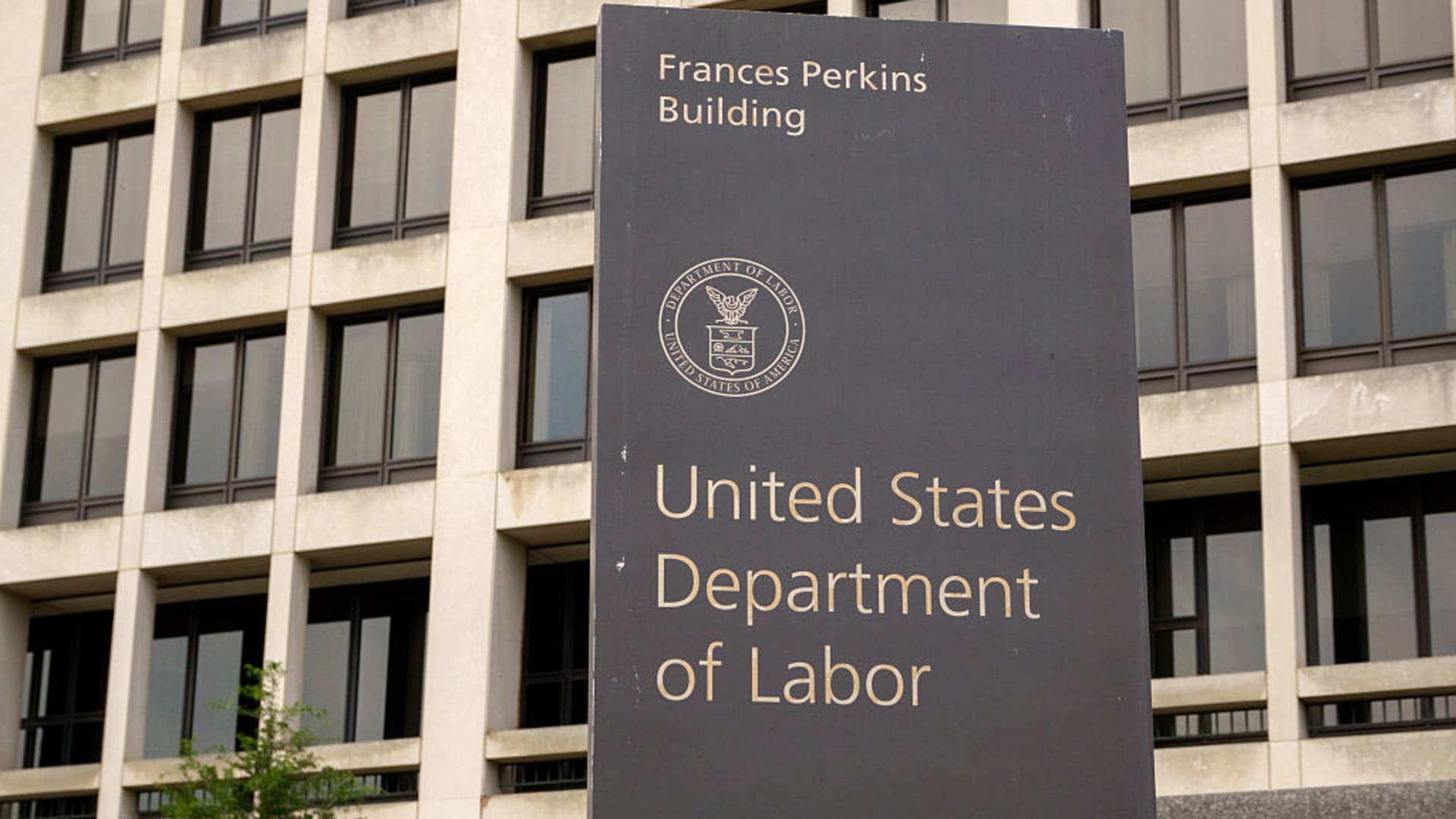
Labor Department Proposes Easing 401(k) Alternative Asset Rules

- Proposed Regulation: The U.S. Labor Department has proposed allowing 401(k) plans to more easily include alternative assets such as cryptocurrencies and real estate, responding to President Trump's executive order aimed at enhancing asset diversification for retirement investors, potentially leading to higher returns.
- Safe Harbor Provision: The new rule establishes a 'safe harbor' to protect plan sponsors from litigation risks and outlines six factors to consider when selecting alternative investments, including performance, fees, and liquidity, which may encourage more 401(k) plans to adopt alternative assets.
- Investor Concerns: While the new rule could yield higher returns, some financial advisors express concerns that average 401(k) investors may lack the necessary knowledge and experience to manage these more complex investments, potentially leading to increased risks and costs.
- Policy Context: This proposal is set against the backdrop of the Trump administration's push for broader access to non-traditional asset classes, aiming to counter the cautious stance taken during the Biden administration regarding cryptocurrency investments, reflecting a shift towards greater flexibility and choice for retirement investors.
See More

Bonaccord Capital Partners Reveals Minority Stake Acquisition in Prime Finance


- Investment Announcement: Bonaccord Capital Partners has announced a minority investment in Prime Finance.
- Strategic Partnership: This investment aims to enhance Prime Finance's growth and operational capabilities.
See More

Principal Financial Group Recognized as One of the 2026 World's Most Ethical Companies
- Ethical Leadership Recognition: Principal Financial Group has been honored as one of the 2026 World's Most Ethical Companies, marking the 15th time it has received this accolade, which underscores its ongoing commitment to ethics and compliance, thereby enhancing its competitive edge in the financial sector.
- Employee Culture Building: CEO Deanna Stable stated that this recognition belongs to the employees' daily efforts, emphasizing the core role of ethics and integrity in the company's culture, which boosts employee morale and fosters customer trust.
- Transparent Assessment Standards: Ethisphere's assessment is grounded in over 240 documented proof points covering corporate governance, compliance programs, and measurement of ethical culture, ensuring fairness and transparency in the selection process, further solidifying Principal's market position.
- Global Impact: As one of 138 recognized companies, Principal stands out across 19 countries and 41 industries, demonstrating its ability to promote ethical business practices globally, which enhances its brand image and market trust.
See More

Challenges in Transferring Small 401(k) Accounts

- Transfer Issues for Small Accounts: Small 401(k) accounts face transfer challenges when employees change jobs, particularly as Roth accounts cannot be automatically transferred to new 401(k) plans, leaving approximately 31.9 million 401(k) accounts totaling $2.1 trillion stranded with former employers, which negatively impacts workers' retirement savings.
- Establishment of Auto-Transfer Network: Since late 2023, the Portability Services Network has collaborated with major 401(k) administrators to utilize technology that periodically checks if IRA owners are now in a retirement plan at a new employer, successfully transferring 31,216 IRA accounts into new 401(k) plans.
- Legislative Change Needed: To address the issue of Roth IRAs not being transferable to 401(k)s, Congress has introduced the Retirement Rollover Flexibility Act, which, if passed, would allow up to $7,000 of Roth IRA funds to be rolled into 401(k)s, providing greater flexibility and clarity for retirement savers.
- Market Participation Status: Currently, about 21,400 401(k) plans are enrolled in the network, representing 6.5 million participants, and once all participants fully implement auto-portability, it will account for 63% of the market, aiding in the simplification of retirement savings management.
See More
U.S. Businesses Ready for Strategic Investments as Staffing Stabilizes
- Confidence Rebound: The latest Principal Financial Well-Being Index shows a slight increase in business leaders' sentiment to 6.65 in January 2026 from 6.5 in October 2025, with larger firms (56%) more optimistic about the economic outlook than small to midsized businesses (44%), which may drive future investment decisions.
- Hiring and Retention Focus: With 92% of employers either maintaining or increasing staffing between October and December 2025, including 47% who are hiring more, businesses are in a 'low-hire, low-fire' equilibrium, emphasizing the retention of specialized talent to meet future market demands.
- Technology Modernization Priority: A significant 81% of businesses plan technology upgrades in 2026, with 54% focusing on software and 45% on AI, while 42% of employers expect to borrow funds to support these investments, indicating a strong urgency to enhance operational efficiency.
- Realistic Borrowing Environment: While interest rates remain a concern, businesses show a willingness to invest in key initiatives even at rates as high as 12%, suggesting that urgency in growth strategies outweighs the cost of borrowing, reflecting a proactive approach to future development.
See More
Retirement Investor Protection Rule Struck Down Again
- Rule Repeal Impact: The U.S. court has struck down the fiduciary rule aimed at enhancing retirement investor protections for the second time, which may lead to retirement investors receiving investment advice that does not serve their best interests, thereby increasing market confusion and uncertainty.
- Historical Repetition: This event mirrors the previous repeal of a similar rule during the Obama administration, highlighting the financial industry's resistance to regulatory measures through legal challenges, potentially exposing investors to lower protection standards.
- Investment Decision Risks: Recent data shows that approximately 6 million individuals rolled nearly $700 billion into IRAs in 2022, and the absence of fiduciary rules may diminish the quality of advice surrounding these significant financial decisions, increasing risks for investors.
- Industry Reaction: The insurance industry welcomed this ruling as a victory for consumers, arguing that the Biden-era rule exceeded the Department's authority, indicating that future investors must be more cautious in selecting advisors to ensure they receive transparent and interest-aligned advice.
See More
Labor Department Proposes Easing 401(k) Alternative Asset Rules
- Proposed Regulation: The U.S. Labor Department has proposed allowing 401(k) plans to more easily include alternative assets such as cryptocurrencies and real estate, responding to President Trump's executive order aimed at enhancing asset diversification for retirement investors, potentially leading to higher returns.
- Safe Harbor Provision: The new rule establishes a 'safe harbor' to protect plan sponsors from litigation risks and outlines six factors to consider when selecting alternative investments, including performance, fees, and liquidity, which may encourage more 401(k) plans to adopt alternative assets.
- Investor Concerns: While the new rule could yield higher returns, some financial advisors express concerns that average 401(k) investors may lack the necessary knowledge and experience to manage these more complex investments, potentially leading to increased risks and costs.
- Policy Context: This proposal is set against the backdrop of the Trump administration's push for broader access to non-traditional asset classes, aiming to counter the cautious stance taken during the Biden administration regarding cryptocurrency investments, reflecting a shift towards greater flexibility and choice for retirement investors.
See More
Bonaccord Capital Partners Reveals Minority Stake Acquisition in Prime Finance
- Investment Announcement: Bonaccord Capital Partners has announced a minority investment in Prime Finance.
- Strategic Partnership: This investment aims to enhance Prime Finance's growth and operational capabilities.
See More
Principal Financial Group Recognized as One of the 2026 World's Most Ethical Companies
- Ethical Leadership Recognition: Principal Financial Group has been honored as one of the 2026 World's Most Ethical Companies, marking the 15th time it has received this accolade, which underscores its ongoing commitment to ethics and compliance, thereby enhancing its competitive edge in the financial sector.
- Employee Culture Building: CEO Deanna Stable stated that this recognition belongs to the employees' daily efforts, emphasizing the core role of ethics and integrity in the company's culture, which boosts employee morale and fosters customer trust.
- Transparent Assessment Standards: Ethisphere's assessment is grounded in over 240 documented proof points covering corporate governance, compliance programs, and measurement of ethical culture, ensuring fairness and transparency in the selection process, further solidifying Principal's market position.
- Global Impact: As one of 138 recognized companies, Principal stands out across 19 countries and 41 industries, demonstrating its ability to promote ethical business practices globally, which enhances its brand image and market trust.
See More
Challenges in Transferring Small 401(k) Accounts
- Transfer Issues for Small Accounts: Small 401(k) accounts face transfer challenges when employees change jobs, particularly as Roth accounts cannot be automatically transferred to new 401(k) plans, leaving approximately 31.9 million 401(k) accounts totaling $2.1 trillion stranded with former employers, which negatively impacts workers' retirement savings.
- Establishment of Auto-Transfer Network: Since late 2023, the Portability Services Network has collaborated with major 401(k) administrators to utilize technology that periodically checks if IRA owners are now in a retirement plan at a new employer, successfully transferring 31,216 IRA accounts into new 401(k) plans.
- Legislative Change Needed: To address the issue of Roth IRAs not being transferable to 401(k)s, Congress has introduced the Retirement Rollover Flexibility Act, which, if passed, would allow up to $7,000 of Roth IRA funds to be rolled into 401(k)s, providing greater flexibility and clarity for retirement savers.
- Market Participation Status: Currently, about 21,400 401(k) plans are enrolled in the network, representing 6.5 million participants, and once all participants fully implement auto-portability, it will account for 63% of the market, aiding in the simplification of retirement savings management.
See More
U.S. Businesses Ready for Strategic Investments as Staffing Stabilizes
- Confidence Rebound: The latest Principal Financial Well-Being Index shows a slight increase in business leaders' sentiment to 6.65 in January 2026 from 6.5 in October 2025, with larger firms (56%) more optimistic about the economic outlook than small to midsized businesses (44%), which may drive future investment decisions.
- Hiring and Retention Focus: With 92% of employers either maintaining or increasing staffing between October and December 2025, including 47% who are hiring more, businesses are in a 'low-hire, low-fire' equilibrium, emphasizing the retention of specialized talent to meet future market demands.
- Technology Modernization Priority: A significant 81% of businesses plan technology upgrades in 2026, with 54% focusing on software and 45% on AI, while 42% of employers expect to borrow funds to support these investments, indicating a strong urgency to enhance operational efficiency.
- Realistic Borrowing Environment: While interest rates remain a concern, businesses show a willingness to invest in key initiatives even at rates as high as 12%, suggesting that urgency in growth strategies outweighs the cost of borrowing, reflecting a proactive approach to future development.
See More