Powell's Warning on Stock Valuations Remains Relevant Over Six Months Later
Written by Emily J. Thompson, Senior Investment Analyst
Updated: 5 days ago
0mins

Should l Buy NVDA?
Source: Yahoo Finance
- Valuation Warning: Powell's September 2025 remark that 'equity prices are fairly highly valued' coincided with the S&P 500, Nasdaq, and Dow reaching psychologically significant highs, indicating heightened valuation risks in the market.
- Historical Data Insight: The Shiller P/E ratio for the S&P 500 has averaged 17.35 over 155 years, while currently exceeding 40, marking the second-highest valuation in history, which could foreshadow significant declines ahead.
- Downside Risk: Historically, every time the Shiller P/E surpassed 30 during a bull market, it was followed by declines of 20% to 89%, with the current situation mirroring past instances during the dot-com bubble and early 2022, suggesting potential for similar market crashes.
- Caution for Investors: Although Powell's tenure as Fed chair is nearing its end, his warnings about stock valuations remain pertinent, urging investors to exercise caution when considering investments in the S&P 500 index amidst the current high valuation landscape.
Trade with 70% Backtested Accuracy
Stop guessing "Should I Buy NVDA?" and start using high-conviction signals backed by rigorous historical data.
Sign up today to access powerful investing tools and make smarter, data-driven decisions.
Analyst Views on NVDA
Wall Street analysts forecast NVDA stock price to rise
41 Analyst Rating
39 Buy
1 Hold
1 Sell
Strong Buy
Current: 196.510

Low
200.00
Averages
264.97
High
352.00
Current: 196.510
Low
200.00
Averages
264.97
High
352.00
About NVDA
NVIDIA Corporation is an artificial intelligence (AI) infrastructure company. The Company is engaged in accelerated computing to help solve the challenging computational problems. Its segments include Compute & Networking and Graphics. The Compute & Networking segment includes its Data Center accelerated computing and networking platforms and AI solutions and software, and automotive platforms and autonomous and electric vehicle solutions, including software. The Graphics segment includes GeForce GPUs for gaming and personal computers (PCs), and Quadro/NVIDIA RTX GPUs for enterprise workstation graphics. Its technology stack includes the foundational NVIDIA CUDA development platform that runs on all NVIDIA GPUs, as well as hundreds of domain-specific software libraries, frameworks, algorithms, software development kits (SDKs), and application programming interfaces (APIs). Its platforms address four markets, which include Data Center, Gaming, Professional Visualization, and Automotive.
About the author

Emily J. Thompson
Emily J. Thompson, a Chartered Financial Analyst (CFA) with 12 years in investment research, graduated with honors from the Wharton School. Specializing in industrial and technology stocks, she provides in-depth analysis for Intellectia’s earnings and market brief reports.
Nvidia Stock Soars 1100% Amid AI Boom with Strong Growth Projections

- AI Market Potential: 2023 marks the unofficial start of the AI boom, with Nvidia's stock soaring over 1,100% since then, and projections indicate continued AI spending growth, leaving ample room for further stock appreciation before a potential slowdown in 2030.
- Insatiable GPU Demand: Nvidia's graphics processing units (GPUs) are in high demand, having expanded from gaming to applications in engineering simulations, drug discovery, and cryptocurrency mining, with AI being the largest use case yet to reach peak demand.
- Strong Capital Expenditure Outlook: Nvidia anticipates global data center capital expenditures could rise to $3 trillion to $4 trillion by 2030, representing significant growth potential, positioning Nvidia as a primary beneficiary in this expanding market.
- Impressive Financial Performance: Nvidia achieved a remarkable 73% growth in the last quarter, with revenue projections of 79% and 85% growth for the next two quarters, and despite a seemingly high P/E ratio, the stock is viewed as a bargain considering its future growth potential.
See More
Senator Warren Raises Concerns Over Nvidia's Acquisition of SchedMD
- Acquisition Risk Alert: Senator Warren expressed concerns in a letter to the Defense and Energy Secretaries that Nvidia's acquisition of SchedMD could pose national security risks, particularly due to the Department of Energy and Department of Defense's reliance on SchedMD's workload management software, Slurm.
- Software Dependency Issues: Slurm is recognized as the top software used globally in aerospace and defense, and Nvidia's acquisition transforms this once open-source software into a proprietary product, potentially reducing competition and impacting the operation of government supercomputers.
- Government Dependency Inquiry: Senator Warren requested information on which DOE and DOD systems rely on Nvidia's software or hardware, with a deadline for responses set for May 5, highlighting concerns over the extent of government dependency on Nvidia.
- Nvidia's Response: An Nvidia spokesperson stated that Slurm will continue to be developed and distributed as open-source software, emphasizing their commitment to openness and ongoing enhancements for customers, despite the acquisition raising competition concerns.
See More
TSMC Reports Strong AI Demand Driving Financial Performance


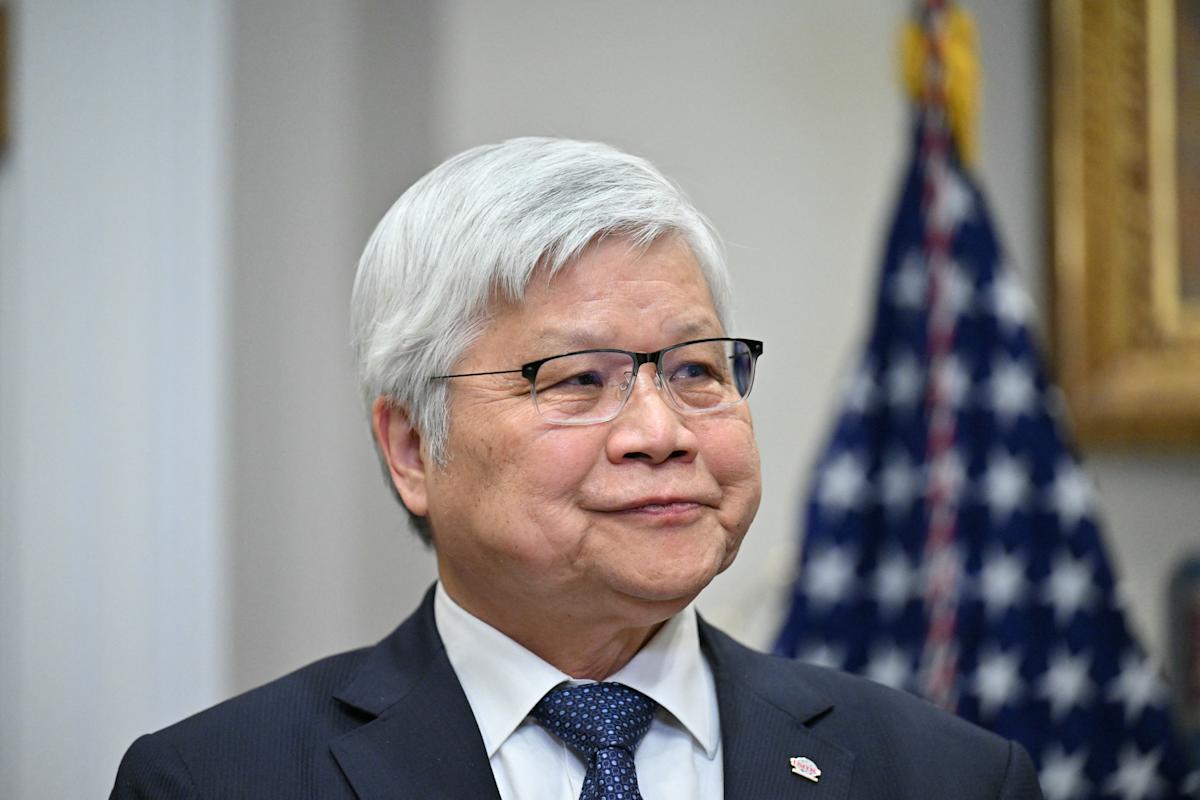
- Robust AI Demand: TSMC CEO C.C. Wei highlighted during the analyst call that AI-related demand remains extremely strong, driving the need for advanced silicon and indicating that the company will benefit from this trend in the coming years.
- Impressive Financial Performance: The company reported a record net profit of NT$572.5 billion (approximately $18.15 billion) for Q1, reflecting a 58.3% year-over-year increase, with revenue surging 35% to $35.9 billion, showcasing insatiable global demand for AI infrastructure.
- Significant Margin Expansion: Despite rising memory chip prices, TSMC's gross profit margin expanded to 66.2%, significantly exceeding company guidance, demonstrating strong pricing power and cost control in the market.
- Capital Expenditure Plans: Wei indicated that TSMC is leaning towards the high end of its $56 billion capital expenditure budget to support customers' AI infrastructure buildouts, further solidifying its market leadership.
See More

Jensen Huang Highlights Nvidia's Full-Stack AI Ecosystem Advantage

- Strong Market Demand: Despite Big Tech ramping up in-house chip development, demand for Nvidia's chips remains robust, driven by surging AI infrastructure spending, underscoring the company's dominant market position.
- Solid Competitive Moat: Jensen Huang emphasized that building something better than Nvidia is not easy, highlighting the company's role as a middle layer in a complex ecosystem, which makes it difficult for competitors to replicate its business model and further solidifies its market advantage.
- Optimistic Analyst Ratings: According to Koyfin, of the 60 analysts covering Nvidia, 57 have a 'Buy' rating, reflecting strong market confidence in Nvidia's future performance, which is mirrored in the stock price, rising 2% on Wednesday for the 11th consecutive trading day.
- Retail Sentiment Rebounds: Retail sentiment for Nvidia on Stocktwits improved from 'neutral' to 'bullish' this week, aligning with Wall Street's optimistic outlook, indicating investor confidence in Nvidia's future prospects.
See More

S&P 500 Index Surpasses 7,000 Mark


- Market Sentiment Rebound: The S&P 500 index surpassed 7,000 on Wednesday, driven by easing Middle East tensions and strong tech performance, with retail investor sentiment shifting from neutral to bullish, indicating a recovery in market confidence.
- Tech Stock Momentum: The Nasdaq index also crossed 26,000 in the previous session, with Nasdaq futures up 0.4% and S&P 500 futures gaining 0.2%, reflecting sustained investor interest and optimism in technology stocks.
- TSMC's Strong Earnings: Taiwan Semiconductor Manufacturing Company reported a record Q1 profit jump of 58%, exceeding estimates, and expects Q2 revenue between $39 billion and $40.2 billion with gross margins of 65.5% to 67.5%, highlighting robust market demand and profitability.
- Economic Data Watch: Investors are closely monitoring upcoming economic data releases, including Initial Jobless Claims and the Philadelphia Fed Manufacturing Index, which could influence market momentum and determine future investment strategies.
See More
TSMC Reports 58% Profit Increase in Q1

- Earnings Beat: TSMC reported a net income of NT$572.48 billion for Q1, exceeding the expected NT$543.32 billion, demonstrating robust market demand, particularly for AI chips, leading to a record profit for the fourth consecutive quarter.
- Revenue Record: The company's revenue reached NT$1.134 trillion (approximately $35 billion) in Q1, surpassing the market expectation of NT$1.127 trillion and reflecting a 35% year-on-year growth, showcasing TSMC's strong performance in the global semiconductor market.
- Advanced Process Growth: TSMC's high-performance computing division, which includes AI and 5G applications, accounted for 61% of total revenue in Q1, while advanced chips of 7 nanometers or smaller made up 74% of total wafer revenue, highlighting the company's competitive edge in the high-end market.
- Capex Guidance Raised: TSMC now expects its capital expenditures for 2023 to reach the high end of its previous forecast, between $52 billion and $56 billion, reflecting a 37% increase and indicating the company's optimistic outlook on future demand amid global energy supply uncertainties.
See More
Nvidia Stock Soars 1100% Amid AI Boom with Strong Growth Projections
- AI Market Potential: 2023 marks the unofficial start of the AI boom, with Nvidia's stock soaring over 1,100% since then, and projections indicate continued AI spending growth, leaving ample room for further stock appreciation before a potential slowdown in 2030.
- Insatiable GPU Demand: Nvidia's graphics processing units (GPUs) are in high demand, having expanded from gaming to applications in engineering simulations, drug discovery, and cryptocurrency mining, with AI being the largest use case yet to reach peak demand.
- Strong Capital Expenditure Outlook: Nvidia anticipates global data center capital expenditures could rise to $3 trillion to $4 trillion by 2030, representing significant growth potential, positioning Nvidia as a primary beneficiary in this expanding market.
- Impressive Financial Performance: Nvidia achieved a remarkable 73% growth in the last quarter, with revenue projections of 79% and 85% growth for the next two quarters, and despite a seemingly high P/E ratio, the stock is viewed as a bargain considering its future growth potential.
See More
Senator Warren Raises Concerns Over Nvidia's Acquisition of SchedMD
- Acquisition Risk Alert: Senator Warren expressed concerns in a letter to the Defense and Energy Secretaries that Nvidia's acquisition of SchedMD could pose national security risks, particularly due to the Department of Energy and Department of Defense's reliance on SchedMD's workload management software, Slurm.
- Software Dependency Issues: Slurm is recognized as the top software used globally in aerospace and defense, and Nvidia's acquisition transforms this once open-source software into a proprietary product, potentially reducing competition and impacting the operation of government supercomputers.
- Government Dependency Inquiry: Senator Warren requested information on which DOE and DOD systems rely on Nvidia's software or hardware, with a deadline for responses set for May 5, highlighting concerns over the extent of government dependency on Nvidia.
- Nvidia's Response: An Nvidia spokesperson stated that Slurm will continue to be developed and distributed as open-source software, emphasizing their commitment to openness and ongoing enhancements for customers, despite the acquisition raising competition concerns.
See More
TSMC Reports Strong AI Demand Driving Financial Performance
- Robust AI Demand: TSMC CEO C.C. Wei highlighted during the analyst call that AI-related demand remains extremely strong, driving the need for advanced silicon and indicating that the company will benefit from this trend in the coming years.
- Impressive Financial Performance: The company reported a record net profit of NT$572.5 billion (approximately $18.15 billion) for Q1, reflecting a 58.3% year-over-year increase, with revenue surging 35% to $35.9 billion, showcasing insatiable global demand for AI infrastructure.
- Significant Margin Expansion: Despite rising memory chip prices, TSMC's gross profit margin expanded to 66.2%, significantly exceeding company guidance, demonstrating strong pricing power and cost control in the market.
- Capital Expenditure Plans: Wei indicated that TSMC is leaning towards the high end of its $56 billion capital expenditure budget to support customers' AI infrastructure buildouts, further solidifying its market leadership.
See More
Jensen Huang Highlights Nvidia's Full-Stack AI Ecosystem Advantage
- Strong Market Demand: Despite Big Tech ramping up in-house chip development, demand for Nvidia's chips remains robust, driven by surging AI infrastructure spending, underscoring the company's dominant market position.
- Solid Competitive Moat: Jensen Huang emphasized that building something better than Nvidia is not easy, highlighting the company's role as a middle layer in a complex ecosystem, which makes it difficult for competitors to replicate its business model and further solidifies its market advantage.
- Optimistic Analyst Ratings: According to Koyfin, of the 60 analysts covering Nvidia, 57 have a 'Buy' rating, reflecting strong market confidence in Nvidia's future performance, which is mirrored in the stock price, rising 2% on Wednesday for the 11th consecutive trading day.
- Retail Sentiment Rebounds: Retail sentiment for Nvidia on Stocktwits improved from 'neutral' to 'bullish' this week, aligning with Wall Street's optimistic outlook, indicating investor confidence in Nvidia's future prospects.
See More
S&P 500 Index Surpasses 7,000 Mark
- Market Sentiment Rebound: The S&P 500 index surpassed 7,000 on Wednesday, driven by easing Middle East tensions and strong tech performance, with retail investor sentiment shifting from neutral to bullish, indicating a recovery in market confidence.
- Tech Stock Momentum: The Nasdaq index also crossed 26,000 in the previous session, with Nasdaq futures up 0.4% and S&P 500 futures gaining 0.2%, reflecting sustained investor interest and optimism in technology stocks.
- TSMC's Strong Earnings: Taiwan Semiconductor Manufacturing Company reported a record Q1 profit jump of 58%, exceeding estimates, and expects Q2 revenue between $39 billion and $40.2 billion with gross margins of 65.5% to 67.5%, highlighting robust market demand and profitability.
- Economic Data Watch: Investors are closely monitoring upcoming economic data releases, including Initial Jobless Claims and the Philadelphia Fed Manufacturing Index, which could influence market momentum and determine future investment strategies.
See More
TSMC Reports 58% Profit Increase in Q1
- Earnings Beat: TSMC reported a net income of NT$572.48 billion for Q1, exceeding the expected NT$543.32 billion, demonstrating robust market demand, particularly for AI chips, leading to a record profit for the fourth consecutive quarter.
- Revenue Record: The company's revenue reached NT$1.134 trillion (approximately $35 billion) in Q1, surpassing the market expectation of NT$1.127 trillion and reflecting a 35% year-on-year growth, showcasing TSMC's strong performance in the global semiconductor market.
- Advanced Process Growth: TSMC's high-performance computing division, which includes AI and 5G applications, accounted for 61% of total revenue in Q1, while advanced chips of 7 nanometers or smaller made up 74% of total wafer revenue, highlighting the company's competitive edge in the high-end market.
- Capex Guidance Raised: TSMC now expects its capital expenditures for 2023 to reach the high end of its previous forecast, between $52 billion and $56 billion, reflecting a 37% increase and indicating the company's optimistic outlook on future demand amid global energy supply uncertainties.
See More