

Pension Funds Increase Allocations to Private Credit Amid Concerns
Written by Emily J. Thompson, Senior Investment Analyst
Updated: May 08 2026
0mins


Source: CNBC
- Continued Investment Growth: In 2025, new inflows into private credit from institutional investors reached nearly $300 billion, indicating that pension funds remain committed to this asset class despite concerns over underwriting standards and valuation opacity.
- Dutch Pension Strategy: Europe's largest pension investor, APG, plans to increase its allocation to private markets to over 30%, with private debt rising from 1.5% to between 2% and 4%, seizing current credit market volatility as an opportunity.
- UK Pension Commitment: The UK state-backed pension scheme Nest has committed £450 million to U.S. private credit and aims to raise its overall private markets allocation to around 30% by 2030, significantly above industry norms, reflecting strong confidence in private credit.
- Liquidity and Risk Management: Despite market pressures, pension funds continue to invest in private credit due to their long-term liability structures that allow them to hold less liquid assets, with current redemption issues being more about liquidity than credit quality.
Trade with 70% Backtested Accuracy
Stop guessing "Should I Buy OBDC?" and start using high-conviction signals backed by rigorous historical data.
Sign up today to access powerful investing tools and make smarter, data-driven decisions.
Analyst Views on OBDC
Wall Street analysts forecast OBDC stock price to rise
9 Analyst Rating
7 Buy
2 Hold
0 Sell
Strong Buy
Current: 10.820

Low
12.00
Averages
14.19
High
15.50
Current: 10.820
Low
12.00
Averages
14.19
High
15.50
About OBDC
Blue Owl Capital Corporation is a specialty finance company focused on lending to United States middle-market companies. The Company’s investment objective is to generate current income and, to a lesser extent, capital appreciation by targeting investment opportunities with favorable risk-adjusted returns, including senior secured, subordinated, or mezzanine loans and equity-related instruments. Its investment strategy is intended to generate favorable returns across credit cycles with an emphasis on preserving capital. It has investments in approximately 219 portfolio companies. Its portfolio by industry includes Internet software and services, insurance, food and beverage, asset-based lending and fund finance, healthcare providers and services, healthcare technology, buildings and real estate, consumer products, manufacturing, aerospace and defense, distribution, business services, and others. It is externally managed by Blue Owl Credit Advisors LLC.
About the author

Emily J. Thompson
Emily J. Thompson, a Chartered Financial Analyst (CFA) with 12 years in investment research, graduated with honors from the Wharton School. Specializing in industrial and technology stocks, she provides in-depth analysis for Intellectia’s earnings and market brief reports.

Investigation into Blue Owl Capital Post-Merger Stock Decline


- Stock Price Decline: Since Blue Owl Capital issued shares to former Blue Owl Capital III shareholders on January 13, 2025, its stock price has dropped over 21%, indicating investor disappointment with post-merger performance, which could impact future fundraising capabilities.
- Technology Financing Company Performance: Following Blue Owl Technology's listing on the NYSE on June 13, 2025, its stock price has declined by over 30%, reflecting a lack of market confidence in its investment portfolio, potentially leading to investor attrition and increased capital costs.
- Potential Securities Claims Investigation: Girard Sharp, LLP is investigating whether there were undisclosed issues with the investment portfolios of Blue Owl Capital and Blue Owl Technology, which could result in losses for investors and further damage the companies' reputations and market trust.
- Legal Support and Consultation: Girard Sharp offers free consultations for former investors of Blue Owl Capital III and Blue Owl Technology II, aiming to assist affected investors in understanding their claims rights, thereby enhancing accessibility and transparency of legal support.
See More

Jim Cramer's Insights on Various Stocks


- Starwood Underperformance: Jim Cramer noted that Starwood Property Trust has not performed well, and he has not recommended the stock, indicating concerns about its future growth and potential impact on investor confidence.
- Ralliant's Parabolic Rise: Ralliant is viewed as a good company, but its stock has gone parabolic, leading Cramer to advise caution, suggesting investors should be aware of valuation risks.
- Borgwarner's Strong Performance: Borgwarner is described as an absolute winner, yet its stock also exhibits a parabolic trend, with Cramer's comments highlighting the need for investors to be wary of potential pullback risks.
- Reddit Investment Approach: Cramer has a positive outlook on Reddit, believing its unique business model is worth attention, but he recommends a slow accumulation strategy rather than aggressive buying to mitigate risks associated with high valuations.
See More
Investigation into Blue Owl Capital Post-Merger Stock Decline

- Stock Price Decline: Since Blue Owl Capital issued shares to former Blue Owl Capital III shareholders on January 13, 2025, its stock price has dropped over 21%, indicating a weakening investor confidence that could impact the company's financing capabilities and market reputation.
- Technology Financing Concerns: Blue Owl Technology's stock has fallen more than 30% since its NYSE listing on June 13, 2025, reflecting market apprehensions regarding its investment portfolio, which may lead to diminished investor confidence in technology-related companies and affect future financing opportunities.
- Legal Investigation Initiated: Girard Sharp, LLP is investigating potential undisclosed issues within the investment portfolios of Blue Owl Capital and Blue Owl Technology, which could reveal legal liabilities and impact the companies' future compliance and investor trust.
- Investor Consultation Opportunity: Former investors of Blue Owl Capital III and Blue Owl Technology II are encouraged to contact Girard Sharp for a free consultation, providing them not only with a chance to seek compensation but also potentially prompting the companies to enhance transparency and investor relations.
See More
Market Update: Apple and Nasdaq Streaks at Risk

- S&P 500 Streak at Risk: The S&P 500 fell on Wednesday, jeopardizing its nine-week winning streak, and if it finishes higher this week, it would mark its longest winning streak since 1985, indicating fragile market sentiment.
- Apple's Price Challenge: Apple is on track for its 11th consecutive positive week, which would be its longest winning streak since November 2004, reflecting high investor interest in its future performance amidst market volatility.
- Nvidia's Underperformance: Over the past 60 trading days, the iShares Semiconductor ETF surged over 82%, while Nvidia only gained 16%, creating a record 65-percentage-point gap, highlighting Nvidia's relative weakness in the semiconductor market.
- Private Equity Turmoil: Private equity stocks plummeted after Partners Group reportedly capped investor withdrawals, with KKR, Blackstone, Carlyle Group, and Blue Owl losing over a quarter of their market value this year, reflecting declining confidence in the private equity sector.
See More
Quantum Computing Stocks Decline, GameStop Shares Rise

- Quantum Stocks Decline: Quantum computing stocks experienced a broad decline, with Rigetti Computing down 10%, D-Wave Quantum down 7%, and IonQ down 4%, indicating that investors opted to cash out after a rally in the previous session, leading to a weakened overall market sentiment.
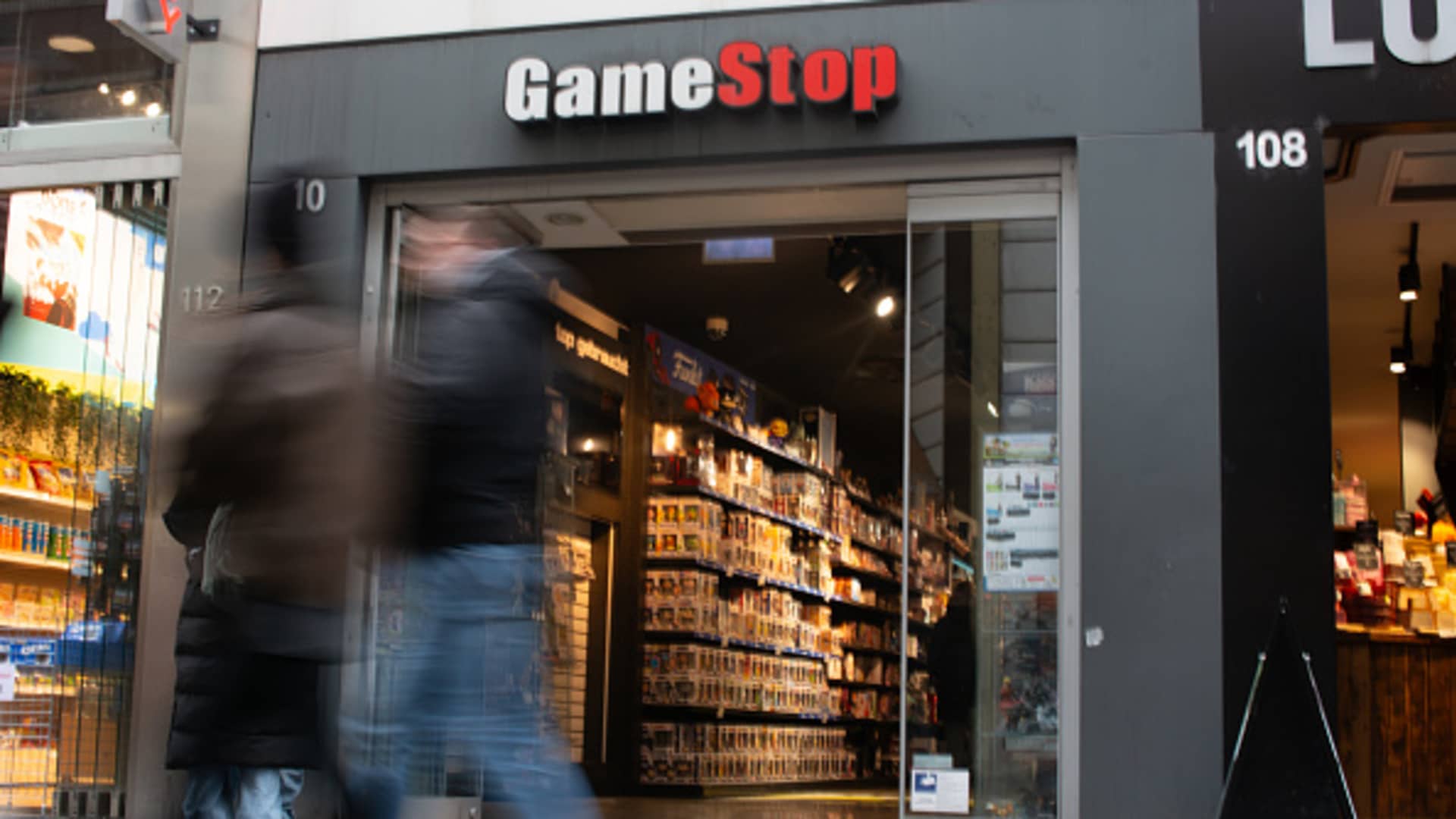
- GameStop's Strong Earnings: GameStop reported first-quarter revenue of $835.3 million, reflecting a 14% year-over-year increase, and the board approved a $2 billion share repurchase authorization, which not only boosts investor confidence but may also enhance future shareholder returns.
- Energy Stocks Boosted by Oil Prices: Oil prices rose nearly 2% after Israeli Prime Minister Netanyahu indicated readiness to act against Iran, lifting energy stocks, with Exxon Mobil and Marathon Petroleum both gaining 3%, suggesting sustained market optimism regarding energy demand.
- Palo Alto Networks Stock Drop: Despite Palo Alto Networks posting stronger-than-expected revenue guidance, its stock fell nearly 6%, which may reflect market concerns about future growth, especially in light of the company's adjustments to its full-year revenue expectations.
See More
Private Equity Withdrawal Caps Impact Market Movements
- Private Equity Market Volatility: Partners Group's decision to cap withdrawals from one of its funds led to a 6% drop in Blackstone's stock and over a 5.5% decline in KKR, indicating market concerns regarding liquidity risks in the private equity sector.
- Palo Alto's Cautious Outlook: Despite Palo Alto Networks providing stronger-than-expected revenue guidance, its stock fell 2%, reflecting market skepticism about future growth, even as it reported adjusted earnings of 85 cents per share, surpassing analyst expectations.
- GitLab's Workforce Reduction: GitLab shares dropped nearly 4% after guiding for adjusted earnings per share below analyst estimates and announcing a 14% workforce reduction, which is expected to incur restructuring charges between $30 million and $35 million, highlighting the challenges the company faces.
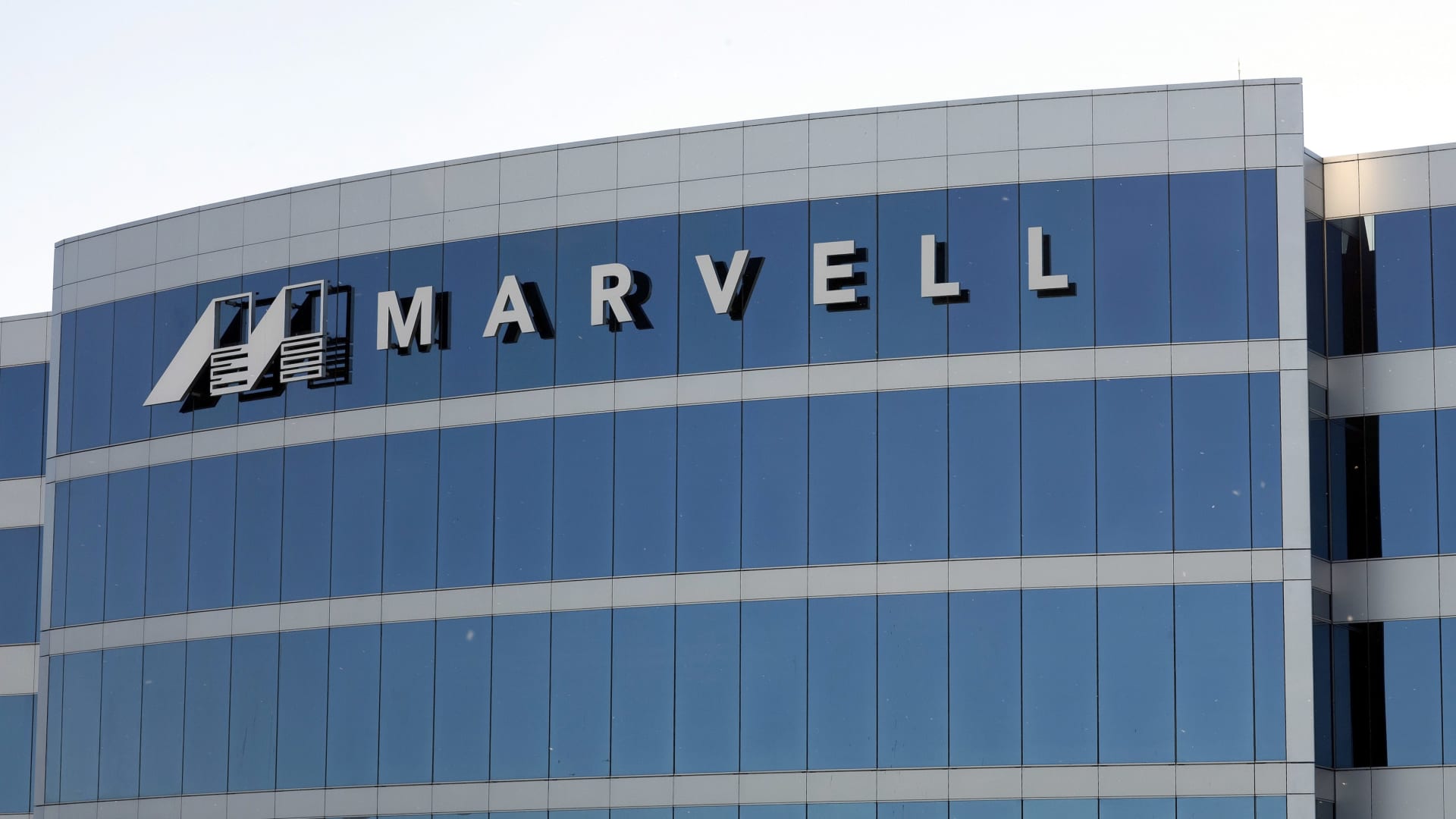
- Marvell Technology's Stock Surge: Following a remarkable 32% increase in a single day, Marvell Technology's stock jumped over 13% in premarket trading, reflecting strong investor confidence in its robust performance and future growth potential.
See More
Investigation into Blue Owl Capital Post-Merger Stock Decline
- Stock Price Decline: Since Blue Owl Capital issued shares to former Blue Owl Capital III shareholders on January 13, 2025, its stock price has dropped over 21%, indicating investor disappointment with post-merger performance, which could impact future fundraising capabilities.
- Technology Financing Company Performance: Following Blue Owl Technology's listing on the NYSE on June 13, 2025, its stock price has declined by over 30%, reflecting a lack of market confidence in its investment portfolio, potentially leading to investor attrition and increased capital costs.
- Potential Securities Claims Investigation: Girard Sharp, LLP is investigating whether there were undisclosed issues with the investment portfolios of Blue Owl Capital and Blue Owl Technology, which could result in losses for investors and further damage the companies' reputations and market trust.
- Legal Support and Consultation: Girard Sharp offers free consultations for former investors of Blue Owl Capital III and Blue Owl Technology II, aiming to assist affected investors in understanding their claims rights, thereby enhancing accessibility and transparency of legal support.
See More
Jim Cramer's Insights on Various Stocks
- Starwood Underperformance: Jim Cramer noted that Starwood Property Trust has not performed well, and he has not recommended the stock, indicating concerns about its future growth and potential impact on investor confidence.
- Ralliant's Parabolic Rise: Ralliant is viewed as a good company, but its stock has gone parabolic, leading Cramer to advise caution, suggesting investors should be aware of valuation risks.
- Borgwarner's Strong Performance: Borgwarner is described as an absolute winner, yet its stock also exhibits a parabolic trend, with Cramer's comments highlighting the need for investors to be wary of potential pullback risks.
- Reddit Investment Approach: Cramer has a positive outlook on Reddit, believing its unique business model is worth attention, but he recommends a slow accumulation strategy rather than aggressive buying to mitigate risks associated with high valuations.
See More
Investigation into Blue Owl Capital Post-Merger Stock Decline
- Stock Price Decline: Since Blue Owl Capital issued shares to former Blue Owl Capital III shareholders on January 13, 2025, its stock price has dropped over 21%, indicating a weakening investor confidence that could impact the company's financing capabilities and market reputation.
- Technology Financing Concerns: Blue Owl Technology's stock has fallen more than 30% since its NYSE listing on June 13, 2025, reflecting market apprehensions regarding its investment portfolio, which may lead to diminished investor confidence in technology-related companies and affect future financing opportunities.
- Legal Investigation Initiated: Girard Sharp, LLP is investigating potential undisclosed issues within the investment portfolios of Blue Owl Capital and Blue Owl Technology, which could reveal legal liabilities and impact the companies' future compliance and investor trust.
- Investor Consultation Opportunity: Former investors of Blue Owl Capital III and Blue Owl Technology II are encouraged to contact Girard Sharp for a free consultation, providing them not only with a chance to seek compensation but also potentially prompting the companies to enhance transparency and investor relations.
See More
Market Update: Apple and Nasdaq Streaks at Risk
- S&P 500 Streak at Risk: The S&P 500 fell on Wednesday, jeopardizing its nine-week winning streak, and if it finishes higher this week, it would mark its longest winning streak since 1985, indicating fragile market sentiment.
- Apple's Price Challenge: Apple is on track for its 11th consecutive positive week, which would be its longest winning streak since November 2004, reflecting high investor interest in its future performance amidst market volatility.
- Nvidia's Underperformance: Over the past 60 trading days, the iShares Semiconductor ETF surged over 82%, while Nvidia only gained 16%, creating a record 65-percentage-point gap, highlighting Nvidia's relative weakness in the semiconductor market.
- Private Equity Turmoil: Private equity stocks plummeted after Partners Group reportedly capped investor withdrawals, with KKR, Blackstone, Carlyle Group, and Blue Owl losing over a quarter of their market value this year, reflecting declining confidence in the private equity sector.
See More
Quantum Computing Stocks Decline, GameStop Shares Rise
- Quantum Stocks Decline: Quantum computing stocks experienced a broad decline, with Rigetti Computing down 10%, D-Wave Quantum down 7%, and IonQ down 4%, indicating that investors opted to cash out after a rally in the previous session, leading to a weakened overall market sentiment.
- GameStop's Strong Earnings: GameStop reported first-quarter revenue of $835.3 million, reflecting a 14% year-over-year increase, and the board approved a $2 billion share repurchase authorization, which not only boosts investor confidence but may also enhance future shareholder returns.
- Energy Stocks Boosted by Oil Prices: Oil prices rose nearly 2% after Israeli Prime Minister Netanyahu indicated readiness to act against Iran, lifting energy stocks, with Exxon Mobil and Marathon Petroleum both gaining 3%, suggesting sustained market optimism regarding energy demand.
- Palo Alto Networks Stock Drop: Despite Palo Alto Networks posting stronger-than-expected revenue guidance, its stock fell nearly 6%, which may reflect market concerns about future growth, especially in light of the company's adjustments to its full-year revenue expectations.
See More
Private Equity Withdrawal Caps Impact Market Movements
- Private Equity Market Volatility: Partners Group's decision to cap withdrawals from one of its funds led to a 6% drop in Blackstone's stock and over a 5.5% decline in KKR, indicating market concerns regarding liquidity risks in the private equity sector.
- Palo Alto's Cautious Outlook: Despite Palo Alto Networks providing stronger-than-expected revenue guidance, its stock fell 2%, reflecting market skepticism about future growth, even as it reported adjusted earnings of 85 cents per share, surpassing analyst expectations.
- GitLab's Workforce Reduction: GitLab shares dropped nearly 4% after guiding for adjusted earnings per share below analyst estimates and announcing a 14% workforce reduction, which is expected to incur restructuring charges between $30 million and $35 million, highlighting the challenges the company faces.
- Marvell Technology's Stock Surge: Following a remarkable 32% increase in a single day, Marvell Technology's stock jumped over 13% in premarket trading, reflecting strong investor confidence in its robust performance and future growth potential.
See More




