Paccar Reports Earnings Beat for 2025 Yet Stock Declines
Written by Emily J. Thompson, Senior Investment Analyst
Updated: Jan 27 2026
0mins
Should l Buy PCAR?
Source: Fool
- Earnings Beat: Paccar reported Q4 2025 earnings of $1.06 per share, surpassing analyst expectations of $1.05, with sales reaching $6.8 billion; however, the stock fell 1.9%, indicating market disappointment despite the earnings beat.
- Sales Decline: The company's sales dropped 14% year-over-year, with full-year 2025 sales down 16% to $28.4 billion, highlighting significant market challenges and weak demand affecting overall performance.
- Stable Cash Flow: Free cash flow remained steady at $3.7 billion, significantly exceeding the reported net income of $2.4 billion, indicating strong cash management, yet failing to boost investor confidence.
- Bleak Market Outlook: With a market capitalization of $62.8 billion, Paccar's stock trades at a high P/E ratio of 26 times, lacking growth guidance and with analysts forecasting only 5% long-term earnings growth, leading to cautious investor sentiment.
Trade with 70% Backtested Accuracy
Stop guessing "Should I Buy PCAR?" and start using high-conviction signals backed by rigorous historical data.
Sign up today to access powerful investing tools and make smarter, data-driven decisions.
Analyst Views on PCAR
Wall Street analysts forecast PCAR stock price to fall
10 Analyst Rating
3 Buy
7 Hold
0 Sell
Moderate Buy
Current: 114.050

Low
90.00
Averages
109.25
High
133.00
Current: 114.050
Low
90.00
Averages
109.25
High
133.00
About PCAR
PACCAR Inc is a multinational company operating in three principal industry segments. The Truck segment includes the design, manufacture and distribution of light-, medium- and heavy-duty commercial trucks. Heavy-duty trucks have a gross vehicle weight (GVW) of over 33,000 lbs (Class 8) in North America and over 16 metric tons in Europe and South America. Medium-duty trucks have a GVW ranging from 19,500 to 33,000 lbs (Class 6 to 7) in North America, and in Europe, light- and medium-duty trucks range between 6 and 16 metric tons. Trucks are configured with the engine in front of cab (conventional) or cab-over-engine (COE). The Parts segment includes the distribution of aftermarket parts for trucks and related commercial vehicles. The Financial Services segment includes finance and leasing products and services provided to customers and dealers. Its finance and leasing activities are principally related to the Company’s products and associated equipment.
About the author

Emily J. Thompson
Emily J. Thompson, a Chartered Financial Analyst (CFA) with 12 years in investment research, graduated with honors from the Wharton School. Specializing in industrial and technology stocks, she provides in-depth analysis for Intellectia’s earnings and market brief reports.

North American Class 8 Truck Market Shows Improvement Amid Seasonal Headwinds


- Significant Order Growth: According to ACT Research, North American Class 8 net orders reached 24,800 units in April, marking a substantial 201% year-over-year increase, reflecting the low base effect from last year's 'Liberation Day'; however, month-over-month, orders fell by 24%, indicating signs of seasonal weakness.
- Strong Demand Context: March's net orders totaled 38,050 units, up 131% year-over-year, demonstrating robust market demand despite mounting macroeconomic pressures, primarily driven by improving freight rates and tightening driver supply.
- Future Challenges Warning: Analysts warn that while current orders are strong, fuel costs are expected to be a concern for the industry, particularly as even the best-case scenario for a deal with Iran could leave fuel prices elevated through the summer, impacting transportation costs.
- Policy Impact Analysis: With new regulations set to take effect in 2027, fleet operators are accelerating orders in anticipation of rising equipment costs, a strategy that not only reflects foresight into future market conditions but may also lead to fluctuations in order volumes in the short term.
See More
McLane Partners with Aurora Innovation to Advance Autonomous Trucking

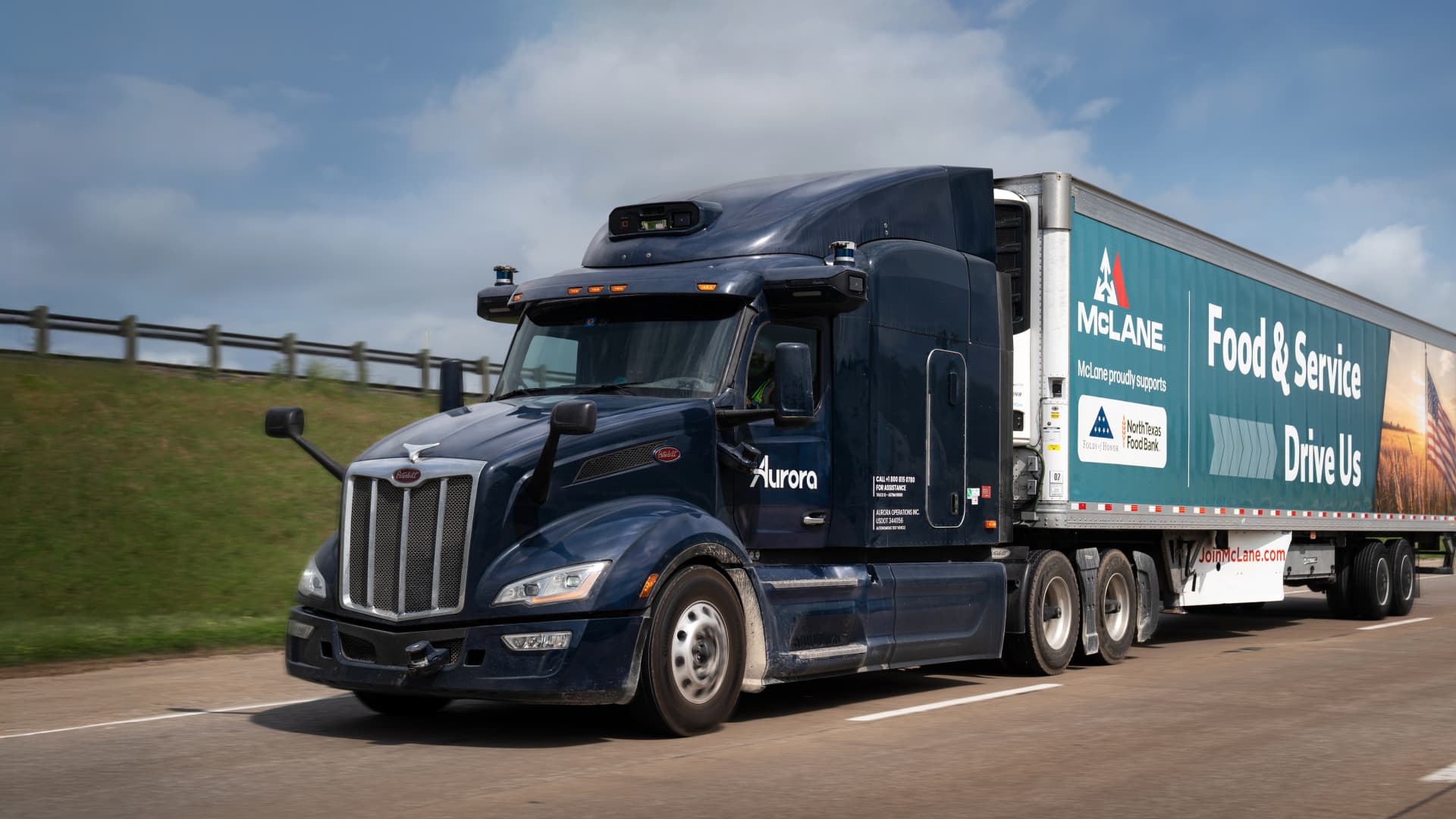
- Autonomous Pilot Program: McLane's pilot program with Aurora Innovation, initiated in 2023, currently operates two daily round trips between Dallas and Houston, logging 280,000 miles and delivering 1,400 loads, significantly enhancing transportation efficiency.
- New Route Planning: McLane plans to launch new autonomous freight routes between its distribution centers and restaurants across the U.S. Sun Belt by year-end, further expanding its footprint in autonomous trucking and expected to improve overall supply chain efficiency.
- Technology Upgrade and Collaboration: McLane will utilize Aurora Driver technology for long-haul trucking, and while a human observer is currently present in the cab, Aurora plans to deploy a new fleet of 200 observer-free trucks by year-end, enhancing operational capabilities.
- Broad Market Prospects: With the rapid advancement of autonomous freight technology, Texas has emerged as a primary deployment point, and McLane's autonomous trucks are poised to meet the growing freight demand, particularly in the Sun Belt region, which is expected to drive future business growth.
See More

AI-Driven Surge Propels S&P 500 to New Heights


- Market Performance Review: The S&P 500 index surged approximately 10.5% in April, marking its best monthly performance since 2020, despite ongoing economic uncertainties from conflicts in the Middle East, indicating strong market confidence in future growth.
- AI Investment Surge: U.S. hyperscalers are projected to invest $670 billion in AI infrastructure in 2023, with analysts predicting this figure could rise to $770 billion by 2026, highlighting the profound impact of AI investments on the overall economy.
- Industry Revenue Boost: The AI investment boom is driving revenue and profit growth across various sectors, particularly in cloud computing and semiconductors, with Nvidia and Micron Technology rising 20% and 61% in April, respectively, reflecting strong market demand for AI-related technologies.
- Surging Power Demand: Due to the immense power needs of AI data centers, Dominion Energy plans to invest nearly $55 billion in building facilities to support these demands, demonstrating the far-reaching effects of AI on the energy sector.
See More

PACCAR Increases Quarterly Dividend by 6.1% to $0.35
- Dividend Increase: PACCAR has declared a quarterly dividend increase from $0.33 to $0.35 per share, representing a 6.1% rise, which indicates ongoing improvements in profitability and cash flow management, thereby boosting investor confidence.
- Dividend Yield: Following this adjustment, PACCAR's forward dividend yield stands at 1.16%, providing investors with stable returns and reflecting the company's confidence in its future financial health.
- Record Date for Shareholders: The dividend will be payable on June 3, with a record date of May 13 and an ex-dividend date also on May 13, ensuring shareholders receive timely benefits and enhancing the attractiveness of holding shares.
- Financial Performance: In Q1 2026, PACCAR reported a GAAP EPS of $1.15, missing estimates by $0.01, while revenue reached $6.78 billion, exceeding expectations by $420 million, showcasing the company's strong performance in sales growth.
See More

PACCAR Reports Decline in Q1 Revenue Amid Soft Truck Demand
- Revenue Decline: PACCAR's Q1 revenue totaled $6.78 billion, down 9% from $7.44 billion a year earlier, primarily due to soft demand for new trucks, indicating a sluggish recovery under overcapacity pressures in the industry.
- Truck Deliveries Drop: The company delivered 17,800 trucks in the U.S. and Canada, a 20% decrease from 22,200 units last year, reflecting insufficient market demand and presenting significant sales challenges for PACCAR.
- Parts Sales Growth: Despite the weak demand for new trucks, PACCAR's aftermarket parts sales rose by 1.2% to $1.71 billion, indicating that the extended use of older vehicles has provided a stable revenue stream for the company.
- Earnings Per Share Increase: PACCAR reported earnings per share of $1.15, up from $0.96 a year earlier, demonstrating effective cost control measures that have improved profitability despite the overall revenue decline.
See More
PACCAR Q1 Earnings Report Analysis
- Earnings Performance: PACCAR's Q1 GAAP EPS of $1.15 misses expectations by $0.01, yet revenue of $6.78 billion, down 8.9% year-over-year, beats market forecasts by $420 million, demonstrating the company's resilience in challenging conditions.
- Parts Revenue: PACCAR Parts revenue reached $1.71 billion with a pretax income of $402.3 million, indicating strong profitability in its parts business despite overall revenue decline, reflecting the company's competitive edge in the aftermarket sector.
- Capital Investment and R&D: The company invested $135.5 million in capital expenditures and $109.1 million in R&D, highlighting its commitment to future technological innovation and market demand, aimed at enhancing product competitiveness and market share.
- Market Outlook: By 2026, European registrations for trucks over 16 tonnes are projected to range from 280,000 to 320,000 units, while U.S. and Canada Class 8 truck retail sales are estimated between 230,000 and 270,000 units, providing positive market signals for PACCAR's long-term growth.
See More
North American Class 8 Truck Market Shows Improvement Amid Seasonal Headwinds
- Significant Order Growth: According to ACT Research, North American Class 8 net orders reached 24,800 units in April, marking a substantial 201% year-over-year increase, reflecting the low base effect from last year's 'Liberation Day'; however, month-over-month, orders fell by 24%, indicating signs of seasonal weakness.
- Strong Demand Context: March's net orders totaled 38,050 units, up 131% year-over-year, demonstrating robust market demand despite mounting macroeconomic pressures, primarily driven by improving freight rates and tightening driver supply.
- Future Challenges Warning: Analysts warn that while current orders are strong, fuel costs are expected to be a concern for the industry, particularly as even the best-case scenario for a deal with Iran could leave fuel prices elevated through the summer, impacting transportation costs.
- Policy Impact Analysis: With new regulations set to take effect in 2027, fleet operators are accelerating orders in anticipation of rising equipment costs, a strategy that not only reflects foresight into future market conditions but may also lead to fluctuations in order volumes in the short term.
See More
McLane Partners with Aurora Innovation to Advance Autonomous Trucking
- Autonomous Pilot Program: McLane's pilot program with Aurora Innovation, initiated in 2023, currently operates two daily round trips between Dallas and Houston, logging 280,000 miles and delivering 1,400 loads, significantly enhancing transportation efficiency.
- New Route Planning: McLane plans to launch new autonomous freight routes between its distribution centers and restaurants across the U.S. Sun Belt by year-end, further expanding its footprint in autonomous trucking and expected to improve overall supply chain efficiency.
- Technology Upgrade and Collaboration: McLane will utilize Aurora Driver technology for long-haul trucking, and while a human observer is currently present in the cab, Aurora plans to deploy a new fleet of 200 observer-free trucks by year-end, enhancing operational capabilities.
- Broad Market Prospects: With the rapid advancement of autonomous freight technology, Texas has emerged as a primary deployment point, and McLane's autonomous trucks are poised to meet the growing freight demand, particularly in the Sun Belt region, which is expected to drive future business growth.
See More
AI-Driven Surge Propels S&P 500 to New Heights
- Market Performance Review: The S&P 500 index surged approximately 10.5% in April, marking its best monthly performance since 2020, despite ongoing economic uncertainties from conflicts in the Middle East, indicating strong market confidence in future growth.
- AI Investment Surge: U.S. hyperscalers are projected to invest $670 billion in AI infrastructure in 2023, with analysts predicting this figure could rise to $770 billion by 2026, highlighting the profound impact of AI investments on the overall economy.
- Industry Revenue Boost: The AI investment boom is driving revenue and profit growth across various sectors, particularly in cloud computing and semiconductors, with Nvidia and Micron Technology rising 20% and 61% in April, respectively, reflecting strong market demand for AI-related technologies.
- Surging Power Demand: Due to the immense power needs of AI data centers, Dominion Energy plans to invest nearly $55 billion in building facilities to support these demands, demonstrating the far-reaching effects of AI on the energy sector.
See More
PACCAR Increases Quarterly Dividend by 6.1% to $0.35
- Dividend Increase: PACCAR has declared a quarterly dividend increase from $0.33 to $0.35 per share, representing a 6.1% rise, which indicates ongoing improvements in profitability and cash flow management, thereby boosting investor confidence.
- Dividend Yield: Following this adjustment, PACCAR's forward dividend yield stands at 1.16%, providing investors with stable returns and reflecting the company's confidence in its future financial health.
- Record Date for Shareholders: The dividend will be payable on June 3, with a record date of May 13 and an ex-dividend date also on May 13, ensuring shareholders receive timely benefits and enhancing the attractiveness of holding shares.
- Financial Performance: In Q1 2026, PACCAR reported a GAAP EPS of $1.15, missing estimates by $0.01, while revenue reached $6.78 billion, exceeding expectations by $420 million, showcasing the company's strong performance in sales growth.
See More
PACCAR Reports Decline in Q1 Revenue Amid Soft Truck Demand
- Revenue Decline: PACCAR's Q1 revenue totaled $6.78 billion, down 9% from $7.44 billion a year earlier, primarily due to soft demand for new trucks, indicating a sluggish recovery under overcapacity pressures in the industry.
- Truck Deliveries Drop: The company delivered 17,800 trucks in the U.S. and Canada, a 20% decrease from 22,200 units last year, reflecting insufficient market demand and presenting significant sales challenges for PACCAR.
- Parts Sales Growth: Despite the weak demand for new trucks, PACCAR's aftermarket parts sales rose by 1.2% to $1.71 billion, indicating that the extended use of older vehicles has provided a stable revenue stream for the company.
- Earnings Per Share Increase: PACCAR reported earnings per share of $1.15, up from $0.96 a year earlier, demonstrating effective cost control measures that have improved profitability despite the overall revenue decline.
See More
PACCAR Q1 Earnings Report Analysis
- Earnings Performance: PACCAR's Q1 GAAP EPS of $1.15 misses expectations by $0.01, yet revenue of $6.78 billion, down 8.9% year-over-year, beats market forecasts by $420 million, demonstrating the company's resilience in challenging conditions.
- Parts Revenue: PACCAR Parts revenue reached $1.71 billion with a pretax income of $402.3 million, indicating strong profitability in its parts business despite overall revenue decline, reflecting the company's competitive edge in the aftermarket sector.
- Capital Investment and R&D: The company invested $135.5 million in capital expenditures and $109.1 million in R&D, highlighting its commitment to future technological innovation and market demand, aimed at enhancing product competitiveness and market share.
- Market Outlook: By 2026, European registrations for trucks over 16 tonnes are projected to range from 280,000 to 320,000 units, while U.S. and Canada Class 8 truck retail sales are estimated between 230,000 and 270,000 units, providing positive market signals for PACCAR's long-term growth.
See More