Opportunities and Challenges in the Footwear and Apparel Industry
Written by Emily J. Thompson, Senior Investment Analyst
Updated: Mar 02 2026
0mins


Source: NASDAQ.COM
- Premiumization Trend: The footwear and apparel industry is benefiting from consumers' preference for high-performance, high-quality products, which is driving price increases and enhancing brand loyalty, likely strengthening market competitiveness further.
- Digital Transformation: Brands are increasingly investing in e-commerce platforms and data analytics, improving customer relationships and inventory efficiency, which promotes growth in direct-to-consumer sales and enhances market responsiveness.
- Margin Pressure: Despite the overall optimistic outlook for the industry, frequent promotional activities, excess inventory, and cautious consumer spending are compressing profit margins, posing challenges to profitability.
- Industry Ranking: The Zacks Shoes and Retail Apparel industry ranks 89, placing it in the top 37%, indicating the sector's potential for future earnings growth, even though its overall performance has been poor over the past year.
Trade with 70% Backtested Accuracy
Stop guessing "Should I Buy NKE?" and start using high-conviction signals backed by rigorous historical data.
Sign up today to access powerful investing tools and make smarter, data-driven decisions.
Analyst Views on NKE
Wall Street analysts forecast NKE stock price to rise
21 Analyst Rating
14 Buy
7 Hold
0 Sell
Moderate Buy
Current: 44.190

Low
62.00
Averages
76.11
High
110.00
Current: 44.190
Low
62.00
Averages
76.11
High
110.00
About NKE
NIKE, Inc. is engaged in the designing, marketing and distributing of athletic footwear, apparel, equipment and accessories and services for sports and fitness activities. The Company's operating segments include North America; Europe, Middle East & Africa (EMEA); Greater China; and Asia Pacific & Latin America (APLA). It sells a line of equipment and accessories under the NIKE Brand name, including bags, socks, sport balls, eyewear, timepieces, digital devices, bats, gloves, protective equipment and other equipment designed for sports activities. It also designs products specifically for the Jordan Brand and Converse. The Jordan Brand designs, distributes and licenses athletic and casual footwear, apparel and accessories predominantly focused on basketball performance and culture using the Jumpman trademark. The Company also designs, distributes and licenses casual sneakers, apparel and accessories under the Chuck Taylor, All Star, One Star, Star Chevron and Jack Purcell trademarks.
About the author

Emily J. Thompson
Emily J. Thompson, a Chartered Financial Analyst (CFA) with 12 years in investment research, graduated with honors from the Wharton School. Specializing in industrial and technology stocks, she provides in-depth analysis for Intellectia’s earnings and market brief reports.
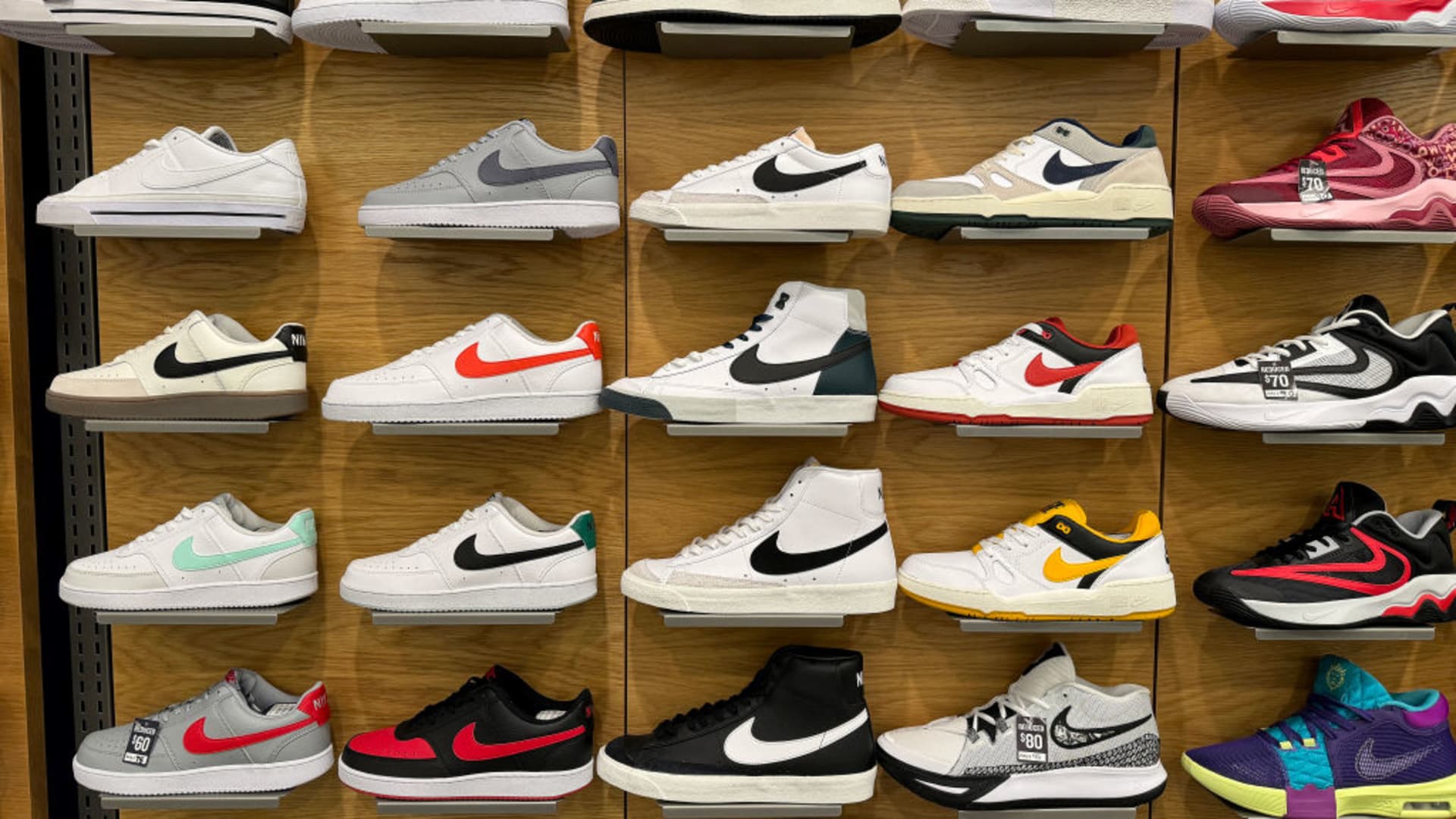
Nike's North America Sales Rebound Amid Challenges in China Market

- North America Recovery: Nike's North America revenue rose 3% to about $5 billion in fiscal Q3 2026, driven by an 11% increase in wholesale, indicating that the company's efforts to regain shelf space with retail partners are yielding positive results in its turnaround strategy.
- China Market Decline: Despite a 7% drop in revenue to approximately $1.6 billion in China during Q3, management anticipates a 20% decline in Q4, a self-imposed strategy aimed at clearing excess inventory and reducing discounting, which has led to short-term sales challenges.
- Margin Pressure: Nike's gross margin fell to 40.2% in Q3 from 41.5% a year earlier, primarily due to rising U.S. tariffs, but management expects a smaller margin decline in Q4 and a gradual recovery in margins in fiscal Q2 2027 as tariff pressures ease.
- Long-Term Strategic Planning: Management plans to restore margins in Q2 2027 and outline long-term targets at an investor day this fall, with the CEO acknowledging that some complex tasks are taking longer than expected; however, Nike's 3.6% dividend yield provides an incentive for investors to remain patient.
See More

Nike's Earnings Outlook: North American Recovery and Chinese Challenges
- North American Recovery: Nike's North American revenue rose 3% to about $5 billion in fiscal Q3 2026, driven by an 11% increase in wholesale, indicating that management's 'Win Now' strategy is yielding positive results.
- Chinese Market Challenges: Despite a 7% revenue decline in Greater China to approximately $1.6 billion, management anticipates a roughly 20% drop in Q4, reflecting a self-imposed strategy to clear excess inventory and curb discounting.
- Margin Fluctuations: Nike's gross margin fell to 40.2% in fiscal Q3 2026 from 41.5% a year earlier, primarily due to rising U.S. tariffs, but management expects a smaller margin decline in Q4 and a recovery in Q2 2027.
- Long-term Strategic Planning: Management plans to restore margins by Q2 2027 and will outline long-term targets at an investor day this fall, demonstrating confidence in Nike's future growth trajectory.
See More
Nike Director John Rogers Retires, Continues as Strategic Advisor
- Board Transition: Nike, Inc. announced that John Rogers, who has served as a director since 2018, will retire and not seek re-election at the September 2026 Annual Meeting, indicating a shift in the company's governance structure.
- Continued Advisory Role: Rogers' retirement will take effect after the annual meeting, after which he will serve as a strategic advisor focusing on various topics including the future of sport and social community impact, ensuring his expertise continues to benefit the company.
- Executive Appreciation: Nike's Executive Chairman Mark Parker expressed gratitude for Rogers' eight years of service on the board, highlighting his leadership in business and finance as well as his dedication to civic causes, reflecting the company's commitment to valuing talent.
- Future Commitment: Rogers stated his intention to continue supporting Nike's mission by helping the company impact and invest in sports, athletes, and communities globally, demonstrating his confidence in Nike's future growth.
See More
Nike Aims to Revitalize Business Through World Cup Engagement

- World Cup Opportunity: Nike sees the World Cup hosted in the U.S., Canada, and Mexico as a crucial opportunity for business recovery, particularly after over a year of restructuring, aiming to enhance brand visibility and market share.
- Innovative Product Launch: The introduction of Nike's new Aero-FIT technology significantly improves the breathability of soccer kits, expected to drive sales growth through World Cup exposure, with plans to expand this innovation across other sports.
- Community Engagement Activities: Nike has launched interactive retail and community experiences nationwide, such as the House of Merc in New York and Estadio Niky's in Los Angeles, aimed at attracting younger consumers and igniting their passion for soccer, thereby enhancing brand loyalty.
- Sales Growth Expectations: Analysts predict that the World Cup will yield substantial sales growth for Nike, particularly in the Asia-Pacific and Latin America regions, likely driving business recovery in the coming quarters, despite ongoing pressure on Nike's stock price.
See More

Latest Wall Street Rating Updates


- Apple Rating Reaffirmed: Bank of America reiterates Apple as a buy, believing that price increases are already reflected in the stock, anticipating that rising memory costs will force Apple to raise prices, impacting future earnings performance.
- Nice Upgrade: DA Davidson upgrades Nice from neutral to buy, maintaining a $110 price target, arguing that concerns about AI disruption are overblown, suggesting a more optimistic outlook that could boost the company's stock price.
- Immix Biopharma Initiation: Bank of America initiates coverage of Immix Biopharma with a buy rating and a $27 price target, citing the company's differentiated product offerings as a significant growth driver.
- Salesforce Upgrade: Monness Crespi Hardt upgrades Salesforce from neutral to buy with a $200 price target, based on its depressed valuation, strong cash flow generation, and support for customer transformation, which are expected to drive stock price increases.
See More

Grand Opening of the Obama Presidential Center


- Grand Celebration: The Obama Presidential Center opened on May 29, 2026, in Chicago, attracting numerous donors and business leaders, and is expected to be the largest gathering ahead of the 2026 midterm elections, highlighting Obama's historical achievements.
- Political Future Discussions: Informal conversations among donors and business leaders about the future of the Democratic Party and fundraising will take place during the event, reflecting a pressing need to regain control of Congress and showcasing the intertwining of politics and business.
- Non-Partisan Stance: Valerie Jarrett, CEO of the Obama Foundation, emphasized that despite the political undertones, the center, as a non-profit entity, aims to foster healthy dialogue among diverse political perspectives, embodying the core values of a democratic society.
- Economic and Community Development: Business leaders like Calvin Butler noted that the opening of the Obama Center will spur economic growth and community stability, underscoring the importance of bipartisan cooperation to address significant policy challenges facing the nation.
See More
Nike's North America Sales Rebound Amid Challenges in China Market
- North America Recovery: Nike's North America revenue rose 3% to about $5 billion in fiscal Q3 2026, driven by an 11% increase in wholesale, indicating that the company's efforts to regain shelf space with retail partners are yielding positive results in its turnaround strategy.
- China Market Decline: Despite a 7% drop in revenue to approximately $1.6 billion in China during Q3, management anticipates a 20% decline in Q4, a self-imposed strategy aimed at clearing excess inventory and reducing discounting, which has led to short-term sales challenges.
- Margin Pressure: Nike's gross margin fell to 40.2% in Q3 from 41.5% a year earlier, primarily due to rising U.S. tariffs, but management expects a smaller margin decline in Q4 and a gradual recovery in margins in fiscal Q2 2027 as tariff pressures ease.
- Long-Term Strategic Planning: Management plans to restore margins in Q2 2027 and outline long-term targets at an investor day this fall, with the CEO acknowledging that some complex tasks are taking longer than expected; however, Nike's 3.6% dividend yield provides an incentive for investors to remain patient.
See More
Nike's Earnings Outlook: North American Recovery and Chinese Challenges
- North American Recovery: Nike's North American revenue rose 3% to about $5 billion in fiscal Q3 2026, driven by an 11% increase in wholesale, indicating that management's 'Win Now' strategy is yielding positive results.
- Chinese Market Challenges: Despite a 7% revenue decline in Greater China to approximately $1.6 billion, management anticipates a roughly 20% drop in Q4, reflecting a self-imposed strategy to clear excess inventory and curb discounting.
- Margin Fluctuations: Nike's gross margin fell to 40.2% in fiscal Q3 2026 from 41.5% a year earlier, primarily due to rising U.S. tariffs, but management expects a smaller margin decline in Q4 and a recovery in Q2 2027.
- Long-term Strategic Planning: Management plans to restore margins by Q2 2027 and will outline long-term targets at an investor day this fall, demonstrating confidence in Nike's future growth trajectory.
See More
Nike Director John Rogers Retires, Continues as Strategic Advisor
- Board Transition: Nike, Inc. announced that John Rogers, who has served as a director since 2018, will retire and not seek re-election at the September 2026 Annual Meeting, indicating a shift in the company's governance structure.
- Continued Advisory Role: Rogers' retirement will take effect after the annual meeting, after which he will serve as a strategic advisor focusing on various topics including the future of sport and social community impact, ensuring his expertise continues to benefit the company.
- Executive Appreciation: Nike's Executive Chairman Mark Parker expressed gratitude for Rogers' eight years of service on the board, highlighting his leadership in business and finance as well as his dedication to civic causes, reflecting the company's commitment to valuing talent.
- Future Commitment: Rogers stated his intention to continue supporting Nike's mission by helping the company impact and invest in sports, athletes, and communities globally, demonstrating his confidence in Nike's future growth.
See More
Nike Aims to Revitalize Business Through World Cup Engagement
- World Cup Opportunity: Nike sees the World Cup hosted in the U.S., Canada, and Mexico as a crucial opportunity for business recovery, particularly after over a year of restructuring, aiming to enhance brand visibility and market share.
- Innovative Product Launch: The introduction of Nike's new Aero-FIT technology significantly improves the breathability of soccer kits, expected to drive sales growth through World Cup exposure, with plans to expand this innovation across other sports.
- Community Engagement Activities: Nike has launched interactive retail and community experiences nationwide, such as the House of Merc in New York and Estadio Niky's in Los Angeles, aimed at attracting younger consumers and igniting their passion for soccer, thereby enhancing brand loyalty.
- Sales Growth Expectations: Analysts predict that the World Cup will yield substantial sales growth for Nike, particularly in the Asia-Pacific and Latin America regions, likely driving business recovery in the coming quarters, despite ongoing pressure on Nike's stock price.
See More
Latest Wall Street Rating Updates
- Apple Rating Reaffirmed: Bank of America reiterates Apple as a buy, believing that price increases are already reflected in the stock, anticipating that rising memory costs will force Apple to raise prices, impacting future earnings performance.
- Nice Upgrade: DA Davidson upgrades Nice from neutral to buy, maintaining a $110 price target, arguing that concerns about AI disruption are overblown, suggesting a more optimistic outlook that could boost the company's stock price.
- Immix Biopharma Initiation: Bank of America initiates coverage of Immix Biopharma with a buy rating and a $27 price target, citing the company's differentiated product offerings as a significant growth driver.
- Salesforce Upgrade: Monness Crespi Hardt upgrades Salesforce from neutral to buy with a $200 price target, based on its depressed valuation, strong cash flow generation, and support for customer transformation, which are expected to drive stock price increases.
See More
Grand Opening of the Obama Presidential Center
- Grand Celebration: The Obama Presidential Center opened on May 29, 2026, in Chicago, attracting numerous donors and business leaders, and is expected to be the largest gathering ahead of the 2026 midterm elections, highlighting Obama's historical achievements.
- Political Future Discussions: Informal conversations among donors and business leaders about the future of the Democratic Party and fundraising will take place during the event, reflecting a pressing need to regain control of Congress and showcasing the intertwining of politics and business.
- Non-Partisan Stance: Valerie Jarrett, CEO of the Obama Foundation, emphasized that despite the political undertones, the center, as a non-profit entity, aims to foster healthy dialogue among diverse political perspectives, embodying the core values of a democratic society.
- Economic and Community Development: Business leaders like Calvin Butler noted that the opening of the Obama Center will spur economic growth and community stability, underscoring the importance of bipartisan cooperation to address significant policy challenges facing the nation.
See More