Oil Prices Surge Amid Truce Doubts; Meta Stock Rallies
Written by Emily J. Thompson, Senior Investment Analyst
Updated: Apr 09 2026
0mins

Should l Buy UL?
Source: CNBC
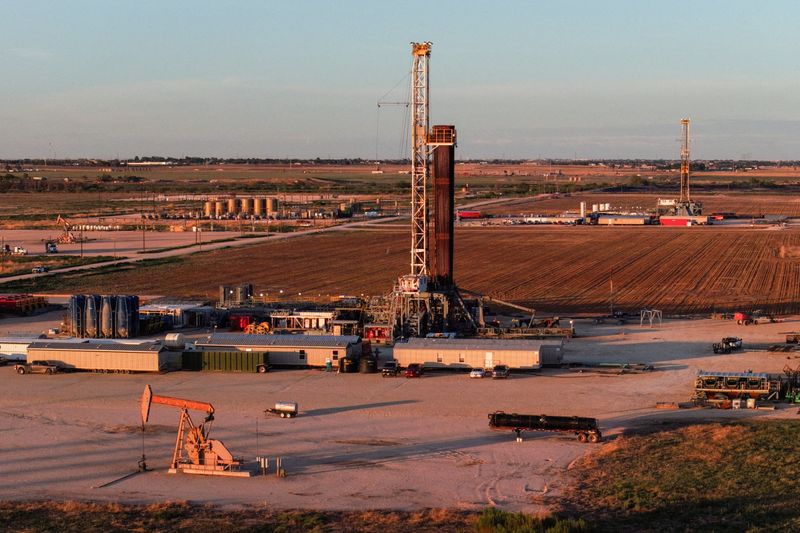
- Oil Price Surge: U.S. oil prices jumped 8% on Thursday as traders questioned the validity of the U.S.-Iran truce, pushing West Texas Intermediate futures back over $100 per barrel, indicating potential economic implications from oil price volatility despite a flat S&P 500.
- Meta Stock Recovery: Meta Platforms saw its shares rise over 2.5% on Thursday, following a 6.5% increase the previous day due to the announcement of its new AI model, Muse Spark, reflecting a renewed market confidence in its innovation capabilities.
- Capital One Upgrade: JPMorgan upgraded Capital One to an overweight rating with a price target of $213 per share, suggesting an 8% upside from current levels, despite the stock being down over 20% year-to-date, highlighting limited downside risk unless new challenges arise.
- Rapid Stock Review: Stocks mentioned in Thursday's rapid-fire segment included Constellation Brands, Texas Instruments, McCormick, and Unilever, indicating a diverse investment interest among investors as they explore opportunities across various sectors.
Trade with 70% Backtested Accuracy
Stop guessing "Should I Buy UL?" and start using high-conviction signals backed by rigorous historical data.
Sign up today to access powerful investing tools and make smarter, data-driven decisions.
Analyst Views on UL
Wall Street analysts forecast UL stock price to rise
3 Analyst Rating
2 Buy
1 Hold
0 Sell
Moderate Buy
Current: 58.730

Low
60.10
Averages
68.37
High
74.00
Current: 58.730
Low
60.10
Averages
68.37
High
74.00
About UL
Unilever PLC is a United Kingdom-based global consumer goods business. The Company's segments include Beauty & Wellbeing, Personal Care, Home Care and Foods. The Beauty & Wellbeing segment primarily sells hair care (shampoo, conditioner, styling), skin care (face, hand and body moisturizers) and includes Prestige Beauty and Wellbeing. The Personal Care segment primarily sells skin cleansing (soap, shower), deodorant and oral care (toothpaste, toothbrush, mouthwash) products. The Home Care segment primarily sells fabric care (washing powders and liquids, rinse conditioners) and a range of home and hygiene cleaning products. The Foods segment primarily sells cooking aids and mini-meals (soups, bouillons, seasonings), condiments (mayonnaise, ketchup) and Unilever Food Solutions. The Company's beauty & wellbeing brands include CLEAR, Dermalogica, Liquid I.V., Dove and TRESemme. The Company's home care brands include Cif, Comfort, Domestos, OMO, Radiant, Sunlight and Surf.
About the author

Emily J. Thompson
Emily J. Thompson, a Chartered Financial Analyst (CFA) with 12 years in investment research, graduated with honors from the Wharton School. Specializing in industrial and technology stocks, she provides in-depth analysis for Intellectia’s earnings and market brief reports.

Reshuffling in Consumer Sector Creates Investment Opportunities

- Coca-Cola's Strong Performance: Coca-Cola reported Q1 2026 revenue of $12.47 billion, an 11.2% year-over-year increase, with EPS of $0.86, exceeding estimates by 5.9%, and raised its full-year EPS growth guidance to 8%-9%, indicating robust market demand and brand strength.
- Walmart's Resilience: Walmart is set to report its fiscal Q1 2027 results, and despite tariff pressures, high-income households are shifting to its private-label brands, driving comparable sales growth, showcasing its adaptability in times of economic strain.
- McCormick's Merger Strategy: McCormick announced a merger with Unilever's food business, expected to create approximately $20 billion in annual revenue and achieve $600 million in cost synergies in the first year, significantly enhancing its footprint in emerging markets, although integration risks remain.
- Keurig Dr Pepper's Spin-Off Plan: Keurig Dr Pepper completed its acquisition of JDE Peet's and plans to separate into two independent companies by the end of 2026, with the first year expected to see a 10% EPS increase, providing investors with clearer capital allocation narratives.
See More

Consumer Giants Thrive Amid Market Volatility and Strategic Moves
- Coca-Cola's Strong Performance: Coca-Cola reported Q1 2026 revenue of $12.47 billion, an 11.2% year-over-year increase, with EPS of $0.86, beating consensus by 5.9%, and raised its full-year EPS growth guidance to 8%-9%, indicating robust market demand and brand strength.
- Walmart's Counterintuitive Growth: Walmart is set to report its fiscal Q1 2027 results, where high-income households shifting to its private-label brands amid tariff pressures have contributed to comparable sales gains, showcasing its market adaptability and competitive edge in challenging economic conditions.
- McCormick and Unilever Merger: McCormick announced a merger with Unilever's food division, expected to create approximately $20 billion in annual revenue and achieve $600 million in cost synergies in the first year, significantly enhancing its footprint in emerging markets, despite integration risks, the long-term strategic rationale is compelling.
- Keurig Dr Pepper's Post-Acquisition Restructuring: Keurig Dr Pepper completed its acquisition of JDE Peet's on April 1, planning to separate into two independent companies by the end of 2026, with an anticipated 10% EPS accretion in the first year, providing investors with clearer capital allocation narratives post-split.
See More

Investors Focus on Oil Price Surge and Mixed Corporate Earnings
- Corporate Earnings Performance: Out of the 178 S&P 500 companies reporting this week, 147 exceeded EPS estimates and 143 surpassed revenue expectations, indicating resilience in corporate earnings despite market uncertainties.
- Federal Reserve Policy Unchanged: The Federal Reserve maintained its policy rate at 3.50%-3.75% for the third consecutive meeting, reflecting uncertainty over the U.S. economic and global macro outlook, which may influence future monetary policy directions.
- European Market Dynamics: While European equities ended the week flat, they surged 4.7% in April, indicating market optimism regarding economic recovery, especially as both the ECB and BoE kept interest rates unchanged.
- Asia-Pacific Market Performance: China's official manufacturing gauge eased slightly in April but remained above expectations, supported by increased government spending, leading to a 0.8% rise in Chinese markets, while Japan's manufacturing activity strengthened, contributing to positive market sentiment.
See More
Unilever Rated as Top Low-Risk Investment
- Coverage Initiation: On April 14, BofA Securities initiated coverage on Unilever (NYSE:UL) with a Buy rating and a $72 price target, reflecting confidence in the company's future performance.
- Stock Volatility: Since the onset of the conflict in Iran, Unilever's stock has dropped approximately 20%, and despite having an identical earnings per share CAGR, it trades at a 2026 expected P/E ratio of 15.4x, which is an 8% discount compared to European food peers.
- Strategic Market Moves: The company's arrangement with McCormick to separate its Foods division aims to transform it into a pure-play Home & Personal Care company, with the Indian market projected to contribute 25% of its total performance.
- Valuation Gap: BofA highlighted that the 20% valuation gap to U.S. rivals could narrow if activist investor Trian Partners pursues a U.S. listing, enhancing Unilever's market appeal.
See More
Unilever Q1 Sales Exceed Expectations Amid Currency Headwinds
- Strong Sales Performance: Unilever reported Q1 sales of €12.6 billion, exceeding market expectations despite a 3.3% decline in reported sales due to currency headwinds, while underlying growth reached 3.8% for the three months ending March 31, showcasing the company's resilience in challenging conditions.
- Core Brand Strength: The company's Power Brands achieved a 5.0% underlying sales growth, with 4.0% attributed to volume increases, indicating sustained consumer demand and further solidifying Unilever's competitive position in the market.
- Emerging Markets Lead Growth: Underlying sales in emerging markets rose by 5.7%, driven by 4.2% from volume and 1.5% from price, with India delivering a notable 7% growth, highlighting the consumption potential and market opportunities in these regions.
- Optimistic Future Outlook: Unilever expects FY2026 underlying sales growth at the low end of its 4%-6% range, with at least 2% volume growth, while also anticipating a modest improvement in operating margin from 20.0% in 2025, reflecting the company's confidence in future performance.
See More
European Stocks Expected to Open Lower Amid Iran War Concerns

- Market Opening Expectations: European stocks are anticipated to open lower, with the UK's FTSE index down 0.1%, Germany's DAX down 0.7%, France's CAC 40 down 0.5%, and Italy's FTSE MIB down 0.7%, reflecting investor sensitivity to geopolitical risks amid ongoing tensions in Iran.
- Surge in Oil Prices: Brent crude oil prices surged 6.84% to $126.10 per barrel, reaching a wartime high due to reports that the U.S. military would brief President Trump on potential military actions against Iran, indicating market concerns over supply disruptions.
- Central Bank Policy Focus: The European Central Bank and the Bank of England are set to announce their latest monetary policy decisions today, with no interest rate changes expected; however, their forward guidance will be closely monitored for potential economic implications amid the ongoing conflict.
- Earnings Release Day: A busy day for earnings reports includes major companies like Schneider Electric, Unilever, and Volkswagen, with the market evaluating the impact of these results on economic outlooks, particularly in the current uncertain macroeconomic environment.
See More
Reshuffling in Consumer Sector Creates Investment Opportunities
- Coca-Cola's Strong Performance: Coca-Cola reported Q1 2026 revenue of $12.47 billion, an 11.2% year-over-year increase, with EPS of $0.86, exceeding estimates by 5.9%, and raised its full-year EPS growth guidance to 8%-9%, indicating robust market demand and brand strength.
- Walmart's Resilience: Walmart is set to report its fiscal Q1 2027 results, and despite tariff pressures, high-income households are shifting to its private-label brands, driving comparable sales growth, showcasing its adaptability in times of economic strain.
- McCormick's Merger Strategy: McCormick announced a merger with Unilever's food business, expected to create approximately $20 billion in annual revenue and achieve $600 million in cost synergies in the first year, significantly enhancing its footprint in emerging markets, although integration risks remain.
- Keurig Dr Pepper's Spin-Off Plan: Keurig Dr Pepper completed its acquisition of JDE Peet's and plans to separate into two independent companies by the end of 2026, with the first year expected to see a 10% EPS increase, providing investors with clearer capital allocation narratives.
See More
Consumer Giants Thrive Amid Market Volatility and Strategic Moves
- Coca-Cola's Strong Performance: Coca-Cola reported Q1 2026 revenue of $12.47 billion, an 11.2% year-over-year increase, with EPS of $0.86, beating consensus by 5.9%, and raised its full-year EPS growth guidance to 8%-9%, indicating robust market demand and brand strength.
- Walmart's Counterintuitive Growth: Walmart is set to report its fiscal Q1 2027 results, where high-income households shifting to its private-label brands amid tariff pressures have contributed to comparable sales gains, showcasing its market adaptability and competitive edge in challenging economic conditions.
- McCormick and Unilever Merger: McCormick announced a merger with Unilever's food division, expected to create approximately $20 billion in annual revenue and achieve $600 million in cost synergies in the first year, significantly enhancing its footprint in emerging markets, despite integration risks, the long-term strategic rationale is compelling.
- Keurig Dr Pepper's Post-Acquisition Restructuring: Keurig Dr Pepper completed its acquisition of JDE Peet's on April 1, planning to separate into two independent companies by the end of 2026, with an anticipated 10% EPS accretion in the first year, providing investors with clearer capital allocation narratives post-split.
See More
Investors Focus on Oil Price Surge and Mixed Corporate Earnings
- Corporate Earnings Performance: Out of the 178 S&P 500 companies reporting this week, 147 exceeded EPS estimates and 143 surpassed revenue expectations, indicating resilience in corporate earnings despite market uncertainties.
- Federal Reserve Policy Unchanged: The Federal Reserve maintained its policy rate at 3.50%-3.75% for the third consecutive meeting, reflecting uncertainty over the U.S. economic and global macro outlook, which may influence future monetary policy directions.
- European Market Dynamics: While European equities ended the week flat, they surged 4.7% in April, indicating market optimism regarding economic recovery, especially as both the ECB and BoE kept interest rates unchanged.
- Asia-Pacific Market Performance: China's official manufacturing gauge eased slightly in April but remained above expectations, supported by increased government spending, leading to a 0.8% rise in Chinese markets, while Japan's manufacturing activity strengthened, contributing to positive market sentiment.
See More
Unilever Rated as Top Low-Risk Investment
- Coverage Initiation: On April 14, BofA Securities initiated coverage on Unilever (NYSE:UL) with a Buy rating and a $72 price target, reflecting confidence in the company's future performance.
- Stock Volatility: Since the onset of the conflict in Iran, Unilever's stock has dropped approximately 20%, and despite having an identical earnings per share CAGR, it trades at a 2026 expected P/E ratio of 15.4x, which is an 8% discount compared to European food peers.
- Strategic Market Moves: The company's arrangement with McCormick to separate its Foods division aims to transform it into a pure-play Home & Personal Care company, with the Indian market projected to contribute 25% of its total performance.
- Valuation Gap: BofA highlighted that the 20% valuation gap to U.S. rivals could narrow if activist investor Trian Partners pursues a U.S. listing, enhancing Unilever's market appeal.
See More
Unilever Q1 Sales Exceed Expectations Amid Currency Headwinds
- Strong Sales Performance: Unilever reported Q1 sales of €12.6 billion, exceeding market expectations despite a 3.3% decline in reported sales due to currency headwinds, while underlying growth reached 3.8% for the three months ending March 31, showcasing the company's resilience in challenging conditions.
- Core Brand Strength: The company's Power Brands achieved a 5.0% underlying sales growth, with 4.0% attributed to volume increases, indicating sustained consumer demand and further solidifying Unilever's competitive position in the market.
- Emerging Markets Lead Growth: Underlying sales in emerging markets rose by 5.7%, driven by 4.2% from volume and 1.5% from price, with India delivering a notable 7% growth, highlighting the consumption potential and market opportunities in these regions.
- Optimistic Future Outlook: Unilever expects FY2026 underlying sales growth at the low end of its 4%-6% range, with at least 2% volume growth, while also anticipating a modest improvement in operating margin from 20.0% in 2025, reflecting the company's confidence in future performance.
See More
European Stocks Expected to Open Lower Amid Iran War Concerns
- Market Opening Expectations: European stocks are anticipated to open lower, with the UK's FTSE index down 0.1%, Germany's DAX down 0.7%, France's CAC 40 down 0.5%, and Italy's FTSE MIB down 0.7%, reflecting investor sensitivity to geopolitical risks amid ongoing tensions in Iran.
- Surge in Oil Prices: Brent crude oil prices surged 6.84% to $126.10 per barrel, reaching a wartime high due to reports that the U.S. military would brief President Trump on potential military actions against Iran, indicating market concerns over supply disruptions.
- Central Bank Policy Focus: The European Central Bank and the Bank of England are set to announce their latest monetary policy decisions today, with no interest rate changes expected; however, their forward guidance will be closely monitored for potential economic implications amid the ongoing conflict.
- Earnings Release Day: A busy day for earnings reports includes major companies like Schneider Electric, Unilever, and Volkswagen, with the market evaluating the impact of these results on economic outlooks, particularly in the current uncertain macroeconomic environment.
See More