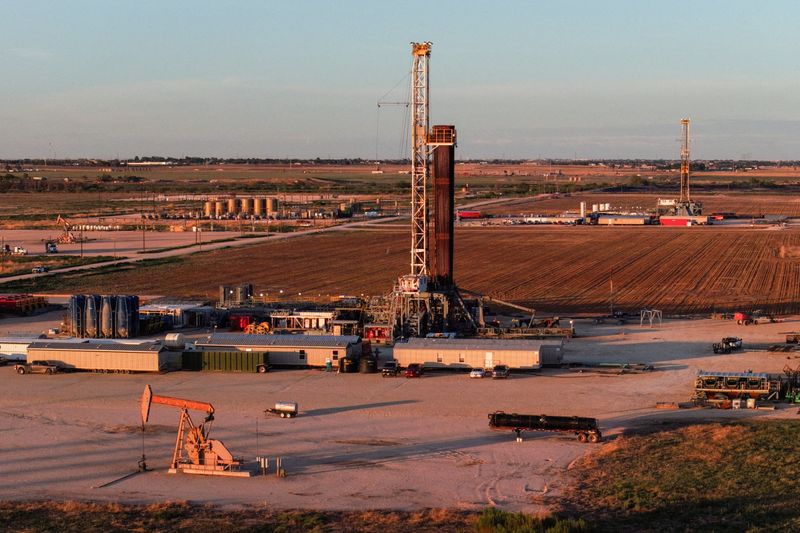
Occidental Petroleum Sells OxyChem to Berkshire Hathaway for $9.7 Billion
Written by Emily J. Thompson, Senior Investment Analyst
Updated: 2 days ago
0mins
Should l Buy OXY?
Source: NASDAQ.COM
- Debt Repayment Strategy: Occidental Petroleum sold OxyChem to Berkshire Hathaway for $9.7 billion, using over half of the proceeds to pay down debt, significantly improving its financial position and enhancing its resilience in the oil and gas sector.
- Stock Price Rebound: After a 31% decline in stock price during 2024 and 2025, Occidental's stock has rebounded over 45% since the beginning of 2026, indicating a resurgence of market confidence that may attract more investor interest.
- Reduced Capital Expenditure: The company announced a 10% reduction in capital expenditures for 2026 compared to the previous year, with full-year free cash flow estimates nearing $7 billion, which will further enhance its financial flexibility and investment capacity.
- Oil Price Sensitivity Risks: While WTI crude prices have soared above $100 per barrel, ensuring profitability, Occidental's lower diversification compared to competitors poses risks, as future oil price fluctuations could significantly impact its performance.
Trade with 70% Backtested Accuracy
Stop guessing "Should I Buy OXY?" and start using high-conviction signals backed by rigorous historical data.
Sign up today to access powerful investing tools and make smarter, data-driven decisions.
Analyst Views on OXY
Wall Street analysts forecast OXY stock price to fall
16 Analyst Rating
4 Buy
9 Hold
3 Sell
Hold
Current: 53.940

Low
38.00
Averages
47.27
High
64.00
Current: 53.940
Low
38.00
Averages
47.27
High
64.00
About OXY
Occidental Petroleum Corporation is an international energy company with assets primarily in the United States, the Middle East and North Africa. The Company is an oil and gas producer in the United States, including a producer in the Permian and DJ basins, and the offshore Gulf of Mexico. Its segments include oil and gas, and midstream and marketing. The oil and gas segment explores for, develops, and produces oil (which includes condensate), natural gas liquids (NGL) and natural gas. The Company's midstream and marketing segment purchases, markets, gathers, processes, transports, and stores oil (which includes condensate), NGL, natural gas, carbon dioxide (CO2) and power. The midstream and marketing segment provides flow assurance and maximizes the value of its oil and gas. It also optimizes its transportation and storage capacity and invests in entities that conduct similar activities. This segment also includes low-carbon venture businesses.
About the author

Emily J. Thompson
Emily J. Thompson, a Chartered Financial Analyst (CFA) with 12 years in investment research, graduated with honors from the Wharton School. Specializing in industrial and technology stocks, she provides in-depth analysis for Intellectia’s earnings and market brief reports.

Occidental Petroleum Named One of the Best Value Stocks for 2026

- Earnings Beat: Occidental Petroleum reported a Q1 2026 average daily production of 1.426 million barrels of oil equivalent, exceeding guidance in both Oil and Gas and Midstream segments, which enhances investor confidence in the company's operational strength.
- Executive Transition: President and CEO Vicki Hollub announced her retirement effective June 1, with Richard Jackson, currently Senior VP and COO, approved as her successor, potentially impacting the company's strategic direction moving forward.
- STRATOS Project Update: Jackson noted the completion of Phase 2 of the STRATOS project but identified issues related to non-process components, with ongoing assessments of repair timelines and their implications for the project's operational schedule, highlighting challenges in technology implementation.
- Capital Expenditure and Guidance Adjustments: The company maintains its capital spending outlook between $5.5 billion and $5.9 billion while raising the midpoint of its full-year midstream guidance to $1.1 billion, an increase of approximately $800 million from previous estimates, reflecting optimism about future market conditions.
See More
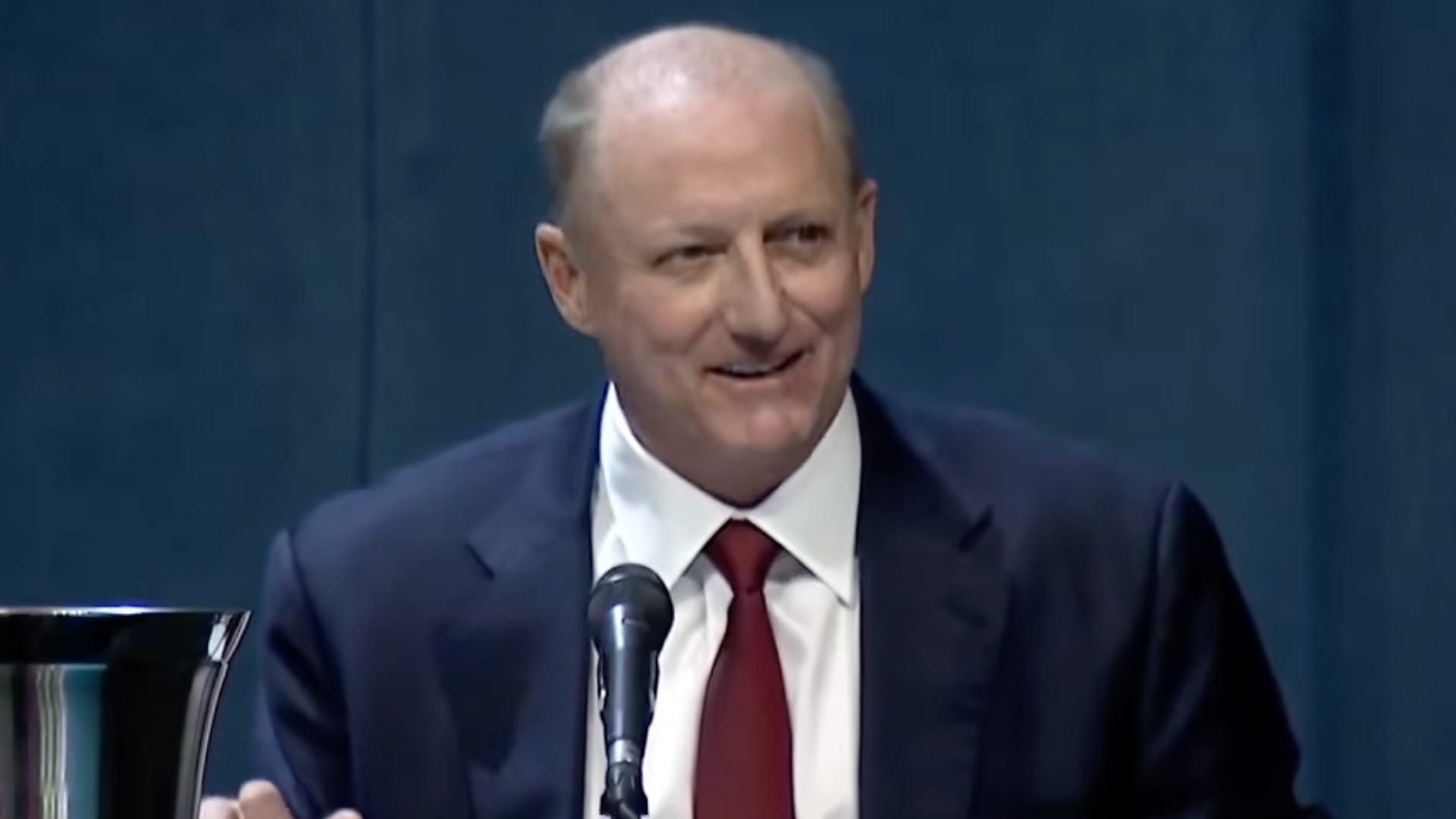
Greg Abel's First Shareholder Meeting as CEO Receives Mixed Reviews


- Attendance at Shareholder Meeting: Greg Abel's first annual meeting as CEO saw attendance at just over half capacity, indicating a significant drop in draw compared to the Buffett and Munger era, although it still surpassed typical corporate annual meetings.
- Capital Allocation Concerns: Abel's failure to provide clear guidance on the future of Berkshire's equity portfolio and substantial cash reserves has heightened investor concerns regarding the company's capital allocation strategy, potentially impacting market confidence in Berkshire.
- Lackluster Buyback Performance: Despite announcing a resumption of stock buybacks, Berkshire repurchased only $234 million in shares during Q1, falling short of market expectations and possibly undermining investor trust in the company's buyback strategy.
- New CFO Compensation: The new CFO, Charles Chang, will receive an annual salary of $8 million, a significant increase compared to the previous CFO Marc Hamburg's total compensation of $4.3 million, raising potential shareholder concerns about the reasonableness of executive pay.
See More
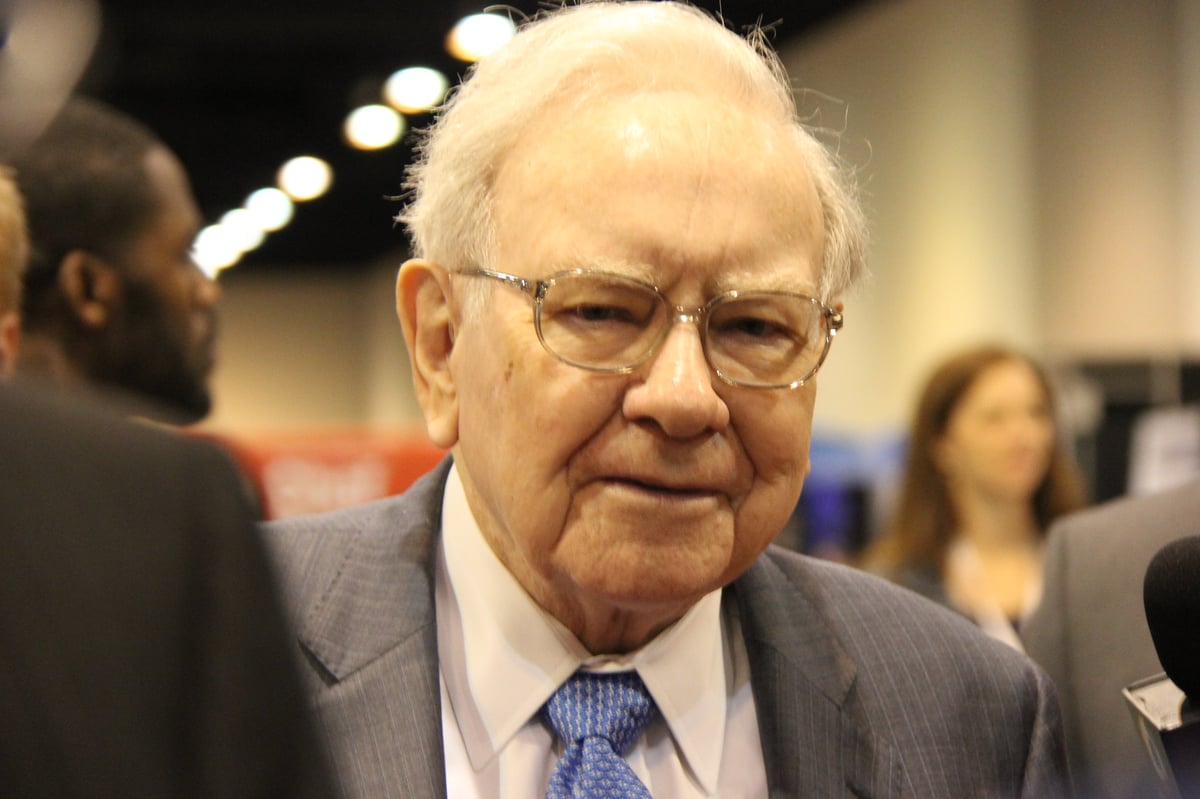
Buffett and Abel's Cash Warning Signals Market Concerns

- Cash Reserves Surge: Berkshire Hathaway's cash reserves have skyrocketed from $106 billion to $397 billion over the past four years, indicating a cautious approach to investment opportunities in the current overvalued market, potentially signaling future market pullback risks.
- Net Selling Trend: Buffett and Abel have sold approximately $194.8 billion in stocks over the past 14 quarters, reflecting their concerns about market valuations, especially as Abel's first quarter saw a net sell of $8.1 billion, the highest level since 2024.
- Valuation Warning: The Buffett indicator reached a historic high of 227% on April 30, far exceeding the historical average of 88%, suggesting that current high valuations may pose significant risks for investors, with Buffett and Abel's strategy reflecting caution towards future market volatility.
- Strategic Investment Opportunities: Despite the current market overvaluation, Berkshire Hathaway's cash reserves provide flexibility for future investment opportunities, as historically, Buffett has successfully deployed capital during market panics, and it is expected that this strategy will yield substantial returns in the future.
See More

Warren Buffett Retires, Greg Abel Takes Over as CEO
- Record Cash Reserves: Berkshire Hathaway's cash pile has surged from $106 billion to a record $397 billion over the past four years, indicating a cautious investment strategy in the current high-valuation market, with Abel poised to deploy this capital during price dislocations.
- Continued Net Stock Sales: Over the last 14 quarters, Buffett and Abel have net sold approximately $195 billion in stocks, reflecting their concerns about current market valuations and demonstrating the company's patience in seeking suitable investment opportunities.
- Buffett Indicator Hits All-Time High: As of April 30, the Buffett Indicator reached 227%, surpassing the peaks seen during the Dot Com Bubble and the Global Financial Crisis, indicating that U.S. stock market valuations are at historic highs, potentially signaling an impending market correction.
- Shift in Investment Strategy: Buffett and Abel have adjusted their investment strategy during the bull market, emphasizing cash reserves in a high-valuation environment, which suggests their vigilance regarding future market volatility and a potential search for investment opportunities during market pullbacks.
See More

Occidental Petroleum Halts New Hedging Strategy Amid Oil Price Volatility

- Hedging Strategy Shift: Occidental Petroleum faced a $339 million derivative loss in Q1 due to oil price volatility, and despite producing 617,000 barrels per day, the $76 ceiling on hedges prevented the company from benefiting from rising prices, highlighting the limitations of its hedging approach.
- Market Environment Changes: Anticipating a supply glut and modest demand growth, Occidental hedged 100,000 barrels per day at a floor of $55 and a ceiling of $76 earlier this year; however, with current prices exceeding the ceiling, the company's profitability has been adversely affected.
- Industry-Wide Challenges: Occidental is not alone, as ExxonMobil and Chevron also experienced profit declines due to hedging missteps, with Exxon’s Q1 earnings dropping from $7.3 billion to $4.9 billion, indicating a common risk across the oil sector.
- Future Strategic Direction: By halting new hedges at the $76 ceiling, Occidental aims to avoid being locked into lower prices amid rising oil costs, although this decision carries the risk of missing out on locking in current high prices if oil prices decline sharply, demonstrating the company's adaptability in a dynamic market.
See More

U.S. Stock Market Retreats as Oil Prices Surge


- Market Retreat: The S&P 500 Index fell by 0.40%, the Dow Jones Industrial Average by 0.51%, and the Nasdaq 100 by 0.28%, indicating a retreat in market sentiment as rising oil prices weigh on investor confidence and raise concerns about future economic prospects.
- Strong Employment Data: Initial jobless claims in the U.S. rose by 10,000 to 200,000, indicating a stronger labor market than the expected 205,000, while continuing claims unexpectedly fell by 10,000 to a 2.25-year low of 1.766 million, showcasing economic resilience.
- Productivity and Costs: U.S. Q1 nonfarm productivity increased by 0.8%, surpassing expectations of 0.6%, while unit labor costs rose by 2.3%, below the anticipated 2.5%, which may influence future inflation expectations and Fed policy decisions.
- Fed Policy Outlook: Boston Fed President indicated that interest rates should remain at “mildly restrictive” levels, suggesting that if inflation trends worsen significantly, a reassessment of policy would be necessary, with markets pricing in only a 6% chance of a rate cut at the next FOMC meeting.
See More
Occidental Petroleum Named One of the Best Value Stocks for 2026
- Earnings Beat: Occidental Petroleum reported a Q1 2026 average daily production of 1.426 million barrels of oil equivalent, exceeding guidance in both Oil and Gas and Midstream segments, which enhances investor confidence in the company's operational strength.
- Executive Transition: President and CEO Vicki Hollub announced her retirement effective June 1, with Richard Jackson, currently Senior VP and COO, approved as her successor, potentially impacting the company's strategic direction moving forward.
- STRATOS Project Update: Jackson noted the completion of Phase 2 of the STRATOS project but identified issues related to non-process components, with ongoing assessments of repair timelines and their implications for the project's operational schedule, highlighting challenges in technology implementation.
- Capital Expenditure and Guidance Adjustments: The company maintains its capital spending outlook between $5.5 billion and $5.9 billion while raising the midpoint of its full-year midstream guidance to $1.1 billion, an increase of approximately $800 million from previous estimates, reflecting optimism about future market conditions.
See More
Greg Abel's First Shareholder Meeting as CEO Receives Mixed Reviews
- Attendance at Shareholder Meeting: Greg Abel's first annual meeting as CEO saw attendance at just over half capacity, indicating a significant drop in draw compared to the Buffett and Munger era, although it still surpassed typical corporate annual meetings.
- Capital Allocation Concerns: Abel's failure to provide clear guidance on the future of Berkshire's equity portfolio and substantial cash reserves has heightened investor concerns regarding the company's capital allocation strategy, potentially impacting market confidence in Berkshire.
- Lackluster Buyback Performance: Despite announcing a resumption of stock buybacks, Berkshire repurchased only $234 million in shares during Q1, falling short of market expectations and possibly undermining investor trust in the company's buyback strategy.
- New CFO Compensation: The new CFO, Charles Chang, will receive an annual salary of $8 million, a significant increase compared to the previous CFO Marc Hamburg's total compensation of $4.3 million, raising potential shareholder concerns about the reasonableness of executive pay.
See More
Buffett and Abel's Cash Warning Signals Market Concerns
- Cash Reserves Surge: Berkshire Hathaway's cash reserves have skyrocketed from $106 billion to $397 billion over the past four years, indicating a cautious approach to investment opportunities in the current overvalued market, potentially signaling future market pullback risks.
- Net Selling Trend: Buffett and Abel have sold approximately $194.8 billion in stocks over the past 14 quarters, reflecting their concerns about market valuations, especially as Abel's first quarter saw a net sell of $8.1 billion, the highest level since 2024.
- Valuation Warning: The Buffett indicator reached a historic high of 227% on April 30, far exceeding the historical average of 88%, suggesting that current high valuations may pose significant risks for investors, with Buffett and Abel's strategy reflecting caution towards future market volatility.
- Strategic Investment Opportunities: Despite the current market overvaluation, Berkshire Hathaway's cash reserves provide flexibility for future investment opportunities, as historically, Buffett has successfully deployed capital during market panics, and it is expected that this strategy will yield substantial returns in the future.
See More
Warren Buffett Retires, Greg Abel Takes Over as CEO
- Record Cash Reserves: Berkshire Hathaway's cash pile has surged from $106 billion to a record $397 billion over the past four years, indicating a cautious investment strategy in the current high-valuation market, with Abel poised to deploy this capital during price dislocations.
- Continued Net Stock Sales: Over the last 14 quarters, Buffett and Abel have net sold approximately $195 billion in stocks, reflecting their concerns about current market valuations and demonstrating the company's patience in seeking suitable investment opportunities.
- Buffett Indicator Hits All-Time High: As of April 30, the Buffett Indicator reached 227%, surpassing the peaks seen during the Dot Com Bubble and the Global Financial Crisis, indicating that U.S. stock market valuations are at historic highs, potentially signaling an impending market correction.
- Shift in Investment Strategy: Buffett and Abel have adjusted their investment strategy during the bull market, emphasizing cash reserves in a high-valuation environment, which suggests their vigilance regarding future market volatility and a potential search for investment opportunities during market pullbacks.
See More
Occidental Petroleum Halts New Hedging Strategy Amid Oil Price Volatility
- Hedging Strategy Shift: Occidental Petroleum faced a $339 million derivative loss in Q1 due to oil price volatility, and despite producing 617,000 barrels per day, the $76 ceiling on hedges prevented the company from benefiting from rising prices, highlighting the limitations of its hedging approach.
- Market Environment Changes: Anticipating a supply glut and modest demand growth, Occidental hedged 100,000 barrels per day at a floor of $55 and a ceiling of $76 earlier this year; however, with current prices exceeding the ceiling, the company's profitability has been adversely affected.
- Industry-Wide Challenges: Occidental is not alone, as ExxonMobil and Chevron also experienced profit declines due to hedging missteps, with Exxon’s Q1 earnings dropping from $7.3 billion to $4.9 billion, indicating a common risk across the oil sector.
- Future Strategic Direction: By halting new hedges at the $76 ceiling, Occidental aims to avoid being locked into lower prices amid rising oil costs, although this decision carries the risk of missing out on locking in current high prices if oil prices decline sharply, demonstrating the company's adaptability in a dynamic market.
See More
U.S. Stock Market Retreats as Oil Prices Surge
- Market Retreat: The S&P 500 Index fell by 0.40%, the Dow Jones Industrial Average by 0.51%, and the Nasdaq 100 by 0.28%, indicating a retreat in market sentiment as rising oil prices weigh on investor confidence and raise concerns about future economic prospects.
- Strong Employment Data: Initial jobless claims in the U.S. rose by 10,000 to 200,000, indicating a stronger labor market than the expected 205,000, while continuing claims unexpectedly fell by 10,000 to a 2.25-year low of 1.766 million, showcasing economic resilience.
- Productivity and Costs: U.S. Q1 nonfarm productivity increased by 0.8%, surpassing expectations of 0.6%, while unit labor costs rose by 2.3%, below the anticipated 2.5%, which may influence future inflation expectations and Fed policy decisions.
- Fed Policy Outlook: Boston Fed President indicated that interest rates should remain at “mildly restrictive” levels, suggesting that if inflation trends worsen significantly, a reassessment of policy would be necessary, with markets pricing in only a 6% chance of a rate cut at the next FOMC meeting.
See More