Nvidia: The Best Investment in AI Sector
Written by Emily J. Thompson, Senior Investment Analyst
Updated: 6 days ago
0mins
Should l Buy NVDA?
Source: Fool
- Surging AI Demand: Currently, less than 20% of businesses utilize AI according to the U.S. Census Bureau, and as more organizations adopt AI, the demand for computing power is expected to rise significantly, driving Nvidia's growth in the data center market.
- Chinese Market Recovery: After the sales ban imposed by the Trump administration, Nvidia has received approval to resume shipments to China, and successfully regaining market share could provide a new growth impetus, further solidifying its leadership in the global AI market.
- Accelerating Revenue Growth: Wall Street analysts project Nvidia's revenue growth to reach 79% next quarter and 85% the following quarter, indicating a reversal of previous tapering trends, which will significantly boost investor confidence and market expectations.
- Reasonable Valuation: With a P/E ratio of 36.2, Nvidia's valuation remains attractive given its growth potential, and the market's optimistic outlook for 2026 suggests that patient long-term investors could still profit significantly, especially as AI demand continues to rise.
Trade with 70% Backtested Accuracy
Stop guessing "Should I Buy NVDA?" and start using high-conviction signals backed by rigorous historical data.
Sign up today to access powerful investing tools and make smarter, data-driven decisions.
Analyst Views on NVDA
Wall Street analysts forecast NVDA stock price to rise
41 Analyst Rating
39 Buy
1 Hold
1 Sell
Strong Buy
Current: 198.870

Low
200.00
Averages
264.97
High
352.00
Current: 198.870
Low
200.00
Averages
264.97
High
352.00
About NVDA
NVIDIA Corporation is an artificial intelligence (AI) infrastructure company. The Company is engaged in accelerated computing to help solve the challenging computational problems. Its segments include Compute & Networking and Graphics. The Compute & Networking segment includes its Data Center accelerated computing and networking platforms and AI solutions and software, and automotive platforms and autonomous and electric vehicle solutions, including software. The Graphics segment includes GeForce GPUs for gaming and personal computers (PCs), and Quadro/NVIDIA RTX GPUs for enterprise workstation graphics. Its technology stack includes the foundational NVIDIA CUDA development platform that runs on all NVIDIA GPUs, as well as hundreds of domain-specific software libraries, frameworks, algorithms, software development kits (SDKs), and application programming interfaces (APIs). Its platforms address four markets, which include Data Center, Gaming, Professional Visualization, and Automotive.
About the author

Emily J. Thompson
Emily J. Thompson, a Chartered Financial Analyst (CFA) with 12 years in investment research, graduated with honors from the Wharton School. Specializing in industrial and technology stocks, she provides in-depth analysis for Intellectia’s earnings and market brief reports.
Nvidia Stock Soars 1100% Amid AI Boom with Strong Growth Projections

- AI Market Potential: 2023 marks the unofficial start of the AI boom, with Nvidia's stock soaring over 1,100% since then, and projections indicate continued AI spending growth, leaving ample room for further stock appreciation before a potential slowdown in 2030.
- Insatiable GPU Demand: Nvidia's graphics processing units (GPUs) are in high demand, having expanded from gaming to applications in engineering simulations, drug discovery, and cryptocurrency mining, with AI being the largest use case yet to reach peak demand.
- Strong Capital Expenditure Outlook: Nvidia anticipates global data center capital expenditures could rise to $3 trillion to $4 trillion by 2030, representing significant growth potential, positioning Nvidia as a primary beneficiary in this expanding market.
- Impressive Financial Performance: Nvidia achieved a remarkable 73% growth in the last quarter, with revenue projections of 79% and 85% growth for the next two quarters, and despite a seemingly high P/E ratio, the stock is viewed as a bargain considering its future growth potential.
See More
Senator Warren Raises Concerns Over Nvidia's Acquisition of SchedMD
- Acquisition Risk Alert: Senator Warren expressed concerns in a letter to the Defense and Energy Secretaries that Nvidia's acquisition of SchedMD could pose national security risks, particularly due to the Department of Energy and Department of Defense's reliance on SchedMD's workload management software, Slurm.
- Software Dependency Issues: Slurm is recognized as the top software used globally in aerospace and defense, and Nvidia's acquisition transforms this once open-source software into a proprietary product, potentially reducing competition and impacting the operation of government supercomputers.
- Government Dependency Inquiry: Senator Warren requested information on which DOE and DOD systems rely on Nvidia's software or hardware, with a deadline for responses set for May 5, highlighting concerns over the extent of government dependency on Nvidia.
- Nvidia's Response: An Nvidia spokesperson stated that Slurm will continue to be developed and distributed as open-source software, emphasizing their commitment to openness and ongoing enhancements for customers, despite the acquisition raising competition concerns.
See More

Nvidia Stock Price Recovery Outlook
- Stock Performance Issues: Despite Nvidia's accelerating revenue growth over the past six months, its stock price has only increased by about $5, reflecting market caution regarding its future performance, which may impact investor confidence.
- External Factors Impact: The market's focus on Nvidia centers around the return on investment from AI hyperscalers; if these companies fail to generate sufficient cash flows, it could lead to a lower valuation for Nvidia, affecting its stock price.
- Future Growth Potential: Nvidia is expected to launch its new Rubin chip architecture in 2026, which could further drive revenue growth; if cloud computing companies continue to show outsized growth, it will help bolster market confidence in Nvidia.
- Market Confidence Rebuilding: If Nvidia can report solid financial results in the coming months and there is substantial progress in Iran peace talks, it may prompt the market to reassess its stock price, making it a good entry point for investors.
See More
Quantum Computing Stocks Surge Amid Nvidia's AI Models Launch

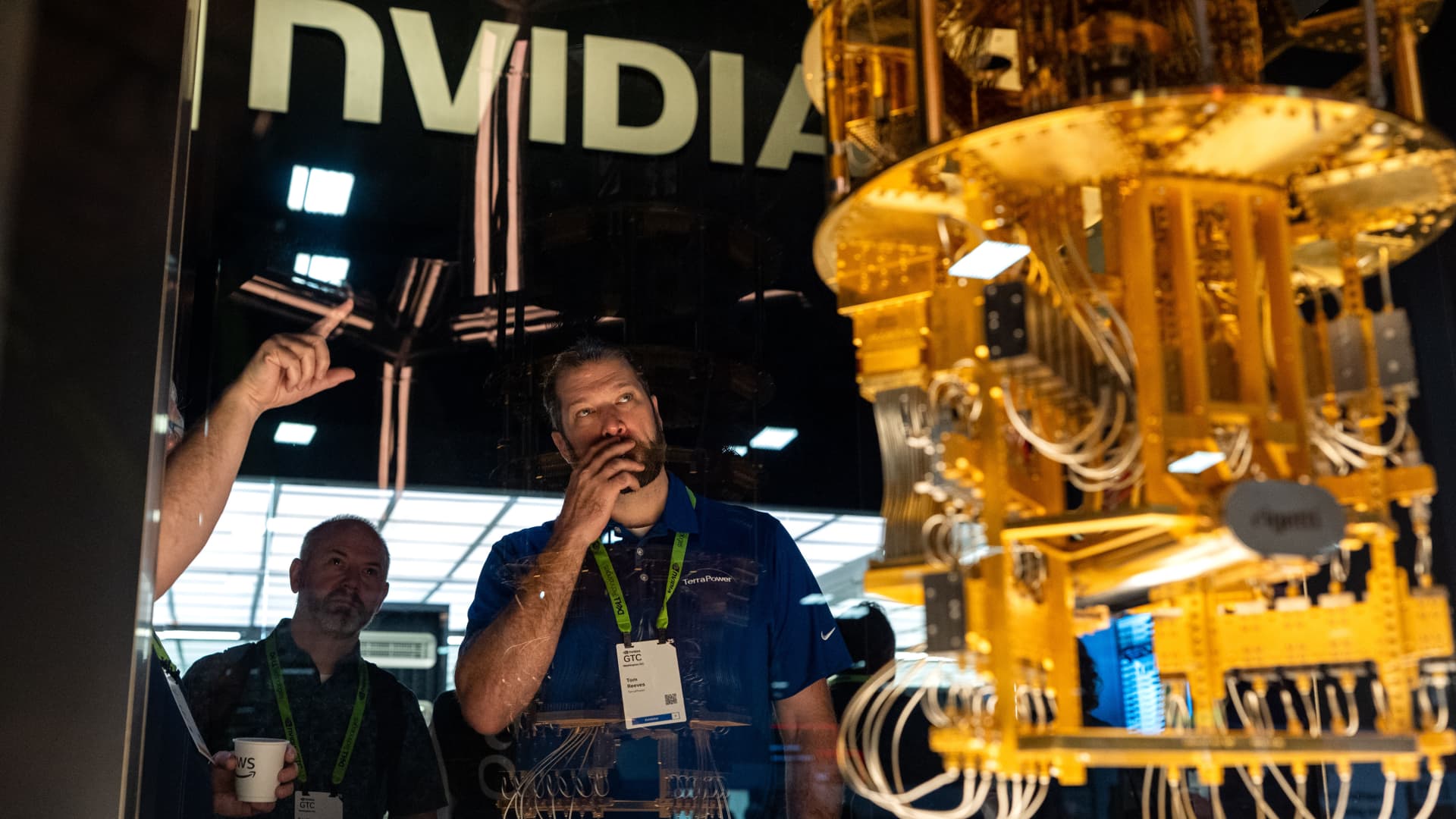
- Stock Surge: Since the beginning of the week, shares of IonQ and D-Wave Quantum have skyrocketed by 50%, while Rigetti Computing and Quantum Computing have each surged over 20%, reflecting strong market enthusiasm and investment in quantum computing.
- Nvidia Model Launch: On 'World Quantum Day', Nvidia unveiled the Ising open-source model aimed at accelerating quantum computing adoption, with CEO Jensen Huang stating that AI will serve as the operating system for quantum machines, enhancing their feasibility and reliability.
- Accelerated Tech Investment: The U.S. government and tech giants like Microsoft, Alphabet, and Amazon are heavily investing in quantum computing, which is expected to drive rapid advancements in the coming years, despite the current market size being around $31 billion.
- IonQ Milestone: IonQ announced the successful linking of two remote quantum computers, calling it a 'foundational technical milestone', and secured a contract with the Defense Advanced Research Projects Agency, further solidifying its leadership position in the quantum computing space.
See More

Quantum Computing Stocks Surge Following Nvidia's AI Announcement
- Stock Surge: This week, shares of IonQ and D-Wave Quantum skyrocketed by 50%, while Quantum Computing and Rigetti Computing saw gains of over 20%, reflecting strong market confidence in the future of quantum computing.
- Nvidia's Model Launch: On 'World Quantum Day', Nvidia unveiled the Ising open-source AI model aimed at accelerating quantum computing adoption, with CEO Jensen Huang stating that AI is crucial for making quantum computing practical, potentially transforming the operation of quantum machines.
- Investment Surge: The U.S. government and tech giants like Microsoft, Alphabet, and Amazon are heavily investing in quantum computing, and although the market remains small at around $31 billion, its transformative potential in areas like drug discovery has garnered significant attention.
- Technical Milestone: IonQ announced it successfully linked two remote quantum computers, marking an important technical milestone, and secured a contract with the Defense Advanced Research Projects Agency, further solidifying its position in the quantum computing sector.
See More
TSMC and ASML Report Strong Earnings but Stocks Decline


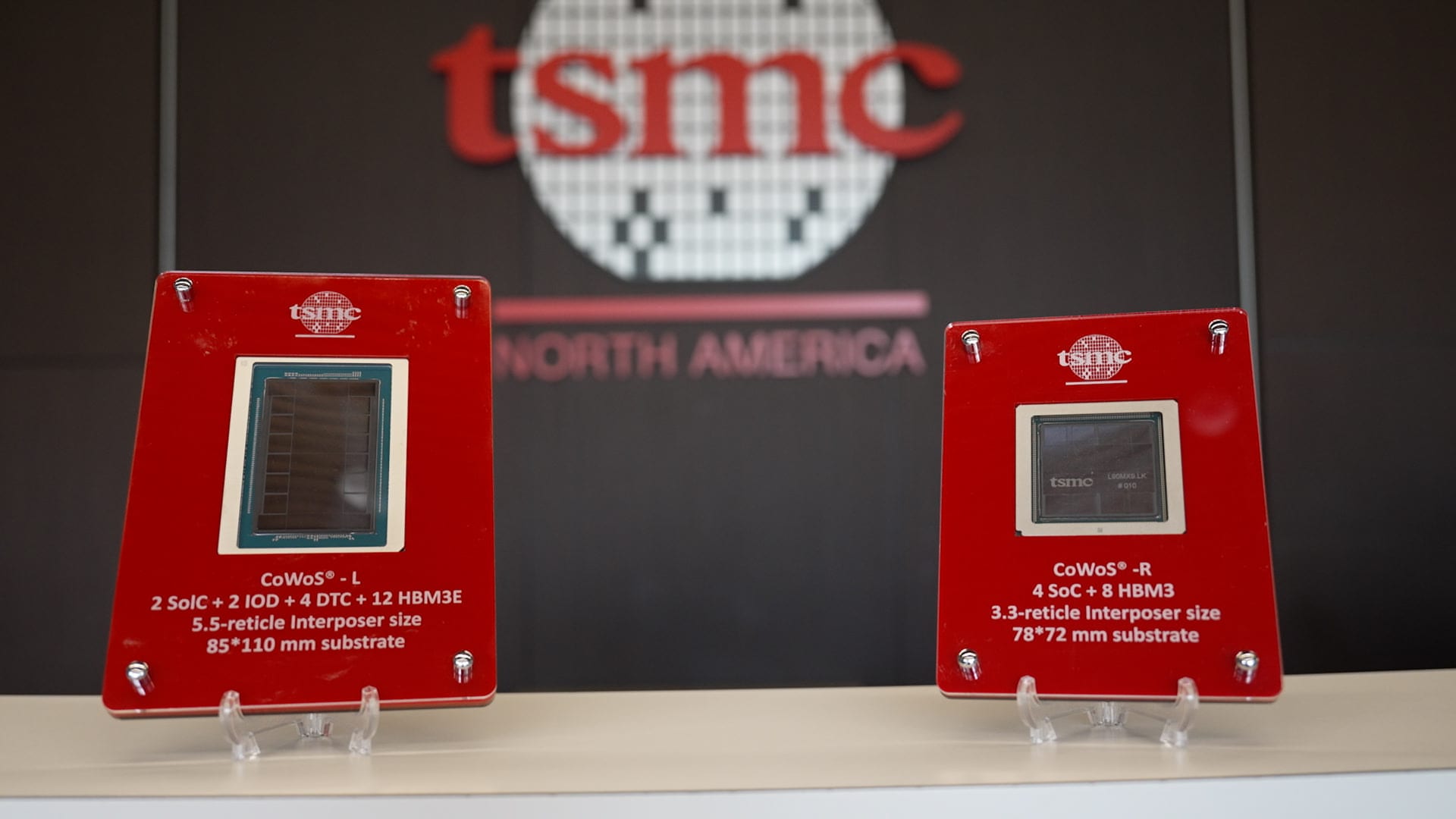
- Record Profits for TSMC: TSMC reported a 58% year-over-year profit increase in Q1, reaching a new high, indicating robust demand for AI chips; however, its stock fell about 2%, reflecting market caution regarding future expectations.
- Rising Revenue from High-Performance Computing: The high-performance computing segment accounted for 61% of TSMC's total revenue in Q1, up from 55% in the previous quarter, highlighting the company's strengthened position in the AI market, despite an 11% decline in smartphone revenue.
- ASML Delivery Expectations: ASML anticipates delivering 80 low numerical aperture EUV machines in 2027, a figure that fell short of market expectations for 90 units, leading to a 3% drop in stock price following the earnings report.
- Increased Capital Expenditure Plans: TSMC expects capital expenditures to reach $52-$56 billion in 2026, significantly up from $40.5 billion in 2025, demonstrating the company's commitment to expanding advanced chip manufacturing capacity, although the market remains cautious about achieving its targeted 30% annual growth.
See More
Nvidia Stock Soars 1100% Amid AI Boom with Strong Growth Projections
- AI Market Potential: 2023 marks the unofficial start of the AI boom, with Nvidia's stock soaring over 1,100% since then, and projections indicate continued AI spending growth, leaving ample room for further stock appreciation before a potential slowdown in 2030.
- Insatiable GPU Demand: Nvidia's graphics processing units (GPUs) are in high demand, having expanded from gaming to applications in engineering simulations, drug discovery, and cryptocurrency mining, with AI being the largest use case yet to reach peak demand.
- Strong Capital Expenditure Outlook: Nvidia anticipates global data center capital expenditures could rise to $3 trillion to $4 trillion by 2030, representing significant growth potential, positioning Nvidia as a primary beneficiary in this expanding market.
- Impressive Financial Performance: Nvidia achieved a remarkable 73% growth in the last quarter, with revenue projections of 79% and 85% growth for the next two quarters, and despite a seemingly high P/E ratio, the stock is viewed as a bargain considering its future growth potential.
See More
Senator Warren Raises Concerns Over Nvidia's Acquisition of SchedMD
- Acquisition Risk Alert: Senator Warren expressed concerns in a letter to the Defense and Energy Secretaries that Nvidia's acquisition of SchedMD could pose national security risks, particularly due to the Department of Energy and Department of Defense's reliance on SchedMD's workload management software, Slurm.
- Software Dependency Issues: Slurm is recognized as the top software used globally in aerospace and defense, and Nvidia's acquisition transforms this once open-source software into a proprietary product, potentially reducing competition and impacting the operation of government supercomputers.
- Government Dependency Inquiry: Senator Warren requested information on which DOE and DOD systems rely on Nvidia's software or hardware, with a deadline for responses set for May 5, highlighting concerns over the extent of government dependency on Nvidia.
- Nvidia's Response: An Nvidia spokesperson stated that Slurm will continue to be developed and distributed as open-source software, emphasizing their commitment to openness and ongoing enhancements for customers, despite the acquisition raising competition concerns.
See More
Nvidia Stock Price Recovery Outlook
- Stock Performance Issues: Despite Nvidia's accelerating revenue growth over the past six months, its stock price has only increased by about $5, reflecting market caution regarding its future performance, which may impact investor confidence.
- External Factors Impact: The market's focus on Nvidia centers around the return on investment from AI hyperscalers; if these companies fail to generate sufficient cash flows, it could lead to a lower valuation for Nvidia, affecting its stock price.
- Future Growth Potential: Nvidia is expected to launch its new Rubin chip architecture in 2026, which could further drive revenue growth; if cloud computing companies continue to show outsized growth, it will help bolster market confidence in Nvidia.
- Market Confidence Rebuilding: If Nvidia can report solid financial results in the coming months and there is substantial progress in Iran peace talks, it may prompt the market to reassess its stock price, making it a good entry point for investors.
See More
Quantum Computing Stocks Surge Amid Nvidia's AI Models Launch
- Stock Surge: Since the beginning of the week, shares of IonQ and D-Wave Quantum have skyrocketed by 50%, while Rigetti Computing and Quantum Computing have each surged over 20%, reflecting strong market enthusiasm and investment in quantum computing.
- Nvidia Model Launch: On 'World Quantum Day', Nvidia unveiled the Ising open-source model aimed at accelerating quantum computing adoption, with CEO Jensen Huang stating that AI will serve as the operating system for quantum machines, enhancing their feasibility and reliability.
- Accelerated Tech Investment: The U.S. government and tech giants like Microsoft, Alphabet, and Amazon are heavily investing in quantum computing, which is expected to drive rapid advancements in the coming years, despite the current market size being around $31 billion.
- IonQ Milestone: IonQ announced the successful linking of two remote quantum computers, calling it a 'foundational technical milestone', and secured a contract with the Defense Advanced Research Projects Agency, further solidifying its leadership position in the quantum computing space.
See More
Quantum Computing Stocks Surge Following Nvidia's AI Announcement
- Stock Surge: This week, shares of IonQ and D-Wave Quantum skyrocketed by 50%, while Quantum Computing and Rigetti Computing saw gains of over 20%, reflecting strong market confidence in the future of quantum computing.
- Nvidia's Model Launch: On 'World Quantum Day', Nvidia unveiled the Ising open-source AI model aimed at accelerating quantum computing adoption, with CEO Jensen Huang stating that AI is crucial for making quantum computing practical, potentially transforming the operation of quantum machines.
- Investment Surge: The U.S. government and tech giants like Microsoft, Alphabet, and Amazon are heavily investing in quantum computing, and although the market remains small at around $31 billion, its transformative potential in areas like drug discovery has garnered significant attention.
- Technical Milestone: IonQ announced it successfully linked two remote quantum computers, marking an important technical milestone, and secured a contract with the Defense Advanced Research Projects Agency, further solidifying its position in the quantum computing sector.
See More
TSMC and ASML Report Strong Earnings but Stocks Decline
- Record Profits for TSMC: TSMC reported a 58% year-over-year profit increase in Q1, reaching a new high, indicating robust demand for AI chips; however, its stock fell about 2%, reflecting market caution regarding future expectations.
- Rising Revenue from High-Performance Computing: The high-performance computing segment accounted for 61% of TSMC's total revenue in Q1, up from 55% in the previous quarter, highlighting the company's strengthened position in the AI market, despite an 11% decline in smartphone revenue.
- ASML Delivery Expectations: ASML anticipates delivering 80 low numerical aperture EUV machines in 2027, a figure that fell short of market expectations for 90 units, leading to a 3% drop in stock price following the earnings report.
- Increased Capital Expenditure Plans: TSMC expects capital expenditures to reach $52-$56 billion in 2026, significantly up from $40.5 billion in 2025, demonstrating the company's commitment to expanding advanced chip manufacturing capacity, although the market remains cautious about achieving its targeted 30% annual growth.
See More