Nvidia Reports Blowout Earnings but Stock Falls
Written by Emily J. Thompson, Senior Investment Analyst
Updated: 4 days ago
0mins
Should l Buy NVDA?
Source: NASDAQ.COM
- Impressive Earnings: Nvidia's fiscal 2026 fourth-quarter revenue surged 73% year-over-year, exceeding Wall Street expectations and demonstrating robust market demand, although the stock fell post-report, reflecting concerns over excessive AI infrastructure spending.
- Intensifying Competition: With competitors like Amazon and Alphabet launching more cost-effective AI chips, Nvidia faces increasing competition, particularly as Amazon's Tranium2 chips are fully subscribed at 1.4 million units, indicating market interest in alternatives.
- Market Concerns: Investors are worried about Nvidia's main clients overspending on AI infrastructure, which could lead to slowing sales and impact the company's long-term growth potential, despite strong performance in the short term.
- Strategic Positioning: Nvidia is launching processors based on its new Vera Rubin architecture, further solidifying its market dominance by vertically integrating its product ecosystem and establishing high barriers to entry against rival challenges.
Trade with 70% Backtested Accuracy
Stop guessing "Should I Buy NVDA?" and start using high-conviction signals backed by rigorous historical data.
Sign up today to access powerful investing tools and make smarter, data-driven decisions.
Analyst Views on NVDA
Wall Street analysts forecast NVDA stock price to rise
41 Analyst Rating
39 Buy
1 Hold
1 Sell
Strong Buy
Current: 180.250

Low
200.00
Averages
264.97
High
352.00
Current: 180.250
Low
200.00
Averages
264.97
High
352.00
About NVDA
NVIDIA Corporation is a full-stack computing infrastructure company. The Company is engaged in accelerated computing to help solve the challenging computational problems. The Company’s segments include Compute & Networking and Graphics. The Compute & Networking segment includes its Data Center accelerated computing platforms and artificial intelligence (AI) solutions and software; networking; automotive platforms and autonomous and electric vehicle solutions; Jetson for robotics and other embedded platforms, and DGX Cloud computing services. The Graphics segment includes GeForce GPUs for gaming and PCs, the GeForce NOW game streaming service and related infrastructure, and solutions for gaming platforms; Quadro/NVIDIA RTX GPUs for enterprise workstation graphics; virtual GPU software for cloud-based visual and virtual computing; automotive platforms for infotainment systems, and Omniverse Enterprise software for building and operating industrial AI and digital twin applications.
About the author

Emily J. Thompson
Emily J. Thompson, a Chartered Financial Analyst (CFA) with 12 years in investment research, graduated with honors from the Wharton School. Specializing in industrial and technology stocks, she provides in-depth analysis for Intellectia’s earnings and market brief reports.
Nvidia Projects Over $1 Trillion Revenue by 2027

- Revenue Surge Expected: Nvidia anticipates generating at least $1 trillion in revenue by 2027, driven by accelerating demand for artificial intelligence computing infrastructure, indicating strong market confidence and growth in AI technology.
- CEO Keynote Highlights: Founder and CEO Jensen Huang emphasized at GTC 2026 that the shift of AI systems from training to large-scale inference has led to a significant increase in computing requirements, marking a pivotal moment for the industry.
- Demand Comparison Analysis: Huang noted that last year at this time, the company projected a demand of $500 billion, which has now doubled, showcasing robust purchase orders and confidence in the Blackwell and Ruben products.
- Stock Price Reaction: At the time of the announcement, Nvidia's shares rose approximately 1%, reflecting the market's positive outlook on the company's future growth potential and further solidifying its leadership position in the AI sector.
See More
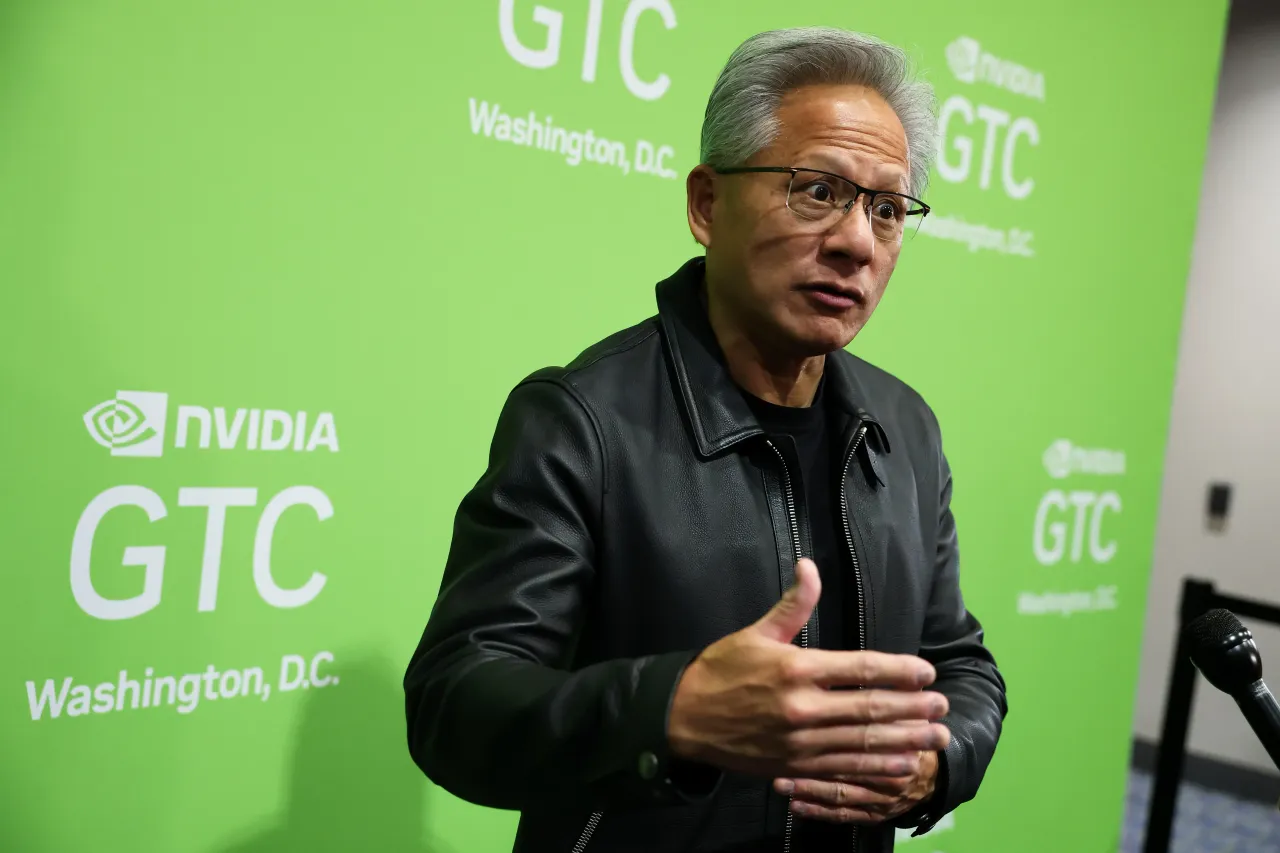
Nvidia GTC Conference Preview: Strong AI Demand Ahead
- Strong AI Demand: Gene Munster from Deepwater indicates that Nvidia will emphasize at the GTC conference that demand for AI infrastructure exceeds investor expectations, even as concerns about growth slowing in 2027 intensify, with Huang likely reiterating that AI's utility has reached an 'inflection point.'
- Economic Benefits of Rubin Architecture: Munster expects Nvidia to elaborate on how the Rubin architecture will enhance inference economics, with investors focusing on key metrics such as cost per token, throughput, and performance per watt, which could shape industry perceptions of inference infrastructure.
- Full-Stack AI Infrastructure Strategy: Analyst Patrick Moorhead notes that Nvidia is transitioning from a semiconductor company to a comprehensive AI infrastructure platform, with hyperscaler AI spending expected to exceed $600 billion this year, providing Nvidia with unusually strong demand visibility and enhancing its market position.
- Market Sentiment Shift: Despite NVDA stock rising 56% over the past year, sentiment among Stocktwits users has shifted from 'neutral' to 'bearish,' reflecting investor unease about future growth, particularly ahead of the GTC conference where signals on AI demand are closely watched.
See More
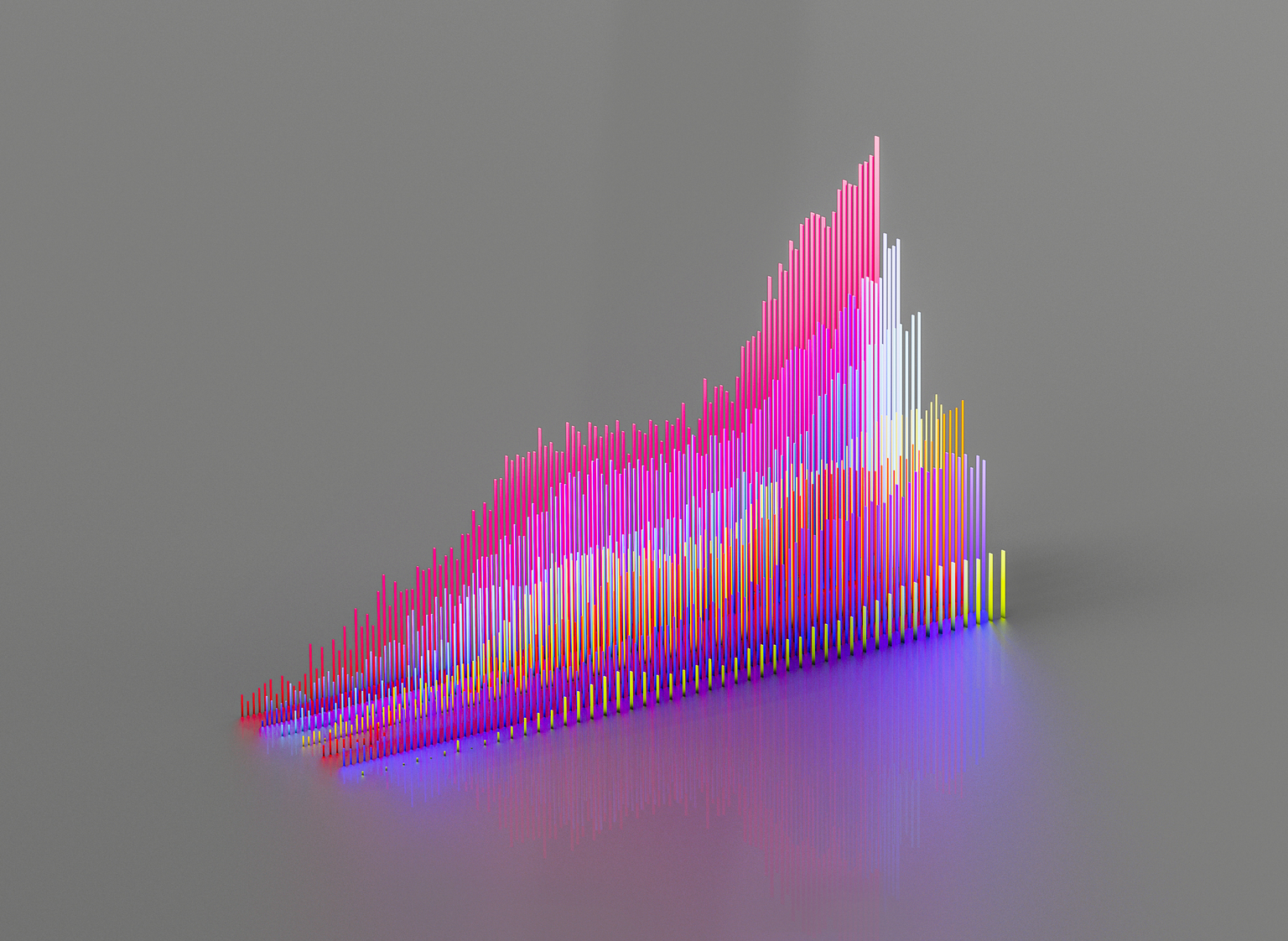
Wall Street Major Averages Rise as Oil Prices Decline Slightly

- Market Recovery: On Monday, the S&P 500 rose by 1%, the Nasdaq Composite increased by 1.2%, and the Dow Jones Industrial Average climbed by 0.8%, indicating a gradual restoration of investor confidence, particularly as oil prices experienced a slight decline.
- Surge in AI Demand: Nvidia CEO Jensen Huang announced at the annual GTC event that GPU demand reached $500 billion last year, with projections of at least $1 trillion by 2027, highlighting the company's robust growth potential in the AI sector.
- Leadership Overhaul: Fortune Brands Innovations appointed David Barry as interim CEO while initiating a search for a permanent successor, with former CEO Nicholas Fink accelerating his departure, indicating a significant strategic shift within the company.
- Settlement Approval: Hawaiian Electric announced that the U.S. District Court granted preliminary approval for a derivative settlement agreement with shareholders, involving a $100 million payment to resolve all pending derivative lawsuits, marking a reduction in the company's legal risks.
See More
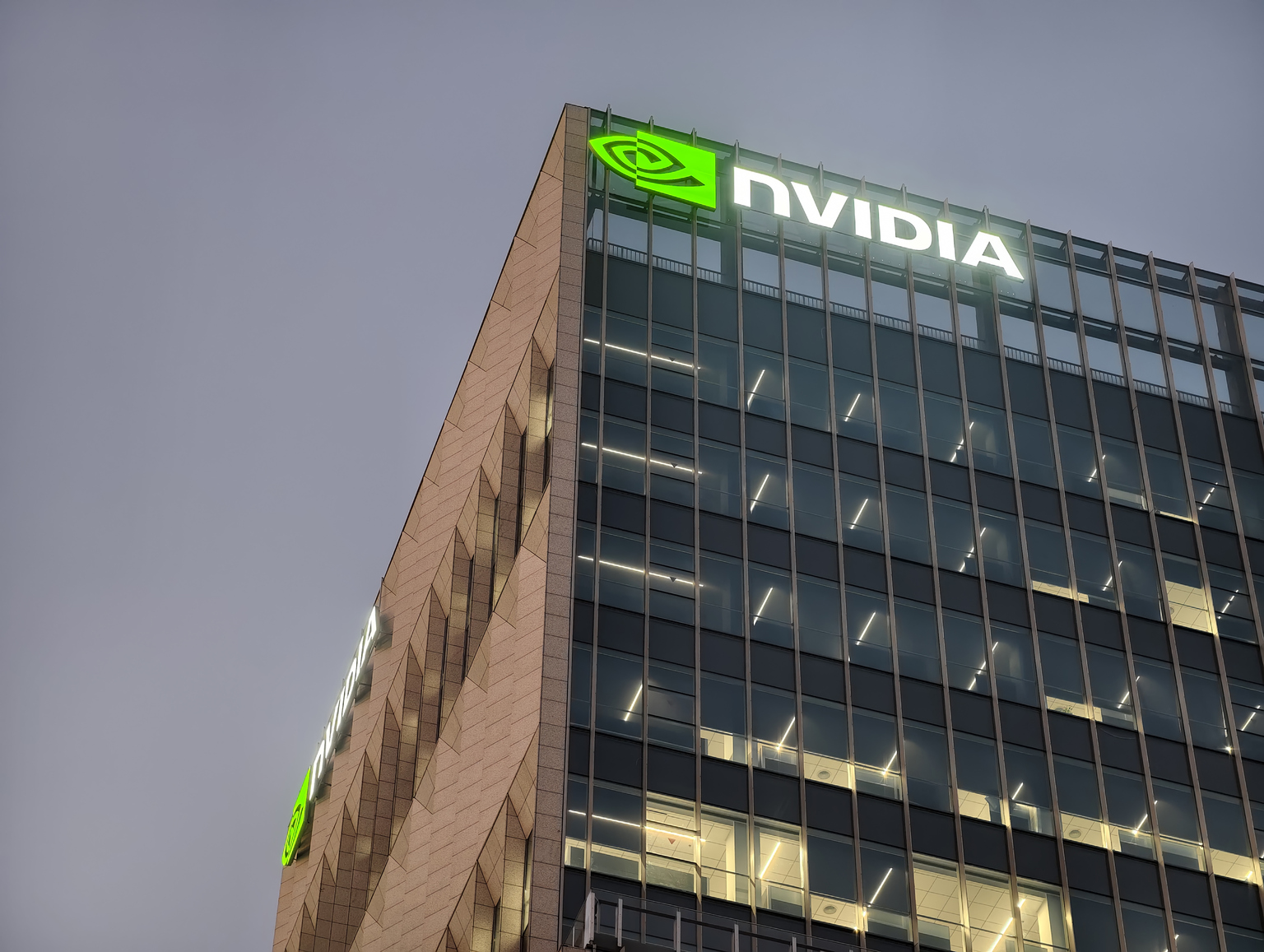
Nvidia Unveils AI Module for Space Data Centers
- AI Compute Enhancement: At the GTC event, Nvidia announced the Space-1 Vera Rubin Module, which boasts 25 times the AI compute power of the H100 GPU, signaling the arrival of next-generation data centers and expected to drive widespread adoption of space computing.
- Space Data Center Strategy: The Vera Rubin Module is part of Nvidia's strategy for space data centers, integrating existing IGX Thor and Jetson Orin platforms to enable real-time sensing and decision-making, enhancing the intelligence of space exploration.
- Industry Partnerships: Nvidia collaborates with companies like Aetherflux and Axiom Space, leveraging its computing platforms to support next-generation space missions, showcasing its leadership and market potential in the space computing sector.
- Future Availability: While the Space-1 Vera Rubin Module is not yet available, Nvidia's announcement indicates strong technical support for future space data centers, propelling the advancement of intelligence in space.
See More

VONG ETF: A Path to Millionaire Status


- Investment Growth Potential: The Vanguard Russell 1000 Growth ETF (VONG) has delivered an impressive average annual return of 16.5% since its inception in September 2010, significantly outperforming the market average, indicating strong growth potential for long-term investors.
- Low Fee Advantage: With an expense ratio of just 0.06%, investing $1,000 in VONG incurs only $0.60 in management fees annually, allowing investors to capitalize on high returns at a low cost.
- Portfolio Composition: The ETF comprises 391 large U.S. companies, with 59.7% in technology stocks, and its top five holdings include major tech names like Nvidia (12.7%) and Apple (10.8%), highlighting its focus on the tech sector.
- Wealth Growth Example: If you invest $500 monthly at a 16.5% annual return, you could accumulate approximately $323,000 after 15 years, $735,000 after 20 years, and over $1 million after 22 years, showcasing the power of compound interest.
See More

AEye Joins Nvidia's AI Systems Inspection Lab

- Strategic Partnership: AEye announced its entry into Nvidia's Halos AI Systems Inspection Lab, aiming to enhance its technological capabilities through collaboration with industry leaders, thereby solidifying its market position in the autonomous driving sector.
- Technology Integration: By partnering with Nvidia, AEye will leverage advanced AI technologies and data analytics to optimize its lidar solutions, enhancing product performance and customer satisfaction.
- Market Outlook: This collaboration is expected to bolster AEye's competitiveness in the autonomous driving and smart transportation systems market, particularly against the backdrop of increasing demand for high-precision sensors, potentially leading to new business opportunities.
- Innovation Drive: Joining Nvidia's lab will enable AEye to accelerate its product development cycles, foster technological innovation, and further enhance its leadership in the rapidly evolving autonomous driving technology landscape.
See More
Nvidia Projects Over $1 Trillion Revenue by 2027
- Revenue Surge Expected: Nvidia anticipates generating at least $1 trillion in revenue by 2027, driven by accelerating demand for artificial intelligence computing infrastructure, indicating strong market confidence and growth in AI technology.
- CEO Keynote Highlights: Founder and CEO Jensen Huang emphasized at GTC 2026 that the shift of AI systems from training to large-scale inference has led to a significant increase in computing requirements, marking a pivotal moment for the industry.
- Demand Comparison Analysis: Huang noted that last year at this time, the company projected a demand of $500 billion, which has now doubled, showcasing robust purchase orders and confidence in the Blackwell and Ruben products.
- Stock Price Reaction: At the time of the announcement, Nvidia's shares rose approximately 1%, reflecting the market's positive outlook on the company's future growth potential and further solidifying its leadership position in the AI sector.
See More
Nvidia GTC Conference Preview: Strong AI Demand Ahead
- Strong AI Demand: Gene Munster from Deepwater indicates that Nvidia will emphasize at the GTC conference that demand for AI infrastructure exceeds investor expectations, even as concerns about growth slowing in 2027 intensify, with Huang likely reiterating that AI's utility has reached an 'inflection point.'
- Economic Benefits of Rubin Architecture: Munster expects Nvidia to elaborate on how the Rubin architecture will enhance inference economics, with investors focusing on key metrics such as cost per token, throughput, and performance per watt, which could shape industry perceptions of inference infrastructure.
- Full-Stack AI Infrastructure Strategy: Analyst Patrick Moorhead notes that Nvidia is transitioning from a semiconductor company to a comprehensive AI infrastructure platform, with hyperscaler AI spending expected to exceed $600 billion this year, providing Nvidia with unusually strong demand visibility and enhancing its market position.
- Market Sentiment Shift: Despite NVDA stock rising 56% over the past year, sentiment among Stocktwits users has shifted from 'neutral' to 'bearish,' reflecting investor unease about future growth, particularly ahead of the GTC conference where signals on AI demand are closely watched.
See More
Wall Street Major Averages Rise as Oil Prices Decline Slightly
- Market Recovery: On Monday, the S&P 500 rose by 1%, the Nasdaq Composite increased by 1.2%, and the Dow Jones Industrial Average climbed by 0.8%, indicating a gradual restoration of investor confidence, particularly as oil prices experienced a slight decline.
- Surge in AI Demand: Nvidia CEO Jensen Huang announced at the annual GTC event that GPU demand reached $500 billion last year, with projections of at least $1 trillion by 2027, highlighting the company's robust growth potential in the AI sector.
- Leadership Overhaul: Fortune Brands Innovations appointed David Barry as interim CEO while initiating a search for a permanent successor, with former CEO Nicholas Fink accelerating his departure, indicating a significant strategic shift within the company.
- Settlement Approval: Hawaiian Electric announced that the U.S. District Court granted preliminary approval for a derivative settlement agreement with shareholders, involving a $100 million payment to resolve all pending derivative lawsuits, marking a reduction in the company's legal risks.
See More
Nvidia Unveils AI Module for Space Data Centers
- AI Compute Enhancement: At the GTC event, Nvidia announced the Space-1 Vera Rubin Module, which boasts 25 times the AI compute power of the H100 GPU, signaling the arrival of next-generation data centers and expected to drive widespread adoption of space computing.
- Space Data Center Strategy: The Vera Rubin Module is part of Nvidia's strategy for space data centers, integrating existing IGX Thor and Jetson Orin platforms to enable real-time sensing and decision-making, enhancing the intelligence of space exploration.
- Industry Partnerships: Nvidia collaborates with companies like Aetherflux and Axiom Space, leveraging its computing platforms to support next-generation space missions, showcasing its leadership and market potential in the space computing sector.
- Future Availability: While the Space-1 Vera Rubin Module is not yet available, Nvidia's announcement indicates strong technical support for future space data centers, propelling the advancement of intelligence in space.
See More
VONG ETF: A Path to Millionaire Status
- Investment Growth Potential: The Vanguard Russell 1000 Growth ETF (VONG) has delivered an impressive average annual return of 16.5% since its inception in September 2010, significantly outperforming the market average, indicating strong growth potential for long-term investors.
- Low Fee Advantage: With an expense ratio of just 0.06%, investing $1,000 in VONG incurs only $0.60 in management fees annually, allowing investors to capitalize on high returns at a low cost.
- Portfolio Composition: The ETF comprises 391 large U.S. companies, with 59.7% in technology stocks, and its top five holdings include major tech names like Nvidia (12.7%) and Apple (10.8%), highlighting its focus on the tech sector.
- Wealth Growth Example: If you invest $500 monthly at a 16.5% annual return, you could accumulate approximately $323,000 after 15 years, $735,000 after 20 years, and over $1 million after 22 years, showcasing the power of compound interest.
See More
AEye Joins Nvidia's AI Systems Inspection Lab
- Strategic Partnership: AEye announced its entry into Nvidia's Halos AI Systems Inspection Lab, aiming to enhance its technological capabilities through collaboration with industry leaders, thereby solidifying its market position in the autonomous driving sector.
- Technology Integration: By partnering with Nvidia, AEye will leverage advanced AI technologies and data analytics to optimize its lidar solutions, enhancing product performance and customer satisfaction.
- Market Outlook: This collaboration is expected to bolster AEye's competitiveness in the autonomous driving and smart transportation systems market, particularly against the backdrop of increasing demand for high-precision sensors, potentially leading to new business opportunities.
- Innovation Drive: Joining Nvidia's lab will enable AEye to accelerate its product development cycles, foster technological innovation, and further enhance its leadership in the rapidly evolving autonomous driving technology landscape.
See More