Rivian (RIVN) Q3 Earnings Preview: Anticipations and Insights
Rivian's Upcoming Earnings Report: Rivian is set to report its earnings this Tuesday, with analysts expecting a revenue growth of 69.9% year on year to $1.49 billion, following a previous quarter where it beat revenue expectations by 2%.
Analyst Expectations and Performance: Despite a strong revenue forecast, Rivian has missed Wall Street's revenue estimates twice in the past two years, and its adjusted loss is anticipated to be -$0.71 per share.
Comparison with Peers: Rivian's peers, Ford and General Motors, have recently reported their Q3 results, with Ford showing a 9.4% revenue growth and General Motors reporting flat revenue, both exceeding analysts' expectations.
Stock Performance and Analyst Sentiment: Rivian's stock price has remained stable over the past month, with an average analyst price target of $14.35 compared to its current price of $13.55, indicating cautious optimism among investors.
Trade with 70% Backtested Accuracy
Analyst Views on RIVN

About RIVN
About the author

Tesla vs. Rivian: Analyzing Electric Vehicle Market Dynamics


- Rivian's Financial Struggles: In Q4 2025, Rivian reported $1.29 billion in revenue, a 25.4% decline year-over-year, with automotive revenue plummeting 45%, indicating significant pressure on its core business, although its software services segment grew 109% to $447 million, suggesting early success in diversification.
- Tesla's Delivery Decline: Tesla delivered 418,227 vehicles in Q4 2025, a 16% year-over-year drop, with total deliveries for the year down about 9% to 1.63 million, reflecting weakness in its automotive market, despite a 29% growth in its energy storage business during the same quarter, showcasing resilience through diversification.
- Future Delivery Expectations: Rivian anticipates deliveries between 62,000 and 67,000 units in 2026, translating to an approximate 53% year-over-year growth at the midpoint, indicating strong long-term demand despite short-term challenges, while Tesla relies on its substantial cash flow and diversified business to navigate market fluctuations.
- Investor Confidence Divergence: Despite both companies facing high valuation pressures, Tesla's market cap stands at around $1.5 trillion with a net income of only $3.8 billion, yet investors remain optimistic about its future software and autonomous driving potential, while Rivian must overcome its $3.6 billion net loss to bolster market confidence.

Rivian Achieves First Year of Positive Gross Profit
- Rivian Profit Milestone: In 2025, Rivian achieved its first full year of positive gross profit, generating $120 million in Q4 with a 9% gross margin, marking a significant advancement in profitability despite a 45% year-over-year decline in automotive revenue.
- Tesla Delivery Decline: Tesla's total vehicle deliveries for 2025 were approximately 1.63 million, reflecting a 9% year-over-year drop, with Q4 deliveries at 418,227 units, indicating substantial pressure on car sales amid high interest rates and cautious consumer behavior.
- Software and Energy Growth: Tesla's energy storage segment deployed a record 14.2 gigawatt-hours in Q4, a 29% year-over-year increase, while its Full Self-Driving subscriptions reached 1.1 million, up 38% year-over-year, showcasing strong performance in diversifying revenue streams.
- Market Valuation Pressure: Despite Rivian's progress in profitability, it reported a net loss of $3.6 billion in 2025, while Tesla's market cap stands at around $1.5 trillion, with investors pricing in expectations for a recovery in automotive sales and significant growth in software profits, indicating high valuation pressures for both companies.
Investment Comparison: Tesla vs. Rivian
- Rivian's Financial Struggles: In Q4 2025, Rivian reported total revenue of $1.29 billion, a 25% decline year-over-year, with automotive revenue plummeting 45%, indicating significant pressure on its core business, although its software and services segment grew 109% to $447 million, reflecting efforts towards revenue diversification.
- Tesla's Delivery Decline: Tesla delivered 418,227 vehicles in Q4 2025, a 16% year-over-year drop, with total deliveries for the year down about 9% to 1.63 million; however, Tesla maintains market competitiveness with a diversified business model and strong cash flow, generating $6.2 billion in free cash flow in 2025.
- Valuation Pressure: Tesla's market capitalization stands at approximately $1.5 trillion with a net income of only $3.8 billion, indicating high investor expectations for future software and automotive sales recovery, while Rivian's net losses reached $3.6 billion, highlighting its need for improved profitability.
- Future Growth Potential: Despite challenges, Tesla's energy storage segment achieved a record deployment of 14.2 gigawatt-hours in Q4, a 29% year-over-year increase, while Rivian anticipates deliveries between 62,000 and 67,000 units in 2026, showcasing differing strategies for future growth potential.
Rivian R2 SUV Pricing and Market Outlook
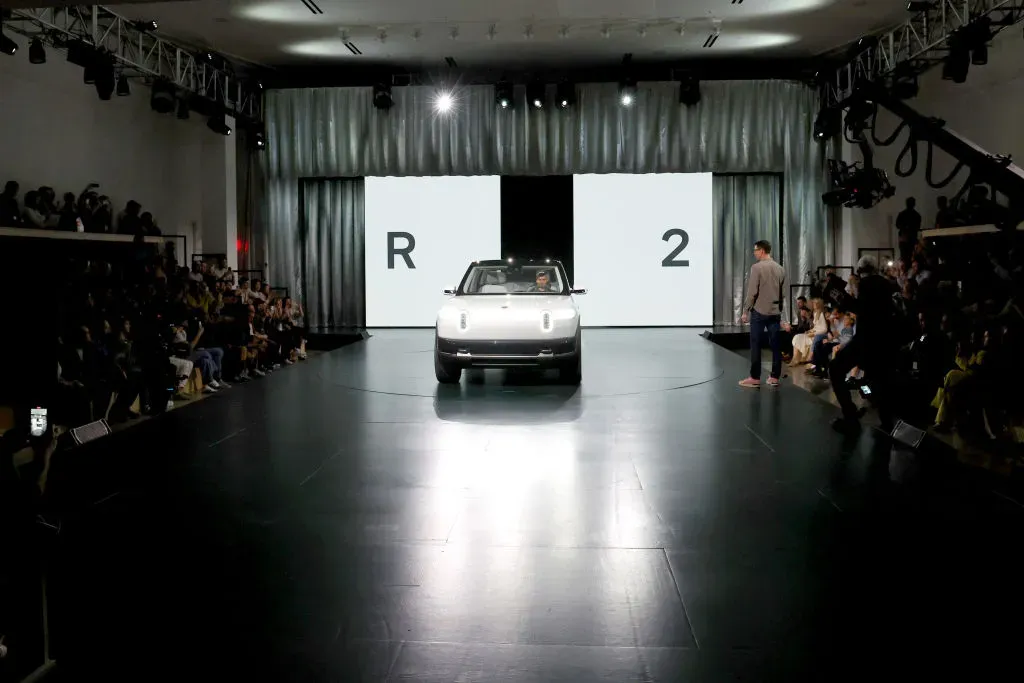
- R2 SUV Pricing: Rivian's R2 midsize SUV is projected to start at $45,000, positioning it as a competitor to Tesla's Model Y, marking the company's entry into the mass-market EV segment.
- Variant Launch: The R2 will debut with a Performance variant priced at $57,990, followed by a lower-powered Premium trim at $53,990 in late 2026, and an entry-level Standard version expected in late 2027, enhancing the product lineup.
- Production Plans: Rivian plans to manufacture the R2 in Illinois initially, with the Georgia plant providing additional capacity once operational, ensuring market demand is met and production efficiency is improved.
- Analyst Rating Upgrade: TD Cowen upgraded Rivian from 'Hold' to 'Buy', raising the price target from $17 to $20, with expected R2 demand reaching 212,000 to 335,000 units, indicating strong market potential.

Analysis of Three Growth Stock Investment Opportunities

- Rivian's Electric Truck Progress: Rivian is set to launch the R2 electric truck in 2026, which could significantly enhance profitability if successful; currently, it has $6 billion in cash to support its development, indicating strong potential in the competitive EV market.
- Visa's Stock Attractiveness: Visa's stock price has declined about 15% from recent highs, with a current P/E ratio of 30, below the five-year average of 33; while not cheap, the demand for its services continues to rise as cash transactions decrease, indicating substantial future growth potential.
- NextEra Energy's Growth Potential: NextEra Energy offers a 2.7% dividend yield with an annualized dividend growth of about 10% over the past decade; by combining traditional utility operations with a rapidly growing clean energy business, it is expected to benefit from the ongoing shift towards cleaner energy sources.
- Risk and Reward Choices: Rivian, Visa, and NextEra Energy cater to different risk appetites but all present attractive growth prospects, providing diverse investment options for various types of investors.

Cintas Successfully Acquires UniFirst

- Acquisition Success: Cintas has successfully acquired UniFirst for approximately $5.5 billion at $310 per share, significantly expanding its customer base to 300,000 and enhancing its market share and competitiveness in the uniform rental industry.
- Strategic Integration: This acquisition, which Cintas has pursued for years, not only fulfills its expansion needs but also promises to achieve cost efficiencies and improve operational effectiveness through resource integration.
- Shareholder Support: The deal was facilitated by pressure from activist investors, indicating strong shareholder backing for the company's growth strategy, which may further boost investor confidence moving forward.
- Market Reaction: Following the acquisition announcement, Cintas's stock rose by 1.6%, reflecting a positive market sentiment towards the deal, which is expected to have a favorable impact on the company's future financial performance.
Tesla vs. Rivian: Analyzing Electric Vehicle Market Dynamics
- Rivian's Financial Struggles: In Q4 2025, Rivian reported $1.29 billion in revenue, a 25.4% decline year-over-year, with automotive revenue plummeting 45%, indicating significant pressure on its core business, although its software services segment grew 109% to $447 million, suggesting early success in diversification.
- Tesla's Delivery Decline: Tesla delivered 418,227 vehicles in Q4 2025, a 16% year-over-year drop, with total deliveries for the year down about 9% to 1.63 million, reflecting weakness in its automotive market, despite a 29% growth in its energy storage business during the same quarter, showcasing resilience through diversification.
- Future Delivery Expectations: Rivian anticipates deliveries between 62,000 and 67,000 units in 2026, translating to an approximate 53% year-over-year growth at the midpoint, indicating strong long-term demand despite short-term challenges, while Tesla relies on its substantial cash flow and diversified business to navigate market fluctuations.
- Investor Confidence Divergence: Despite both companies facing high valuation pressures, Tesla's market cap stands at around $1.5 trillion with a net income of only $3.8 billion, yet investors remain optimistic about its future software and autonomous driving potential, while Rivian must overcome its $3.6 billion net loss to bolster market confidence.
Rivian Achieves First Year of Positive Gross Profit
- Rivian Profit Milestone: In 2025, Rivian achieved its first full year of positive gross profit, generating $120 million in Q4 with a 9% gross margin, marking a significant advancement in profitability despite a 45% year-over-year decline in automotive revenue.
- Tesla Delivery Decline: Tesla's total vehicle deliveries for 2025 were approximately 1.63 million, reflecting a 9% year-over-year drop, with Q4 deliveries at 418,227 units, indicating substantial pressure on car sales amid high interest rates and cautious consumer behavior.
- Software and Energy Growth: Tesla's energy storage segment deployed a record 14.2 gigawatt-hours in Q4, a 29% year-over-year increase, while its Full Self-Driving subscriptions reached 1.1 million, up 38% year-over-year, showcasing strong performance in diversifying revenue streams.
- Market Valuation Pressure: Despite Rivian's progress in profitability, it reported a net loss of $3.6 billion in 2025, while Tesla's market cap stands at around $1.5 trillion, with investors pricing in expectations for a recovery in automotive sales and significant growth in software profits, indicating high valuation pressures for both companies.
Investment Comparison: Tesla vs. Rivian
- Rivian's Financial Struggles: In Q4 2025, Rivian reported total revenue of $1.29 billion, a 25% decline year-over-year, with automotive revenue plummeting 45%, indicating significant pressure on its core business, although its software and services segment grew 109% to $447 million, reflecting efforts towards revenue diversification.
- Tesla's Delivery Decline: Tesla delivered 418,227 vehicles in Q4 2025, a 16% year-over-year drop, with total deliveries for the year down about 9% to 1.63 million; however, Tesla maintains market competitiveness with a diversified business model and strong cash flow, generating $6.2 billion in free cash flow in 2025.
- Valuation Pressure: Tesla's market capitalization stands at approximately $1.5 trillion with a net income of only $3.8 billion, indicating high investor expectations for future software and automotive sales recovery, while Rivian's net losses reached $3.6 billion, highlighting its need for improved profitability.
- Future Growth Potential: Despite challenges, Tesla's energy storage segment achieved a record deployment of 14.2 gigawatt-hours in Q4, a 29% year-over-year increase, while Rivian anticipates deliveries between 62,000 and 67,000 units in 2026, showcasing differing strategies for future growth potential.
Rivian R2 SUV Pricing and Market Outlook
- R2 SUV Pricing: Rivian's R2 midsize SUV is projected to start at $45,000, positioning it as a competitor to Tesla's Model Y, marking the company's entry into the mass-market EV segment.
- Variant Launch: The R2 will debut with a Performance variant priced at $57,990, followed by a lower-powered Premium trim at $53,990 in late 2026, and an entry-level Standard version expected in late 2027, enhancing the product lineup.
- Production Plans: Rivian plans to manufacture the R2 in Illinois initially, with the Georgia plant providing additional capacity once operational, ensuring market demand is met and production efficiency is improved.
- Analyst Rating Upgrade: TD Cowen upgraded Rivian from 'Hold' to 'Buy', raising the price target from $17 to $20, with expected R2 demand reaching 212,000 to 335,000 units, indicating strong market potential.
Analysis of Three Growth Stock Investment Opportunities
- Rivian's Electric Truck Progress: Rivian is set to launch the R2 electric truck in 2026, which could significantly enhance profitability if successful; currently, it has $6 billion in cash to support its development, indicating strong potential in the competitive EV market.
- Visa's Stock Attractiveness: Visa's stock price has declined about 15% from recent highs, with a current P/E ratio of 30, below the five-year average of 33; while not cheap, the demand for its services continues to rise as cash transactions decrease, indicating substantial future growth potential.
- NextEra Energy's Growth Potential: NextEra Energy offers a 2.7% dividend yield with an annualized dividend growth of about 10% over the past decade; by combining traditional utility operations with a rapidly growing clean energy business, it is expected to benefit from the ongoing shift towards cleaner energy sources.
- Risk and Reward Choices: Rivian, Visa, and NextEra Energy cater to different risk appetites but all present attractive growth prospects, providing diverse investment options for various types of investors.
Cintas Successfully Acquires UniFirst
- Acquisition Success: Cintas has successfully acquired UniFirst for approximately $5.5 billion at $310 per share, significantly expanding its customer base to 300,000 and enhancing its market share and competitiveness in the uniform rental industry.
- Strategic Integration: This acquisition, which Cintas has pursued for years, not only fulfills its expansion needs but also promises to achieve cost efficiencies and improve operational effectiveness through resource integration.
- Shareholder Support: The deal was facilitated by pressure from activist investors, indicating strong shareholder backing for the company's growth strategy, which may further boost investor confidence moving forward.
- Market Reaction: Following the acquisition announcement, Cintas's stock rose by 1.6%, reflecting a positive market sentiment towards the deal, which is expected to have a favorable impact on the company's future financial performance.