Netflix Shifts to Ad-Supported Model, Unlocking New Revenue Streams
Written by Emily J. Thompson, Senior Investment Analyst
Updated: 2 days ago
0mins


Should l Buy NFLX?
Source: CNBC
- User Value Reevaluation: Netflix's shift to an ad-supported model reveals that viewer engagement significantly enhances user value, with data indicating that ad-supported subscribers can generate approximately $12.89 in revenue after 10 hours of viewing, showcasing the potential of this model.
- Advertising Revenue Growth: Netflix anticipates its advertising revenue will reach $3 billion in 2026, doubling year-over-year, indicating that the rapid expansion of its advertising business will significantly boost overall revenue.
- New User Growth Trend: According to Antenna's report, 71% of new subscriber growth over the past two years has come from ad-supported tiers, reflecting a growing consumer acceptance of lower-priced ad-supported models, which could reshape the market landscape.
- Competitive Market Advantage: With over 325 million global subscribers and 95 billion hours of content watched, Netflix has a substantial opportunity for advertising revenue, and the CEO emphasizes that closing the gap between ad and ad-free subscribers is crucial for future revenue growth.
Trade with 70% Backtested Accuracy
Stop guessing "Should I Buy NFLX?" and start using high-conviction signals backed by rigorous historical data.
Sign up today to access powerful investing tools and make smarter, data-driven decisions.
Analyst Views on NFLX
Wall Street analysts forecast NFLX stock price to rise
38 Analyst Rating
27 Buy
10 Hold
1 Sell
Moderate Buy
Current: 85.450

Low
92.00
Averages
114.18
High
150.00
Current: 85.450
Low
92.00
Averages
114.18
High
150.00
About NFLX
Netflix, Inc. is a provider of entertainment services. The Company acquires, licenses and produces content, including original programming. It provides paid memberships in over 190 countries offering television (TV) series, films and games across a variety of genres and languages. It allows members to play, pause and resume watching as much as they want, anytime, anywhere, and can change their plans at any time. The Company offers members the ability to receive streaming content through a host of Internet-connected devices, including TVs, digital video players, TV set-top boxes and mobile devices. It is engaged in scaling its streaming service, such as introducing games and advertising on its service, as well as offering live programming. It is developing technology and utilizing third-party cloud computing, technology and other services. The Company is also engaged in scaling its own studio operations to produce original content.
About the author

Emily J. Thompson
Emily J. Thompson, a Chartered Financial Analyst (CFA) with 12 years in investment research, graduated with honors from the Wharton School. Specializing in industrial and technology stocks, she provides in-depth analysis for Intellectia’s earnings and market brief reports.
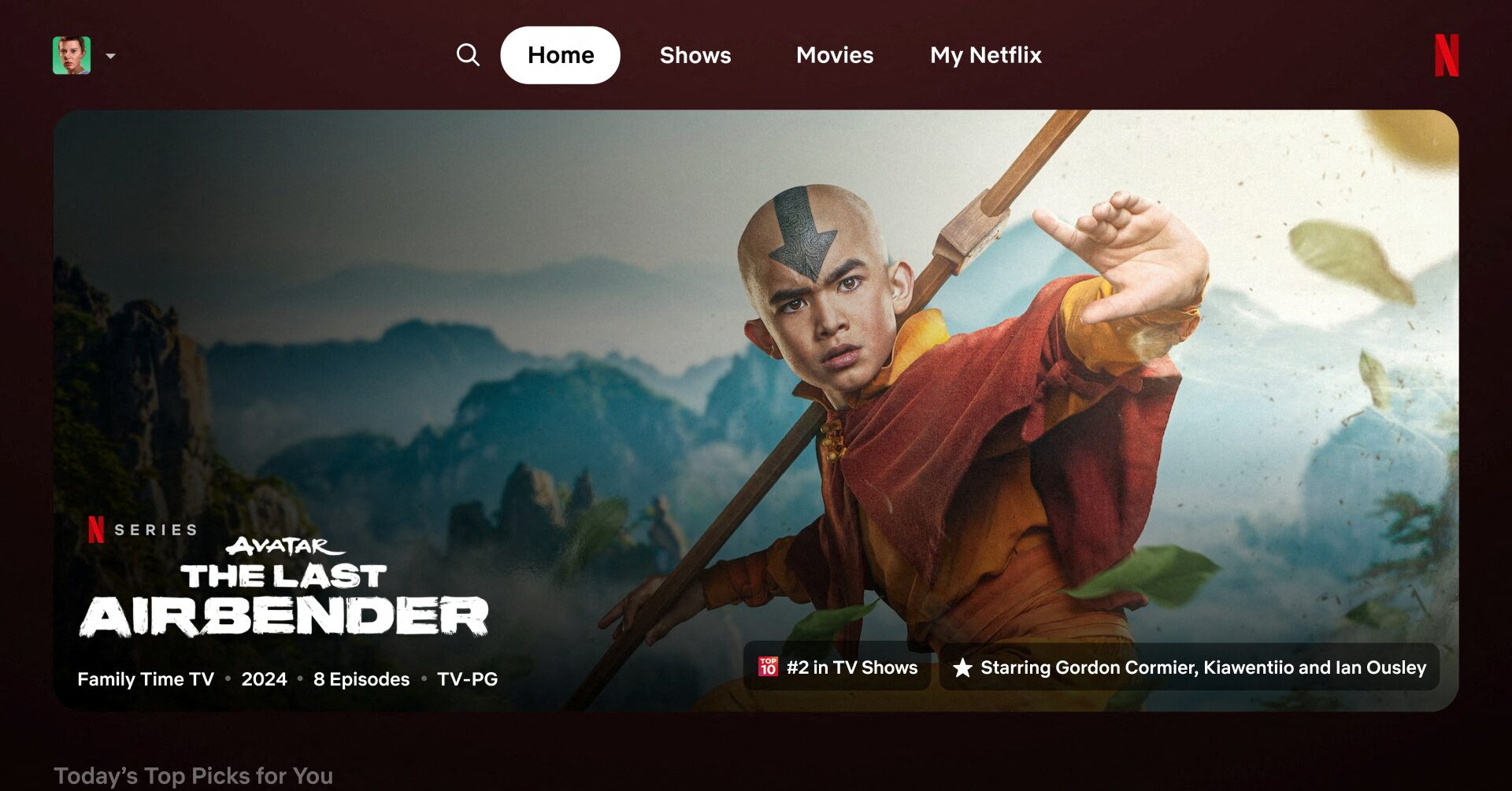
Netflix Invests Over $135 Billion in Content Over a Decade

- Significant Economic Contribution: Over the past decade, Netflix has invested more than $135 billion in films and series, contributing over $325 billion to the global economy and creating over 425,000 jobs related to productions, showcasing its dominance in the streaming industry and profound economic impact.
- User Base Expansion: By the end of 2025, Netflix's paid membership has surpassed 325 million, marking its pioneering role in at-home video entertainment and reflecting the dominance of its original intellectual properties in popular culture.
- Cultural Influence Enhancement: The launch of the 'Netflix Effect' initiative highlights the economic, cultural, and social impacts of its films and series, emphasizing how its content continuously influences various industries and everyday life, further solidifying its market position.
- Diverse Content Strategy: The company has licensed films and series from over 3,000 entities, with non-English language titles now representing over a third of all viewing, indicating Netflix's commitment to a diversified global strategy and emphasis on non-U.S. content.
See More
Texas Sues Netflix Over User Data Breach Allegations
- User Data Breach Allegations: Texas Attorney General Ken Paxton has accused Netflix of disclosing user information to commercial data brokers without consent, severely compromising user privacy and potentially impacting Netflix's user trust and future revenue.
- Addictive Platform Design: The lawsuit claims that Netflix's platform is intentionally designed to be addictive, using features that manipulate user behavior, which could lead to increased viewing time without users' awareness, thereby affecting user experience and brand image.
- Surveillance Practices Accusation: Netflix is accused of acting as a logging company that records and monetizes billions of behavioral events, raising significant legal and ethical concerns that could impact its market position and reputation.
- Market Reaction: Shares of Netflix have declined over 6% this year, with retail sentiment remaining in the 'bearish' territory, reflecting market concerns about the company's future performance and potentially leading to further erosion of investor confidence.
See More
Texas Attorney General Sues Netflix for Consumer Data Spying
- Surveillance Allegations: Texas Attorney General Ken Paxton has accused Netflix of spying on consumers by collecting data without consent, which could severely infringe on user privacy rights and negatively impact the company's reputation and user trust.
- Platform Design Controversy: Netflix is alleged to have intentionally designed its platform to enhance user addiction, potentially prompting further scrutiny from regulators, which could affect its operational model and future profitability.
- Potential Legal Consequences: The lawsuit may expose Netflix to hefty fines and legal costs, and a loss could directly impact its financial condition while also influencing its operational strategies in other states.
- Consumer Trust Crisis: The exposure of this case could lead to a decline in user trust towards Netflix, potentially affecting its user growth and retention rates, especially in a highly competitive streaming market.
See More

Media Companies Optimistic About Ad Sales Amid Industry Changes


- Ad Spending Recovery: Media companies report no significant pullbacks in ad spending during discussions with advertisers, indicating a strong recovery in market confidence despite previous economic uncertainties, which suggests a gradual return to pre-COVID levels of activity.
- Focus on Live Content: With fewer major sporting events, media firms are emphasizing live content, particularly NFL games, which are expected to draw larger audiences and boost ad revenues, reflecting a strategic shift towards high-value programming.
- Mergers and Consolidation: Warner Bros. Discovery's ongoing merger with Paramount, expected to close in Q3, aims to enhance content library depth and market competitiveness, which could drive advertising sales growth in a consolidating industry.
- AI Empowerment: Media companies are leveraging artificial intelligence to improve data analytics capabilities, enabling advertisers to better understand viewer behavior and optimize ad strategies, highlighting the growing importance and potential of technology in the advertising sector.
See More

Pharmaceutical Stocks Rise Amid Hantavirus Outbreak


- Pharmaceutical Stocks Rise: Pharmaceutical stocks are climbing amid the recent hantavirus outbreak, although officials state that the public health risk is low, indicating strong market confidence in the pharmaceutical sector, which may drive stock prices higher for related companies.
- Oil Price Fluctuations: Oil futures rose overnight following Trump's rejection of Iran's peace proposal, as investors worry that prolonged conflict will further strain crude supply, potentially leading to instability in the energy market and impacting the profitability of related firms.
- Google Stock Surge: Alphabet's stock has climbed over 160% in the past 12 months, making it the best-performing trillion-dollar U.S. tech company, reflecting strong market confidence in its artificial intelligence capabilities, which may attract more investor interest.
- Target's New Strategy: Target has rolled out
See More

Media Giants Pitch Advertisers with Focus on Sports and AI Integration
- Optimistic Ad Market: Despite ongoing global economic uncertainties, advertising executives report no significant pullback in overall ad spending, with a continued demand for sports and live content, indicating strong market confidence for the future.
- Attraction of Sports Content: Companies like NBC, Disney, and Warner Bros. are set to highlight their sports programming, particularly major events like the NFL, which are expected to draw larger audiences and boost ad revenues, reflecting the significance of sports content in advertising strategies.
- AI Technology Utilization: Media companies are leveraging artificial intelligence to enhance the ad buying experience by enabling faster data collection and analysis, helping advertisers more effectively assess ad performance and maintain competitiveness in an uncertain market environment.
- Industry Consolidation Trend: The ongoing merger talks between Warner Bros. and Paramount are indicative of accelerated industry consolidation, with content investment becoming a key driver that is expected to reshape the advertising market landscape and enhance overall content quality.
See More
Netflix Invests Over $135 Billion in Content Over a Decade
- Significant Economic Contribution: Over the past decade, Netflix has invested more than $135 billion in films and series, contributing over $325 billion to the global economy and creating over 425,000 jobs related to productions, showcasing its dominance in the streaming industry and profound economic impact.
- User Base Expansion: By the end of 2025, Netflix's paid membership has surpassed 325 million, marking its pioneering role in at-home video entertainment and reflecting the dominance of its original intellectual properties in popular culture.
- Cultural Influence Enhancement: The launch of the 'Netflix Effect' initiative highlights the economic, cultural, and social impacts of its films and series, emphasizing how its content continuously influences various industries and everyday life, further solidifying its market position.
- Diverse Content Strategy: The company has licensed films and series from over 3,000 entities, with non-English language titles now representing over a third of all viewing, indicating Netflix's commitment to a diversified global strategy and emphasis on non-U.S. content.
See More
Texas Sues Netflix Over User Data Breach Allegations
- User Data Breach Allegations: Texas Attorney General Ken Paxton has accused Netflix of disclosing user information to commercial data brokers without consent, severely compromising user privacy and potentially impacting Netflix's user trust and future revenue.
- Addictive Platform Design: The lawsuit claims that Netflix's platform is intentionally designed to be addictive, using features that manipulate user behavior, which could lead to increased viewing time without users' awareness, thereby affecting user experience and brand image.
- Surveillance Practices Accusation: Netflix is accused of acting as a logging company that records and monetizes billions of behavioral events, raising significant legal and ethical concerns that could impact its market position and reputation.
- Market Reaction: Shares of Netflix have declined over 6% this year, with retail sentiment remaining in the 'bearish' territory, reflecting market concerns about the company's future performance and potentially leading to further erosion of investor confidence.
See More
Texas Attorney General Sues Netflix for Consumer Data Spying
- Surveillance Allegations: Texas Attorney General Ken Paxton has accused Netflix of spying on consumers by collecting data without consent, which could severely infringe on user privacy rights and negatively impact the company's reputation and user trust.
- Platform Design Controversy: Netflix is alleged to have intentionally designed its platform to enhance user addiction, potentially prompting further scrutiny from regulators, which could affect its operational model and future profitability.
- Potential Legal Consequences: The lawsuit may expose Netflix to hefty fines and legal costs, and a loss could directly impact its financial condition while also influencing its operational strategies in other states.
- Consumer Trust Crisis: The exposure of this case could lead to a decline in user trust towards Netflix, potentially affecting its user growth and retention rates, especially in a highly competitive streaming market.
See More
Media Companies Optimistic About Ad Sales Amid Industry Changes
- Ad Spending Recovery: Media companies report no significant pullbacks in ad spending during discussions with advertisers, indicating a strong recovery in market confidence despite previous economic uncertainties, which suggests a gradual return to pre-COVID levels of activity.
- Focus on Live Content: With fewer major sporting events, media firms are emphasizing live content, particularly NFL games, which are expected to draw larger audiences and boost ad revenues, reflecting a strategic shift towards high-value programming.
- Mergers and Consolidation: Warner Bros. Discovery's ongoing merger with Paramount, expected to close in Q3, aims to enhance content library depth and market competitiveness, which could drive advertising sales growth in a consolidating industry.
- AI Empowerment: Media companies are leveraging artificial intelligence to improve data analytics capabilities, enabling advertisers to better understand viewer behavior and optimize ad strategies, highlighting the growing importance and potential of technology in the advertising sector.
See More
Pharmaceutical Stocks Rise Amid Hantavirus Outbreak
- Pharmaceutical Stocks Rise: Pharmaceutical stocks are climbing amid the recent hantavirus outbreak, although officials state that the public health risk is low, indicating strong market confidence in the pharmaceutical sector, which may drive stock prices higher for related companies.
- Oil Price Fluctuations: Oil futures rose overnight following Trump's rejection of Iran's peace proposal, as investors worry that prolonged conflict will further strain crude supply, potentially leading to instability in the energy market and impacting the profitability of related firms.
- Google Stock Surge: Alphabet's stock has climbed over 160% in the past 12 months, making it the best-performing trillion-dollar U.S. tech company, reflecting strong market confidence in its artificial intelligence capabilities, which may attract more investor interest.
- Target's New Strategy: Target has rolled out
See More
Media Giants Pitch Advertisers with Focus on Sports and AI Integration
- Optimistic Ad Market: Despite ongoing global economic uncertainties, advertising executives report no significant pullback in overall ad spending, with a continued demand for sports and live content, indicating strong market confidence for the future.
- Attraction of Sports Content: Companies like NBC, Disney, and Warner Bros. are set to highlight their sports programming, particularly major events like the NFL, which are expected to draw larger audiences and boost ad revenues, reflecting the significance of sports content in advertising strategies.
- AI Technology Utilization: Media companies are leveraging artificial intelligence to enhance the ad buying experience by enabling faster data collection and analysis, helping advertisers more effectively assess ad performance and maintain competitiveness in an uncertain market environment.
- Industry Consolidation Trend: The ongoing merger talks between Warner Bros. and Paramount are indicative of accelerated industry consolidation, with content investment becoming a key driver that is expected to reshape the advertising market landscape and enhance overall content quality.
See More