Netflix Board Approves Additional $25 Billion Buyback Program
Written by Emily J. Thompson, Senior Investment Analyst
Updated: 2 days ago
0mins

Should l Buy NFLX?
Source: stocktwits
- Buyback Program Expansion: Netflix's board has approved an additional $25 billion share repurchase program with no expiration date, reflecting the company's confidence in future stock performance and aiming to enhance shareholder value while stabilizing market sentiment.
- Ongoing Repurchase Strategy: This new buyback plan supplements the one approved in December 2024, indicating the company's continued commitment to capital management, which is expected to further improve stock liquidity and investor trust.
- Positive Market Reaction: Netflix shares rose over 1% in Thursday's pre-market trading, reflecting investor optimism about the company's future performance, particularly ahead of the upcoming shareholder vote, with market sentiment trending towards 'extremely bullish'.
- Retail Investor Enthusiasm: On Stocktwits, sentiment around Netflix is trending in the 'extremely bullish' territory, with message volumes at 'extremely high' levels, indicating strong confidence among retail investors regarding the company's growth potential.
Trade with 70% Backtested Accuracy
Stop guessing "Should I Buy NFLX?" and start using high-conviction signals backed by rigorous historical data.
Sign up today to access powerful investing tools and make smarter, data-driven decisions.
Analyst Views on NFLX
Wall Street analysts forecast NFLX stock price to rise
38 Analyst Rating
27 Buy
10 Hold
1 Sell
Moderate Buy
Current: 92.820

Low
92.00
Averages
114.18
High
150.00
Current: 92.820
Low
92.00
Averages
114.18
High
150.00
About NFLX
Netflix, Inc. is a provider of entertainment services. The Company acquires, licenses and produces content, including original programming. It provides paid memberships in over 190 countries offering television (TV) series, films and games across a variety of genres and languages. It allows members to play, pause and resume watching as much as they want, anytime, anywhere, and can change their plans at any time. The Company offers members the ability to receive streaming content through a host of Internet-connected devices, including TVs, digital video players, TV set-top boxes and mobile devices. It is engaged in scaling its streaming service, such as introducing games and advertising on its service, as well as offering live programming. It is developing technology and utilizing third-party cloud computing, technology and other services. The Company is also engaged in scaling its own studio operations to produce original content.
About the author

Emily J. Thompson
Emily J. Thompson, a Chartered Financial Analyst (CFA) with 12 years in investment research, graduated with honors from the Wharton School. Specializing in industrial and technology stocks, she provides in-depth analysis for Intellectia’s earnings and market brief reports.

Analysis of Netflix's Performance in Economic Recession
- Recession Impact: Economic downturns in the U.S. typically stem from declining consumer spending, and while Netflix may thrive in a mild recession, a severe downturn could lead to revenue and subscriber losses, impacting long-term growth.
- User Growth Potential: During a mild recession, consumers may cut back on outings and increase home entertainment spending, as evidenced by Netflix's 27% revenue growth and 26 million new subscribers in the first half of 2020, showcasing its resilience in adversity.
- Financial Robustness: Netflix is projected to achieve a 24% net profit margin by 2025, with an interest coverage ratio nearing 17, indicating strong financial cushioning against revenue fluctuations.
- Market Competition Pressure: Although Netflix may remain profitable during economic downturns, 62% of streaming customers feel overwhelmed by choices, and the rise of free ad-supported streaming services could weaken its market position.
See More
Analysis of Netflix's Performance in Economic Recession
- Economic Recession Impact: U.S. recessions are often triggered by declines in consumer spending, which accounts for nearly 70% of the economy, and current low consumer confidence may indicate a slowdown, posing challenges for Netflix.
- Mild Recession Opportunities: In a mild recession, Netflix could attract new users as consumers stay home and watch more streaming content, as evidenced by a 27% revenue growth and 26 million new subscribers during the early pandemic in 2020.
- Severe Recession Risks: In a severe economic downturn, surging unemployment and significant drops in consumer spending could lead to a dramatic fall in Netflix's stock price, as consumers may view it as a discretionary expense, impacting its market position.
- Financial Resilience: Despite challenges, Netflix is projected to have a 24% net profit margin in 2025, with an interest coverage ratio near 17, indicating a degree of financial resilience even in adverse economic conditions.
See More
Analysis of Netflix's Performance in Economic Recession
- Economic Recession Impact: With consumer confidence at an all-time low, investors are increasingly concerned about the potential for a recession, which could lead households to cut back on spending, thereby affecting the overall economy, while Netflix might gain new customers in this environment.
- Mild Recession Opportunity: If the U.S. experiences a slight uptick in unemployment and reduced consumer spending over the next six to twelve months, Netflix could benefit from increased demand for home entertainment, potentially achieving revenue growth even as its stock price may decline with the market.
- Severe Recession Challenges: In a severe economic downturn, soaring unemployment and significant declines in consumer spending could hinder Netflix's performance, as streaming services may be viewed as discretionary expenses, negatively impacting subscription revenue.
- Financial Resilience: Despite facing challenges, Netflix achieved a 24% net profit margin in 2025, with an interest coverage ratio nearing 17, indicating strong financial cushioning that allows it to weather short-term revenue fluctuations.
See More

Warner Bros. Discovery Shareholders Approve Paramount Merger

- Merger Progress: Warner Bros. Discovery (WBD) shareholders have approved the merger with Paramount Skydance, with the transaction expected to close by the end of 2026, pending regulatory approval, marking a significant step towards integrating HBO Max and Paramount Plus.
- Executive Compensation Controversy: CEO David Zaslav could receive a golden parachute worth up to $886 million, although the proposal did not pass due to insufficient votes, the board may still pursue this payout, highlighting the contentious nature of executive compensation and its implications for corporate governance.
- Market Reaction: Analysts noted that the merger is a “must-have” for Skydance, while Netflix's stock rebounded after the merger news, indicating market sensitivity to competitive dynamics, even as Netflix continues to lead in the streaming market.
- Termination Fee Impact: WBD will receive a $2.8 billion termination fee from Paramount Skydance to be paid to Netflix, enhancing Warner Bros.' financial flexibility and reflecting the intensifying competition within the streaming industry.
See More
Netflix's Outlook After Q1 Guidance Selloff
- Market Reaction: Following the release of its Q1 2026 earnings report, Netflix's stock plummeted by 10%, despite achieving a 16% year-over-year revenue growth to $12.2 billion and collecting a $2.8 billion merger termination fee from the Warner Bros. Discovery deal, as soft Q2 guidance and an unchanged full-year outlook triggered a sharp market reaction.
- Ad-Supported Growth: Over 60% of new signups in supported regions opted for ad plans, with ad revenue projected to double to $3 billion by 2026, which not only provides a new revenue stream but also has the potential to enhance overall margins, even though engagement has declined by 25% from peak levels.
- Rising Cost Risks: Despite subscriber growth, Netflix's content spending has risen from $17 billion to $20 billion, indicating structural cost pressures, and the departure of co-founder Reed Hastings introduces additional execution risks that could impact the company's performance during this critical transition period.
- Expanded Buyback Program: Netflix's board has approved an additional $25 billion share repurchase program, with approximately $6.8 billion remaining under its December 2024 buyback authorization, a move aimed at bolstering shareholder confidence and enhancing stock performance.
See More
Retail Traders Return to Speculative Markets Amid Regulatory Shift

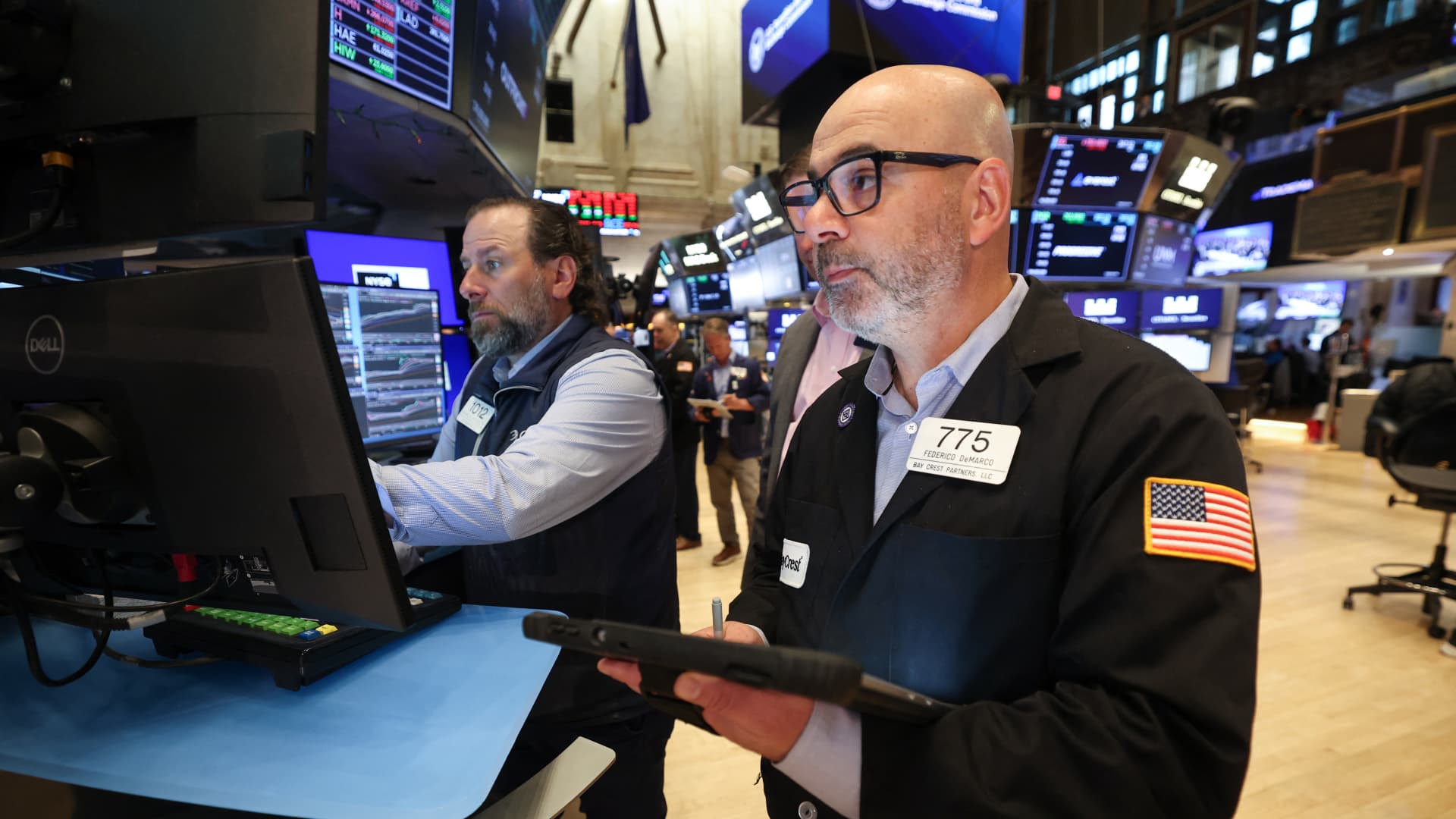
- Retail Trading Resurgence: A regulatory shift has led retail traders to re-enter speculative markets, particularly in risk assets, indicating a revival of market activity and investor confidence.
- Allbirds Stock Surge: Following its rebranding to NewBird AI, Allbirds' shares skyrocketed from approximately $2.50 to $24, although they have since retraced to around $8, highlighting the volatility inherent in such trades.
- Avis Stock Volatility: Avis Budget Group's shares soared from below $100 to nearly $850 before a sharp intraday reversal, serving as a reminder of the risks associated with momentum-driven trading.
- Regulatory Impact: The SEC's removal of the minimum equity requirement for day traders is expected to attract more small investors into short-term trading, potentially increasing market liquidity and trading volumes in the coming months.
See More
Analysis of Netflix's Performance in Economic Recession
- Recession Impact: Economic downturns in the U.S. typically stem from declining consumer spending, and while Netflix may thrive in a mild recession, a severe downturn could lead to revenue and subscriber losses, impacting long-term growth.
- User Growth Potential: During a mild recession, consumers may cut back on outings and increase home entertainment spending, as evidenced by Netflix's 27% revenue growth and 26 million new subscribers in the first half of 2020, showcasing its resilience in adversity.
- Financial Robustness: Netflix is projected to achieve a 24% net profit margin by 2025, with an interest coverage ratio nearing 17, indicating strong financial cushioning against revenue fluctuations.
- Market Competition Pressure: Although Netflix may remain profitable during economic downturns, 62% of streaming customers feel overwhelmed by choices, and the rise of free ad-supported streaming services could weaken its market position.
See More
Analysis of Netflix's Performance in Economic Recession
- Economic Recession Impact: U.S. recessions are often triggered by declines in consumer spending, which accounts for nearly 70% of the economy, and current low consumer confidence may indicate a slowdown, posing challenges for Netflix.
- Mild Recession Opportunities: In a mild recession, Netflix could attract new users as consumers stay home and watch more streaming content, as evidenced by a 27% revenue growth and 26 million new subscribers during the early pandemic in 2020.
- Severe Recession Risks: In a severe economic downturn, surging unemployment and significant drops in consumer spending could lead to a dramatic fall in Netflix's stock price, as consumers may view it as a discretionary expense, impacting its market position.
- Financial Resilience: Despite challenges, Netflix is projected to have a 24% net profit margin in 2025, with an interest coverage ratio near 17, indicating a degree of financial resilience even in adverse economic conditions.
See More
Analysis of Netflix's Performance in Economic Recession
- Economic Recession Impact: With consumer confidence at an all-time low, investors are increasingly concerned about the potential for a recession, which could lead households to cut back on spending, thereby affecting the overall economy, while Netflix might gain new customers in this environment.
- Mild Recession Opportunity: If the U.S. experiences a slight uptick in unemployment and reduced consumer spending over the next six to twelve months, Netflix could benefit from increased demand for home entertainment, potentially achieving revenue growth even as its stock price may decline with the market.
- Severe Recession Challenges: In a severe economic downturn, soaring unemployment and significant declines in consumer spending could hinder Netflix's performance, as streaming services may be viewed as discretionary expenses, negatively impacting subscription revenue.
- Financial Resilience: Despite facing challenges, Netflix achieved a 24% net profit margin in 2025, with an interest coverage ratio nearing 17, indicating strong financial cushioning that allows it to weather short-term revenue fluctuations.
See More
Warner Bros. Discovery Shareholders Approve Paramount Merger
- Merger Progress: Warner Bros. Discovery (WBD) shareholders have approved the merger with Paramount Skydance, with the transaction expected to close by the end of 2026, pending regulatory approval, marking a significant step towards integrating HBO Max and Paramount Plus.
- Executive Compensation Controversy: CEO David Zaslav could receive a golden parachute worth up to $886 million, although the proposal did not pass due to insufficient votes, the board may still pursue this payout, highlighting the contentious nature of executive compensation and its implications for corporate governance.
- Market Reaction: Analysts noted that the merger is a “must-have” for Skydance, while Netflix's stock rebounded after the merger news, indicating market sensitivity to competitive dynamics, even as Netflix continues to lead in the streaming market.
- Termination Fee Impact: WBD will receive a $2.8 billion termination fee from Paramount Skydance to be paid to Netflix, enhancing Warner Bros.' financial flexibility and reflecting the intensifying competition within the streaming industry.
See More
Netflix's Outlook After Q1 Guidance Selloff
- Market Reaction: Following the release of its Q1 2026 earnings report, Netflix's stock plummeted by 10%, despite achieving a 16% year-over-year revenue growth to $12.2 billion and collecting a $2.8 billion merger termination fee from the Warner Bros. Discovery deal, as soft Q2 guidance and an unchanged full-year outlook triggered a sharp market reaction.
- Ad-Supported Growth: Over 60% of new signups in supported regions opted for ad plans, with ad revenue projected to double to $3 billion by 2026, which not only provides a new revenue stream but also has the potential to enhance overall margins, even though engagement has declined by 25% from peak levels.
- Rising Cost Risks: Despite subscriber growth, Netflix's content spending has risen from $17 billion to $20 billion, indicating structural cost pressures, and the departure of co-founder Reed Hastings introduces additional execution risks that could impact the company's performance during this critical transition period.
- Expanded Buyback Program: Netflix's board has approved an additional $25 billion share repurchase program, with approximately $6.8 billion remaining under its December 2024 buyback authorization, a move aimed at bolstering shareholder confidence and enhancing stock performance.
See More
Retail Traders Return to Speculative Markets Amid Regulatory Shift
- Retail Trading Resurgence: A regulatory shift has led retail traders to re-enter speculative markets, particularly in risk assets, indicating a revival of market activity and investor confidence.
- Allbirds Stock Surge: Following its rebranding to NewBird AI, Allbirds' shares skyrocketed from approximately $2.50 to $24, although they have since retraced to around $8, highlighting the volatility inherent in such trades.
- Avis Stock Volatility: Avis Budget Group's shares soared from below $100 to nearly $850 before a sharp intraday reversal, serving as a reminder of the risks associated with momentum-driven trading.
- Regulatory Impact: The SEC's removal of the minimum equity requirement for day traders is expected to attract more small investors into short-term trading, potentially increasing market liquidity and trading volumes in the coming months.
See More