Neocloud Stocks Surge Amid AI Expansion and Meta Deal


- MARA Stock Surge: Despite Marathon Digital (MARA) reporting Q4 revenue of $202.3 million, below the expected $250.7 million, its stock surged 16.35% to close at $9.32, indicating strong technical momentum and short-covering effects.
- IREN's GPU Order Boost: IREN (IREN) saw a 13.30% increase in stock price, closing at $41.58, following its order of 50,000 Nvidia B300 GPUs, which is projected to generate over $3.7 billion in annualized revenue by late 2026, showcasing the company's commitment to expanding its AI computing capabilities.
- CoreWeave Rebounds: CoreWeave (CRWV) stock rose 11.12% to $81.11, despite facing legal challenges, as its Q4 revenue grew 110% year-over-year to $1.572 billion, reflecting strong market demand and significant future growth potential.
- Meta Deal Drives Market Rally: Meta's $27 billion deal with Nebius has led to broad gains across Neocloud stocks, reinforcing market confidence in the AI and cloud computing sectors and further solidifying the market positions of related companies.
Trade with 70% Backtested Accuracy
Analyst Views on MARA

About MARA
About the author


Iren Shares Plummet Amid Bitcoin Price Decline


- Significant Stock Decline: Iren (IREN) closed at $31.62, down 9.89% on Monday, reflecting strong market reactions to falling Bitcoin prices and short-term negative factors, indicating the company's vulnerability in capital-intensive growth.
- Surge in Trading Volume: The company saw a trading volume of 41.3 million shares, nearly 7.8% above its three-month average, signaling heightened investor concern regarding its future profitability and funding visibility, which may impact investor confidence.
- AI Expansion Strategy Risks: Iren's aggressive AI GPU expansion strategy raises investor concerns; while the plan aims to meet rising AI infrastructure demand, the scale of investment increases uncertainty around the timeline for profitability and heightens dilution risks.
- Market Environment Pressure: The decline in Iren's stock price aligns with the performance of peers Riot Platforms and Mara Holdings, reflecting overall pressure in the data center and Bitcoin mining sectors, prompting investors to closely monitor how the company balances AI-related revenue growth with Bitcoin dependence.

Iren Stock Falls 9.89% Amid Market Volatility and Funding Concerns
- Stock Volatility: Iren closed at $31.62, down 9.89% on Monday, reflecting heightened market concerns over weak Bitcoin prices and short interest, which have raised doubts about the company's future profitability.
- Increased Trading Volume: The trading volume reached 41.3 million shares, nearly 7.8% above the three-month average of 38.3 million shares, indicating heightened investor interest but also concerns regarding the company's aggressive AI expansion strategy.
- AI Expansion Risks: Iren's ambitious plans for significant investment in AI infrastructure aim to meet rising demand; however, the scale of investment raises questions about the timeline for profitability, increasing investor risk.
- Competitive Market Pressure: Iren faces pressure from peers like Riot Platforms and Mara Holdings, which saw declines of 7.58% and 2.81% respectively, reflecting broader industry weakness and highlighting the challenges Iren faces in a volatile market.

Middle East Tensions Impact Global Markets


- Market Recovery: The S&P 500 Index rose by 0.42%, the Dow Jones Industrial Average increased by 0.64%, and the Nasdaq 100 Index gained 0.32%, indicating a short-term market rebound amid escalating tensions in the Middle East, as investor confidence in future economic growth shows signs of recovery.
- Declining Bond Yields: The 10-year T-note yield fell by 8 basis points to 4.35%, reflecting market concerns that the ongoing war in the Middle East may lead to fuel shortages, thereby suppressing inflation expectations and potentially keeping the Fed from raising interest rates in upcoming meetings.
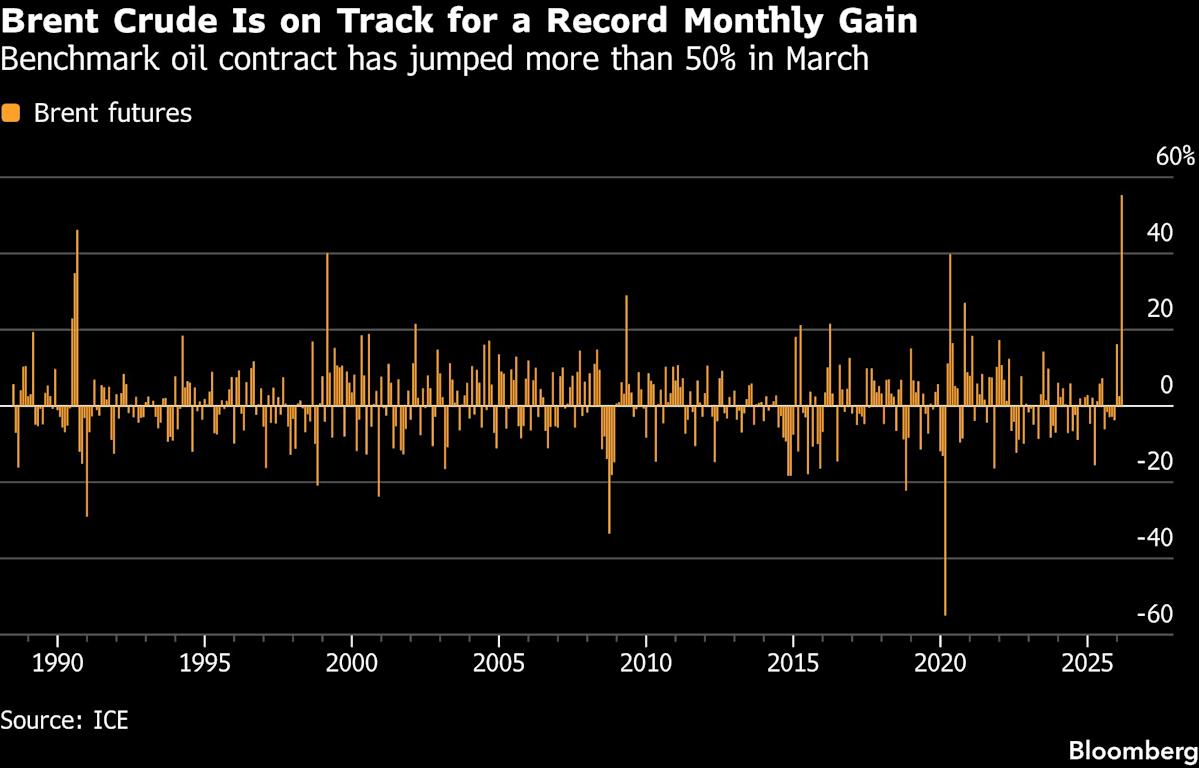
- Rising Oil Prices: Crude oil prices surged over 1% to a three-week high due to Iranian attacks on shipping, with fears that the closure of the Strait of Hormuz could disrupt global oil supplies, potentially driving prices to exceed the 2008 record high.
- Energy Infrastructure Damage: The International Energy Agency reported that more than 40 energy sites across nine Middle Eastern countries have been severely damaged, which could prolong disruptions to global supply chains after the war ends, further impacting international market stability.

MARA, CLSK, MIGI Stocks Gain in Pre-Market as Bitcoin Surges to $68K – Analysts Caution About Ongoing 'Time Pain'


Bitcoin Price Movement: Bitcoin has climbed back above $67,000, showing a 1% increase over the past 24 hours, while mining stocks like Mawson Infrastructure Group and Greenidge Generation Holdings have also seen gains of over 4% and 3%, respectively.
Market Sentiment: Analysts warn that near-term conditions for Bitcoin are unlikely to improve, with the market remaining in a prolonged consolidation phase rather than experiencing a decisive breakout above or below the $67,000 resistance level.
Long-Term Holder Profitability: Data indicates that long-term holders' profitability has dropped by approximately 58%, suggesting a consolidation at resistance levels and a reset in market positioning, despite no definitive signs of full capitulation yet.
April Outlook for Bitcoin: As April approaches, historical data suggests that Bitcoin often posts positive returns following weak first quarters, although analysts express skepticism about the likelihood of improved conditions impacting prices in the near future.

Pakistan's New Role in Middle East Diplomacy

- Diplomatic Shift: Under the coordinated leadership of Prime Minister Shehbaz Sharif and Army Chief Asim Munir, Pakistan has transitioned from regional isolation to a central role in Middle East diplomacy, becoming the primary broker between the Trump administration and Tehran, significantly improving relations with Washington.
- Economic Cooperation: High-level engagement with the U.S. has led to a cryptocurrency agreement between a firm led by U.S. Middle East envoy Steve Witkoff and the Pakistani government, further strengthening cooperation in critical minerals and counterterrorism, enhancing Pakistan's economic leverage.
- Security Interests: By assuming the mediator role, Pakistan aims to de-escalate conflicts while facing domestic pressures, particularly from its significant Shia population, ensuring border security and energy interests, with Iran agreeing to allow 20 Pakistani-flagged vessels to transit the Strait of Hormuz.
- Regional Summit: Despite Iran's initial rejection of the U.S. proposal, the upcoming multi-nation summit in Islamabad positions Pakistan as a diplomatic buffer, potentially preventing escalation into regional war, with investors closely watching for signs of stabilization in energy prices and maritime insurance rates.

US Stocks Plunge as Oil Prices Surge Amid Iran Conflict

- Market Decline: The S&P 500 index fell by 1.67%, marking a 7-month low, while the Nasdaq 100 and Dow Jones Industrial Average dropped by 1.93% and 1.73%, respectively, indicating heightened concerns over economic slowdown.
- Oil Price Surge: WTI crude oil prices surged over 5% due to fears surrounding the Iran conflict, which not only exacerbates inflation expectations but may also compel the Federal Reserve to tighten monetary policy, impacting overall economic growth.
- Consumer Sentiment Drop: The University of Michigan's consumer sentiment index was revised down to 53.3 from 55.5, below the expected 54.0, reflecting a pessimistic outlook among consumers regarding future economic conditions, potentially suppressing consumer spending.
- Escalating US-China Trade Tensions: China launched investigations into US trade practices targeting restrictions on Chinese goods, which could further disrupt global supply chains and increase market uncertainty.
Iren Shares Plummet Amid Bitcoin Price Decline
- Significant Stock Decline: Iren (IREN) closed at $31.62, down 9.89% on Monday, reflecting strong market reactions to falling Bitcoin prices and short-term negative factors, indicating the company's vulnerability in capital-intensive growth.
- Surge in Trading Volume: The company saw a trading volume of 41.3 million shares, nearly 7.8% above its three-month average, signaling heightened investor concern regarding its future profitability and funding visibility, which may impact investor confidence.
- AI Expansion Strategy Risks: Iren's aggressive AI GPU expansion strategy raises investor concerns; while the plan aims to meet rising AI infrastructure demand, the scale of investment increases uncertainty around the timeline for profitability and heightens dilution risks.
- Market Environment Pressure: The decline in Iren's stock price aligns with the performance of peers Riot Platforms and Mara Holdings, reflecting overall pressure in the data center and Bitcoin mining sectors, prompting investors to closely monitor how the company balances AI-related revenue growth with Bitcoin dependence.
Iren Stock Falls 9.89% Amid Market Volatility and Funding Concerns
- Stock Volatility: Iren closed at $31.62, down 9.89% on Monday, reflecting heightened market concerns over weak Bitcoin prices and short interest, which have raised doubts about the company's future profitability.
- Increased Trading Volume: The trading volume reached 41.3 million shares, nearly 7.8% above the three-month average of 38.3 million shares, indicating heightened investor interest but also concerns regarding the company's aggressive AI expansion strategy.
- AI Expansion Risks: Iren's ambitious plans for significant investment in AI infrastructure aim to meet rising demand; however, the scale of investment raises questions about the timeline for profitability, increasing investor risk.
- Competitive Market Pressure: Iren faces pressure from peers like Riot Platforms and Mara Holdings, which saw declines of 7.58% and 2.81% respectively, reflecting broader industry weakness and highlighting the challenges Iren faces in a volatile market.
Middle East Tensions Impact Global Markets
- Market Recovery: The S&P 500 Index rose by 0.42%, the Dow Jones Industrial Average increased by 0.64%, and the Nasdaq 100 Index gained 0.32%, indicating a short-term market rebound amid escalating tensions in the Middle East, as investor confidence in future economic growth shows signs of recovery.
- Declining Bond Yields: The 10-year T-note yield fell by 8 basis points to 4.35%, reflecting market concerns that the ongoing war in the Middle East may lead to fuel shortages, thereby suppressing inflation expectations and potentially keeping the Fed from raising interest rates in upcoming meetings.
- Rising Oil Prices: Crude oil prices surged over 1% to a three-week high due to Iranian attacks on shipping, with fears that the closure of the Strait of Hormuz could disrupt global oil supplies, potentially driving prices to exceed the 2008 record high.
- Energy Infrastructure Damage: The International Energy Agency reported that more than 40 energy sites across nine Middle Eastern countries have been severely damaged, which could prolong disruptions to global supply chains after the war ends, further impacting international market stability.
MARA, CLSK, MIGI Stocks Gain in Pre-Market as Bitcoin Surges to $68K – Analysts Caution About Ongoing 'Time Pain'
Bitcoin Price Movement: Bitcoin has climbed back above $67,000, showing a 1% increase over the past 24 hours, while mining stocks like Mawson Infrastructure Group and Greenidge Generation Holdings have also seen gains of over 4% and 3%, respectively.
Market Sentiment: Analysts warn that near-term conditions for Bitcoin are unlikely to improve, with the market remaining in a prolonged consolidation phase rather than experiencing a decisive breakout above or below the $67,000 resistance level.
Long-Term Holder Profitability: Data indicates that long-term holders' profitability has dropped by approximately 58%, suggesting a consolidation at resistance levels and a reset in market positioning, despite no definitive signs of full capitulation yet.
April Outlook for Bitcoin: As April approaches, historical data suggests that Bitcoin often posts positive returns following weak first quarters, although analysts express skepticism about the likelihood of improved conditions impacting prices in the near future.
Pakistan's New Role in Middle East Diplomacy
- Diplomatic Shift: Under the coordinated leadership of Prime Minister Shehbaz Sharif and Army Chief Asim Munir, Pakistan has transitioned from regional isolation to a central role in Middle East diplomacy, becoming the primary broker between the Trump administration and Tehran, significantly improving relations with Washington.
- Economic Cooperation: High-level engagement with the U.S. has led to a cryptocurrency agreement between a firm led by U.S. Middle East envoy Steve Witkoff and the Pakistani government, further strengthening cooperation in critical minerals and counterterrorism, enhancing Pakistan's economic leverage.
- Security Interests: By assuming the mediator role, Pakistan aims to de-escalate conflicts while facing domestic pressures, particularly from its significant Shia population, ensuring border security and energy interests, with Iran agreeing to allow 20 Pakistani-flagged vessels to transit the Strait of Hormuz.
- Regional Summit: Despite Iran's initial rejection of the U.S. proposal, the upcoming multi-nation summit in Islamabad positions Pakistan as a diplomatic buffer, potentially preventing escalation into regional war, with investors closely watching for signs of stabilization in energy prices and maritime insurance rates.
US Stocks Plunge as Oil Prices Surge Amid Iran Conflict
- Market Decline: The S&P 500 index fell by 1.67%, marking a 7-month low, while the Nasdaq 100 and Dow Jones Industrial Average dropped by 1.93% and 1.73%, respectively, indicating heightened concerns over economic slowdown.
- Oil Price Surge: WTI crude oil prices surged over 5% due to fears surrounding the Iran conflict, which not only exacerbates inflation expectations but may also compel the Federal Reserve to tighten monetary policy, impacting overall economic growth.
- Consumer Sentiment Drop: The University of Michigan's consumer sentiment index was revised down to 53.3 from 55.5, below the expected 54.0, reflecting a pessimistic outlook among consumers regarding future economic conditions, potentially suppressing consumer spending.
- Escalating US-China Trade Tensions: China launched investigations into US trade practices targeting restrictions on Chinese goods, which could further disrupt global supply chains and increase market uncertainty.