Musk's Terafab Chip Factory Plans Boost Semiconductor Equipment Stocks
Written by Emily J. Thompson, Senior Investment Analyst
Updated: Mar 23 2026
0mins


Should l Buy TSLA?
Source: Yahoo Finance
- Positive Market Reaction: Following Musk's announcement of plans to build the Terafab chip factory, semiconductor equipment stocks like ASML surged, reflecting strong market optimism about the new investment, which is expected to drive stock prices and market capitalization growth for related companies.
- Massive Investment Scale: The construction of the Terafab factory will involve substantial investment, with specific amounts yet to be disclosed, but it is anticipated to bring significant capital inflow into the semiconductor industry, thereby promoting technological innovation and capacity expansion.
- Optimistic Industry Outlook: As global demand for chips continues to rise, the establishment of Terafab is expected to enhance production capacity and potentially revive the entire semiconductor supply chain, strengthening the market competitiveness of related companies.
- Far-reaching Strategic Implications: Musk's initiative demonstrates confidence in the future development of the semiconductor industry, which may attract more investors' attention to the sector, further driving technological advancement and market consolidation.
Trade with 70% Backtested Accuracy
Stop guessing "Should I Buy TSLA?" and start using high-conviction signals backed by rigorous historical data.
Sign up today to access powerful investing tools and make smarter, data-driven decisions.
Analyst Views on TSLA
Wall Street analysts forecast TSLA stock price to rise
30 Analyst Rating
12 Buy
11 Hold
7 Sell
Hold
Current: 361.830

Low
25.28
Averages
401.93
High
600.00
Current: 361.830
Low
25.28
Averages
401.93
High
600.00
About TSLA
Tesla, Inc. designs, develops, manufactures, sells and leases high-performance fully electric vehicles and energy generation and storage systems, and offers services related to its products. Its segments include automotive, and energy generation and storage. The automotive segment includes the design, development, manufacturing, sales and leasing of high-performance fully electric vehicles, and sales of automotive regulatory credits. It also includes sales of used vehicles, non-warranty maintenance services and collisions, part sales, paid supercharging, insurance services revenue and retail merchandise sales. The energy generation and storage segment include the design, manufacture, installation, sales and leasing of solar energy generation and energy storage products and related services and sales of solar energy systems incentives. Its consumer vehicles include the Model 3, Y, S, X and Cybertruck. Its lithium-ion battery energy storage products include Powerwall and Megapack.
About the author

Emily J. Thompson
Emily J. Thompson, a Chartered Financial Analyst (CFA) with 12 years in investment research, graduated with honors from the Wharton School. Specializing in industrial and technology stocks, she provides in-depth analysis for Intellectia’s earnings and market brief reports.

Tesla Faces Tough Start to 2026 with Declining Deliveries and Margins

- Significant Stock Decline: Tesla's stock has lost over 20% since the beginning of 2026, currently trading around $356, which may attract investor interest but also signals potential further downside risks.
- Declining Delivery Expectations: The company is expected to deliver approximately 366,000 vehicles in Q1 2026, representing a 9% year-over-year increase, yet a 13% sequential drop from 418,227 vehicles in Q4 2025, indicating serious challenges in delivery performance.
- Deteriorating Profitability: Tesla's latest operating margin fell to 5.7%, down from 6.2% year-over-year, and earnings per share plummeted 60% to $0.24, highlighting the company's financial struggles amid fierce competition and pricing pressures.
- Increased Capital Expenditures: With capital expenditures reaching $8.5 billion in 2025 and expected to rise in 2026, these investments may offer long-term growth opportunities but significantly elevate the company's risk profile.
See More

Tesla and BYD Electric Vehicle Market Competition Analysis
- Sales Comparison: BYD produced 2.22 million passenger EVs last year, a 25% increase, while Tesla produced 1.65 million; although Tesla remains a market leader, BYD's rapid growth could impact Tesla's market share.
- Delivery Data: BYD's EV deliveries reached 2.26 million, up nearly 28%, while Tesla's deliveries fell by 9%, indicating BYD's superior performance in meeting market demand, posing a threat to Tesla's sales.
- Technological Innovation: BYD introduced a fast-charging battery that can charge from 20% to 97% in just 12 minutes even in extreme temperatures, which may attract more price-sensitive consumers and enhance its competitive edge.
- Strategic Shift: Tesla plans to utilize vacant space in its Fremont, California factory to produce AI-powered Optimus humanoid robots; while this strategic pivot may present new growth opportunities, it also carries execution risks, especially given its high valuation, necessitating cautious evaluation by investors regarding its long-term outlook.
See More
Canaccord Lowers Tesla Price Target to $420 While Raising Q1 Delivery Estimate
- Delivery Estimate Increase: Canaccord raised Tesla's Q1 delivery estimate from 367,700 to 370,000 vehicles, despite sluggish demand in China, indicating that the company still holds competitive strength in the global EV market.
- Price Target Adjustment: Canaccord lowered Tesla's price target from $520 to $420 while maintaining a 'Buy' rating, suggesting an 18% upside from current levels, reflecting a cautious market sentiment regarding Tesla's future growth potential.
- Weak Demand Signals: GLJ Research reiterated a 'Sell' rating with a price target of $24.86, implying a 93% downside, highlighting concerns over Tesla's organic demand recovery, particularly driven by subsidy arbitrage in Korea rather than genuine customer demand.
- Market Sentiment Shift: On Stocktwits, retail sentiment for Tesla has dropped from 'bearish' to 'extremely bearish' amid a nearly 400% surge in message volume, reflecting investor anxiety about Tesla's future performance, especially with the stock down approximately 21% year-to-date.
See More

Tesla Faces Rough Start to 2026 with Over 20% Stock Decline
- Profitability Decline: Tesla's fourth-quarter operating margin fell from 6.2% to 5.7%, with earnings per share plummeting 60% year-over-year to $0.24, indicating financial strain amid fierce competition and pricing pressures, which could undermine investor confidence.
- Delivery Pressure: Tesla's full-year vehicle deliveries dropped 9% year-over-year, with first-quarter expectations at 366,000 units, representing a 9% increase from last year but a concerning 13% decline from the fourth quarter's 418,227 units, highlighting challenges in its core automotive operations.
- Surging Capital Expenditures: The company's capital expenditures reached $8.5 billion in 2025, with expectations for even higher spending in 2026 on next-generation technologies, which increases financial risk without clear evidence of high returns on investment in the short term.
- Growth in Self-Driving Subscriptions: Despite challenges, Tesla's supervised full self-driving subscriptions reached 1.1 million in Q4, up 38% year-over-year, while its energy storage division deployed a record 46.7 GWh in 2025, a 49% increase, indicating potential in new business areas.
See More
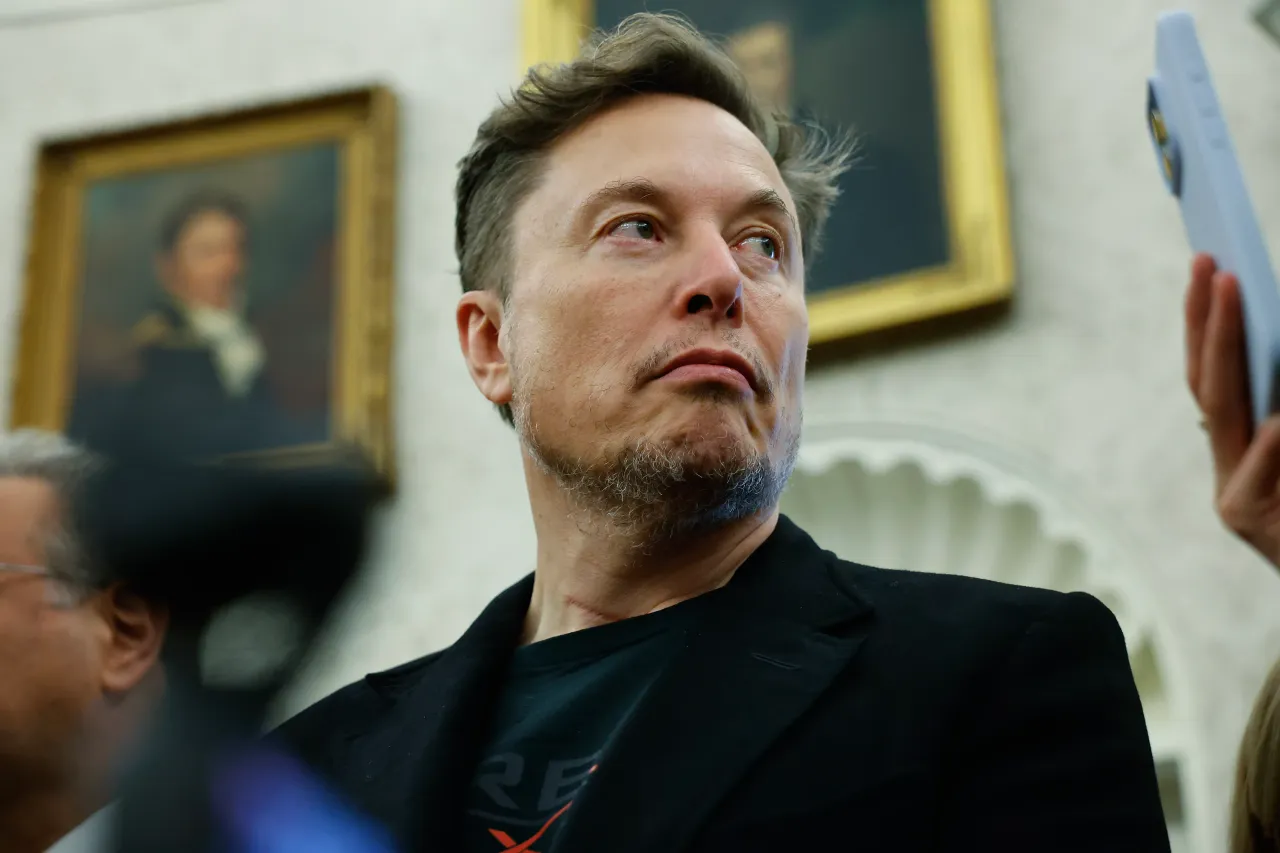
Tesla Shareholder Dismisses Case as Judge Addresses Bias Allegations
- Judge Addresses Bias Allegations: Chancellor Kathaleen McCormick of the Delaware Court stated that the motion for her recusal is based on a false premise, reaffirming her impartiality towards Musk, which highlights the judge's resolve amid public scrutiny.
- Shareholder Dismissal Impact: Tesla shareholder David Wagner's dismissal of his lawsuit against the board may alleviate some legal pressures on the company, while also reflecting a potential erosion of shareholder confidence in corporate governance.
- Musk's Conflict with the Judge: Musk has repeatedly criticized McCormick, accusing her of supporting the board's breach of fiduciary duties in the 2018 pay package, indicating his strong dissatisfaction with both corporate governance and judicial fairness.
- Retail Investor Sentiment Shift: Retail sentiment around TSLA stock has shifted from 'bearish' to 'extremely bearish' over the past 24 hours, despite a 37% gain in the stock over the past year, suggesting a decline in investor confidence regarding the company's future.
See More

Tesla Stock Under Pressure as Investors Eye Delivery Data

- Stock Decline: Tesla's stock closed at $355.28 on Monday, down 1.81%, reflecting market skepticism regarding ongoing EV pricing pressures and the company's pivot towards AI and robotaxis, which may impact future investor confidence.
- Increased Trading Volume: Trading volume reached 64.4 million shares, approximately 5.2% above the three-month average, indicating heightened market interest in Tesla's stock, despite the prevailing negative sentiment.
- Poor Year-to-Date Performance: Tesla's stock has declined about 20% year-to-date, marking six consecutive weeks of losses, with intensified competition contributing to market pessimism; investors are looking forward to the upcoming Q1 2026 delivery data for potential recovery signals.
- Sales Growth in China: The China Passenger Car Association reported a 35% year-over-year increase in sales of Tesla's China-made EVs in the first two months, which could provide support for the company's future performance, although investors are more focused on CEO Elon Musk's updates regarding self-driving taxis and AI strategy.
See More
Tesla Faces Tough Start to 2026 with Declining Deliveries and Margins
- Significant Stock Decline: Tesla's stock has lost over 20% since the beginning of 2026, currently trading around $356, which may attract investor interest but also signals potential further downside risks.
- Declining Delivery Expectations: The company is expected to deliver approximately 366,000 vehicles in Q1 2026, representing a 9% year-over-year increase, yet a 13% sequential drop from 418,227 vehicles in Q4 2025, indicating serious challenges in delivery performance.
- Deteriorating Profitability: Tesla's latest operating margin fell to 5.7%, down from 6.2% year-over-year, and earnings per share plummeted 60% to $0.24, highlighting the company's financial struggles amid fierce competition and pricing pressures.
- Increased Capital Expenditures: With capital expenditures reaching $8.5 billion in 2025 and expected to rise in 2026, these investments may offer long-term growth opportunities but significantly elevate the company's risk profile.
See More
Tesla and BYD Electric Vehicle Market Competition Analysis
- Sales Comparison: BYD produced 2.22 million passenger EVs last year, a 25% increase, while Tesla produced 1.65 million; although Tesla remains a market leader, BYD's rapid growth could impact Tesla's market share.
- Delivery Data: BYD's EV deliveries reached 2.26 million, up nearly 28%, while Tesla's deliveries fell by 9%, indicating BYD's superior performance in meeting market demand, posing a threat to Tesla's sales.
- Technological Innovation: BYD introduced a fast-charging battery that can charge from 20% to 97% in just 12 minutes even in extreme temperatures, which may attract more price-sensitive consumers and enhance its competitive edge.
- Strategic Shift: Tesla plans to utilize vacant space in its Fremont, California factory to produce AI-powered Optimus humanoid robots; while this strategic pivot may present new growth opportunities, it also carries execution risks, especially given its high valuation, necessitating cautious evaluation by investors regarding its long-term outlook.
See More
Canaccord Lowers Tesla Price Target to $420 While Raising Q1 Delivery Estimate
- Delivery Estimate Increase: Canaccord raised Tesla's Q1 delivery estimate from 367,700 to 370,000 vehicles, despite sluggish demand in China, indicating that the company still holds competitive strength in the global EV market.
- Price Target Adjustment: Canaccord lowered Tesla's price target from $520 to $420 while maintaining a 'Buy' rating, suggesting an 18% upside from current levels, reflecting a cautious market sentiment regarding Tesla's future growth potential.
- Weak Demand Signals: GLJ Research reiterated a 'Sell' rating with a price target of $24.86, implying a 93% downside, highlighting concerns over Tesla's organic demand recovery, particularly driven by subsidy arbitrage in Korea rather than genuine customer demand.
- Market Sentiment Shift: On Stocktwits, retail sentiment for Tesla has dropped from 'bearish' to 'extremely bearish' amid a nearly 400% surge in message volume, reflecting investor anxiety about Tesla's future performance, especially with the stock down approximately 21% year-to-date.
See More
Tesla Faces Rough Start to 2026 with Over 20% Stock Decline
- Profitability Decline: Tesla's fourth-quarter operating margin fell from 6.2% to 5.7%, with earnings per share plummeting 60% year-over-year to $0.24, indicating financial strain amid fierce competition and pricing pressures, which could undermine investor confidence.
- Delivery Pressure: Tesla's full-year vehicle deliveries dropped 9% year-over-year, with first-quarter expectations at 366,000 units, representing a 9% increase from last year but a concerning 13% decline from the fourth quarter's 418,227 units, highlighting challenges in its core automotive operations.
- Surging Capital Expenditures: The company's capital expenditures reached $8.5 billion in 2025, with expectations for even higher spending in 2026 on next-generation technologies, which increases financial risk without clear evidence of high returns on investment in the short term.
- Growth in Self-Driving Subscriptions: Despite challenges, Tesla's supervised full self-driving subscriptions reached 1.1 million in Q4, up 38% year-over-year, while its energy storage division deployed a record 46.7 GWh in 2025, a 49% increase, indicating potential in new business areas.
See More
Tesla Shareholder Dismisses Case as Judge Addresses Bias Allegations
- Judge Addresses Bias Allegations: Chancellor Kathaleen McCormick of the Delaware Court stated that the motion for her recusal is based on a false premise, reaffirming her impartiality towards Musk, which highlights the judge's resolve amid public scrutiny.
- Shareholder Dismissal Impact: Tesla shareholder David Wagner's dismissal of his lawsuit against the board may alleviate some legal pressures on the company, while also reflecting a potential erosion of shareholder confidence in corporate governance.
- Musk's Conflict with the Judge: Musk has repeatedly criticized McCormick, accusing her of supporting the board's breach of fiduciary duties in the 2018 pay package, indicating his strong dissatisfaction with both corporate governance and judicial fairness.
- Retail Investor Sentiment Shift: Retail sentiment around TSLA stock has shifted from 'bearish' to 'extremely bearish' over the past 24 hours, despite a 37% gain in the stock over the past year, suggesting a decline in investor confidence regarding the company's future.
See More
Tesla Stock Under Pressure as Investors Eye Delivery Data
- Stock Decline: Tesla's stock closed at $355.28 on Monday, down 1.81%, reflecting market skepticism regarding ongoing EV pricing pressures and the company's pivot towards AI and robotaxis, which may impact future investor confidence.
- Increased Trading Volume: Trading volume reached 64.4 million shares, approximately 5.2% above the three-month average, indicating heightened market interest in Tesla's stock, despite the prevailing negative sentiment.
- Poor Year-to-Date Performance: Tesla's stock has declined about 20% year-to-date, marking six consecutive weeks of losses, with intensified competition contributing to market pessimism; investors are looking forward to the upcoming Q1 2026 delivery data for potential recovery signals.
- Sales Growth in China: The China Passenger Car Association reported a 35% year-over-year increase in sales of Tesla's China-made EVs in the first two months, which could provide support for the company's future performance, although investors are more focused on CEO Elon Musk's updates regarding self-driving taxis and AI strategy.
See More