Musk Claims Judge Bias in Twitter Acquisition Testimony
Written by Emily J. Thompson, Senior Investment Analyst
Updated: Mar 05 2026
0mins
Should l Buy TSLA?
Source: seekingalpha
- Judge Bias Allegation: Musk publicly claimed during a San Francisco trial that a Delaware judge's bias forced him to pay full price for Twitter, culminating in a $44 billion deal, which could significantly impact his ongoing legal disputes with Twitter investors.
- Lawyer Compromise Advice: Musk revealed that his lawyers warned him of slim chances of winning after the judge's favorable rulings for Twitter, leading him to agree to close the deal after months of disputes, highlighting the substantial influence of legal risks on business decisions.
- Investor Losses: Twitter investors argue that Musk's comments misled the market, causing financial losses, with one investor testifying he sold shares in July 2022 only to see Musk complete the acquisition at $54.20 per share, underscoring the market's reliance on information transparency.
- Acquisition Aftermath: In 2025, Musk's xAI acquired Twitter in an all-stock deal valued at approximately $33 billion, indicating Musk's ongoing expansion and competition in the social media landscape, particularly against giants like Meta and Google.
Trade with 70% Backtested Accuracy
Stop guessing "Should I Buy TSLA?" and start using high-conviction signals backed by rigorous historical data.
Sign up today to access powerful investing tools and make smarter, data-driven decisions.
Analyst Views on TSLA
Wall Street analysts forecast TSLA stock price to rise
30 Analyst Rating
12 Buy
11 Hold
7 Sell
Hold
Current: 388.900

Low
25.28
Averages
401.93
High
600.00
Current: 388.900
Low
25.28
Averages
401.93
High
600.00
About TSLA
Tesla, Inc. designs, develops, manufactures, sells and leases high-performance fully electric vehicles and energy generation and storage systems, and offers services related to its products. Its segments include automotive, and energy generation and storage. The automotive segment includes the design, development, manufacturing, sales and leasing of high-performance fully electric vehicles, and sales of automotive regulatory credits. It also includes sales of used vehicles, non-warranty maintenance services and collisions, part sales, paid supercharging, insurance services revenue and retail merchandise sales. The energy generation and storage segment include the design, manufacture, installation, sales and leasing of solar energy generation and energy storage products and related services and sales of solar energy systems incentives. Its consumer vehicles include the Model 3, Y, S, X and Cybertruck. Its lithium-ion battery energy storage products include Powerwall and Megapack.
About the author

Emily J. Thompson
Emily J. Thompson, a Chartered Financial Analyst (CFA) with 12 years in investment research, graduated with honors from the Wharton School. Specializing in industrial and technology stocks, she provides in-depth analysis for Intellectia’s earnings and market brief reports.

Tesla's Electric Vehicle Sales Continue Decline

- Sales Performance Decline: Tesla delivered 1.79 million EVs in 2024, a 1% drop, and further decreased by 9% to 1.63 million in 2025, with the EV business accounting for over 70% of total revenue, indicating significant financial drag due to sluggish sales.
- Profitability Impact: The company's automotive revenue fell by 10% in 2025, leading to a 3% decline in total revenue, while earnings per share crashed by 47% due to price cuts aimed at attracting customers, highlighting the pressure on profitability amid fierce competition.
- First Quarter Delivery Data: In Q1 2026, Tesla delivered 358,023 EVs, below Wall Street's estimate of 370,000, yet representing a 6% year-over-year increase, which could bolster investor confidence if the subsequent earnings report reflects overall revenue growth.
- Future Product Strategy: Musk plans to launch the Cybercab robotaxi and Optimus humanoid robot by the end of 2026, which may generate revenue in the long term, but could negatively impact short-term financial results, necessitating close monitoring of future developments.
See More
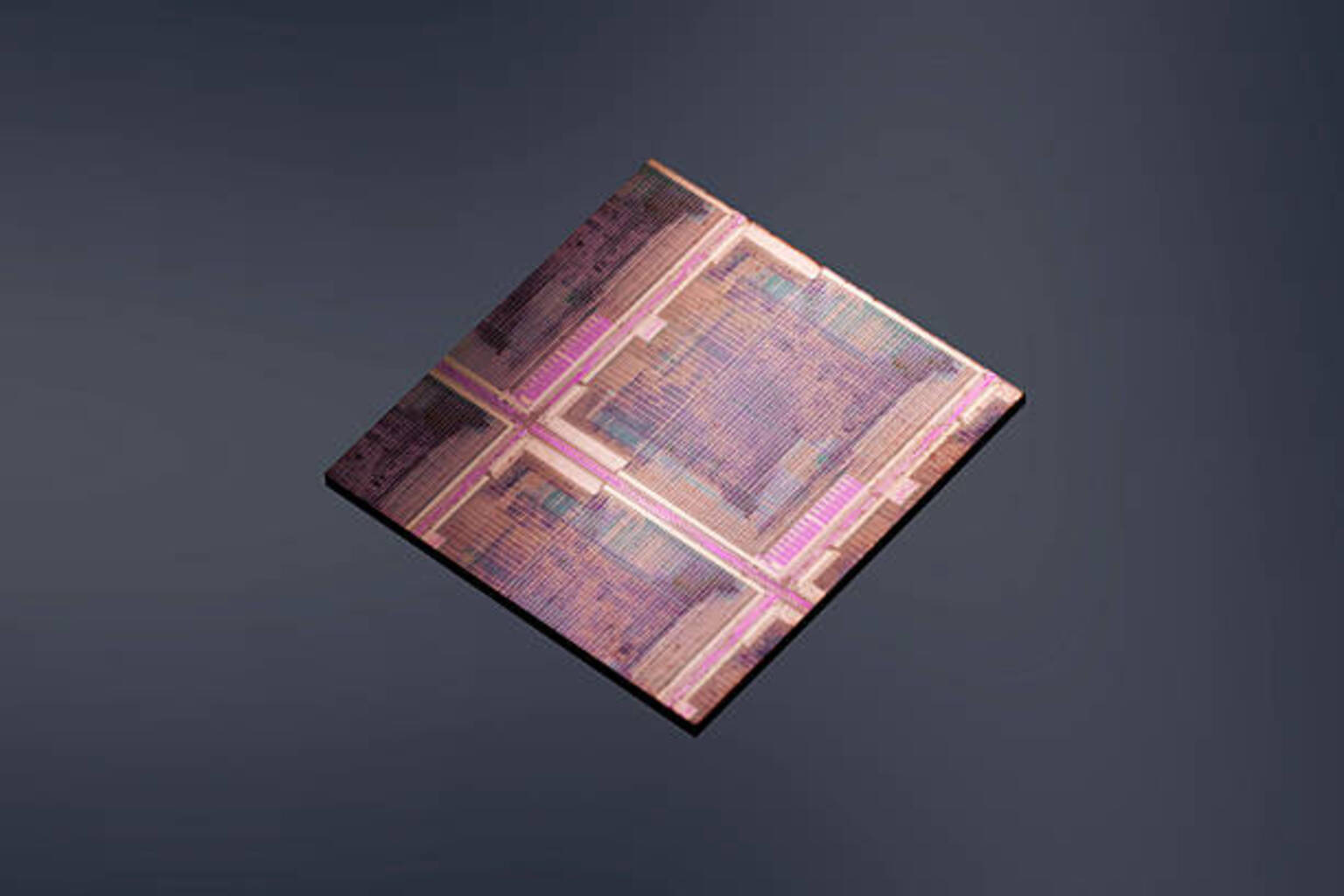
Tesla Seeks Semiconductor Engineers for Terafab AI Chip Complex in Taiwan
- Hiring Initiative: Tesla has posted job openings on its website, seeking to hire multiple senior process engineers and other roles for its Terafab AI chip factory in Taiwan, indicating a significant expansion in semiconductor production.
- Factory Scale: The company describes Terafab as an unprecedented vertically integrated semiconductor factory that will house logic, memory, packaging, testing, and lithography mask production, optimized for rapid iteration and maximum compute density per square foot.
- Technical Focus: The roles will involve building processes across three distinct chip families, including edge-inference processors, space-hardened chips for orbital satellites, and high-bandwidth memory, showcasing Tesla's ambition in the high-end semiconductor sector.
- Manufacturing Processes: The job descriptions reference 2nm-class chip dimensions and multiple core front-end fabrication steps such as lithography, etching, thin films, and chemical mechanical planarization, indicating Tesla's forward-looking approach to chip manufacturing technology.
See More
Tesla Stock Rebounds, Ending Eight-Week Losing Streak

- Stock Rebound: Tesla's stock rose in early trading, poised to end an eight-week losing streak, reflecting market optimism ahead of its upcoming earnings report, which could boost investor confidence.
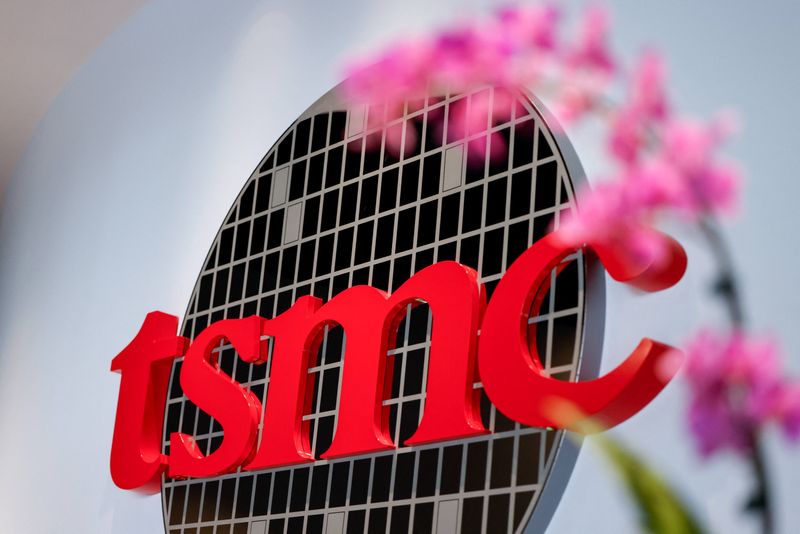
- Chip Engineer Hiring: Tesla is looking to hire chip engineers in Taiwan, indicating a proactive approach in chip development, especially given the presence of TSMC, the world's largest chipmaker, which may accelerate its chip production capabilities.
- AI5 Chip Progress: CEO Elon Musk announced that the design of the AI5 chip has reached its final stage, intended for future EVs, training clusters, and Optimus robots, signaling significant advancements in the company's technological innovation.
- Earnings Expectations: Analysts expect Tesla's Q1 revenue to be $22.7 billion, down 8.5% year-over-year, with earnings per share at $0.39; despite a 6.3% increase in deliveries, the overall performance remains weak due to the transition to the new Model Y.
See More

Tesla to Unveil New Model Y in India Next Week
- New Model Launch: Tesla plans to unveil the Model Y L in India, marking its first new product since entering the market, aimed at enhancing family appeal with a roomier third row, thereby increasing its attractiveness in the Indian market.
- Production and Shipping: The new Model Y L will be shipped from the Gigafactory Shanghai, the only site currently producing this SUV, indicating Tesla's efficiency in global supply chain management and its commitment to the Indian market.
- Market Strategy Adjustment: This product line expansion is part of Tesla's strategy to refresh its portfolio in India to boost sales, despite the challenges posed by high tariffs that have resulted in relatively low sales figures in the region.
- Stock Price Reaction: Tesla's shares rose 0.5% in premarket trading to $391.22, reflecting positive market sentiment regarding the upcoming product launch, even as the stock has fluctuated between $222.79 and $498.33 over the past year.
See More
SpaceX Plans 2026 IPO, Potentially Largest in History

- Massive IPO Potential: SpaceX is planning an IPO in 2026 with a target valuation of $1.75 trillion and a capital raise of $75 billion, which, if successful, would make it the largest IPO in history, surpassing Tesla and becoming the eighth-largest publicly traded company in the U.S.
- Strong Financial Performance: Last year, SpaceX generated up to $16 billion in revenue and $8 billion in profit, indicating its profitability has surpassed that of Tesla, thereby attracting investor interest in its future growth potential.
- Vast Market Opportunities: McKinsey estimates that the global space economy could reach $1.8 trillion by 2035, while PwC analysts predict that AI will create over $15 trillion in global economic value by 2030, highlighting SpaceX's strategic significance in these sectors.
- Historical Lessons Caution: Despite SpaceX's bright prospects, historical data shows that large IPOs typically lose an average of 10% of their value six months post-IPO; if SpaceX follows this trend, it could face a market value loss of up to $175 billion, necessitating careful risk assessment by investors.
See More

Ranking Analysis of the Magnificent Seven Tech Stocks


- Tesla's Investment Outlook: Although Tesla ranks lowest among the Magnificent Seven, it still boasts a market cap of $1.5 trillion and a current stock price of $389.23, facing valuation challenges that require significant cash flows from projects like robotaxis and humanoid robots over the next decade to justify its price.
- Apple's Growth Slowdown: With the third-highest P/E ratio, Apple recently reported its best quarter in years, yet its slowing innovation and lack of engagement in the AI race have disappointed investors regarding its future prospects.
- Amazon's Cloud Business Potential: Amazon's P/E ratio stands at 32, which is high, but the market is underestimating the growth potential of its AWS business, particularly in the custom AI chip sector, which is expected to drive significant growth in the coming years.
- Microsoft's Investment Opportunity: Microsoft leads the Magnificent Seven with a P/E ratio of 24.6, and while it isn't the cheapest option, its current stock price is at a decade low, presenting a rare opportunity for investors to capitalize on this valuation.
See More
Tesla's Electric Vehicle Sales Continue Decline
- Sales Performance Decline: Tesla delivered 1.79 million EVs in 2024, a 1% drop, and further decreased by 9% to 1.63 million in 2025, with the EV business accounting for over 70% of total revenue, indicating significant financial drag due to sluggish sales.
- Profitability Impact: The company's automotive revenue fell by 10% in 2025, leading to a 3% decline in total revenue, while earnings per share crashed by 47% due to price cuts aimed at attracting customers, highlighting the pressure on profitability amid fierce competition.
- First Quarter Delivery Data: In Q1 2026, Tesla delivered 358,023 EVs, below Wall Street's estimate of 370,000, yet representing a 6% year-over-year increase, which could bolster investor confidence if the subsequent earnings report reflects overall revenue growth.
- Future Product Strategy: Musk plans to launch the Cybercab robotaxi and Optimus humanoid robot by the end of 2026, which may generate revenue in the long term, but could negatively impact short-term financial results, necessitating close monitoring of future developments.
See More
Tesla Seeks Semiconductor Engineers for Terafab AI Chip Complex in Taiwan
- Hiring Initiative: Tesla has posted job openings on its website, seeking to hire multiple senior process engineers and other roles for its Terafab AI chip factory in Taiwan, indicating a significant expansion in semiconductor production.
- Factory Scale: The company describes Terafab as an unprecedented vertically integrated semiconductor factory that will house logic, memory, packaging, testing, and lithography mask production, optimized for rapid iteration and maximum compute density per square foot.
- Technical Focus: The roles will involve building processes across three distinct chip families, including edge-inference processors, space-hardened chips for orbital satellites, and high-bandwidth memory, showcasing Tesla's ambition in the high-end semiconductor sector.
- Manufacturing Processes: The job descriptions reference 2nm-class chip dimensions and multiple core front-end fabrication steps such as lithography, etching, thin films, and chemical mechanical planarization, indicating Tesla's forward-looking approach to chip manufacturing technology.
See More
Tesla Stock Rebounds, Ending Eight-Week Losing Streak
- Stock Rebound: Tesla's stock rose in early trading, poised to end an eight-week losing streak, reflecting market optimism ahead of its upcoming earnings report, which could boost investor confidence.
- Chip Engineer Hiring: Tesla is looking to hire chip engineers in Taiwan, indicating a proactive approach in chip development, especially given the presence of TSMC, the world's largest chipmaker, which may accelerate its chip production capabilities.
- AI5 Chip Progress: CEO Elon Musk announced that the design of the AI5 chip has reached its final stage, intended for future EVs, training clusters, and Optimus robots, signaling significant advancements in the company's technological innovation.
- Earnings Expectations: Analysts expect Tesla's Q1 revenue to be $22.7 billion, down 8.5% year-over-year, with earnings per share at $0.39; despite a 6.3% increase in deliveries, the overall performance remains weak due to the transition to the new Model Y.
See More
Tesla to Unveil New Model Y in India Next Week
- New Model Launch: Tesla plans to unveil the Model Y L in India, marking its first new product since entering the market, aimed at enhancing family appeal with a roomier third row, thereby increasing its attractiveness in the Indian market.
- Production and Shipping: The new Model Y L will be shipped from the Gigafactory Shanghai, the only site currently producing this SUV, indicating Tesla's efficiency in global supply chain management and its commitment to the Indian market.
- Market Strategy Adjustment: This product line expansion is part of Tesla's strategy to refresh its portfolio in India to boost sales, despite the challenges posed by high tariffs that have resulted in relatively low sales figures in the region.
- Stock Price Reaction: Tesla's shares rose 0.5% in premarket trading to $391.22, reflecting positive market sentiment regarding the upcoming product launch, even as the stock has fluctuated between $222.79 and $498.33 over the past year.
See More
SpaceX Plans 2026 IPO, Potentially Largest in History
- Massive IPO Potential: SpaceX is planning an IPO in 2026 with a target valuation of $1.75 trillion and a capital raise of $75 billion, which, if successful, would make it the largest IPO in history, surpassing Tesla and becoming the eighth-largest publicly traded company in the U.S.
- Strong Financial Performance: Last year, SpaceX generated up to $16 billion in revenue and $8 billion in profit, indicating its profitability has surpassed that of Tesla, thereby attracting investor interest in its future growth potential.
- Vast Market Opportunities: McKinsey estimates that the global space economy could reach $1.8 trillion by 2035, while PwC analysts predict that AI will create over $15 trillion in global economic value by 2030, highlighting SpaceX's strategic significance in these sectors.
- Historical Lessons Caution: Despite SpaceX's bright prospects, historical data shows that large IPOs typically lose an average of 10% of their value six months post-IPO; if SpaceX follows this trend, it could face a market value loss of up to $175 billion, necessitating careful risk assessment by investors.
See More
Ranking Analysis of the Magnificent Seven Tech Stocks
- Tesla's Investment Outlook: Although Tesla ranks lowest among the Magnificent Seven, it still boasts a market cap of $1.5 trillion and a current stock price of $389.23, facing valuation challenges that require significant cash flows from projects like robotaxis and humanoid robots over the next decade to justify its price.
- Apple's Growth Slowdown: With the third-highest P/E ratio, Apple recently reported its best quarter in years, yet its slowing innovation and lack of engagement in the AI race have disappointed investors regarding its future prospects.
- Amazon's Cloud Business Potential: Amazon's P/E ratio stands at 32, which is high, but the market is underestimating the growth potential of its AWS business, particularly in the custom AI chip sector, which is expected to drive significant growth in the coming years.
- Microsoft's Investment Opportunity: Microsoft leads the Magnificent Seven with a P/E ratio of 24.6, and while it isn't the cheapest option, its current stock price is at a decade low, presenting a rare opportunity for investors to capitalize on this valuation.
See More