Motley Fool Identifies 10 Best Stocks, Excludes Cheniere Energy

- Investment Recommendation: The Motley Fool analyst team has identified 10 stocks as the best investment choices currently, notably excluding Cheniere Energy, which may indicate its relative weakness in the market and potentially affect investor confidence.
- Historical Returns: Previously recommended stocks like Netflix and Nvidia achieved returns of 464,439% and 1,150,455% respectively after their recommendations, underscoring the significant investment value of Motley Fool's picks and highlighting the importance of selecting the right stocks.
- Market Performance: Stock Advisor boasts an average return of 949%, significantly outperforming the S&P 500's 195%, showcasing its stock-picking prowess and attracting more investors to its recommendations.
- Investor Community: By fostering a community built by individual investors, Motley Fool encourages participation and sharing of investment experiences, further enhancing its influence and credibility among investors.
Trade with 70% Backtested Accuracy
Analyst Views on LNG

About LNG
About the author


Oil Prices Decline Amid Geopolitical Tensions

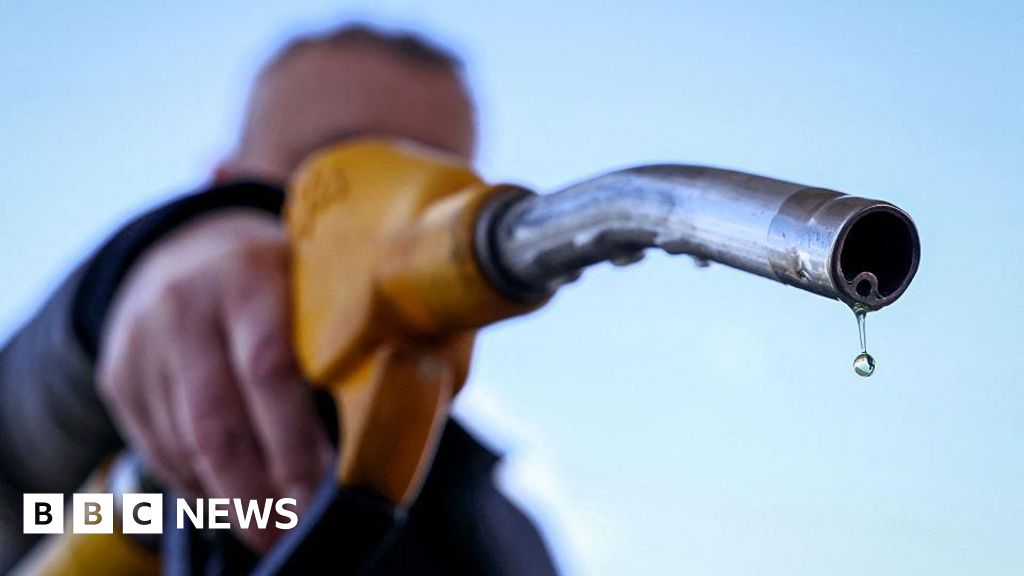
- Oil Price Decline: Oil prices continued to fall on Tuesday as investors assessed President Trump's comments about a potential end to the war, indicating market sensitivity to geopolitical risks that could negatively impact the energy sector's profitability.
- Korean Market Recovery: The South Korean Kospi index surged over 5%, leading gains in the Asia-Pacific region, reflecting market optimism in response to Trump's remarks, although overall market uncertainty remains.
- Energy Price Controls: The South Korean government imposed a price cap on fuel products for the first time in 30 years to address soaring gasoline prices, a policy that may affect energy supply chains and consumer spending.
- Bank of England Policy Stalled: The outbreak of war in Iran has hindered the Bank of England's anticipated interest rate cut next week, demonstrating the direct impact of geopolitical events on monetary policy decisions.

Oil Prices Decline Amid Strait of Hormuz Tensions
- Oil Price Decline: Oil prices fell in extended trading as President Trump considered seizing control of the Strait of Hormuz, reflecting market concerns over geopolitical tensions that could destabilize global energy supplies.
- South Korea Price Cap: In response to soaring fuel prices, South Korea's government imposed a price cap on fuel products for the first time in 30 years, indicating a strong focus on energy security that may impact domestic market supply and demand dynamics.
- Natural Gas Market Impact: The closure of the Strait of Hormuz may have more severe implications for the liquefied natural gas market, as approximately 20% of global LNG flows through this chokepoint, leading to surging prices and potential long-term supply chain risks.
- Increased Market Speculation: The rise in speculation regarding the Iran war has prompted public backlash against predictions of a nuclear detonation, highlighting shifts in investor sentiment towards uncertainty and risk in future geopolitical developments.

Musk Plans Natural Gas Power Plant in Southaven


- Environmental Controversy: The Mississippi Department of Environmental Quality is set to hold a meeting on Election Day 2026 to decide on key permits for Musk's xAI to build a natural gas power plant in Southaven, which has sparked strong opposition from the NAACP and other civil rights and environmental groups, arguing that the timing conflicts with residents' voting rights.
- Community Opposition: The NAACP has submitted a letter to the environmental agency requesting the meeting be postponed and moved closer to the facility to allow affected residents to participate, highlighting the community's strong discontent with xAI's plans and concerns over air quality and health issues.
- Post-Merger Investment Plans: Following its merger with SpaceX, xAI's valuation reached $1.25 trillion, with plans to invest in a power plant and large data center in Southaven, demonstrating the company's ambition in the rapidly growing generative AI market, but also raising environmental impact concerns.
- Increased Legal Risks: The NAACP has filed a notice of intent to sue xAI for alleged Clean Air Act violations, pointing out that the company has been operating multiple
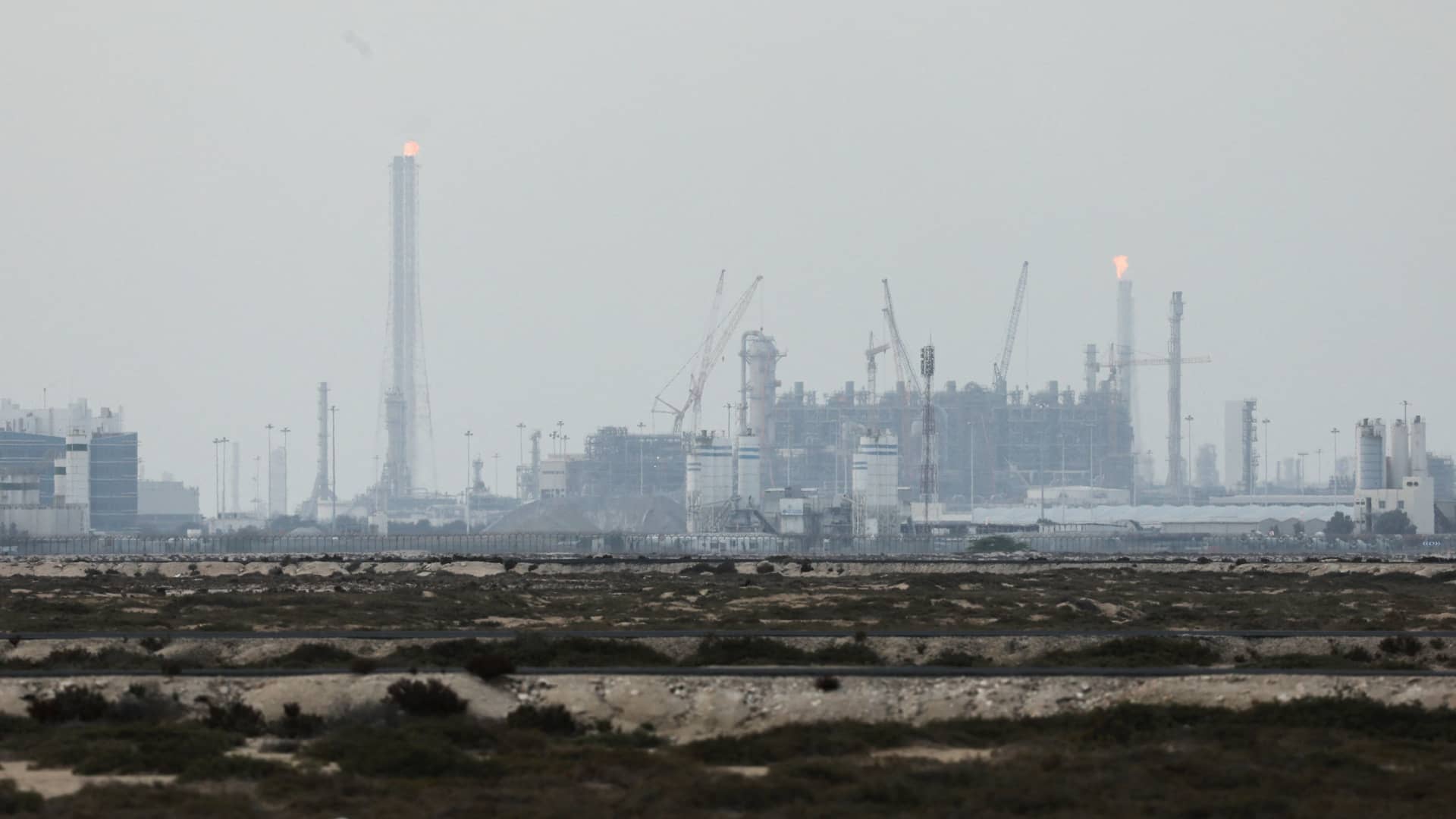
Qatar's LNG Market Faces Significant Risks Amid Strait Closure
- Supply-Demand Imbalance: With traffic in the Strait of Hormuz nearly at a standstill, global LNG prices have surged, particularly in Europe where natural gas prices rose 63% last week, marking the largest gain since March 2022, highlighting the market's increasing reliance on Qatari LNG.
- Production Restart Challenges: Qatar's LNG production facilities will remain offline until traffic in the Strait resumes, with estimates suggesting it could take weeks to return to normal production levels, which will have long-term implications for global supply chains amid current LNG shortages.
- Escalating Geopolitical Risks: Following Iranian attacks on Qatar's LNG infrastructure, concerns about potential escalation of hostilities have intensified, with Rapidan Energy warning that further conflict could severely damage Qatar's LNG production, destabilizing global markets.
- Expansion Plans Delayed: QatarEnergy has postponed its gas facility expansion plans until 2027, reflecting a cautious approach to future investments in an uncertain geopolitical environment, which may further constrain growth in global LNG supply.

Oil Prices Could Remain High: 4 Key Insights from the Middle East Energy Crisis

Oil Price Volatility: Oil prices have surged past $100 due to ongoing conflict in the Middle East, with analysts predicting potential further increases if production continues to be curtailed. However, prolonged conflict could harm global economic demand, leading to a possible oversupply situation.
U.S. Shale Producers: U.S. oil producers are positioned favorably as prices remain high, particularly small- and mid-cap companies that are seeing attractive free cash flow. The market has not fully priced in the potential for sustained higher oil prices, creating investment opportunities.
Refining Sector Dynamics: U.S. refiners are benefiting from high international gas prices and reduced competition, leading to significant stock price increases. However, refining margins may decline once supply chains stabilize, suggesting a potential sell-off in refiner stocks.
LNG and Petrochemical Gains: American LNG producers are experiencing a surge in demand due to global supply constraints, while U.S. petrochemical companies are benefiting from rising costs of competing producers. This situation is expected to provide a margin boost for U.S. firms in the long term.

Three Stocks Indicating Confidence Through Significant Buybacks

Stock Buybacks Announced: Three leading companies have announced substantial buyback programs, with one energy firm planning to repurchase shares worth $10 billion, indicating strong confidence in their market positions.
Chenier Energy's Performance: Chenier Energy has seen its shares rise over 250% in the past five years, benefiting from strong demand for liquefied natural gas, and has recently increased its buyback capacity to $10.2 billion.
FICO's Market Challenges: FICO, a major player in consumer credit scoring, has faced a 30% decline in its stock over the past year due to market pressures and regulatory changes, despite maintaining solid revenue growth.
Zillow's Buyback Strategy: Zillow has significantly increased its buyback capacity to $1.3 billion, representing over 11% of its market capitalization, as it aims to capitalize on attractive pricing in the current market environment.
Oil Prices Decline Amid Geopolitical Tensions
- Oil Price Decline: Oil prices continued to fall on Tuesday as investors assessed President Trump's comments about a potential end to the war, indicating market sensitivity to geopolitical risks that could negatively impact the energy sector's profitability.
- Korean Market Recovery: The South Korean Kospi index surged over 5%, leading gains in the Asia-Pacific region, reflecting market optimism in response to Trump's remarks, although overall market uncertainty remains.
- Energy Price Controls: The South Korean government imposed a price cap on fuel products for the first time in 30 years to address soaring gasoline prices, a policy that may affect energy supply chains and consumer spending.
- Bank of England Policy Stalled: The outbreak of war in Iran has hindered the Bank of England's anticipated interest rate cut next week, demonstrating the direct impact of geopolitical events on monetary policy decisions.
Oil Prices Decline Amid Strait of Hormuz Tensions
- Oil Price Decline: Oil prices fell in extended trading as President Trump considered seizing control of the Strait of Hormuz, reflecting market concerns over geopolitical tensions that could destabilize global energy supplies.
- South Korea Price Cap: In response to soaring fuel prices, South Korea's government imposed a price cap on fuel products for the first time in 30 years, indicating a strong focus on energy security that may impact domestic market supply and demand dynamics.
- Natural Gas Market Impact: The closure of the Strait of Hormuz may have more severe implications for the liquefied natural gas market, as approximately 20% of global LNG flows through this chokepoint, leading to surging prices and potential long-term supply chain risks.
- Increased Market Speculation: The rise in speculation regarding the Iran war has prompted public backlash against predictions of a nuclear detonation, highlighting shifts in investor sentiment towards uncertainty and risk in future geopolitical developments.
Musk Plans Natural Gas Power Plant in Southaven
- Environmental Controversy: The Mississippi Department of Environmental Quality is set to hold a meeting on Election Day 2026 to decide on key permits for Musk's xAI to build a natural gas power plant in Southaven, which has sparked strong opposition from the NAACP and other civil rights and environmental groups, arguing that the timing conflicts with residents' voting rights.
- Community Opposition: The NAACP has submitted a letter to the environmental agency requesting the meeting be postponed and moved closer to the facility to allow affected residents to participate, highlighting the community's strong discontent with xAI's plans and concerns over air quality and health issues.
- Post-Merger Investment Plans: Following its merger with SpaceX, xAI's valuation reached $1.25 trillion, with plans to invest in a power plant and large data center in Southaven, demonstrating the company's ambition in the rapidly growing generative AI market, but also raising environmental impact concerns.
- Increased Legal Risks: The NAACP has filed a notice of intent to sue xAI for alleged Clean Air Act violations, pointing out that the company has been operating multiple
Qatar's LNG Market Faces Significant Risks Amid Strait Closure
- Supply-Demand Imbalance: With traffic in the Strait of Hormuz nearly at a standstill, global LNG prices have surged, particularly in Europe where natural gas prices rose 63% last week, marking the largest gain since March 2022, highlighting the market's increasing reliance on Qatari LNG.
- Production Restart Challenges: Qatar's LNG production facilities will remain offline until traffic in the Strait resumes, with estimates suggesting it could take weeks to return to normal production levels, which will have long-term implications for global supply chains amid current LNG shortages.
- Escalating Geopolitical Risks: Following Iranian attacks on Qatar's LNG infrastructure, concerns about potential escalation of hostilities have intensified, with Rapidan Energy warning that further conflict could severely damage Qatar's LNG production, destabilizing global markets.
- Expansion Plans Delayed: QatarEnergy has postponed its gas facility expansion plans until 2027, reflecting a cautious approach to future investments in an uncertain geopolitical environment, which may further constrain growth in global LNG supply.
Oil Prices Could Remain High: 4 Key Insights from the Middle East Energy Crisis
Oil Price Volatility: Oil prices have surged past $100 due to ongoing conflict in the Middle East, with analysts predicting potential further increases if production continues to be curtailed. However, prolonged conflict could harm global economic demand, leading to a possible oversupply situation.
U.S. Shale Producers: U.S. oil producers are positioned favorably as prices remain high, particularly small- and mid-cap companies that are seeing attractive free cash flow. The market has not fully priced in the potential for sustained higher oil prices, creating investment opportunities.
Refining Sector Dynamics: U.S. refiners are benefiting from high international gas prices and reduced competition, leading to significant stock price increases. However, refining margins may decline once supply chains stabilize, suggesting a potential sell-off in refiner stocks.
LNG and Petrochemical Gains: American LNG producers are experiencing a surge in demand due to global supply constraints, while U.S. petrochemical companies are benefiting from rising costs of competing producers. This situation is expected to provide a margin boost for U.S. firms in the long term.
Three Stocks Indicating Confidence Through Significant Buybacks
Stock Buybacks Announced: Three leading companies have announced substantial buyback programs, with one energy firm planning to repurchase shares worth $10 billion, indicating strong confidence in their market positions.
Chenier Energy's Performance: Chenier Energy has seen its shares rise over 250% in the past five years, benefiting from strong demand for liquefied natural gas, and has recently increased its buyback capacity to $10.2 billion.
FICO's Market Challenges: FICO, a major player in consumer credit scoring, has faced a 30% decline in its stock over the past year due to market pressures and regulatory changes, despite maintaining solid revenue growth.
Zillow's Buyback Strategy: Zillow has significantly increased its buyback capacity to $1.3 billion, representing over 11% of its market capitalization, as it aims to capitalize on attractive pricing in the current market environment.