Moody's Chief Economist Warns of AI Over-Investment and Rising Debt, Cautioning Potential Risks to Credit Markets Beyond Investors

AI Dominance and Financial Risks: Moody's Chief Economist Mark Zandi warns that the current AI boom is characterized by massive corporate debt, with bond issuance by top AI companies expected to reach $120 billion this year, posing a greater risk to the economy than the dot-com bubble.
Over-Investment Concerns: Zandi highlights the dangers of inflated stock prices and significant over-investments in AI infrastructure, suggesting that the current leverage could lead to broader economic repercussions if the AI bubble bursts.
Comparison to Dot-Com Era: Unlike the Y2K bubble, where losses primarily affected equity investors, the current AI boom involves substantial debt, which could impact credit markets and tighten lending conditions, affecting the overall economy.
Incestuous Financial Relationships: Zandi points out the interconnected financial relationships among major AI firms, raising concerns that a collapse in the AI sector could have widespread consequences beyond just stock market losses.
Trade with 70% Backtested Accuracy
Analyst Views on META

About META
About the author


Meta Plans $145 Billion Capital Expenditure for 2026

- Surge in Capital Expenditure: Meta's projected capital expenditures for 2026 are set to reach between $125 billion and $145 billion, nearly double the $72 billion from 2025, indicating a significant commitment to AI infrastructure despite market jitters about future performance.
- Reliance on Ad Revenue: In Q1 2025, Meta reported $55 billion in ad sales, accounting for 98% of total revenue, with ad impressions increasing by 19% year-over-year and average ad prices rising by 12%, highlighting strong performance in advertising but increasing dependence on future growth.
- AI Strategy Priority: CEO Mark Zuckerberg emphasized during the Q1 2025 earnings call that Meta aims to leverage AI to enhance advertising capabilities, with the goal of making advertising a larger share of global GDP, making the success of this strategy critical for long-term revenue growth.
- Negative Market Reaction: Despite the impressive investment in AI, Meta's stock has declined by 15% in 2026, reflecting investor concerns about financial performance, and it remains to be seen whether the capital expenditures will yield satisfactory returns over time.
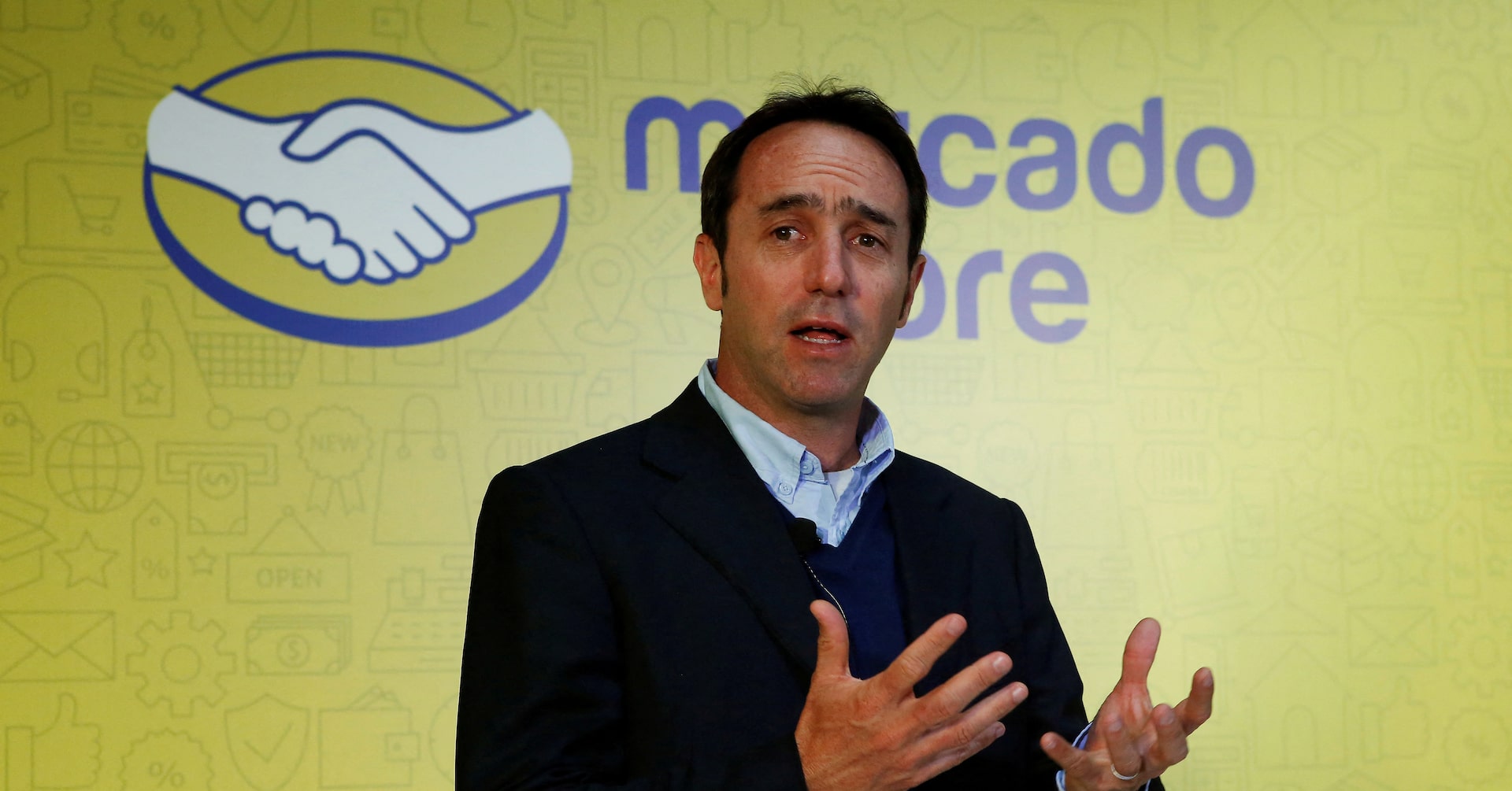
MercadoLibre: Growth Potential of Latin America's E-commerce Giant

- Market Leadership: MercadoLibre dominates the Latin American e-commerce sector, with a 49% year-over-year revenue increase and a 42% rise in gross merchandise volume in Q1 2026, highlighting its substantial growth potential in an underpenetrated market.
- User Base Expansion: As of Q1 2026, MercadoLibre boasts 126 million active users, leveraging this data to enhance its AI assistant, which boosts customer purchase confidence and strengthens its competitive position in the market.
- Fintech Business Growth: The company has grown its fintech user base to 83 million, with a compound annual growth rate (CAGR) of 31%, while its credit portfolio has surged at a CAGR of 94%, showcasing its robust performance in the digital banking sector.
- Profit Pressure and Future Outlook: Despite a drop in operating income from $763 million to $611 million and a margin decline from 12.9% to 6.9% in Q1, management views current investments as essential for future growth, although the market remains cautious about short-term performance.

Oklo Secures Major Advances for Nuclear Project

- Fuel Supply Assurance: Oklo has secured uranium fuel supplies for its small modular reactors (SMRs) needed for the large Meta project, ensuring smooth progress despite a 21.8% stock price drop in June.
- Strategic Partnership: Oklo formed a strategic partnership with Centrus Energy to secure high-assay low-enriched uranium (HALEU) for up to five Aurora powerhouses over the next few years, supporting the construction of its 1.2 GW power campus in Ohio.
- Technology Acquisition: In June, Oklo acquired Creative Engineers and ARMEC to bolster its advanced reactor technology and manufacturing capabilities, even as it reported a Q1 net loss of $33 million, indicating high investment in technology development.
- Government Approvals and Market Reaction: While Oklo received DOE safety approvals and signed an MOU for nuclear fuel recycling, the market reacted negatively due to the DOE's announcement of a $17.5 billion loan program for traditional reactors, shaking investor confidence in the SMR market.

CoreWeave Stock Drops as Meta Enters AI Processing Market


- Significant Stock Decline: CoreWeave's stock fell 13.2% this week, contrasting with the S&P 500's 1.8% gain, indicating a broader pullback in AI hardware stocks that may undermine investor confidence.
- Increased Competitive Threat: Meta Platforms is preparing to enter the AI processing services market, posing a direct challenge to CoreWeave, which raises concerns about the company's future pricing outlook and potential market share loss.
- Rising Debt Burden: CoreWeave has taken on substantial debt to expand its AI infrastructure, and while demand for AI processing remains strong, any slowdown in growth could significantly pressure its pricing power, jeopardizing financial stability.
- Changing Market Dynamics: As tech giants like Meta ramp up investments in AI infrastructure, CoreWeave faces an increasingly competitive landscape, which could lead to greater uncertainty regarding its valuation prospects in the AI hardware market.
Investment Opportunities in Micron and Meta Platforms

- Strategic Partnership: Micron's partnership with Anthropic is expected to significantly boost revenue growth, particularly as demand for memory and storage surges, with projected fourth-quarter revenue for fiscal 2027 reaching $50 billion, a substantial increase from $41.86 billion this quarter.
- Strong Financial Performance: Micron's sales quadrupled year-over-year in the third quarter of fiscal 2026, boasting a gross margin of 72.6%, which has contributed to its stock price tripling year-to-date; despite a recent 20% correction, its forward P/E ratio remains attractive.
- Meta's Advertising Growth: Meta Platforms achieved a 33% year-over-year revenue growth in Q1, indicating robust performance in its online advertising business, with future expansion opportunities through new revenue streams like AI glasses, projected to grow at a 24.2% CAGR through 2033.
- Diversification Strategy: Meta is not solely reliant on online advertising revenue; it is also developing a predictions app and new cloud services, leveraging its 3.56 billion daily active users to potentially attract users quickly and drive revenue growth.
MercadoLibre Stock Shows Massive Growth Potential
- Massive Market Opportunity: MercadoLibre leads the e-commerce sector in Latin America, with a 49% year-over-year revenue increase and a 42% rise in gross merchandise volume in Q1, indicating strong market demand and growth potential.
- User Base Expansion: As of Q1 2026, MercadoLibre boasts 126 million active users, leveraging data-driven insights to enhance customer experience, with an AI assistant improving purchase confidence.
- Fintech Business Growth: The company has reached 83 million users in its fintech sector, growing at a 31% CAGR, while its credit portfolio has surged at a 94% CAGR, showcasing its robust performance in digital banking.
- Attractive Stock Valuation: Despite MercadoLibre's stock price dropping to $1,764.31 with a P/E ratio of 45, near a 10-year low, it is still considered a good investment given its future growth potential.
Meta Plans $145 Billion Capital Expenditure for 2026
- Surge in Capital Expenditure: Meta's projected capital expenditures for 2026 are set to reach between $125 billion and $145 billion, nearly double the $72 billion from 2025, indicating a significant commitment to AI infrastructure despite market jitters about future performance.
- Reliance on Ad Revenue: In Q1 2025, Meta reported $55 billion in ad sales, accounting for 98% of total revenue, with ad impressions increasing by 19% year-over-year and average ad prices rising by 12%, highlighting strong performance in advertising but increasing dependence on future growth.
- AI Strategy Priority: CEO Mark Zuckerberg emphasized during the Q1 2025 earnings call that Meta aims to leverage AI to enhance advertising capabilities, with the goal of making advertising a larger share of global GDP, making the success of this strategy critical for long-term revenue growth.
- Negative Market Reaction: Despite the impressive investment in AI, Meta's stock has declined by 15% in 2026, reflecting investor concerns about financial performance, and it remains to be seen whether the capital expenditures will yield satisfactory returns over time.
MercadoLibre: Growth Potential of Latin America's E-commerce Giant
- Market Leadership: MercadoLibre dominates the Latin American e-commerce sector, with a 49% year-over-year revenue increase and a 42% rise in gross merchandise volume in Q1 2026, highlighting its substantial growth potential in an underpenetrated market.
- User Base Expansion: As of Q1 2026, MercadoLibre boasts 126 million active users, leveraging this data to enhance its AI assistant, which boosts customer purchase confidence and strengthens its competitive position in the market.
- Fintech Business Growth: The company has grown its fintech user base to 83 million, with a compound annual growth rate (CAGR) of 31%, while its credit portfolio has surged at a CAGR of 94%, showcasing its robust performance in the digital banking sector.
- Profit Pressure and Future Outlook: Despite a drop in operating income from $763 million to $611 million and a margin decline from 12.9% to 6.9% in Q1, management views current investments as essential for future growth, although the market remains cautious about short-term performance.
Oklo Secures Major Advances for Nuclear Project
- Fuel Supply Assurance: Oklo has secured uranium fuel supplies for its small modular reactors (SMRs) needed for the large Meta project, ensuring smooth progress despite a 21.8% stock price drop in June.
- Strategic Partnership: Oklo formed a strategic partnership with Centrus Energy to secure high-assay low-enriched uranium (HALEU) for up to five Aurora powerhouses over the next few years, supporting the construction of its 1.2 GW power campus in Ohio.
- Technology Acquisition: In June, Oklo acquired Creative Engineers and ARMEC to bolster its advanced reactor technology and manufacturing capabilities, even as it reported a Q1 net loss of $33 million, indicating high investment in technology development.
- Government Approvals and Market Reaction: While Oklo received DOE safety approvals and signed an MOU for nuclear fuel recycling, the market reacted negatively due to the DOE's announcement of a $17.5 billion loan program for traditional reactors, shaking investor confidence in the SMR market.
CoreWeave Stock Drops as Meta Enters AI Processing Market
- Significant Stock Decline: CoreWeave's stock fell 13.2% this week, contrasting with the S&P 500's 1.8% gain, indicating a broader pullback in AI hardware stocks that may undermine investor confidence.
- Increased Competitive Threat: Meta Platforms is preparing to enter the AI processing services market, posing a direct challenge to CoreWeave, which raises concerns about the company's future pricing outlook and potential market share loss.
- Rising Debt Burden: CoreWeave has taken on substantial debt to expand its AI infrastructure, and while demand for AI processing remains strong, any slowdown in growth could significantly pressure its pricing power, jeopardizing financial stability.
- Changing Market Dynamics: As tech giants like Meta ramp up investments in AI infrastructure, CoreWeave faces an increasingly competitive landscape, which could lead to greater uncertainty regarding its valuation prospects in the AI hardware market.
Investment Opportunities in Micron and Meta Platforms
- Strategic Partnership: Micron's partnership with Anthropic is expected to significantly boost revenue growth, particularly as demand for memory and storage surges, with projected fourth-quarter revenue for fiscal 2027 reaching $50 billion, a substantial increase from $41.86 billion this quarter.
- Strong Financial Performance: Micron's sales quadrupled year-over-year in the third quarter of fiscal 2026, boasting a gross margin of 72.6%, which has contributed to its stock price tripling year-to-date; despite a recent 20% correction, its forward P/E ratio remains attractive.
- Meta's Advertising Growth: Meta Platforms achieved a 33% year-over-year revenue growth in Q1, indicating robust performance in its online advertising business, with future expansion opportunities through new revenue streams like AI glasses, projected to grow at a 24.2% CAGR through 2033.
- Diversification Strategy: Meta is not solely reliant on online advertising revenue; it is also developing a predictions app and new cloud services, leveraging its 3.56 billion daily active users to potentially attract users quickly and drive revenue growth.
MercadoLibre Stock Shows Massive Growth Potential
- Massive Market Opportunity: MercadoLibre leads the e-commerce sector in Latin America, with a 49% year-over-year revenue increase and a 42% rise in gross merchandise volume in Q1, indicating strong market demand and growth potential.
- User Base Expansion: As of Q1 2026, MercadoLibre boasts 126 million active users, leveraging data-driven insights to enhance customer experience, with an AI assistant improving purchase confidence.
- Fintech Business Growth: The company has reached 83 million users in its fintech sector, growing at a 31% CAGR, while its credit portfolio has surged at a 94% CAGR, showcasing its robust performance in digital banking.
- Attractive Stock Valuation: Despite MercadoLibre's stock price dropping to $1,764.31 with a P/E ratio of 45, near a 10-year low, it is still considered a good investment given its future growth potential.