Mitsubishi UFJ (MUFG) May Be an Excellent Option
Income Investing Focus: Income investors prioritize generating consistent cash flow, primarily through dividends, which are a significant contributor to long-term returns, often exceeding one-third of total returns.
Mitsubishi UFJ Overview: Mitsubishi UFJ (MUFG) has seen a 36.6% price change this year, currently offers a dividend of $0.19 per share with a yield of 2.36%, and has increased its annualized dividend by 8.3% from last year.
Future Growth Potential: MUFG's earnings growth is projected to be solid, with a Zacks Consensus Estimate of $1.27 per share for 2025, indicating a year-over-year growth rate of 13.39%.
Investment Recommendations: Zacks Investment Research highlights several stocks with potential for significant gains, emphasizing the opportunity to invest in lesser-known stocks that may yield high returns.
Trade with 70% Backtested Accuracy
Analyst Views on MUFG
About MUFG
About the author

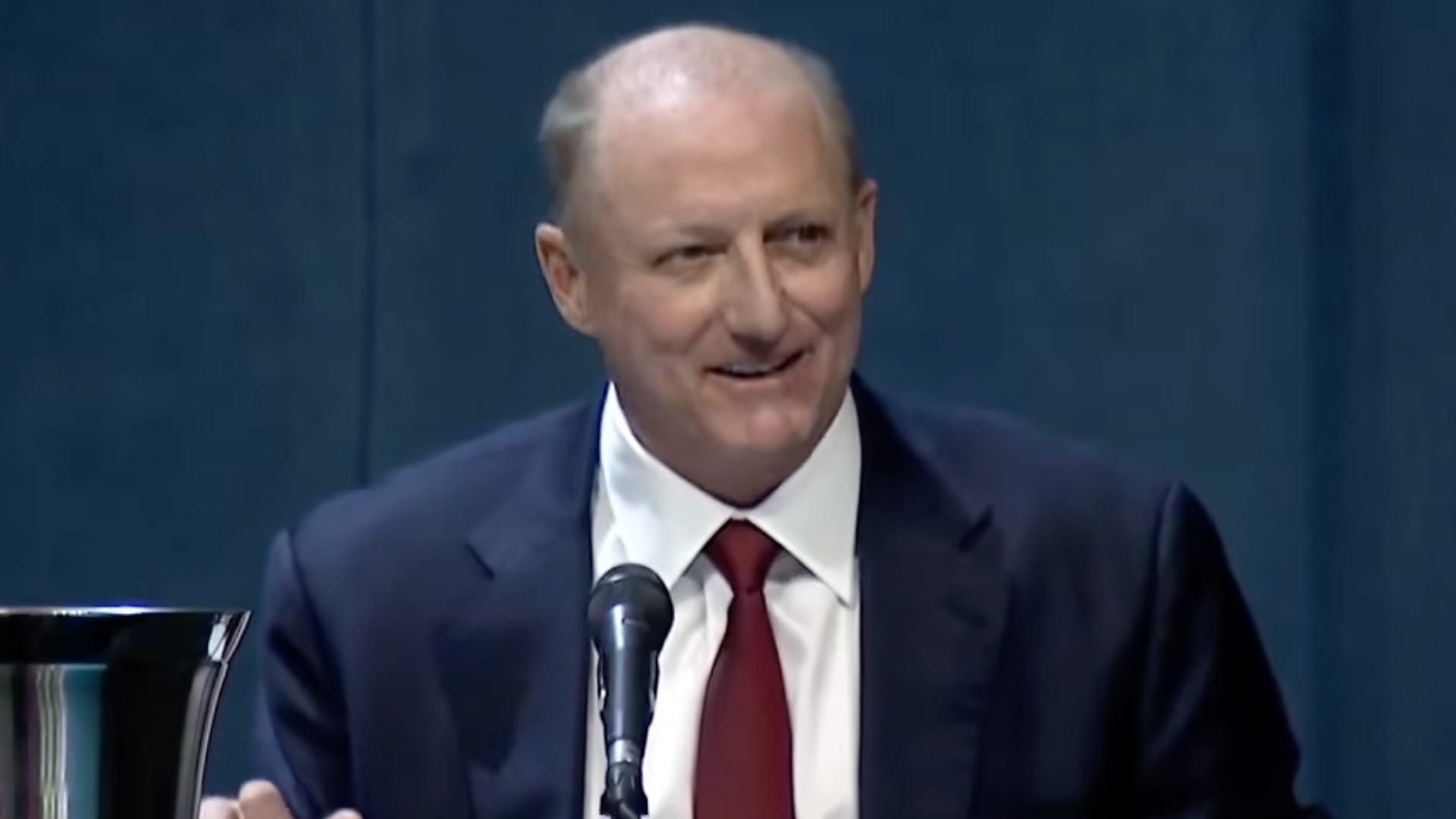
Greg Abel's First Shareholder Meeting as CEO Receives Mixed Reviews


- Attendance at Shareholder Meeting: Greg Abel's first annual meeting as CEO saw attendance at just over half capacity, indicating a significant drop in draw compared to the Buffett and Munger era, although it still surpassed typical corporate annual meetings.
- Capital Allocation Concerns: Abel's failure to provide clear guidance on the future of Berkshire's equity portfolio and substantial cash reserves has heightened investor concerns regarding the company's capital allocation strategy, potentially impacting market confidence in Berkshire.
- Lackluster Buyback Performance: Despite announcing a resumption of stock buybacks, Berkshire repurchased only $234 million in shares during Q1, falling short of market expectations and possibly undermining investor trust in the company's buyback strategy.
- New CFO Compensation: The new CFO, Charles Chang, will receive an annual salary of $8 million, a significant increase compared to the previous CFO Marc Hamburg's total compensation of $4.3 million, raising potential shareholder concerns about the reasonableness of executive pay.
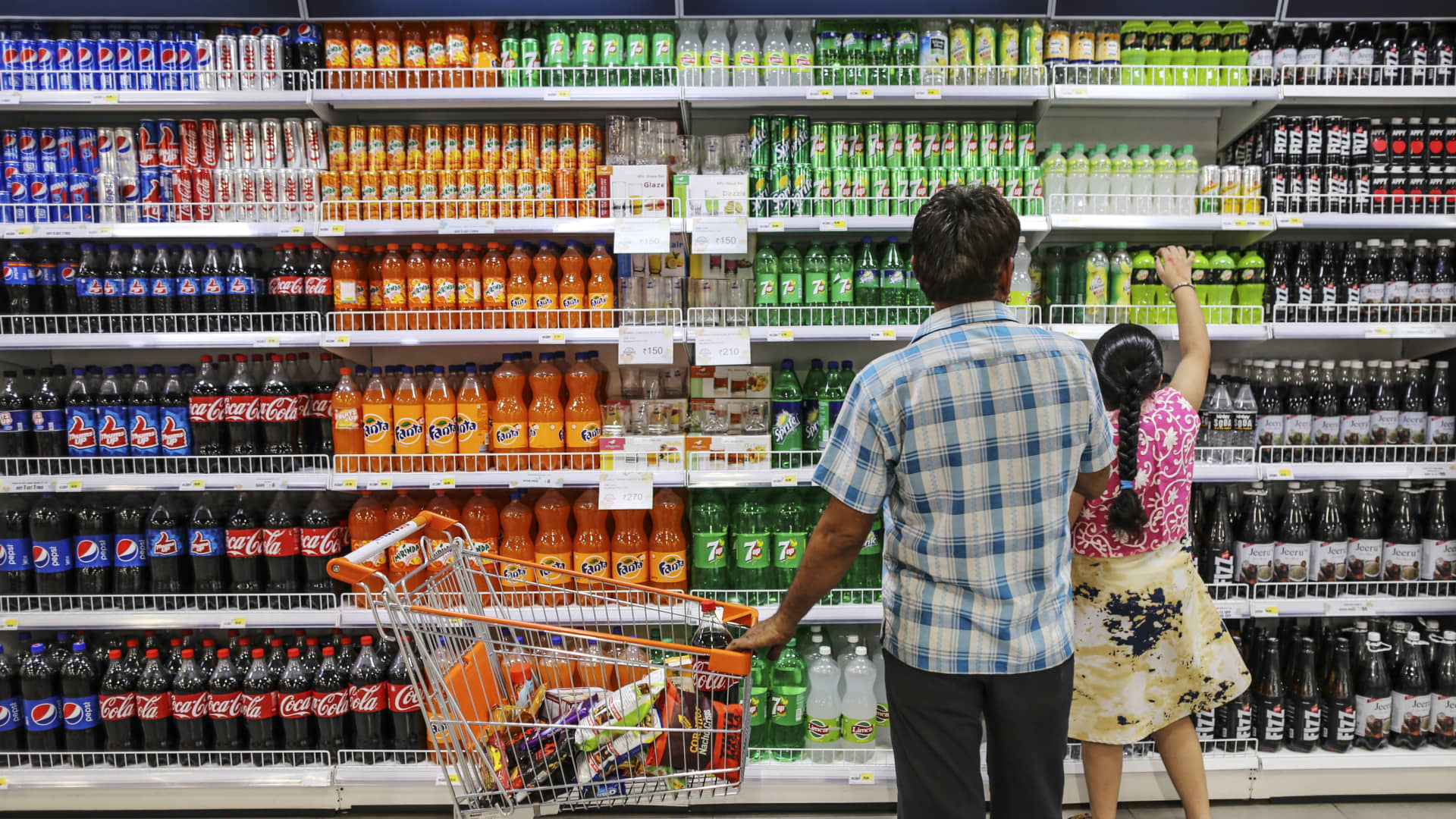
Social Media Influencers Transform India's Food and Beverage Market


- Health Beverage Transformation: PepsiCo reports that over 50% of its beverage portfolio in India consists of low- to no-sugar options, with plans to increase this to 90%, reflecting a significant shift towards healthier consumer preferences in the market.
- Consumer Awareness Rise: Social media influencers are urging consumers to read labels, leading brands like Dabur and Mondelez to reduce sugar content; Dabur has cut sugar by 21% in its juices by 2023 and aims for an additional 20% reduction, highlighting the strong demand for healthier products.
- Rise of D2C Brands: The growth of social media is facilitating the rise of direct-to-consumer brands in India, posing a threat to traditional companies that fail to adapt, as experts indicate this trend will be a crucial lever for future personal care and food brands.
- Strengthened Food Safety Regulations: India's food safety regulator has banned certain beverages from using
CEREBRAS SYSTEMS INC INCLUDES CREDIT AGRICOLE CIB, MUFG, AND FIRST CITIZENS CAPITAL SECURITIES AMONG ITS IPO UNDERWRITERS


Cerebras Systems: Cerebras Systems has made significant advancements in AI hardware, particularly with its Wafer Scale Engine technology, which enhances computational capabilities for AI applications.
Funding and Partnerships: The company has secured partnerships with major financial institutions, including MUFG and First Citizens Capital Securities, to bolster its underwriting capabilities and expand its market reach.
Market Impact: The integration of Cerebras' technology into financial services is expected to improve efficiency and performance in data processing and analysis, benefiting various sectors.
Future Prospects: With ongoing innovations and strategic collaborations, Cerebras Systems is positioned to play a pivotal role in the evolution of AI and machine learning technologies across industries.
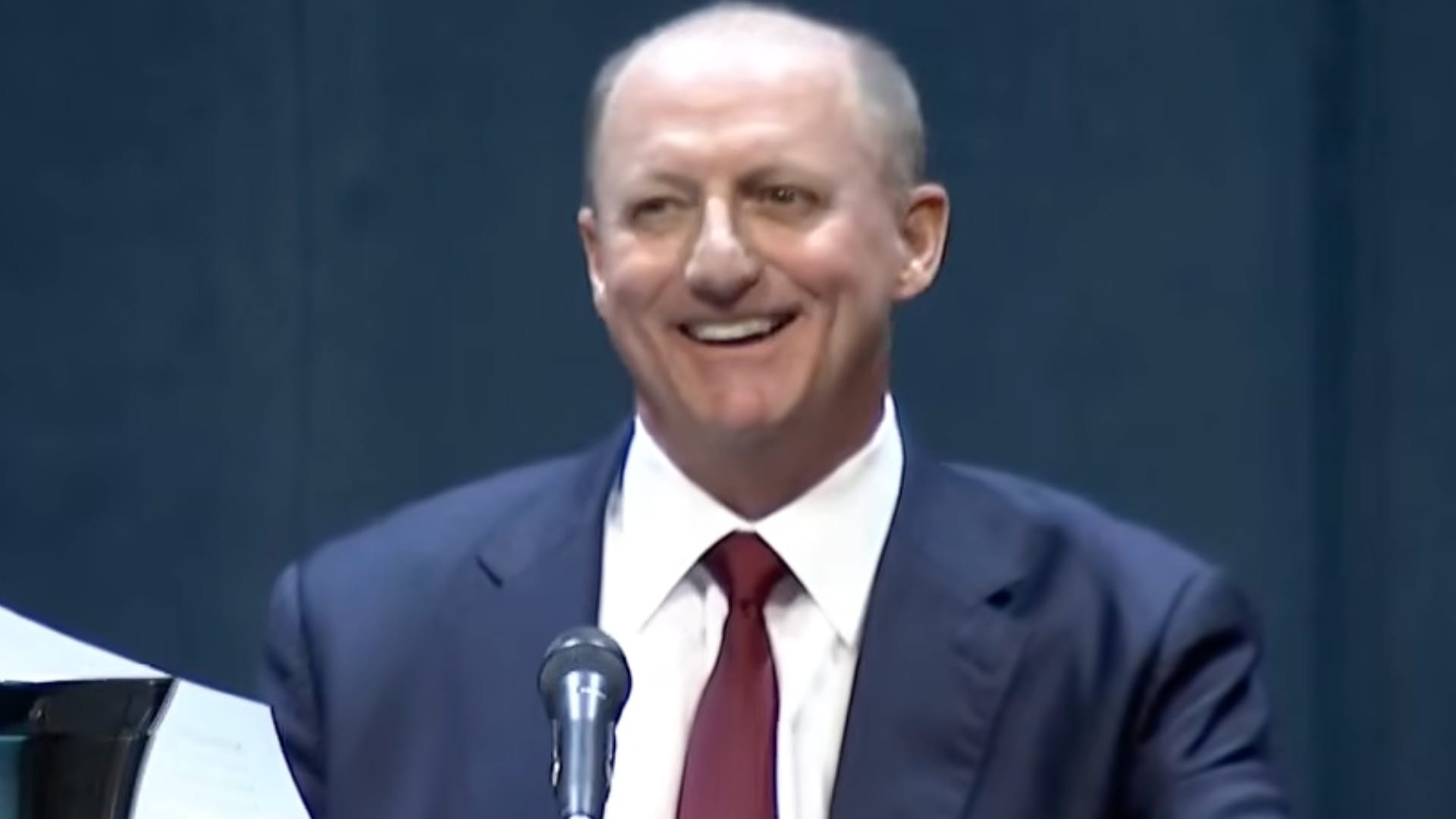
Buffett's Key Remarks at Shareholder Meeting Highlight Company Performance
- Operating Profit Surge: Berkshire Hathaway reported an 18% increase in operating profit for Q1, with insurance underwriting profits rising over 28%, indicating strong performance across its diversified portfolio and reinforcing its market leadership.
- Record Cash Reserves: As of March 31, Berkshire's cash reserves reached $397.4 billion, up 6.5% from the end of last year, providing ample capital for future investments and showcasing the company's flexibility in capital allocation.
- Stock Buyback Strategy: Berkshire resumed stock buybacks on March 4, with a total of $234 million repurchased in March, which, while positive, fell short of aggressive expectations, reflecting a cautious approach to capital management.
- Declining Attendance: Attendance at the shareholder meeting significantly dropped, with only half of the seats filled due to Buffett's absence from the stage, indicating challenges for new CEO Abel in attracting investor interest.
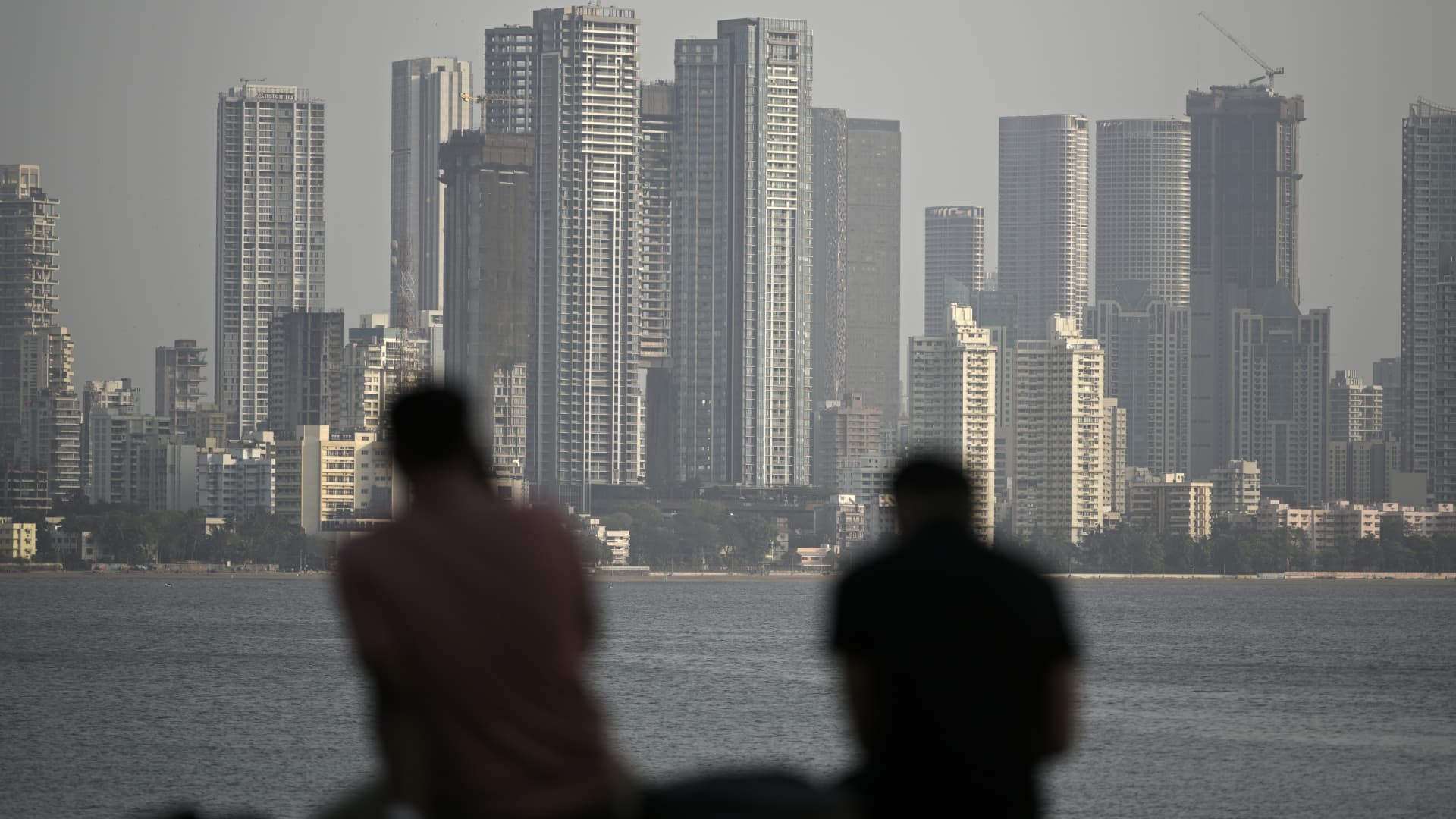
India's IT Sector Faces Employment Crisis Amid AI Disruption

- Deepening Employment Crisis: Bernstein warns that the rise of AI may lead to a reduction in high-quality jobs in India's IT sector, affecting the income and consumption capacity of 10 to 15 million employees in IT services and outsourcing, thereby threatening the foundation of national economic growth.
- Shifting Hiring Trends: Net hiring by India's top five IT companies dropped by around 7,000 in FY26, with TCS planning to hire only 25,000 fresh graduates compared to an average of 40,000 over the past three years, indicating a diminishing reliance on large-scale recruitment in the industry.
- Skills Gap Challenge: While the Indian government emphasizes
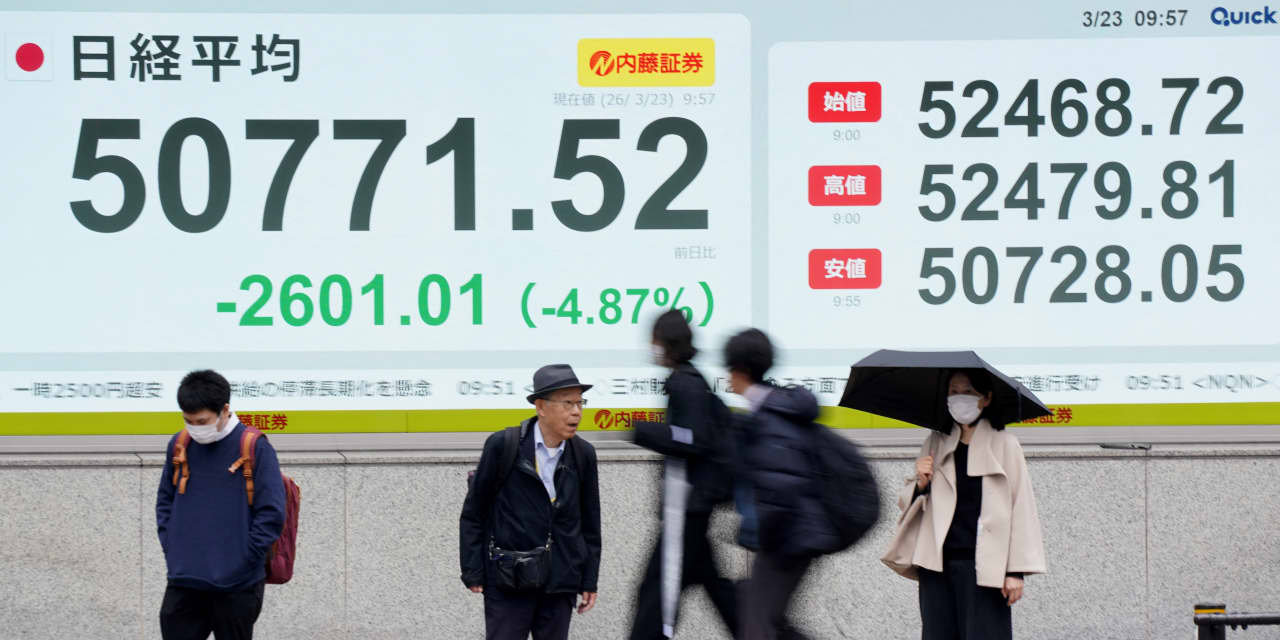
Toyota and Mitsubishi Financial Set to Surge: Reasons to Invest in Japanese Stocks.

- Investment Appeal: Japan is becoming an attractive destination for investment due to improving business conditions.
- Focus on Profits: Companies are increasingly prioritizing profits and returning cash to shareholders through dividends and buybacks.
- Impact of Currency: A weaker yen is contributing to enhanced earnings for exporters.
- Overall Economic Outlook: The combination of these factors is creating a more favorable environment for investors in Japan.
Greg Abel's First Shareholder Meeting as CEO Receives Mixed Reviews
- Attendance at Shareholder Meeting: Greg Abel's first annual meeting as CEO saw attendance at just over half capacity, indicating a significant drop in draw compared to the Buffett and Munger era, although it still surpassed typical corporate annual meetings.
- Capital Allocation Concerns: Abel's failure to provide clear guidance on the future of Berkshire's equity portfolio and substantial cash reserves has heightened investor concerns regarding the company's capital allocation strategy, potentially impacting market confidence in Berkshire.
- Lackluster Buyback Performance: Despite announcing a resumption of stock buybacks, Berkshire repurchased only $234 million in shares during Q1, falling short of market expectations and possibly undermining investor trust in the company's buyback strategy.
- New CFO Compensation: The new CFO, Charles Chang, will receive an annual salary of $8 million, a significant increase compared to the previous CFO Marc Hamburg's total compensation of $4.3 million, raising potential shareholder concerns about the reasonableness of executive pay.
Social Media Influencers Transform India's Food and Beverage Market
- Health Beverage Transformation: PepsiCo reports that over 50% of its beverage portfolio in India consists of low- to no-sugar options, with plans to increase this to 90%, reflecting a significant shift towards healthier consumer preferences in the market.
- Consumer Awareness Rise: Social media influencers are urging consumers to read labels, leading brands like Dabur and Mondelez to reduce sugar content; Dabur has cut sugar by 21% in its juices by 2023 and aims for an additional 20% reduction, highlighting the strong demand for healthier products.
- Rise of D2C Brands: The growth of social media is facilitating the rise of direct-to-consumer brands in India, posing a threat to traditional companies that fail to adapt, as experts indicate this trend will be a crucial lever for future personal care and food brands.
- Strengthened Food Safety Regulations: India's food safety regulator has banned certain beverages from using
CEREBRAS SYSTEMS INC INCLUDES CREDIT AGRICOLE CIB, MUFG, AND FIRST CITIZENS CAPITAL SECURITIES AMONG ITS IPO UNDERWRITERS
Cerebras Systems: Cerebras Systems has made significant advancements in AI hardware, particularly with its Wafer Scale Engine technology, which enhances computational capabilities for AI applications.
Funding and Partnerships: The company has secured partnerships with major financial institutions, including MUFG and First Citizens Capital Securities, to bolster its underwriting capabilities and expand its market reach.
Market Impact: The integration of Cerebras' technology into financial services is expected to improve efficiency and performance in data processing and analysis, benefiting various sectors.
Future Prospects: With ongoing innovations and strategic collaborations, Cerebras Systems is positioned to play a pivotal role in the evolution of AI and machine learning technologies across industries.
Buffett's Key Remarks at Shareholder Meeting Highlight Company Performance
- Operating Profit Surge: Berkshire Hathaway reported an 18% increase in operating profit for Q1, with insurance underwriting profits rising over 28%, indicating strong performance across its diversified portfolio and reinforcing its market leadership.
- Record Cash Reserves: As of March 31, Berkshire's cash reserves reached $397.4 billion, up 6.5% from the end of last year, providing ample capital for future investments and showcasing the company's flexibility in capital allocation.
- Stock Buyback Strategy: Berkshire resumed stock buybacks on March 4, with a total of $234 million repurchased in March, which, while positive, fell short of aggressive expectations, reflecting a cautious approach to capital management.
- Declining Attendance: Attendance at the shareholder meeting significantly dropped, with only half of the seats filled due to Buffett's absence from the stage, indicating challenges for new CEO Abel in attracting investor interest.
India's IT Sector Faces Employment Crisis Amid AI Disruption
- Deepening Employment Crisis: Bernstein warns that the rise of AI may lead to a reduction in high-quality jobs in India's IT sector, affecting the income and consumption capacity of 10 to 15 million employees in IT services and outsourcing, thereby threatening the foundation of national economic growth.
- Shifting Hiring Trends: Net hiring by India's top five IT companies dropped by around 7,000 in FY26, with TCS planning to hire only 25,000 fresh graduates compared to an average of 40,000 over the past three years, indicating a diminishing reliance on large-scale recruitment in the industry.
- Skills Gap Challenge: While the Indian government emphasizes
Toyota and Mitsubishi Financial Set to Surge: Reasons to Invest in Japanese Stocks.
- Investment Appeal: Japan is becoming an attractive destination for investment due to improving business conditions.
- Focus on Profits: Companies are increasingly prioritizing profits and returning cash to shareholders through dividends and buybacks.
- Impact of Currency: A weaker yen is contributing to enhanced earnings for exporters.
- Overall Economic Outlook: The combination of these factors is creating a more favorable environment for investors in Japan.