Mining Giants Leverage Muon Technology to Enhance Copper, Nickel, and Uranium Extraction Efficiency

- Strategic Partnership: Rio Tinto's five-year agreement with Ideon Technologies to utilize muon imaging for developing 3D subsurface models is expected to significantly enhance resource exploration efficiency by accurately identifying copper and iron ore deposits.
- Safety Enhancements: Freeport-McMoRan's installation of muon detection technology at the Grasberg mine in Indonesia aims to verify site safety and prevent future incidents like the recent mud rush, thereby improving miner safety protocols.
- Leaching Technology Innovation: Rio Tinto's Nuton technology achieved its first copper production by late 2025, with muon technology enhancing the monitoring of leaching processes, thereby increasing the efficiency of bio-leaching and reducing project timelines from concept to production.
- Future Outlook: As the commercialization of muon technology accelerates, mining companies are expected to achieve more efficient resource exploration and extraction by 2026, promoting sustainable supply of key materials such as copper, nickel, and uranium.
Trade with 70% Backtested Accuracy
Analyst Views on RIO

About RIO
About the author

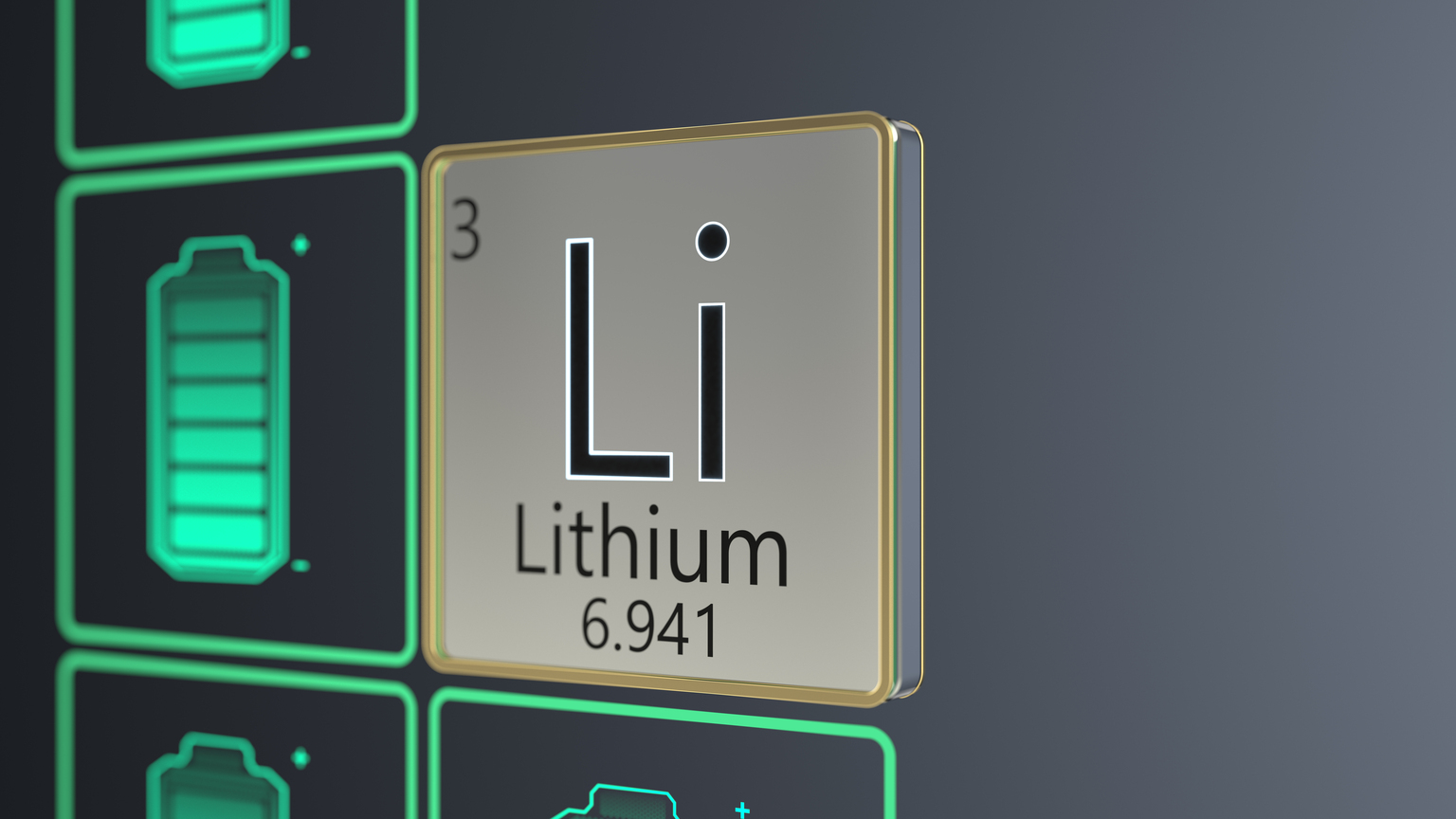
Rio Tinto Begins First Lithium Carbonate Shipment from Argentina

- First Commercial Shipment: Rio Tinto has made its first shipment of 200 metric tons of lithium carbonate from the Rincon project in Argentina, marking the formal start of exports and enhancing the company's competitive position in Asian markets.
- Financing Support: The company secured a $1.175 billion financing package from four international lenders to support the $2.5 billion Rincon project, ensuring a diversified funding source for its development.
- Production Capacity Increase: The Rincon project is expected to commence annual production of 53,000 metric tons of battery-grade lithium carbonate starting in 2028, with an initial output of 25,000 tons, addressing the growing demand in the electric vehicle market.
- Strategic Development: This financing will bolster Rio Tinto's lithium growth pipeline, aligning with the long-term outlook driven by the global energy transition, thereby reinforcing its leadership in the lithium battery market.

AI-Driven Surge in Copper Demand

- Surge in Copper Demand: Druckenmiller highlights a significant increase in copper demand driven by AI data centers, projecting a global refined copper deficit of 330,000 metric tons by 2026, with data centers alone requiring approximately 475,000 metric tons this year, an increase of 110,000 metric tons from last year, indicating robust market demand.
- Supply Shortage Issues: He emphasizes that there will be virtually no new copper production for the next eight years due to a CapEx depression in the mining sector, where new projects take over 15 years to move from discovery to production, exacerbated by a fatal mudslide at Freeport-McMoRan’s Grasberg mine, tightening supply further.
- Copper Price Hits Record High: Copper prices reached an all-time intraday high of $14,527.50 per metric ton on January 29, reflecting the depletion of global inventories due to large projects like OpenAI’s “Stargate,” with current copper futures trading at $5.9325 per pound, up 1.47% from previous levels.
- Investment Strategy Shift: Druckenmiller opts to invest directly in copper commodities rather than mining equities to avoid operational risks associated with individual miners, using futures contracts to track copper prices, believing the current market is very tight and serves as a primary hedge against potential inflationary growth.
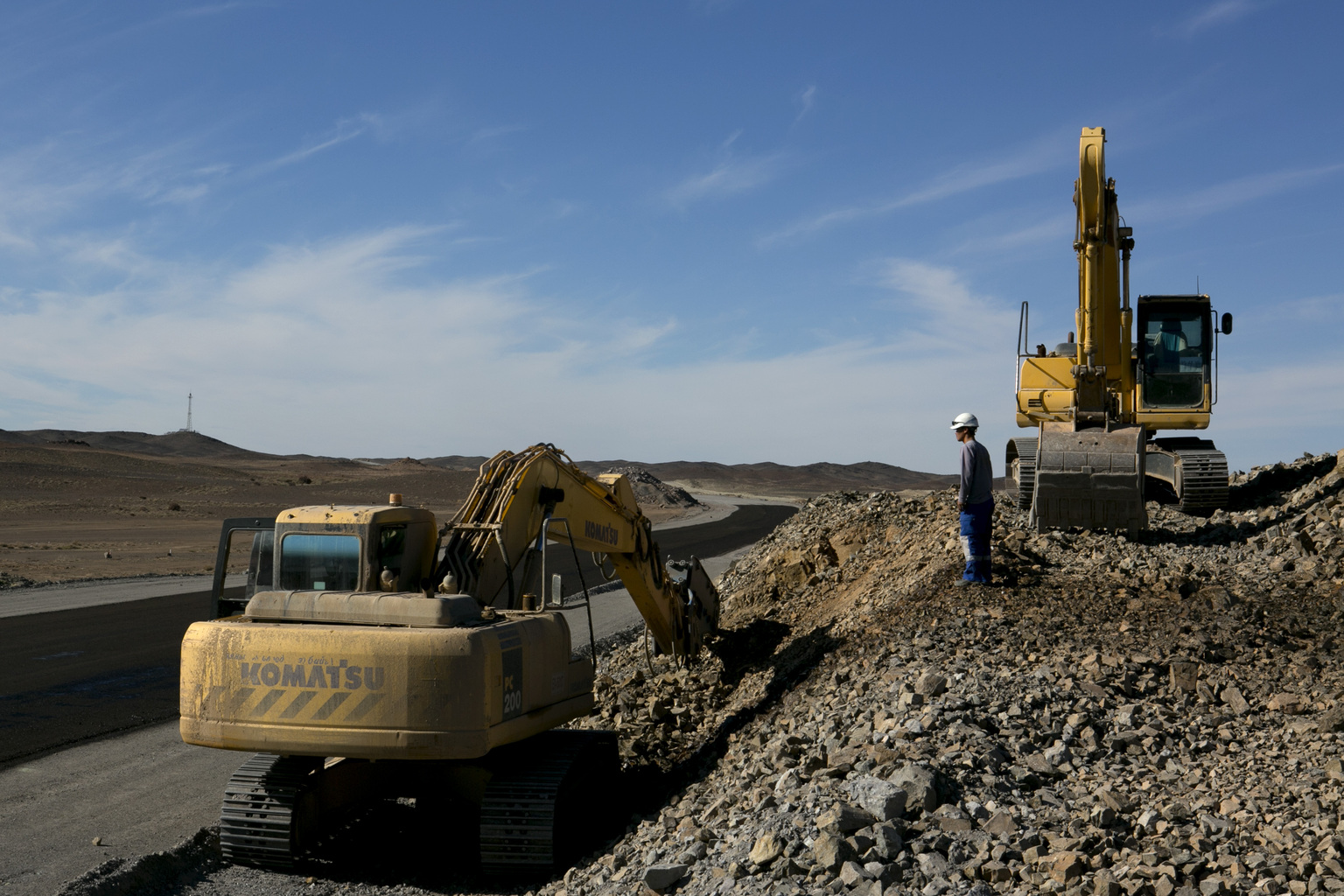
Mongolia Government Seeks to Renegotiate Copper Mine Deal with Rio Tinto
- Allegations of Unfair Terms: Mongolian Prime Minister Zandanshatar warned Rio Tinto (RIO) during a meeting on Monday that the current deal is unfair, suggesting that the Mongolian people and parliament feel deceived, which could strain relations with the company.
- Loan Rate Adjustments: The Mongolian government is seeking to reduce the interest rate on a loan provided by Rio Tinto and phase out the company's annual management fee on the project, aiming to alleviate the national financial burden and improve the project's economic viability.
- High-Level Talks Scheduled: Mongolian officials plan to meet with Rio Tinto executives, including copper head Katie Jackson, this week to discuss the terms of the deal, indicating a proactive approach from both sides in seeking a resolution.
- Future Development Expectations: Rio Tinto has invested billions in the underground expansion of the Oyu Tolgoi mine, which is expected to become the world's fourth-largest copper mine by 2030, with Mongolia holding a 34% stake and Rio owning 66%, making their partnership crucial.

Rio Tinto Faces Pressure from Mongolia to Renegotiate Terms
- Renegotiation Pressure: Rio Tinto is under pressure from the Mongolian government to renegotiate the commercial terms of its Oyu Tolgoi project, which could impact the project's profitability and investment returns as the government seeks better protection of national interests.
- Changing Political Landscape: The tightening regulations on foreign enterprises by the Mongolian government present challenges for Rio Tinto, potentially delaying project progress and affecting the company's overall strategic positioning and market confidence.
- Increased Investment Risks: The renegotiation may introduce uncertainties in contract terms, raising investment risks for Rio Tinto in Mongolia, which could affect its long-term development plans and resource extraction strategies in the region.
- Market Reaction: Concerns over Rio Tinto's commercial outlook in Mongolia may lead to stock price volatility, impacting investor expectations regarding the company's future profitability and consequently affecting its competitiveness in the global market.

Geopolitical Tensions Lead to US Stock Declines

- Geopolitical Impact: The escalation of the US-Israeli conflict, with Iran launching missiles and striking an oil refinery in Bahrain, has driven crude oil prices above $80 per barrel, intensifying fears of a global economic slowdown and resurging inflation, which directly affects investor confidence.
- Stock Market Declines: This week, the S&P 500 and Nasdaq fell by 1.5% and 0.7%, respectively, while the Dow dropped 2.4%, indicating a broad reassessment of economic outlook amid surging energy prices that have shaken market stability.
- European Market Struggles: European equities fell 3.8% due to rising energy prices linked to the Middle East conflict, with London's FTSE 100 tumbling 5.7%, and Germany and France's markets slipping 4.5% and 5%, respectively, reflecting significant regional economic uncertainty.
- Asia-Pacific Market Volatility: The Asia-Pacific markets faced sharp losses as tensions in the Middle East continued to escalate, with China's manufacturing activity declining slightly in February, and South Korea's KOSPI index experiencing a historic drop of over 12% during intraday trading, highlighting the market's sensitivity to geopolitical risks.

Impending Copper Shortage: These 3 Mining Companies Are Prepared

Copper Shortage Excitement: The anticipated copper shortage should excite investors, particularly those focused on long-term material stocks, as the demand for copper is expected to rise while supply diminishes.
Opportunities for Small-Cap Miners: Small-cap copper miners may benefit from the current market conditions, as existing operations are more likely to thrive due to the challenges of establishing new mines.
Taseko Mines Expansion: Taseko Mines is expanding its production in British Columbia and has started copper production at its Florence project in Arizona, aiming for significant output increases in the coming years.
Acquisition Trends: The acquisition of Arizona Sonoran Copper by Hudbay Minerals highlights the trend of growth through acquisition in the mining sector, potentially creating a major hub for copper production in North America.
Rio Tinto Begins First Lithium Carbonate Shipment from Argentina
- First Commercial Shipment: Rio Tinto has made its first shipment of 200 metric tons of lithium carbonate from the Rincon project in Argentina, marking the formal start of exports and enhancing the company's competitive position in Asian markets.
- Financing Support: The company secured a $1.175 billion financing package from four international lenders to support the $2.5 billion Rincon project, ensuring a diversified funding source for its development.
- Production Capacity Increase: The Rincon project is expected to commence annual production of 53,000 metric tons of battery-grade lithium carbonate starting in 2028, with an initial output of 25,000 tons, addressing the growing demand in the electric vehicle market.
- Strategic Development: This financing will bolster Rio Tinto's lithium growth pipeline, aligning with the long-term outlook driven by the global energy transition, thereby reinforcing its leadership in the lithium battery market.
AI-Driven Surge in Copper Demand
- Surge in Copper Demand: Druckenmiller highlights a significant increase in copper demand driven by AI data centers, projecting a global refined copper deficit of 330,000 metric tons by 2026, with data centers alone requiring approximately 475,000 metric tons this year, an increase of 110,000 metric tons from last year, indicating robust market demand.
- Supply Shortage Issues: He emphasizes that there will be virtually no new copper production for the next eight years due to a CapEx depression in the mining sector, where new projects take over 15 years to move from discovery to production, exacerbated by a fatal mudslide at Freeport-McMoRan’s Grasberg mine, tightening supply further.
- Copper Price Hits Record High: Copper prices reached an all-time intraday high of $14,527.50 per metric ton on January 29, reflecting the depletion of global inventories due to large projects like OpenAI’s “Stargate,” with current copper futures trading at $5.9325 per pound, up 1.47% from previous levels.
- Investment Strategy Shift: Druckenmiller opts to invest directly in copper commodities rather than mining equities to avoid operational risks associated with individual miners, using futures contracts to track copper prices, believing the current market is very tight and serves as a primary hedge against potential inflationary growth.
Mongolia Government Seeks to Renegotiate Copper Mine Deal with Rio Tinto
- Allegations of Unfair Terms: Mongolian Prime Minister Zandanshatar warned Rio Tinto (RIO) during a meeting on Monday that the current deal is unfair, suggesting that the Mongolian people and parliament feel deceived, which could strain relations with the company.
- Loan Rate Adjustments: The Mongolian government is seeking to reduce the interest rate on a loan provided by Rio Tinto and phase out the company's annual management fee on the project, aiming to alleviate the national financial burden and improve the project's economic viability.
- High-Level Talks Scheduled: Mongolian officials plan to meet with Rio Tinto executives, including copper head Katie Jackson, this week to discuss the terms of the deal, indicating a proactive approach from both sides in seeking a resolution.
- Future Development Expectations: Rio Tinto has invested billions in the underground expansion of the Oyu Tolgoi mine, which is expected to become the world's fourth-largest copper mine by 2030, with Mongolia holding a 34% stake and Rio owning 66%, making their partnership crucial.
Rio Tinto Faces Pressure from Mongolia to Renegotiate Terms
- Renegotiation Pressure: Rio Tinto is under pressure from the Mongolian government to renegotiate the commercial terms of its Oyu Tolgoi project, which could impact the project's profitability and investment returns as the government seeks better protection of national interests.
- Changing Political Landscape: The tightening regulations on foreign enterprises by the Mongolian government present challenges for Rio Tinto, potentially delaying project progress and affecting the company's overall strategic positioning and market confidence.
- Increased Investment Risks: The renegotiation may introduce uncertainties in contract terms, raising investment risks for Rio Tinto in Mongolia, which could affect its long-term development plans and resource extraction strategies in the region.
- Market Reaction: Concerns over Rio Tinto's commercial outlook in Mongolia may lead to stock price volatility, impacting investor expectations regarding the company's future profitability and consequently affecting its competitiveness in the global market.
Geopolitical Tensions Lead to US Stock Declines
- Geopolitical Impact: The escalation of the US-Israeli conflict, with Iran launching missiles and striking an oil refinery in Bahrain, has driven crude oil prices above $80 per barrel, intensifying fears of a global economic slowdown and resurging inflation, which directly affects investor confidence.
- Stock Market Declines: This week, the S&P 500 and Nasdaq fell by 1.5% and 0.7%, respectively, while the Dow dropped 2.4%, indicating a broad reassessment of economic outlook amid surging energy prices that have shaken market stability.
- European Market Struggles: European equities fell 3.8% due to rising energy prices linked to the Middle East conflict, with London's FTSE 100 tumbling 5.7%, and Germany and France's markets slipping 4.5% and 5%, respectively, reflecting significant regional economic uncertainty.
- Asia-Pacific Market Volatility: The Asia-Pacific markets faced sharp losses as tensions in the Middle East continued to escalate, with China's manufacturing activity declining slightly in February, and South Korea's KOSPI index experiencing a historic drop of over 12% during intraday trading, highlighting the market's sensitivity to geopolitical risks.
Impending Copper Shortage: These 3 Mining Companies Are Prepared
Copper Shortage Excitement: The anticipated copper shortage should excite investors, particularly those focused on long-term material stocks, as the demand for copper is expected to rise while supply diminishes.
Opportunities for Small-Cap Miners: Small-cap copper miners may benefit from the current market conditions, as existing operations are more likely to thrive due to the challenges of establishing new mines.
Taseko Mines Expansion: Taseko Mines is expanding its production in British Columbia and has started copper production at its Florence project in Arizona, aiming for significant output increases in the coming years.
Acquisition Trends: The acquisition of Arizona Sonoran Copper by Hudbay Minerals highlights the trend of growth through acquisition in the mining sector, potentially creating a major hub for copper production in North America.