Middle East Conflict Drives Oil Prices Surge
Written by Emily J. Thompson, Senior Investment Analyst
Updated: Mar 07 2026
0mins


Should l Buy BULL?
Source: Benzinga
- Oil Price Surge: The escalation of conflict in the Middle East has driven crude oil prices close to $90 per barrel within a week, marking one of the sharpest weekly gains in years, which directly threatens global energy supply and rattles investor confidence.
- Labor Market Deterioration: The U.S. labor market unexpectedly lost 92,000 nonfarm jobs in February, exacerbating concerns about weakening economic momentum and undermining market confidence in future economic prospects.
- Energy Stocks Rise: The surge in energy costs quickly impacted equity markets, lifting energy stocks while severely hitting fuel-sensitive sectors like airlines and cruise operators, as investors feared rising jet fuel prices would squeeze margins.
- Fragile Market Sentiment: The geopolitical shock has added to already fragile market sentiment, prompting traders to reassess inflation risks associated with rising oil prices and supply disruptions, leading to increased overall market volatility.
Trade with 70% Backtested Accuracy
Stop guessing "Should I Buy BULL?" and start using high-conviction signals backed by rigorous historical data.
Sign up today to access powerful investing tools and make smarter, data-driven decisions.
Analyst Views on BULL
Wall Street analysts forecast BULL stock price to rise
2 Analyst Rating
2 Buy
0 Hold
0 Sell
Moderate Buy
Current: 6.720

Low
15.00
Averages
16.50
High
18.00
Current: 6.720
Low
15.00
Averages
16.50
High
18.00
About BULL
Webull Corporation is a digital investment platform built upon a next-generation global infrastructure. The Company’s platform allows its customers to invest in United States (U.S.) listed stocks, exchange-traded funds (ETFs), as well as American Depository Receipts. It offers fractional share trading for U.S.-listed stocks and ETFs on its Webull App, which allows its customers to invest in fractions of a share of a stock or ETF instead of buying or selling whole shares. It also offers trading in multiple-listed stock options, ETFs, and index options. It offers cash sweep products to its customers, allowing them to earn interest on uninvested brokerage cash that the Company sweeps to its partner banks. It provides robo-advisor services through Webull Advisors LLC. It also provides retirement investment accounts and portfolio management tools for long-term investors. It offers seamless interoperability for clients investing through mobile, tablet, Web-based, and desktop devices.
About the author

Emily J. Thompson
Emily J. Thompson, a Chartered Financial Analyst (CFA) with 12 years in investment research, graduated with honors from the Wharton School. Specializing in industrial and technology stocks, she provides in-depth analysis for Intellectia’s earnings and market brief reports.

Robinhood to Benefit from SEC's New Day-Trading Rules


- Volume Surge: The SEC's approval to eliminate minimum margin requirements for day traders is expected to drive an increase in equity trading volumes, benefiting brokers like Robinhood and enhancing their revenue streams.
- Fee Structure Advantage: Robinhood charges $0.000195 per share for equity trades and $0.00329 per contract for options, making it particularly attractive to small traders, which is likely to further boost trading activity.
- Positive Market Reaction: Robinhood's shares soared over 9% in midday trading on Wednesday, building on a 10% rally from Tuesday, indicating strong market optimism regarding the new regulations and extremely bullish retail investor sentiment.
- Opportunities for Small Traders: The implementation of the new rules allows small traders to participate more actively in the market, which is expected to increase Robinhood's market share and customer loyalty, further solidifying its leadership position in the retail trading sector.
See More

Tech Stocks Rebound, Nvidia on 11-Day Winning Streak


- Nvidia's Strong Performance: Nvidia shares rose about 1% as investors returned to tech stocks, positioning the company for an 11th consecutive winning session, marking the longest streak on record and reflecting renewed market confidence in the tech sector.
- Caterpillar Acquisition News: Caterpillar's stock dropped approximately 5% following reports of its acquisition of Monarch Tractor, a self-driving electric tractor company, which, while pressuring short-term stock performance, may enhance its competitive edge in the automated agricultural equipment market.
- Nike Insider Transactions: Nike shares advanced over 3% after CEO Elliott Hill and director Tim Cook disclosed purchases of over 23,000 and 25,000 shares, respectively, totaling around $2.1 million, indicating strong executive confidence in the company's future and potentially attracting more investor interest.
- DoorDash's Technological Outlook: DoorDash shares surged 8% after Barclays analysts highlighted its leadership in autonomous food delivery technology, which is expected to further drive market share growth and strengthen its competitive position in the industry.
See More

SEC Eases Day Trading Rules, Stocks Surge
- Rule Change Approval: The SEC's approval of FINRA's proposed rule change eliminates the $25,000 requirement for 'pattern day traders', facilitating easier day trading for small investors, which is expected to significantly enhance market participation and trading activity.
- Positive Market Reaction: Robinhood (HOOD) shares surged 7.8%, Webull (BULL) climbed 8.9%, and eToro (ETOR) rose 5.2%, reflecting strong market enthusiasm for the new rules, likely attracting more retail investors into the market.
- Benefiting Market Participants: Coinbase (COIN) gained 3.8% after adding stock and ETF trading, while Morgan Stanley (MS) saw a 5.1% increase following a strong Q1 earnings report, indicating potential gains for fintech companies under the new regulations.
- Overall Industry Optimism: Charles Schwab (SCHW) rose 1.1% and Interactive Brokers (IBKR) climbed 2.6%, showcasing a positive sentiment across the financial services sector, which may drive further innovation and investment in the industry.
See More

Webull Launches New Intraday Margining System
- Change in Day Trading Rules: Webull announces support for the new intraday margining system, removing restrictions for day traders with accounts under $25,000, enabling unlimited day trades from day one of the new regulations, significantly enhancing trading flexibility for active investors.
- Increased Trading Efficiency: The new system allows investors to redeploy capital within the same trading session, with realized profits immediately applied to intraday buying power, enabling quicker responses to market opportunities and enhancing trading efficiency and market participation.
- Lower Market Access Barriers: By eliminating long-standing day trader restrictions, the new rules are expected to lower entry barriers for newer active traders while providing experienced traders with more efficient operating methods, further strengthening Webull's competitive position in the retail brokerage space.
- Enhanced Customer Experience: Webull's CEO stated that the new intraday margin rules represent a significant evolution in how active traders participate in the markets, emphasizing the company's commitment to providing advanced tools and broad market access for its clients.
See More

Webull Supports New Intraday Margining System from Day One
- Change in Day Trading Rules: Webull announces support for the new intraday margining system, removing restrictions on day trades for accounts under $25,000, enabling users to execute unlimited day trades within the same trading day, thereby enhancing flexibility for active investors and market participation.
- Increased Trading Efficiency: The new rules allow investors to apply realized profits in real-time during trades, enhancing their ability to respond quickly to market opportunities and enabling faster redeployment of capital within the same trading session, thus improving overall trading efficiency.
- Lower Market Access Barriers: By eliminating long-standing Pattern Day Trader (PDT) restrictions, the updated system is expected to lower entry barriers for newer active traders while allowing experienced traders to operate more efficiently, further strengthening Webull's competitive position in the retail brokerage space.
- Reinforced Strategic Commitment: By supporting this change on day one of the new regulations, Webull demonstrates its commitment to providing flexible tools and broad market access, further solidifying its leadership position in the global financial markets.
See More
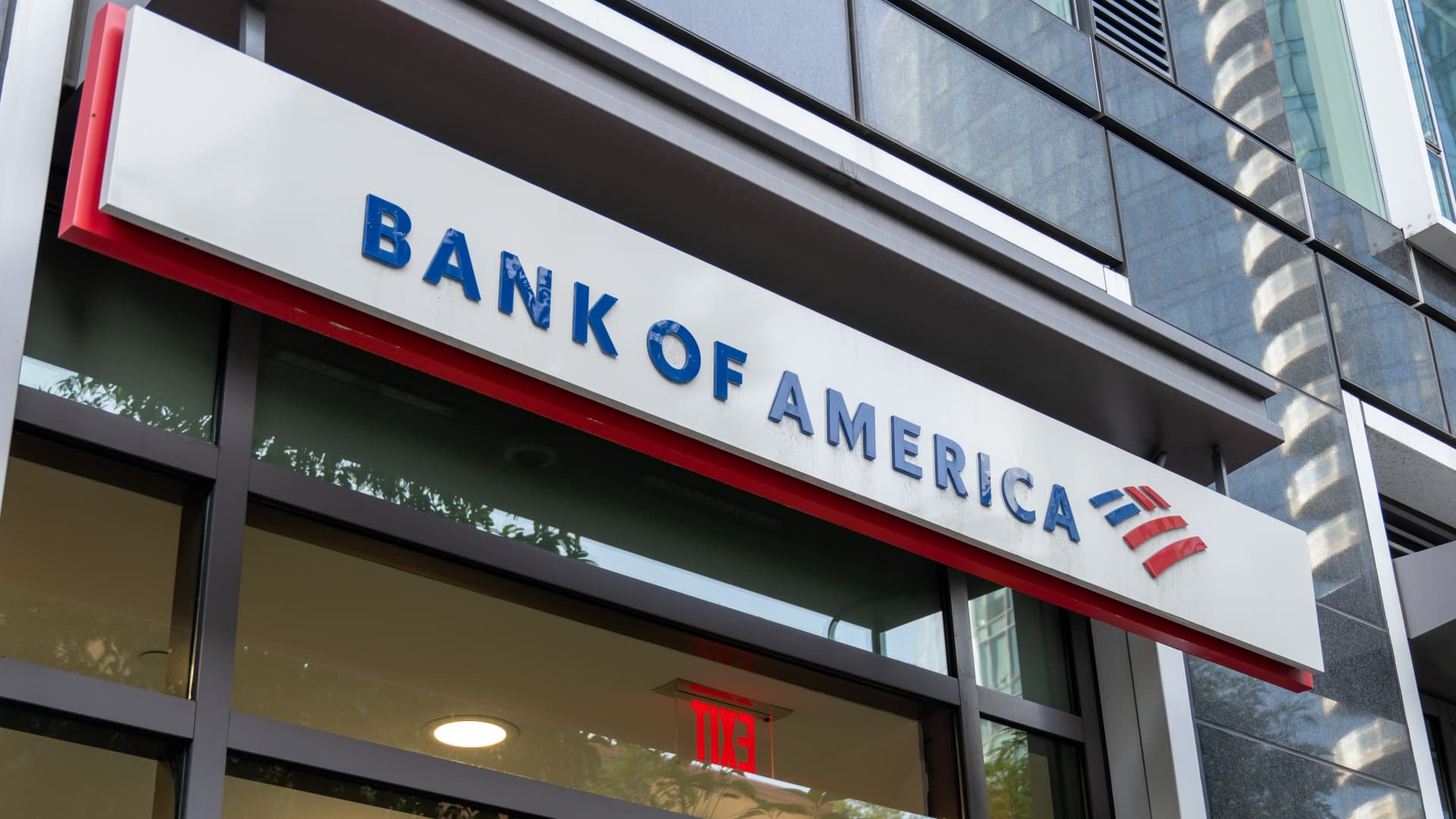
Significant Premarket Moves in US Stocks


- Bank of America Beats Expectations: Bank of America reported Q1 earnings of $1.11 per share and revenue of $30.43 billion, surpassing analyst expectations of $1.01 and $29.93 billion, driven by strong performance in its equity sales and trading unit, which is likely to bolster investor confidence.
- Broadcom and Meta Partnership: Broadcom announced a collaboration with Meta to deliver 1 gigawatt of custom chips, with plans for multiple gigawatts in the future, leading to a stock increase of over 2.5%, which not only strengthens Broadcom's position in the chip market but also enhances its long-term growth potential.
- Morgan Stanley's Strong Earnings: Morgan Stanley's Q1 earnings reached $3.43 per share with revenue of $20.58 billion, exceeding analyst expectations, resulting in a 2% stock increase, reflecting robust growth in trading revenues and boosting investor confidence in its future performance.
- Snap's Layoff Announcement: Snap announced plans to lay off up to 16% of its workforce, resulting in a stock increase of over 5%, as the company aims to reallocate resources towards improving net income profitability, indicating a strategic shift in response to market challenges.
See More
Robinhood to Benefit from SEC's New Day-Trading Rules
- Volume Surge: The SEC's approval to eliminate minimum margin requirements for day traders is expected to drive an increase in equity trading volumes, benefiting brokers like Robinhood and enhancing their revenue streams.
- Fee Structure Advantage: Robinhood charges $0.000195 per share for equity trades and $0.00329 per contract for options, making it particularly attractive to small traders, which is likely to further boost trading activity.
- Positive Market Reaction: Robinhood's shares soared over 9% in midday trading on Wednesday, building on a 10% rally from Tuesday, indicating strong market optimism regarding the new regulations and extremely bullish retail investor sentiment.
- Opportunities for Small Traders: The implementation of the new rules allows small traders to participate more actively in the market, which is expected to increase Robinhood's market share and customer loyalty, further solidifying its leadership position in the retail trading sector.
See More
Tech Stocks Rebound, Nvidia on 11-Day Winning Streak
- Nvidia's Strong Performance: Nvidia shares rose about 1% as investors returned to tech stocks, positioning the company for an 11th consecutive winning session, marking the longest streak on record and reflecting renewed market confidence in the tech sector.
- Caterpillar Acquisition News: Caterpillar's stock dropped approximately 5% following reports of its acquisition of Monarch Tractor, a self-driving electric tractor company, which, while pressuring short-term stock performance, may enhance its competitive edge in the automated agricultural equipment market.
- Nike Insider Transactions: Nike shares advanced over 3% after CEO Elliott Hill and director Tim Cook disclosed purchases of over 23,000 and 25,000 shares, respectively, totaling around $2.1 million, indicating strong executive confidence in the company's future and potentially attracting more investor interest.
- DoorDash's Technological Outlook: DoorDash shares surged 8% after Barclays analysts highlighted its leadership in autonomous food delivery technology, which is expected to further drive market share growth and strengthen its competitive position in the industry.
See More
SEC Eases Day Trading Rules, Stocks Surge
- Rule Change Approval: The SEC's approval of FINRA's proposed rule change eliminates the $25,000 requirement for 'pattern day traders', facilitating easier day trading for small investors, which is expected to significantly enhance market participation and trading activity.
- Positive Market Reaction: Robinhood (HOOD) shares surged 7.8%, Webull (BULL) climbed 8.9%, and eToro (ETOR) rose 5.2%, reflecting strong market enthusiasm for the new rules, likely attracting more retail investors into the market.
- Benefiting Market Participants: Coinbase (COIN) gained 3.8% after adding stock and ETF trading, while Morgan Stanley (MS) saw a 5.1% increase following a strong Q1 earnings report, indicating potential gains for fintech companies under the new regulations.
- Overall Industry Optimism: Charles Schwab (SCHW) rose 1.1% and Interactive Brokers (IBKR) climbed 2.6%, showcasing a positive sentiment across the financial services sector, which may drive further innovation and investment in the industry.
See More
Webull Launches New Intraday Margining System
- Change in Day Trading Rules: Webull announces support for the new intraday margining system, removing restrictions for day traders with accounts under $25,000, enabling unlimited day trades from day one of the new regulations, significantly enhancing trading flexibility for active investors.
- Increased Trading Efficiency: The new system allows investors to redeploy capital within the same trading session, with realized profits immediately applied to intraday buying power, enabling quicker responses to market opportunities and enhancing trading efficiency and market participation.
- Lower Market Access Barriers: By eliminating long-standing day trader restrictions, the new rules are expected to lower entry barriers for newer active traders while providing experienced traders with more efficient operating methods, further strengthening Webull's competitive position in the retail brokerage space.
- Enhanced Customer Experience: Webull's CEO stated that the new intraday margin rules represent a significant evolution in how active traders participate in the markets, emphasizing the company's commitment to providing advanced tools and broad market access for its clients.
See More
Webull Supports New Intraday Margining System from Day One
- Change in Day Trading Rules: Webull announces support for the new intraday margining system, removing restrictions on day trades for accounts under $25,000, enabling users to execute unlimited day trades within the same trading day, thereby enhancing flexibility for active investors and market participation.
- Increased Trading Efficiency: The new rules allow investors to apply realized profits in real-time during trades, enhancing their ability to respond quickly to market opportunities and enabling faster redeployment of capital within the same trading session, thus improving overall trading efficiency.
- Lower Market Access Barriers: By eliminating long-standing Pattern Day Trader (PDT) restrictions, the updated system is expected to lower entry barriers for newer active traders while allowing experienced traders to operate more efficiently, further strengthening Webull's competitive position in the retail brokerage space.
- Reinforced Strategic Commitment: By supporting this change on day one of the new regulations, Webull demonstrates its commitment to providing flexible tools and broad market access, further solidifying its leadership position in the global financial markets.
See More
Significant Premarket Moves in US Stocks
- Bank of America Beats Expectations: Bank of America reported Q1 earnings of $1.11 per share and revenue of $30.43 billion, surpassing analyst expectations of $1.01 and $29.93 billion, driven by strong performance in its equity sales and trading unit, which is likely to bolster investor confidence.
- Broadcom and Meta Partnership: Broadcom announced a collaboration with Meta to deliver 1 gigawatt of custom chips, with plans for multiple gigawatts in the future, leading to a stock increase of over 2.5%, which not only strengthens Broadcom's position in the chip market but also enhances its long-term growth potential.
- Morgan Stanley's Strong Earnings: Morgan Stanley's Q1 earnings reached $3.43 per share with revenue of $20.58 billion, exceeding analyst expectations, resulting in a 2% stock increase, reflecting robust growth in trading revenues and boosting investor confidence in its future performance.
- Snap's Layoff Announcement: Snap announced plans to lay off up to 16% of its workforce, resulting in a stock increase of over 5%, as the company aims to reallocate resources towards improving net income profitability, indicating a strategic shift in response to market challenges.
See More