Memory Stocks Drive Chip Market Recovery Following US-Iran Ceasefire: MU, SNDK, STX, WDC
Market Movements: Major tech stocks like AMD, NVIDIA, and Micron saw significant gains in early trading, with NVIDIA up over 3% and Micron rising by 9%, while U.S. futures also gained despite a sharp drop in oil prices.
U.S.-Iran Agreement: The U.S. and Iran have agreed to a two-week ceasefire and the temporary opening of the Strait of Hormuz, easing concerns over prolonged volatility in the oil market.
Investor Sentiment: Retail sentiment for memory chip stocks has shifted positively, with several companies moving from bearish to bullish ratings, reflecting increased interest due to shortages and rising prices.
Market Predictions: Analysts suggest that stock markets may have found a floor amid geopolitical tensions, with expectations of a potential rebound, although concerns about sustainability of gains remain prevalent among investors.
Trade with 70% Backtested Accuracy
Analyst Views on MU

About MU
About the author


Micron Technology: A Potential AI Market Multibagger

- Surging AI Demand: Accelerating investments in AI infrastructure are driving explosive demand for DRAM and NAND chips, with the HBM market expected to reach $100 billion by 2028, highlighting Micron's unique positioning in this sector.
- Enhanced Financial Flexibility: By cleaning up its balance sheet, Micron has stabilized cash flow, reducing reliance on heavy borrowing or issuing new shares, which allows for continued investment in new manufacturing capabilities and strengthens its market competitiveness.
- Diverse Customer Base: Micron's marquee clients include tech giants like Nvidia, along with steady buyers in automotive, manufacturing, and consumer electronics, providing a cushion against risks associated with fluctuations in any single market segment.
- Industry Cycle Risks: While Micron's outlook is optimistic amid surging AI memory needs, the cyclical nature of the industry and potential economic slowdowns pose risks, as excessive optimism could lead to sharp stock price fluctuations.
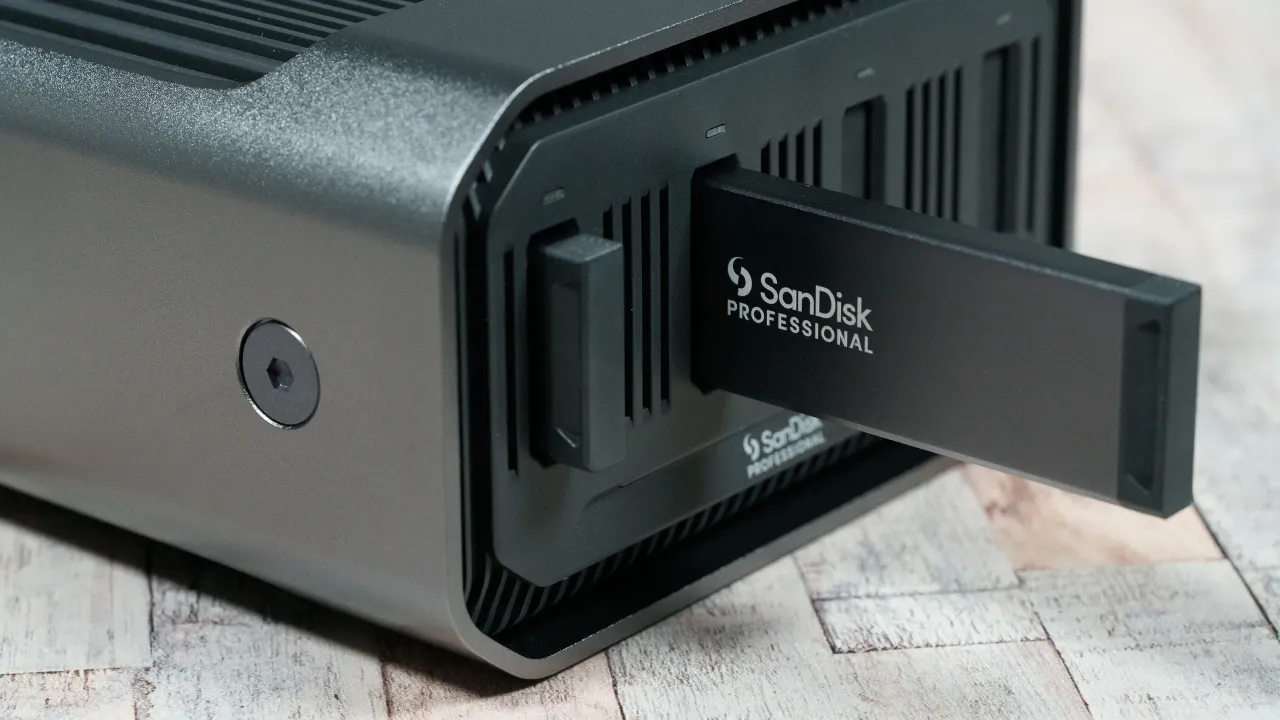
Memory Chip ETF Surges to $1 Billion in 10 Days

- ETF Asset Milestone: The Roundhill Memory ETF (DRAM) surpassed $1 billion in assets under management within just 10 days of its launch, highlighting strong investor interest in memory semiconductors and expectations for sustained demand in the coming years.
- Strong Market Performance: Major players like Micron, Seagate, Western Digital, and SanDisk have shown impressive gains in April, ranking among the top ten stocks on the Nasdaq-100, reflecting ongoing market interest and investment enthusiasm in memory chips.
- Surge in Trading Volume: Since April 2, DRAM has averaged $213 million in daily trading volume and over 11,000 options contracts traded daily, indicating active investor participation and confidence in the ETF.
- Significant Price Increase: The price per unit of DRAM rose from $27.76 to $35.07, marking a 30% increase, which not only reflects the tight supply-demand dynamics in the memory market but also suggests the potential for the industry to enter a “supercycle.”

Divergent Performance Among Tech Stocks in US Market

- Micron Technology Surge: Micron's stock has risen 59% in 2026, with Q2 revenue soaring 196% to $23.8 billion and net income skyrocketing 682% to $12.20 per share, driven by unprecedented demand for memory chips from AI data centers, although future supply-demand fluctuations pose risks.
- Comfort Systems Performance: Comfort Systems' stock increased 77% in 2026, with Q4 revenue up 41% to $2.6 billion and net income rising 129% to $9.37 per share, reflecting strong demand from tech sector clients, with projected annual growth of 34% over the next three years.
- Memory Chip Shortage Impact: The construction of AI data centers has led to a surge in demand for memory chips, causing DRAM and NAND contract prices to rise approximately sevenfold over the past year, with analysts predicting this shortage to last until 2028, further boosting Micron's market performance.
- Investor Caution on Nvidia and Palantir: Despite Nvidia and Palantir's crucial roles in the AI economy, investor hesitance regarding Nvidia's sustainability and Palantir's valuation has resulted in their stock performances diverging, with Nvidia up 8% and Palantir down 18%.

Micron Technology and Comfort Systems Shares Surge Significantly
- Micron's Revenue Surge: Micron Technology reported a staggering 196% revenue increase to $23.8 billion in Q2 2026, with non-GAAP net income soaring 682% to $12.20 per share, underscoring the robust demand for memory chips driven by AI data centers and solidifying its strategic position in the semiconductor industry.
- Memory Chip Shortage: The construction of AI data centers has led to a dramatic surge in demand for memory chips, with DRAM and NAND contract prices rising approximately sevenfold over the past year, and this shortage is expected to persist until 2028, providing strong support for Micron's future growth.
- Comfort Systems' Strong Performance: Comfort Systems experienced a 41% revenue increase to $2.6 billion in Q4, with net income soaring 129% to $9.37 per share, reflecting strong demand from technology sector clients for its mechanical and electrical services, indicating a positive outlook for future growth.
- Future Growth Expectations: Wall Street anticipates Micron's earnings will grow at an annual rate of 75% over the next three years, while Comfort Systems is expected to see a 34% annual growth rate, making both companies attractive in the current market environment, with Micron's valuation appearing relatively cheap and Comfort Systems' valuation considered fair.

Micron Technology: Potential in the AI Memory Market

- Surging AI Memory Demand: Accelerating investments in AI infrastructure are fueling explosive demand for DRAM and NAND chips, with the HBM market expected to reach $100 billion by 2028, highlighting Micron's unique positioning in this sector.
- Enhanced Financial Flexibility: By cleaning up its balance sheet, Micron has stabilized cash flow, reducing reliance on heavy borrowing or issuing new shares, which allows for continued investment in new manufacturing capabilities and strengthens its market competitiveness.
- Diverse Customer Base: Micron's marquee customers include tech giants like Nvidia, along with steady consumer buyers in automotive, manufacturing, and consumer electronics, providing a cushion against volatility in any single market segment.
- Industry Cycle Risks: While Micron has a promising outlook in the AI memory market, vigilance is required regarding cyclical fluctuations and potential economic slowdowns, as an influx of competitors could lead to price declines and impact profit margins.

Nasdaq Correction Hits AI Chip Stocks, Micron Positioned for Rebound
- Growing Market Demand: As the AI revolution progresses, Micron's high-bandwidth memory (HBM) market is projected to exceed $100 billion by 2028, indicating strong growth potential, particularly amid surging demand for AI infrastructure.
- Improved Financial Health: By cleaning up its balance sheet and generating steady cash flow, Micron has reduced reliance on new share issuance and heavy borrowing, enhancing its investment flexibility in new manufacturing capabilities, which is expected to drive future sales and profit growth.
- Diverse Customer Base: Micron's marquee customers include major tech firms like Nvidia, along with stable consumer buyers in automotive, manufacturing, and consumer electronics, providing a cushion against risks associated with fluctuations in any single market.
- Industry Risk Warning: Despite Micron's competitive edge in the AI memory market, the cyclical nature of the industry and macroeconomic uncertainties remain, as any production delays or demand pullbacks could pressure its margins.
Micron Technology: A Potential AI Market Multibagger
- Surging AI Demand: Accelerating investments in AI infrastructure are driving explosive demand for DRAM and NAND chips, with the HBM market expected to reach $100 billion by 2028, highlighting Micron's unique positioning in this sector.
- Enhanced Financial Flexibility: By cleaning up its balance sheet, Micron has stabilized cash flow, reducing reliance on heavy borrowing or issuing new shares, which allows for continued investment in new manufacturing capabilities and strengthens its market competitiveness.
- Diverse Customer Base: Micron's marquee clients include tech giants like Nvidia, along with steady buyers in automotive, manufacturing, and consumer electronics, providing a cushion against risks associated with fluctuations in any single market segment.
- Industry Cycle Risks: While Micron's outlook is optimistic amid surging AI memory needs, the cyclical nature of the industry and potential economic slowdowns pose risks, as excessive optimism could lead to sharp stock price fluctuations.
Memory Chip ETF Surges to $1 Billion in 10 Days
- ETF Asset Milestone: The Roundhill Memory ETF (DRAM) surpassed $1 billion in assets under management within just 10 days of its launch, highlighting strong investor interest in memory semiconductors and expectations for sustained demand in the coming years.
- Strong Market Performance: Major players like Micron, Seagate, Western Digital, and SanDisk have shown impressive gains in April, ranking among the top ten stocks on the Nasdaq-100, reflecting ongoing market interest and investment enthusiasm in memory chips.
- Surge in Trading Volume: Since April 2, DRAM has averaged $213 million in daily trading volume and over 11,000 options contracts traded daily, indicating active investor participation and confidence in the ETF.
- Significant Price Increase: The price per unit of DRAM rose from $27.76 to $35.07, marking a 30% increase, which not only reflects the tight supply-demand dynamics in the memory market but also suggests the potential for the industry to enter a “supercycle.”
Divergent Performance Among Tech Stocks in US Market
- Micron Technology Surge: Micron's stock has risen 59% in 2026, with Q2 revenue soaring 196% to $23.8 billion and net income skyrocketing 682% to $12.20 per share, driven by unprecedented demand for memory chips from AI data centers, although future supply-demand fluctuations pose risks.
- Comfort Systems Performance: Comfort Systems' stock increased 77% in 2026, with Q4 revenue up 41% to $2.6 billion and net income rising 129% to $9.37 per share, reflecting strong demand from tech sector clients, with projected annual growth of 34% over the next three years.
- Memory Chip Shortage Impact: The construction of AI data centers has led to a surge in demand for memory chips, causing DRAM and NAND contract prices to rise approximately sevenfold over the past year, with analysts predicting this shortage to last until 2028, further boosting Micron's market performance.
- Investor Caution on Nvidia and Palantir: Despite Nvidia and Palantir's crucial roles in the AI economy, investor hesitance regarding Nvidia's sustainability and Palantir's valuation has resulted in their stock performances diverging, with Nvidia up 8% and Palantir down 18%.
Micron Technology and Comfort Systems Shares Surge Significantly
- Micron's Revenue Surge: Micron Technology reported a staggering 196% revenue increase to $23.8 billion in Q2 2026, with non-GAAP net income soaring 682% to $12.20 per share, underscoring the robust demand for memory chips driven by AI data centers and solidifying its strategic position in the semiconductor industry.
- Memory Chip Shortage: The construction of AI data centers has led to a dramatic surge in demand for memory chips, with DRAM and NAND contract prices rising approximately sevenfold over the past year, and this shortage is expected to persist until 2028, providing strong support for Micron's future growth.
- Comfort Systems' Strong Performance: Comfort Systems experienced a 41% revenue increase to $2.6 billion in Q4, with net income soaring 129% to $9.37 per share, reflecting strong demand from technology sector clients for its mechanical and electrical services, indicating a positive outlook for future growth.
- Future Growth Expectations: Wall Street anticipates Micron's earnings will grow at an annual rate of 75% over the next three years, while Comfort Systems is expected to see a 34% annual growth rate, making both companies attractive in the current market environment, with Micron's valuation appearing relatively cheap and Comfort Systems' valuation considered fair.
Micron Technology: Potential in the AI Memory Market
- Surging AI Memory Demand: Accelerating investments in AI infrastructure are fueling explosive demand for DRAM and NAND chips, with the HBM market expected to reach $100 billion by 2028, highlighting Micron's unique positioning in this sector.
- Enhanced Financial Flexibility: By cleaning up its balance sheet, Micron has stabilized cash flow, reducing reliance on heavy borrowing or issuing new shares, which allows for continued investment in new manufacturing capabilities and strengthens its market competitiveness.
- Diverse Customer Base: Micron's marquee customers include tech giants like Nvidia, along with steady consumer buyers in automotive, manufacturing, and consumer electronics, providing a cushion against volatility in any single market segment.
- Industry Cycle Risks: While Micron has a promising outlook in the AI memory market, vigilance is required regarding cyclical fluctuations and potential economic slowdowns, as an influx of competitors could lead to price declines and impact profit margins.
Nasdaq Correction Hits AI Chip Stocks, Micron Positioned for Rebound
- Growing Market Demand: As the AI revolution progresses, Micron's high-bandwidth memory (HBM) market is projected to exceed $100 billion by 2028, indicating strong growth potential, particularly amid surging demand for AI infrastructure.
- Improved Financial Health: By cleaning up its balance sheet and generating steady cash flow, Micron has reduced reliance on new share issuance and heavy borrowing, enhancing its investment flexibility in new manufacturing capabilities, which is expected to drive future sales and profit growth.
- Diverse Customer Base: Micron's marquee customers include major tech firms like Nvidia, along with stable consumer buyers in automotive, manufacturing, and consumer electronics, providing a cushion against risks associated with fluctuations in any single market.
- Industry Risk Warning: Despite Micron's competitive edge in the AI memory market, the cyclical nature of the industry and macroeconomic uncertainties remain, as any production delays or demand pullbacks could pressure its margins.