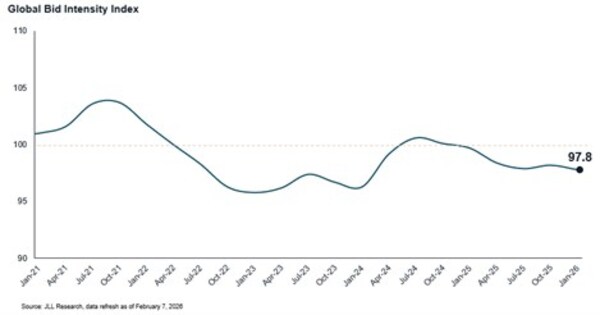
Market Faces Potential Pullback Risks
Written by Emily J. Thompson, Senior Investment Analyst
Updated: 5 days ago
0mins


Should l Buy NVDA?
Source: Fool
- Market Weakness Signals: Although stocks have shown no significant progress since November, the stagnation hints at potential pullback risks, particularly after several major AI stocks reported disappointing earnings, leading to a more cautious market sentiment.
- Nvidia Under Pressure: As a market leader in 2023, Nvidia's stock has failed to gain since August, raising investor concerns about the sustainability of its AI-driven growth; if the AI sector faces headwinds, demand for Nvidia's hardware, which constitutes 75% of its revenue, could decline rapidly.
- ASML's Vulnerability: ASML dominates high-performance microchip manufacturing, but its extreme ultraviolet lithography machines, priced around $400 million, may see demand drop in an economic slowdown; despite a 35% stock price increase since last year, market optimism about its future may be overly optimistic.
- JPMorgan's Indirect Impact: JPMorgan Chase could face indirect repercussions from an AI bubble burst, particularly in its mergers and acquisitions consulting and equity trading businesses, which together account for about 20% of its revenue; a decline in net interest income due to lower rates could further pressure its overall revenue.
Trade with 70% Backtested Accuracy
Stop guessing "Should I Buy NVDA?" and start using high-conviction signals backed by rigorous historical data.
Sign up today to access powerful investing tools and make smarter, data-driven decisions.
Analyst Views on NVDA
Wall Street analysts forecast NVDA stock price to rise
41 Analyst Rating
39 Buy
1 Hold
1 Sell
Strong Buy
Current: 182.650

Low
200.00
Averages
264.97
High
352.00
Current: 182.650
Low
200.00
Averages
264.97
High
352.00
About NVDA
NVIDIA Corporation is a full-stack computing infrastructure company. The Company is engaged in accelerated computing to help solve the challenging computational problems. The Company’s segments include Compute & Networking and Graphics. The Compute & Networking segment includes its Data Center accelerated computing platforms and artificial intelligence (AI) solutions and software; networking; automotive platforms and autonomous and electric vehicle solutions; Jetson for robotics and other embedded platforms, and DGX Cloud computing services. The Graphics segment includes GeForce GPUs for gaming and PCs, the GeForce NOW game streaming service and related infrastructure, and solutions for gaming platforms; Quadro/NVIDIA RTX GPUs for enterprise workstation graphics; virtual GPU software for cloud-based visual and virtual computing; automotive platforms for infotainment systems, and Omniverse Enterprise software for building and operating industrial AI and digital twin applications.
About the author

Emily J. Thompson
Emily J. Thompson, a Chartered Financial Analyst (CFA) with 12 years in investment research, graduated with honors from the Wharton School. Specializing in industrial and technology stocks, she provides in-depth analysis for Intellectia’s earnings and market brief reports.

Nvidia Stock Price Potential Analysis

- Significant Performance Growth: Nvidia achieved record revenue of $68 billion in Q4 of fiscal 2026, representing a 73% year-over-year increase, with earnings per share (EPS) soaring to $1.76, up 98%, demonstrating the strong demand driven by AI and solidifying its market leadership.
- Market Share Advantage: Nvidia holds a dominant 92% share in the data center GPU market, and with its leadership in AI and cloud computing, the company anticipates continued revenue growth, projecting first-quarter revenue of $78 billion, a 77% year-over-year increase, which will further enhance its competitive edge.
- Analyst Outlook: Tigress Financial analyst Ivan Feinseth reiterated a strong buy rating on Nvidia, raising the 12-month price target to $360, forecasting the company will generate $406 billion in revenue and $201 billion in operating profit over the next year, reflecting strong market confidence in its growth prospects.
- Investor Confidence Rebound: Despite concerns about an AI bubble shaking some investors, 90% of retail investors plan to maintain or increase their AI holdings, indicating long-term optimism for Nvidia, with the current stock price being relatively undervalued, presenting a buying opportunity for seasoned investors.
See More

Nvidia Stock Positioned for Potential Doubling
- Strong Market Demand: Nvidia's GPUs have become the primary hardware for training AI models, with revenue projected to grow by 70% to over $360 billion by fiscal 2027, indicating robust market demand and future growth potential in the AI sector.
- Profitability Surge: With a profit margin exceeding 50%, Nvidia is expected to become the most profitable company globally by year-end, surpassing Alphabet, showcasing its profitability and market leadership in a high-demand environment.
- Valuation Rebound Potential: Currently trading at a price-to-earnings ratio of about 22 times, significantly lower than the historical range of 40 to 50 times, if market sentiment improves, a return to a 45 times valuation could double the stock price, reflecting its reasonable valuation potential.
- Long-term Investment Confidence: Despite cautious market sentiment regarding the AI sector, hyperscalers are likely to continue investing in infrastructure, believing the risk of underinvestment is greater, suggesting that by 2026, market sentiment may recover, further driving Nvidia's stock price upward.
See More
Nvidia Forms Strategic Partnership with Thinking Machines Lab
- Strategic Investment: Nvidia has announced a 'significant investment' in Thinking Machines Lab, marking the establishment of a multi-year strategic partnership aimed at advancing the frontier of AI technology, thereby reinforcing Nvidia's leadership in the AI sector.
- System Deployment Commitment: As part of the partnership, Thinking Machines Lab has agreed to deploy at least one gigawatt of Nvidia's Vera Rubin systems, which are expected to ship in the second half of the year, showcasing the depth of technical collaboration between the two companies.
- Market Potential: Thinking Machines Lab successfully raised $2 billion in July, indicating its strong appeal and market potential in the AI field, with Nvidia's investment poised to enhance its technological capabilities and competitive edge.
- Leadership Background: Founded by former OpenAI CTO Mira Murati, Thinking Machines Lab benefits from her extensive experience and leadership in the AI industry, which will provide strategic advantages in driving innovation and application of AI technologies.
See More

Michael Burry Critiques Nvidia's Data Center Strategy

- Market Competition Concerns: Investor Michael Burry criticized Nvidia's aggressive tactics in the data center market on X, highlighting potential antitrust issues that could impact Nvidia's market reputation and future growth prospects.
- OpenAI Choice Analysis: Burry noted that OpenAI's decision to walk away from the Oracle data center deal indicates deeper competitive conflicts among major chipmakers, which could lead to significant shifts in market dynamics.
- Oracle's Response: Despite reports suggesting that OpenAI's collaboration with Oracle has fallen through, Oracle confirmed that its Abilene data center expansion project with OpenAI is still on schedule, demonstrating confidence in its strategic partnerships.
- Industry Dynamics Impact: Burry's comments and Oracle's statement may prompt investors to reassess the data center market, particularly in light of the intensifying competition between Nvidia and Oracle.
See More

Autopilot's Portfolio Transformation and Market Trends

- Customer Asset Distribution: Approximately 40% to 45% of Autopilot's customer assets are invested in funds tracking politicians, indicating a strong public interest in congressional trading activities and reflecting a demand for political transparency in the market.
- Investment Strategy Shift: Originally launched as the Iris investing app, the company pivoted due to changing user demands during the pandemic, with Josephs noting that users preferred to follow successful investors rather than friends, which propelled the development of Autopilot technology.
- Attraction of Political Trading: The public's fascination with congressional trading stems from the shock of its legality and potential conflicts of interest, with Josephs suggesting that this phenomenon encourages more participation, highlighting a desire for political transparency.
- Portfolio Diversification: In addition to political tracking portfolios, Autopilot offers 15% meme portfolios and 40% user-created portfolios, showcasing users' demand for diverse investment strategies, particularly with AI-driven portfolios gaining significant attention.
See More

Burry Accuses Nvidia of Mafia-like Behavior in AI Chip Market

- Antitrust Allegations: Burry accuses Nvidia of mafia-like behavior in the AI chip market, suggesting that the company may face antitrust scrutiny, indicating increasing regulatory attention on its market dominance.
- Data Center Project Dispute: Burry highlights a controversy involving a data center project linked to OpenAI, where Oracle borrowed heavily for land and hardware, but OpenAI withdrew support due to concerns over outdated chips, revealing risks associated with Nvidia's technology reliance.
- Blocking Competitors: Burry claims Nvidia paid approximately $150 million to prevent AMD from securing a contract tied to the data center buildout, an action viewed as leveraging market power to suppress competition, potentially triggering broader antitrust investigations.
- Shifting Regulatory Landscape: Burry notes that the U.S. Justice Department has been investigating Nvidia for nearly two years, although he expresses skepticism about the current administration's willingness to act, reflecting increasing regulatory pressures facing the AI infrastructure sector.
See More
Nvidia Stock Price Potential Analysis
- Significant Performance Growth: Nvidia achieved record revenue of $68 billion in Q4 of fiscal 2026, representing a 73% year-over-year increase, with earnings per share (EPS) soaring to $1.76, up 98%, demonstrating the strong demand driven by AI and solidifying its market leadership.
- Market Share Advantage: Nvidia holds a dominant 92% share in the data center GPU market, and with its leadership in AI and cloud computing, the company anticipates continued revenue growth, projecting first-quarter revenue of $78 billion, a 77% year-over-year increase, which will further enhance its competitive edge.
- Analyst Outlook: Tigress Financial analyst Ivan Feinseth reiterated a strong buy rating on Nvidia, raising the 12-month price target to $360, forecasting the company will generate $406 billion in revenue and $201 billion in operating profit over the next year, reflecting strong market confidence in its growth prospects.
- Investor Confidence Rebound: Despite concerns about an AI bubble shaking some investors, 90% of retail investors plan to maintain or increase their AI holdings, indicating long-term optimism for Nvidia, with the current stock price being relatively undervalued, presenting a buying opportunity for seasoned investors.
See More
Nvidia Stock Positioned for Potential Doubling
- Strong Market Demand: Nvidia's GPUs have become the primary hardware for training AI models, with revenue projected to grow by 70% to over $360 billion by fiscal 2027, indicating robust market demand and future growth potential in the AI sector.
- Profitability Surge: With a profit margin exceeding 50%, Nvidia is expected to become the most profitable company globally by year-end, surpassing Alphabet, showcasing its profitability and market leadership in a high-demand environment.
- Valuation Rebound Potential: Currently trading at a price-to-earnings ratio of about 22 times, significantly lower than the historical range of 40 to 50 times, if market sentiment improves, a return to a 45 times valuation could double the stock price, reflecting its reasonable valuation potential.
- Long-term Investment Confidence: Despite cautious market sentiment regarding the AI sector, hyperscalers are likely to continue investing in infrastructure, believing the risk of underinvestment is greater, suggesting that by 2026, market sentiment may recover, further driving Nvidia's stock price upward.
See More
Nvidia Forms Strategic Partnership with Thinking Machines Lab
- Strategic Investment: Nvidia has announced a 'significant investment' in Thinking Machines Lab, marking the establishment of a multi-year strategic partnership aimed at advancing the frontier of AI technology, thereby reinforcing Nvidia's leadership in the AI sector.
- System Deployment Commitment: As part of the partnership, Thinking Machines Lab has agreed to deploy at least one gigawatt of Nvidia's Vera Rubin systems, which are expected to ship in the second half of the year, showcasing the depth of technical collaboration between the two companies.
- Market Potential: Thinking Machines Lab successfully raised $2 billion in July, indicating its strong appeal and market potential in the AI field, with Nvidia's investment poised to enhance its technological capabilities and competitive edge.
- Leadership Background: Founded by former OpenAI CTO Mira Murati, Thinking Machines Lab benefits from her extensive experience and leadership in the AI industry, which will provide strategic advantages in driving innovation and application of AI technologies.
See More
Michael Burry Critiques Nvidia's Data Center Strategy
- Market Competition Concerns: Investor Michael Burry criticized Nvidia's aggressive tactics in the data center market on X, highlighting potential antitrust issues that could impact Nvidia's market reputation and future growth prospects.
- OpenAI Choice Analysis: Burry noted that OpenAI's decision to walk away from the Oracle data center deal indicates deeper competitive conflicts among major chipmakers, which could lead to significant shifts in market dynamics.
- Oracle's Response: Despite reports suggesting that OpenAI's collaboration with Oracle has fallen through, Oracle confirmed that its Abilene data center expansion project with OpenAI is still on schedule, demonstrating confidence in its strategic partnerships.
- Industry Dynamics Impact: Burry's comments and Oracle's statement may prompt investors to reassess the data center market, particularly in light of the intensifying competition between Nvidia and Oracle.
See More
Autopilot's Portfolio Transformation and Market Trends
- Customer Asset Distribution: Approximately 40% to 45% of Autopilot's customer assets are invested in funds tracking politicians, indicating a strong public interest in congressional trading activities and reflecting a demand for political transparency in the market.
- Investment Strategy Shift: Originally launched as the Iris investing app, the company pivoted due to changing user demands during the pandemic, with Josephs noting that users preferred to follow successful investors rather than friends, which propelled the development of Autopilot technology.
- Attraction of Political Trading: The public's fascination with congressional trading stems from the shock of its legality and potential conflicts of interest, with Josephs suggesting that this phenomenon encourages more participation, highlighting a desire for political transparency.
- Portfolio Diversification: In addition to political tracking portfolios, Autopilot offers 15% meme portfolios and 40% user-created portfolios, showcasing users' demand for diverse investment strategies, particularly with AI-driven portfolios gaining significant attention.
See More
Burry Accuses Nvidia of Mafia-like Behavior in AI Chip Market
- Antitrust Allegations: Burry accuses Nvidia of mafia-like behavior in the AI chip market, suggesting that the company may face antitrust scrutiny, indicating increasing regulatory attention on its market dominance.
- Data Center Project Dispute: Burry highlights a controversy involving a data center project linked to OpenAI, where Oracle borrowed heavily for land and hardware, but OpenAI withdrew support due to concerns over outdated chips, revealing risks associated with Nvidia's technology reliance.
- Blocking Competitors: Burry claims Nvidia paid approximately $150 million to prevent AMD from securing a contract tied to the data center buildout, an action viewed as leveraging market power to suppress competition, potentially triggering broader antitrust investigations.
- Shifting Regulatory Landscape: Burry notes that the U.S. Justice Department has been investigating Nvidia for nearly two years, although he expresses skepticism about the current administration's willingness to act, reflecting increasing regulatory pressures facing the AI infrastructure sector.
See More