MARA to Repurchase $1 Billion Notes at $88 Million Discount
- Debt Repurchase Plan: MARA announced plans to repurchase approximately $1 billion in convertible senior notes at a cash price of about $912.8 million, expected to close by the end of March, which will reduce the company's convertible debt by about 30%, thereby lowering future dilution risk.
- Bitcoin Sale Proceeds: To fund the buyback, MARA sold 15,133 Bitcoin for approximately $1.1 billion earlier in March, expecting to save around $88.1 million, reflecting a 9% discount, a strategic move aimed at strengthening the company's financial position and supporting long-term growth.
- Positive Market Reaction: Shares of MARA jumped nearly 10% on Thursday following the announcement of significant debt reduction measures, with retail sentiment shifting from 'bearish' to 'bullish', indicating increased investor confidence in the company's future prospects.
- Financial Performance Challenges: Despite reporting a 6% drop in fourth-quarter revenue to $202.3 million and a $1.7 billion net loss due to digital asset revaluation, the company plans to continue opportunistically selling Bitcoin in 2026 to boost liquidity and support growth initiatives.
Trade with 70% Backtested Accuracy
Analyst Views on MARA

About MARA
About the author


MARA, CLSK, MIGI Stocks Gain in Pre-Market as Bitcoin Surges to $68K – Analysts Caution About Ongoing 'Time Pain'


Bitcoin Price Movement: Bitcoin has climbed back above $67,000, showing a 1% increase over the past 24 hours, while mining stocks like Mawson Infrastructure Group and Greenidge Generation Holdings have also seen gains of over 4% and 3%, respectively.
Market Sentiment: Analysts warn that near-term conditions for Bitcoin are unlikely to improve, with the market remaining in a prolonged consolidation phase rather than experiencing a decisive breakout above or below the $67,000 resistance level.
Long-Term Holder Profitability: Data indicates that long-term holders' profitability has dropped by approximately 58%, suggesting a consolidation at resistance levels and a reset in market positioning, despite no definitive signs of full capitulation yet.
April Outlook for Bitcoin: As April approaches, historical data suggests that Bitcoin often posts positive returns following weak first quarters, although analysts express skepticism about the likelihood of improved conditions impacting prices in the near future.

Pakistan's New Role in Middle East Diplomacy

- Diplomatic Shift: Under the coordinated leadership of Prime Minister Shehbaz Sharif and Army Chief Asim Munir, Pakistan has transitioned from regional isolation to a central role in Middle East diplomacy, becoming the primary broker between the Trump administration and Tehran, significantly improving relations with Washington.
- Economic Cooperation: High-level engagement with the U.S. has led to a cryptocurrency agreement between a firm led by U.S. Middle East envoy Steve Witkoff and the Pakistani government, further strengthening cooperation in critical minerals and counterterrorism, enhancing Pakistan's economic leverage.
- Security Interests: By assuming the mediator role, Pakistan aims to de-escalate conflicts while facing domestic pressures, particularly from its significant Shia population, ensuring border security and energy interests, with Iran agreeing to allow 20 Pakistani-flagged vessels to transit the Strait of Hormuz.
- Regional Summit: Despite Iran's initial rejection of the U.S. proposal, the upcoming multi-nation summit in Islamabad positions Pakistan as a diplomatic buffer, potentially preventing escalation into regional war, with investors closely watching for signs of stabilization in energy prices and maritime insurance rates.

US Stocks Plunge as Oil Prices Surge Amid Iran Conflict


- Market Decline: The S&P 500 index fell by 1.67%, marking a 7-month low, while the Nasdaq 100 and Dow Jones Industrial Average dropped by 1.93% and 1.73%, respectively, indicating heightened concerns over economic slowdown.
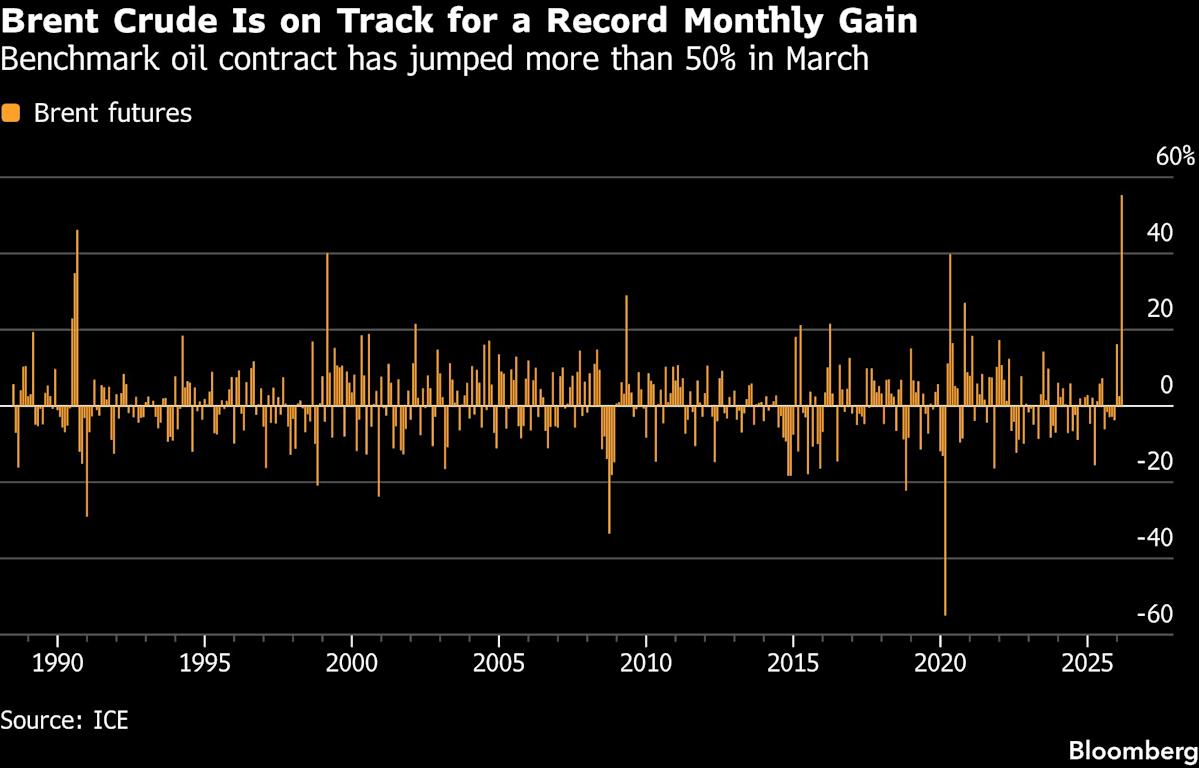
- Oil Price Surge: WTI crude oil prices surged over 5% due to fears surrounding the Iran conflict, which not only exacerbates inflation expectations but may also compel the Federal Reserve to tighten monetary policy, impacting overall economic growth.
- Consumer Sentiment Drop: The University of Michigan's consumer sentiment index was revised down to 53.3 from 55.5, below the expected 54.0, reflecting a pessimistic outlook among consumers regarding future economic conditions, potentially suppressing consumer spending.
- Escalating US-China Trade Tensions: China launched investigations into US trade practices targeting restrictions on Chinese goods, which could further disrupt global supply chains and increase market uncertainty.

US Stocks Decline as Oil Prices Surge Amid Iran Conflict
- Market Sentiment Declines: The S&P 500 and Nasdaq 100 fell by 0.79% and 1.12%, respectively, reaching 6.75-month lows, reflecting investor concerns about the global economic outlook amid escalating tensions in Iran.
- Rising Inflation Expectations: The University of Michigan's consumer sentiment index was revised down to 53.3 from 55.5, below expectations, while 1-year inflation expectations increased to 3.8%, indicating market fears of rising prices that could prompt the Fed to tighten monetary policy.
- Surging Energy Prices: Crude oil prices rose over 3% due to disruptions in global oil supply caused by the Iran conflict, with the IEA warning that the war could cut global oil supply by 8 million barrels per day, exacerbating inflationary pressures.
- US-China Trade Tensions: China launched investigations into US trade practices in retaliation for similar probes by the Trump administration, potentially impacting global supply chains and increasing market uncertainty, further undermining investor confidence.

MicroStrategy Accelerates Bitcoin Purchases Amid Market Decline

- Accelerated Bitcoin Purchases: MicroStrategy has purchased approximately 45,000 BTC in the last 30 days, marking its highest acquisition since April 2025, demonstrating the company's unwavering investment confidence amid declining prices, which may support future Bitcoin demand and pricing.
- Market Share Shift: Currently, MicroStrategy holds 65% of the Bitcoin owned by public companies, while other firms account for only 2%, indicating MicroStrategy's dominant position in corporate Bitcoin investment, despite a significant overall market demand decline.
- Funding Risk Warning: While Saylor emphasizes the liquidity and decentralization of the Bitcoin market, MicroStrategy's leveraged funding strategy creates a concentration of demand, where any disruption in funding could negatively impact Bitcoin prices and the company's stock, reflecting the fragility of its investment approach.
- Impact of ETFs and Retail Investors: Despite MicroStrategy's dominance in Bitcoin holdings, Bitcoin ETFs and retail investors remain major sources of demand, with ETFs attracting $56 billion in inflows since their 2024 listings, indicating ongoing market interest in Bitcoin.

Global Markets Decline Amid Iran War Risks
- Market Decline: The S&P 500 index fell by 0.74% and the Nasdaq 100 dropped by 0.94%, reflecting investor concerns over the prolonged Iran war, which may impact future investment decisions and market stability.
- Surging Energy Prices: The International Energy Agency warns that the ongoing conflict could disrupt global oil supply by 8 million barrels per day, potentially pushing crude prices above the 2008 record high of nearly $150 per barrel, thereby exacerbating inflationary pressures.
- Rising Bond Yields: The 10-year U.S. Treasury yield reached an 8.25-month high of 4.48%, indicating heightened expectations for future interest rate hikes, which could compel the Federal Reserve to adopt a tighter monetary policy to combat persistent inflation.
- Escalating U.S.-China Trade Tensions: China has launched investigations into U.S. trade practices, targeting restrictions on Chinese goods, which may further escalate trade frictions and disrupt global supply chain stability.
MARA, CLSK, MIGI Stocks Gain in Pre-Market as Bitcoin Surges to $68K – Analysts Caution About Ongoing 'Time Pain'
Bitcoin Price Movement: Bitcoin has climbed back above $67,000, showing a 1% increase over the past 24 hours, while mining stocks like Mawson Infrastructure Group and Greenidge Generation Holdings have also seen gains of over 4% and 3%, respectively.
Market Sentiment: Analysts warn that near-term conditions for Bitcoin are unlikely to improve, with the market remaining in a prolonged consolidation phase rather than experiencing a decisive breakout above or below the $67,000 resistance level.
Long-Term Holder Profitability: Data indicates that long-term holders' profitability has dropped by approximately 58%, suggesting a consolidation at resistance levels and a reset in market positioning, despite no definitive signs of full capitulation yet.
April Outlook for Bitcoin: As April approaches, historical data suggests that Bitcoin often posts positive returns following weak first quarters, although analysts express skepticism about the likelihood of improved conditions impacting prices in the near future.
Pakistan's New Role in Middle East Diplomacy
- Diplomatic Shift: Under the coordinated leadership of Prime Minister Shehbaz Sharif and Army Chief Asim Munir, Pakistan has transitioned from regional isolation to a central role in Middle East diplomacy, becoming the primary broker between the Trump administration and Tehran, significantly improving relations with Washington.
- Economic Cooperation: High-level engagement with the U.S. has led to a cryptocurrency agreement between a firm led by U.S. Middle East envoy Steve Witkoff and the Pakistani government, further strengthening cooperation in critical minerals and counterterrorism, enhancing Pakistan's economic leverage.
- Security Interests: By assuming the mediator role, Pakistan aims to de-escalate conflicts while facing domestic pressures, particularly from its significant Shia population, ensuring border security and energy interests, with Iran agreeing to allow 20 Pakistani-flagged vessels to transit the Strait of Hormuz.
- Regional Summit: Despite Iran's initial rejection of the U.S. proposal, the upcoming multi-nation summit in Islamabad positions Pakistan as a diplomatic buffer, potentially preventing escalation into regional war, with investors closely watching for signs of stabilization in energy prices and maritime insurance rates.
US Stocks Plunge as Oil Prices Surge Amid Iran Conflict
- Market Decline: The S&P 500 index fell by 1.67%, marking a 7-month low, while the Nasdaq 100 and Dow Jones Industrial Average dropped by 1.93% and 1.73%, respectively, indicating heightened concerns over economic slowdown.
- Oil Price Surge: WTI crude oil prices surged over 5% due to fears surrounding the Iran conflict, which not only exacerbates inflation expectations but may also compel the Federal Reserve to tighten monetary policy, impacting overall economic growth.
- Consumer Sentiment Drop: The University of Michigan's consumer sentiment index was revised down to 53.3 from 55.5, below the expected 54.0, reflecting a pessimistic outlook among consumers regarding future economic conditions, potentially suppressing consumer spending.
- Escalating US-China Trade Tensions: China launched investigations into US trade practices targeting restrictions on Chinese goods, which could further disrupt global supply chains and increase market uncertainty.
US Stocks Decline as Oil Prices Surge Amid Iran Conflict
- Market Sentiment Declines: The S&P 500 and Nasdaq 100 fell by 0.79% and 1.12%, respectively, reaching 6.75-month lows, reflecting investor concerns about the global economic outlook amid escalating tensions in Iran.
- Rising Inflation Expectations: The University of Michigan's consumer sentiment index was revised down to 53.3 from 55.5, below expectations, while 1-year inflation expectations increased to 3.8%, indicating market fears of rising prices that could prompt the Fed to tighten monetary policy.
- Surging Energy Prices: Crude oil prices rose over 3% due to disruptions in global oil supply caused by the Iran conflict, with the IEA warning that the war could cut global oil supply by 8 million barrels per day, exacerbating inflationary pressures.
- US-China Trade Tensions: China launched investigations into US trade practices in retaliation for similar probes by the Trump administration, potentially impacting global supply chains and increasing market uncertainty, further undermining investor confidence.
MicroStrategy Accelerates Bitcoin Purchases Amid Market Decline
- Accelerated Bitcoin Purchases: MicroStrategy has purchased approximately 45,000 BTC in the last 30 days, marking its highest acquisition since April 2025, demonstrating the company's unwavering investment confidence amid declining prices, which may support future Bitcoin demand and pricing.
- Market Share Shift: Currently, MicroStrategy holds 65% of the Bitcoin owned by public companies, while other firms account for only 2%, indicating MicroStrategy's dominant position in corporate Bitcoin investment, despite a significant overall market demand decline.
- Funding Risk Warning: While Saylor emphasizes the liquidity and decentralization of the Bitcoin market, MicroStrategy's leveraged funding strategy creates a concentration of demand, where any disruption in funding could negatively impact Bitcoin prices and the company's stock, reflecting the fragility of its investment approach.
- Impact of ETFs and Retail Investors: Despite MicroStrategy's dominance in Bitcoin holdings, Bitcoin ETFs and retail investors remain major sources of demand, with ETFs attracting $56 billion in inflows since their 2024 listings, indicating ongoing market interest in Bitcoin.
Global Markets Decline Amid Iran War Risks
- Market Decline: The S&P 500 index fell by 0.74% and the Nasdaq 100 dropped by 0.94%, reflecting investor concerns over the prolonged Iran war, which may impact future investment decisions and market stability.
- Surging Energy Prices: The International Energy Agency warns that the ongoing conflict could disrupt global oil supply by 8 million barrels per day, potentially pushing crude prices above the 2008 record high of nearly $150 per barrel, thereby exacerbating inflationary pressures.
- Rising Bond Yields: The 10-year U.S. Treasury yield reached an 8.25-month high of 4.48%, indicating heightened expectations for future interest rate hikes, which could compel the Federal Reserve to adopt a tighter monetary policy to combat persistent inflation.
- Escalating U.S.-China Trade Tensions: China has launched investigations into U.S. trade practices, targeting restrictions on Chinese goods, which may further escalate trade frictions and disrupt global supply chain stability.